
The Power of Carbide Burs: A Guide to Effective Deburring in Metalworking
Tired of rough edges slowing down your metalwork? Using carbide burs for deburring cuts through those stubborn burrs left by cutting or welding. These tungsten carbide tools offer the precision and strength needed to clean up steel, aluminum, and cast iron parts fast. Keep reading to see how the right carbide burr shapes and rotary files can sharpen your workflow. For more information, visit this guide.
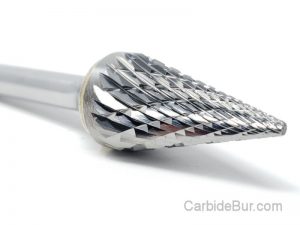
Click here to see our entire selection of USA made carbide bur tools
Understanding Carbide Burs
Carbide burs are essential in the world of metalworking, paving the way for smoother, cleaner finishes. Let’s explore what makes these tools indispensable.
What Are Carbide Burs?
Carbide burs are small cutting tools used in rotary tools. They help remove material and shape metals. Made from tungsten carbide, they stand out due to their durability and precision. You might find them in workshops used for tasks like grinding, deburring, and shaping metals such as steel, aluminum, and cast iron. Their longevity makes them a favorite among professionals.
These tools fit into rotary devices like die grinders. When you power up the grinder, the bur spins rapidly, allowing it to shave off unwanted material. It’s a simple yet powerful tool that transforms rugged surfaces into smooth ones with ease.
Benefits of Using Carbide Burs
Using carbide burs brings several advantages to your metalworking tasks. First, they offer remarkable precision, helping you achieve clean and consistent results. This is especially crucial when working on detailed projects. Their durability means they last longer than traditional tools, saving you money over time.
Furthermore, these burs are versatile. They work on various materials, from aluminum to cast iron. This makes them a go-to choice for many professionals. By investing in a reliable set of carbide burs, you ensure you’re equipped to handle diverse tasks efficiently.
Types of Carbide Burs
Carbide burs come in various shapes and sizes, each tailored for specific tasks. Some common shapes include cylindrical, ball, and flame. Each shape serves a unique purpose. Cylindrical burs are great for surface work, while ball burs help with round edges.
Additionally, there are different cuts to consider, such as single cut and double cut. Single cut burs are perfect for general purpose work, offering a smooth finish. Double cut burs, on the other hand, provide a rougher finish, ideal for rapid material removal. Knowing which type to choose ensures you get the best results for your project needs. For detailed insights, visit this resource.
Deburring Techniques in Metalworking
Mastering deburring is crucial for anyone serious about metalworking. It can make the difference between a good and a great finish.
How to Deburr with Carbide Burs
Deburring with carbide burs is straightforward yet effective. Here’s how you can make the most of these tools:
-
Secure the Workpiece: Ensure your metal piece is stable. Clamping it down prevents unwanted movement.
-
Choose the Right Bur: Select the bur that matches your task. For general deburring, a double cut bur works wonders.
-
Operate the Grinder: Hold the rotary tool firmly and guide the bur gently over the burrs. Let the tool do the work—no need to apply excessive force.
By following these steps, you achieve a clean finish, removing unwanted edges that could cause friction or injury.
Selecting the Right Carbide Burr
Choosing the best carbide bur can seem daunting with so many options available. Focus on three key factors: material, shape, and cut. For softer metals like aluminum, a single cut bur might suffice. For harder materials, a double cut can offer better results.
Consider the shape based on the task at hand. For example, a cylindrical bur is ideal for flat surfaces, while a tree-shaped bur can help with angled edges.
Safety Tips for Deburring
Safety is paramount when using carbide burs. Always wear protective eyewear to shield your eyes from flying debris. Gloves can help but ensure they don’t compromise your grip on the tool. Work in a well-ventilated space to avoid inhaling any dust particles.
Lastly, always double-check your equipment before starting. A well-maintained tool ensures not only your safety but also the quality of your work.
Choosing the Best Carbide Burr
Selecting the right carbide burr can elevate your metalworking projects. Let’s delve into making the best choices for your needs.
Double Cut vs. Single Cut
When deciding between double cut and single cut burs, it’s essential to understand their differences. Double cut burs, with their cross-cut design, offer a finer finish and are excellent for removing material quickly. They’re perfect for tackling tough metals like steel.
Single cut burs, however, are more suited for general tasks. They provide a smoother finish on softer materials, such as aluminum. Knowing which to use can save you time and enhance your work quality. More insights can be found here.
Optimal Carbide Burr Shapes
Choosing the correct bur shape can significantly impact your results. For deburring flat surfaces, a cylindrical bur is ideal. If you’re working on rounded edges, a ball-shaped bur is more suitable.
Each shape has its unique advantages, so understanding your project’s needs can help you decide. Remember, the right shape not only boosts efficiency but also ensures precision.
Recommended Carbide Burr Sets
Investing in a quality carbide burr set provides you with the tools needed for various tasks. A comprehensive set often includes a mix of shapes and cuts, ensuring you’re prepared for any challenge. Look for kits that offer both single and double cut options.
These sets are perfect for professionals who handle a variety of projects, from intricate detailing to heavy-duty deburring. For a reliable selection of burs, check out this site.
In conclusion, understanding carbide burs and their applications can greatly improve your metalworking projects. Prioritize choosing the right tool for the job, and you’ll see enhanced results in no time.
Click here to see our entire selection of USA made carbide bur tools
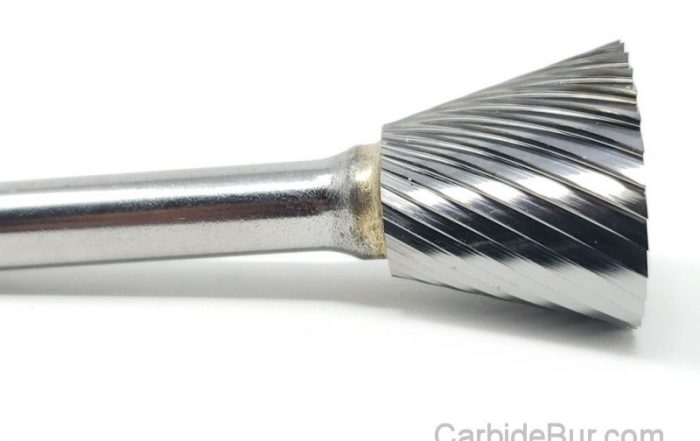
1/8 vs 1/4 Inch Carbide Burrs: What’s the Difference?
1/8 vs 1/4 Inch Carbide Burrs: What's the Difference? Choosing between a 1/8 inch carbide burr and a 1/4 inch carbide burr can change how your project turns out. Many machinists and hobbyists overlook how [...]

Best Carbide Burr for Removing Flash From Castings
Best Carbide Burr for Removing Flash From Castings Removing flash from castings is a task that can slow down your entire metalworking process if you don’t have the right tools. Picking the best carbide burr [...]
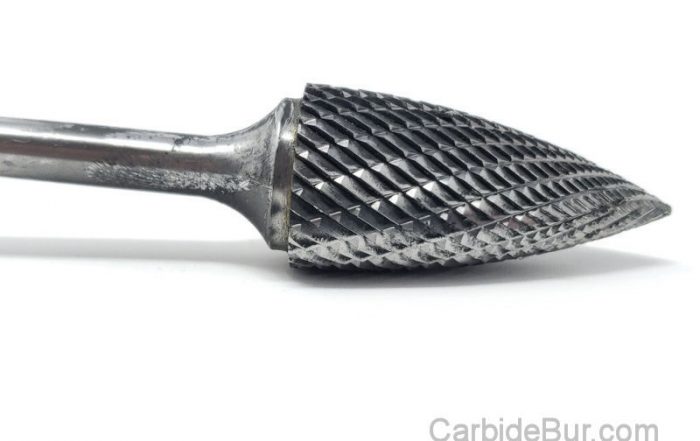
What RPM Should You Use for a 1/4 Inch Carbide Burr?
What RPM Should You Use for a 1/4 Inch Carbide Burr? Most machinists guess the right speed for a 1/4 inch carbide burr and hope for the best. Using the wrong carbide burr RPM can [...]
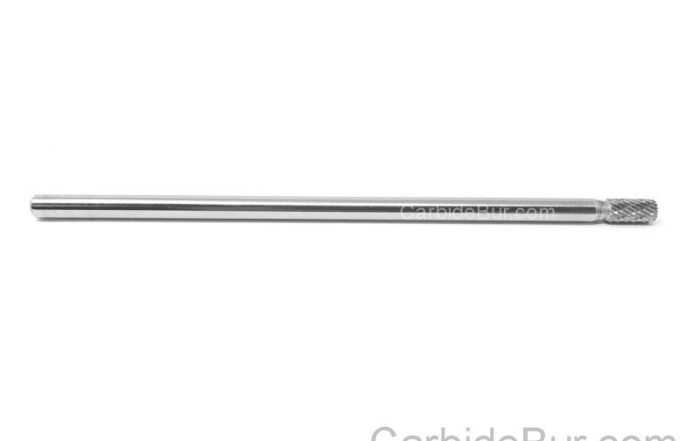
Long Shank Carbide Burrs: When Do You Need One?
Long Shank Carbide Burrs: When Do You Need One? Most machinists overlook the power of long shank carbide burrs until a project demands precision in tight spaces. When your usual tools can’t reach intricate contours, [...]
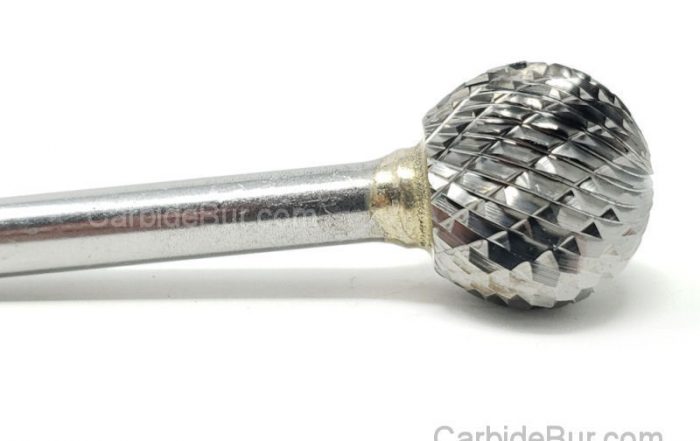
How Deep Can a Carbide Burr Cut Metal?
How Deep Can a Carbide Burr Cut Metal? Carbide burrs often get praised for their precision, but many users hit a wall wondering how deep they can actually cut metal. The truth is, cutting depth [...]
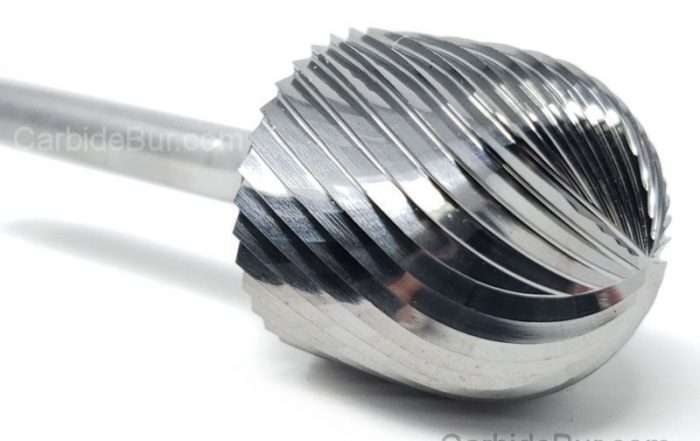
How to Use Carbide Burrs for Port Matching
How to Use Carbide Burrs for Port Matching Most engine builds hit a wall when airflow doesn’t flow smoothly between the ports and manifolds. If your engine isn’t breathing right, your performance stalls. Using the [...]
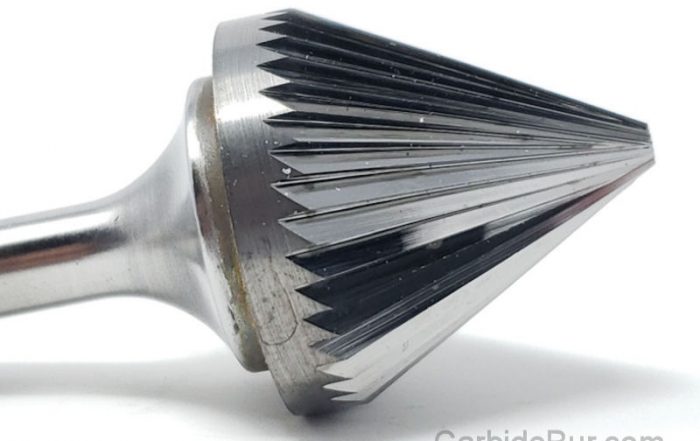
Best Carbide Burr for Porting Intake Manifolds
Best Carbide Burr for Porting Intake Manifolds Porting intake manifolds can make or break your engine’s airflow, yet many struggle with the right tools for the job. Choosing the best carbide burrs is key to [...]
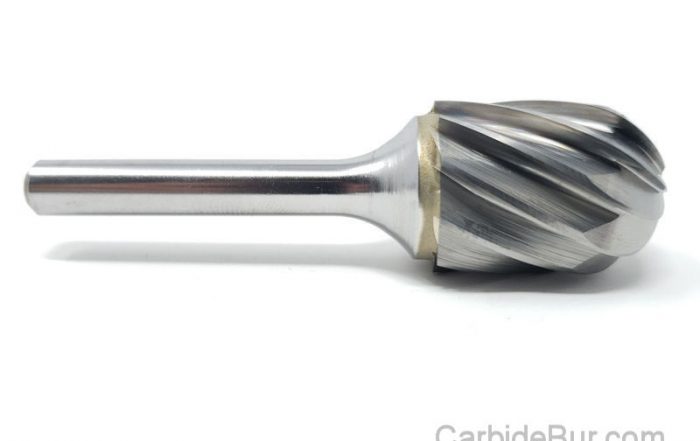
Best Carbide Burr for Concave Surfaces
Best Carbide Burr for Concave Surfaces Concave surfaces can turn a straightforward project into a frustrating challenge if you don’t have the right tool. Carbide burrs designed for these tricky curves make all the difference [...]
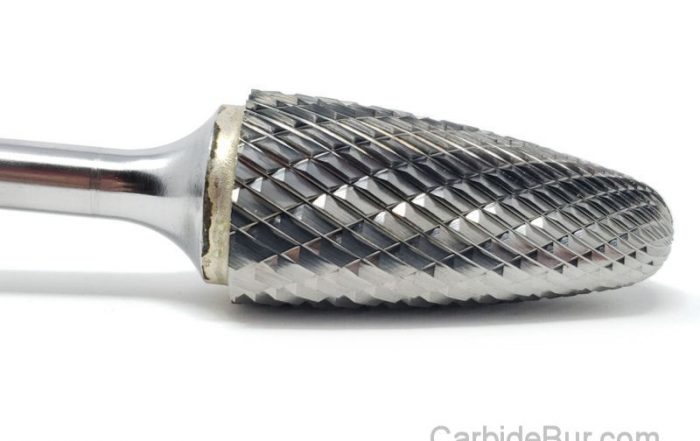
How to Grind a Slot in Metal With a Carbide Burr
How to Grind a Slot in Metal With a Carbide Burr Grinding a precise slot in metal can feel like a tricky task, especially if you’re unsure which tools to trust. Carbide burr grinding offers [...]

Best Carbide Burr for Inside Corners
Best Carbide Burr for Inside Corners Working in tight inside corners can turn even simple projects into frustrating tasks. Many carbide burrs just don’t fit or cut cleanly where you need them most. The best [...]
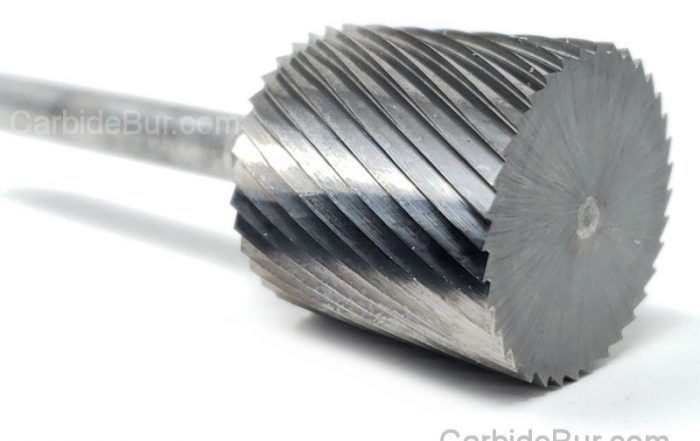
What Size Carbide Burr Do I Need?
What Size Carbide Burr Do I Need? Picking the wrong carbide burr can turn a simple project into a frustrating mess. You might have the best machining tools but still miss the mark if your [...]
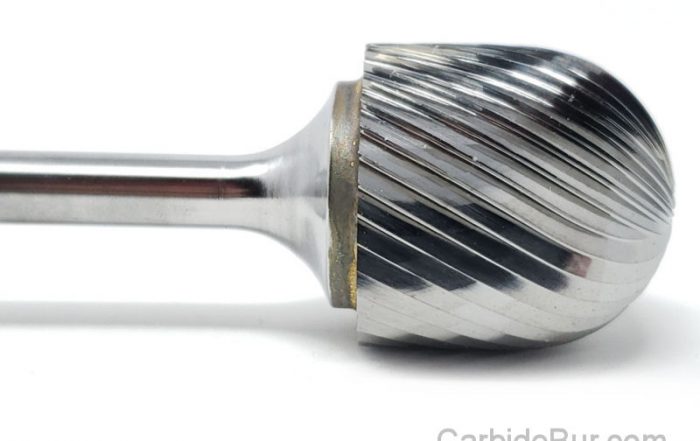
How to Smooth Sharp Metal Edges With a Carbide Burr
How to Smooth Sharp Metal Edges With a Carbide Burr Sharp metal edges can turn your project from professional to risky in seconds. If you’ve struggled with smoothing metal edges without scratching or weakening the [...]
