
Mastering Metalwork: How to Select the Best Carbide Burrs for Your Deburring Needs
Choosing the right burs can make or break your metalworking project. Single-cut burs tackle tough ferrous metals with heavy stock removal, while double-cut burs shine on softer materials and finer finishing. Knowing which carbide burr for deburring suits your task saves time and boosts results. Let’s break down how to pick the best tool for your deburring needs. For more insights, check out this guide on carbide burrs.
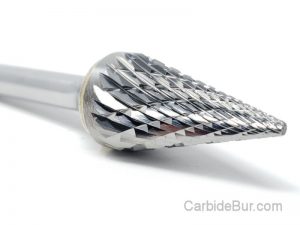
Click here to see our entire selection of USA made carbide bur tools
Understanding Carbide Burrs
When you’re stepping into the world of metalwork, understanding your tools is key. Carbide burrs are your go-to for deburring, but how do you know which type to use?
Single-Cut vs. Double-Cut Burrs
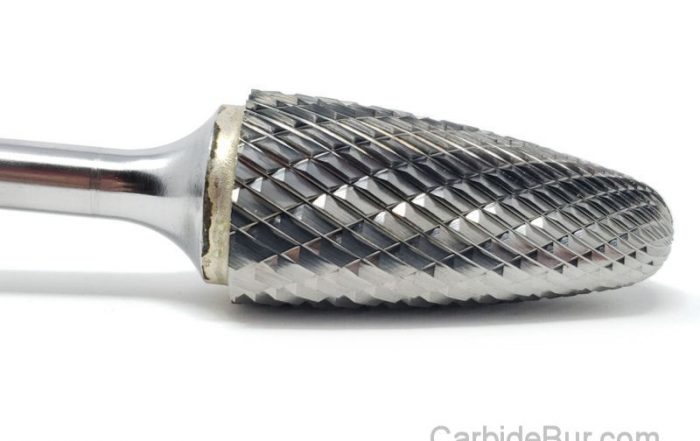
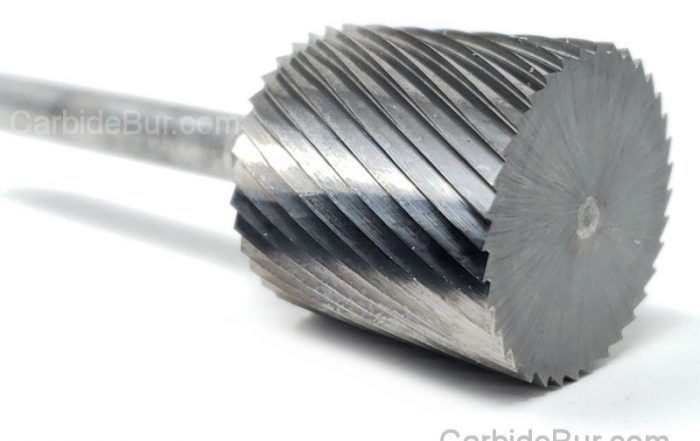
Single-cut burrs are designed with one flute, making them perfect for heavy stock removal on tough ferrous metals. They produce long chips and leave a smooth finish. On the other hand, double-cut burrs offer cross-cut flutes, suited for lighter deburring and finishing on non-ferrous or soft materials. They create smaller chips for a quicker, smoother outcome. Knowing the difference can save you from common pitfalls in metalworking. Most people assume one type fits all, but that’s not the case. Check out more details on single-cut and double-cut options here.
Choosing the Right Carbide Burr
Selecting the right carbide burr depends on your specific task. Think about the material you’re working with and the finish you want. If you’re dealing with hard metals, single-cut is your ally. For softer substances, double-cut will be more efficient. The right choice enhances your productivity and prevents tool damage. Remember, a mismatched burr can slow you down and affect the quality of your work.
Carbide Burr Shapes for Deburring
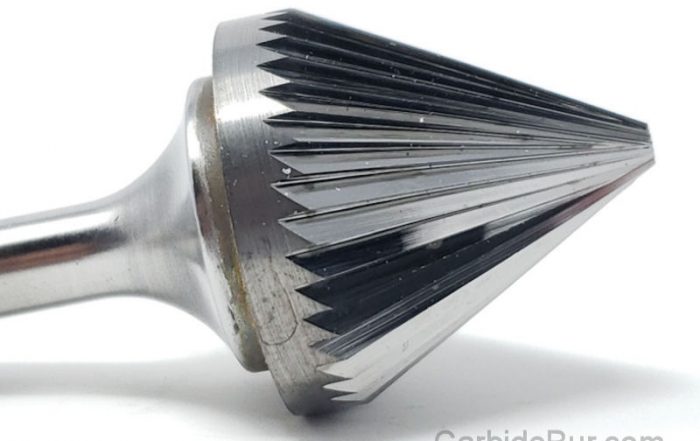
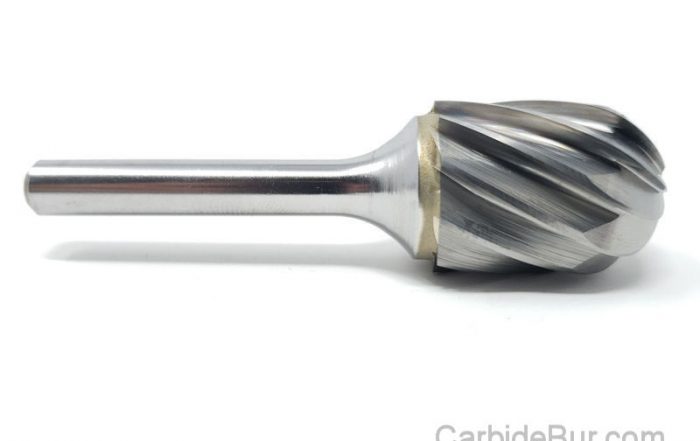
Carbide burrs come in various shapes, each serving a different purpose. Cylindrical shapes are ideal for flat surfaces, while ball shapes are best for rounding edges. Each shape is designed to meet a specific need, ensuring you get the perfect finish every time. Understanding these shapes allows you to tailor your tool selection to your project requirements. Don’t just pick any shape—choose the one that matches your goal.
Selecting Your Ideal Deburring Tool
Now that you know about burr types, let’s explore how to select the ideal tool for your project. The material and application will guide your choice.
Best Carbide Burr for Your Material
The material you work with greatly influences the burr you should choose. For aluminum, a carbide burr designed specifically for softer metals will prevent clogging and ensure smooth operation. If you’re working with steel, opt for a burr that handles tougher surfaces without wearing down quickly. Remember, using the right burr for your material not only improves efficiency but also extends tool life. For more on choosing the best burr, check this resource.
Tool Selection for Various Applications
Different applications require different tools. If you’re deburring holes, a cone-shaped burr might be your best bet. For surface smoothing, a cylindrical burr could be more appropriate. Think about the end result you want and pick your tool accordingly. This targeted approach helps in achieving precise outcomes without unnecessary effort. Don’t fall into the trap of using the same burr for every task—customize your approach for success.
Maximizing Efficiency in Metalworking
Efficiency is crucial in metalworking. The right tools can drastically reduce time and effort.
Benefits of Tungsten Carbide Burrs
Tungsten carbide burrs are known for their durability and sharpness. They last longer and cut cleaner than other materials, making them a smart investment for any serious machinist. With these burrs, you get a consistent performance that reduces the need for frequent replacements. This translates into time saved and better results in your projects. Explore why American-made carbide tools are preferred by experts.
Essential Finishing Tools for Machinists
Beyond burrs, there are other essential finishing tools that every machinist should consider. Die grinders, for instance, are excellent for precision work, while larger grinders might be necessary for extensive projects. Having a well-rounded toolkit ensures you’re prepared for any task, enhancing your capability and confidence in tackling complex projects. Building a comprehensive set of tools is not just about convenience—it’s about achieving mastery in your craft.
In summary, understanding and selecting the right carbide burrs for deburring can significantly enhance your metalworking efficiency and outcomes. By choosing the appropriate burrs for your material and application, and by investing in quality tools like tungsten carbide options, you’ll be better equipped to tackle any project with confidence and precision.
Click here to see our entire selection of USA made carbide bur tools
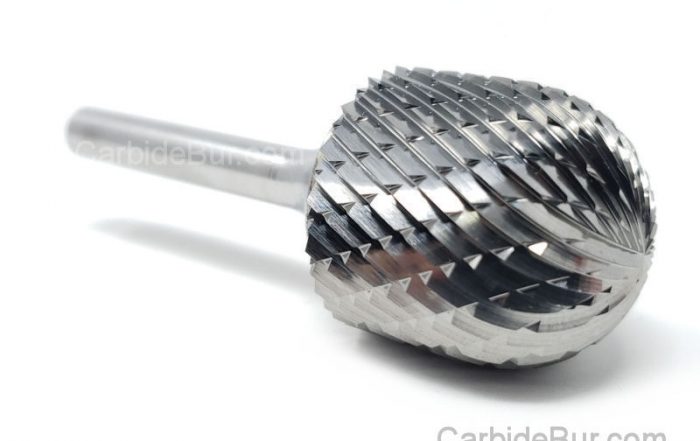
How to Use a Carbide Burr With a Die Grinder
How to Use a Carbide Burr With a Die Grinder Most people treat a carbide burr like just another tool, but using it with a die grinder takes skill. If you’ve struggled with burr installation [...]
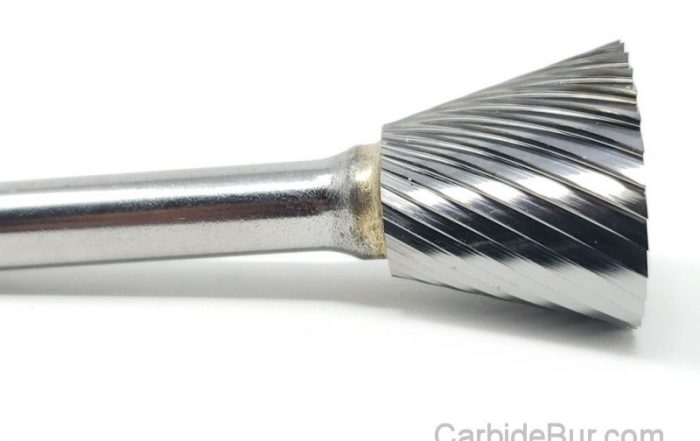
1/8 vs 1/4 Inch Carbide Burrs: What’s the Difference?
1/8 vs 1/4 Inch Carbide Burrs: What's the Difference? Choosing between a 1/8 inch carbide burr and a 1/4 inch carbide burr can change how your project turns out. Many machinists and hobbyists overlook how [...]
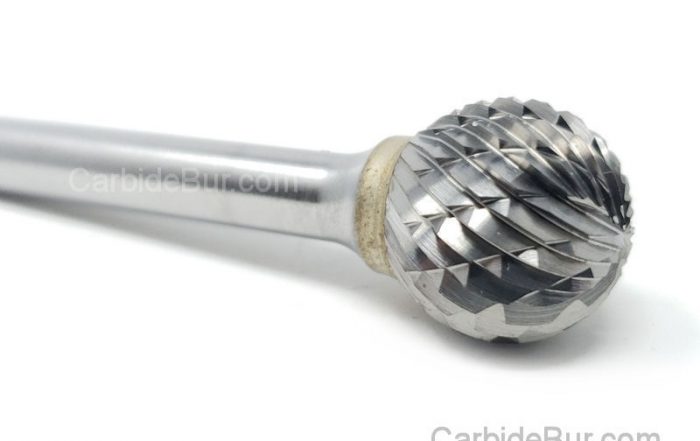
Best Carbide Burr for Removing Flash From Castings
Best Carbide Burr for Removing Flash From Castings Removing flash from castings is a task that can slow down your entire metalworking process if you don’t have the right tools. Picking the best carbide burr [...]
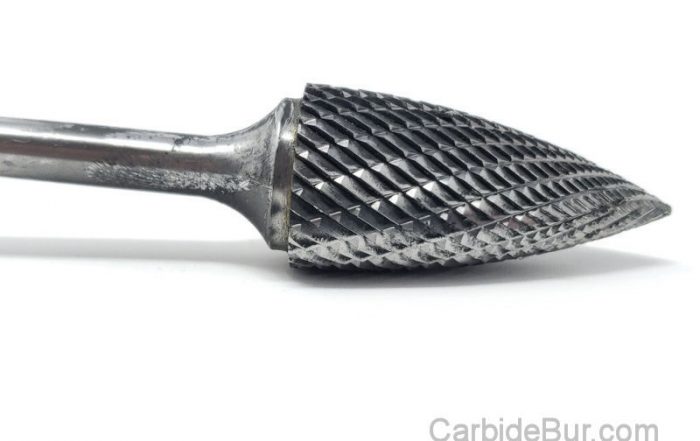
What RPM Should You Use for a 1/4 Inch Carbide Burr?
What RPM Should You Use for a 1/4 Inch Carbide Burr? Most machinists guess the right speed for a 1/4 inch carbide burr and hope for the best. Using the wrong carbide burr RPM can [...]
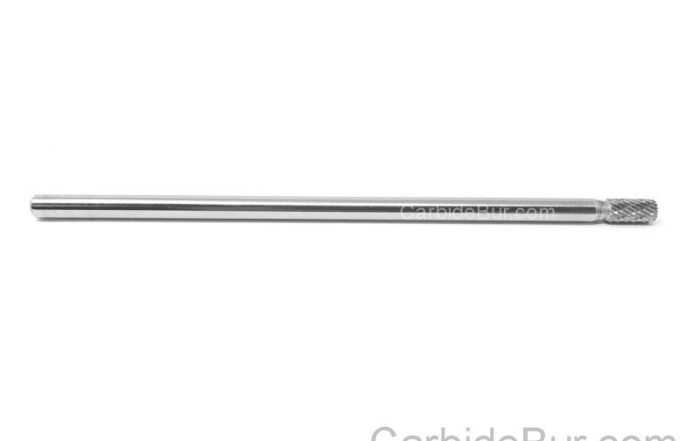
Long Shank Carbide Burrs: When Do You Need One?
Long Shank Carbide Burrs: When Do You Need One? Most machinists overlook the power of long shank carbide burrs until a project demands precision in tight spaces. When your usual tools can’t reach intricate contours, [...]
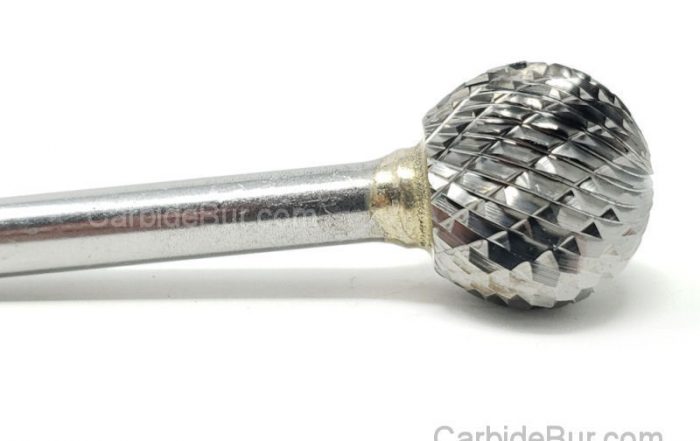
How Deep Can a Carbide Burr Cut Metal?
How Deep Can a Carbide Burr Cut Metal? Carbide burrs often get praised for their precision, but many users hit a wall wondering how deep they can actually cut metal. The truth is, cutting depth [...]
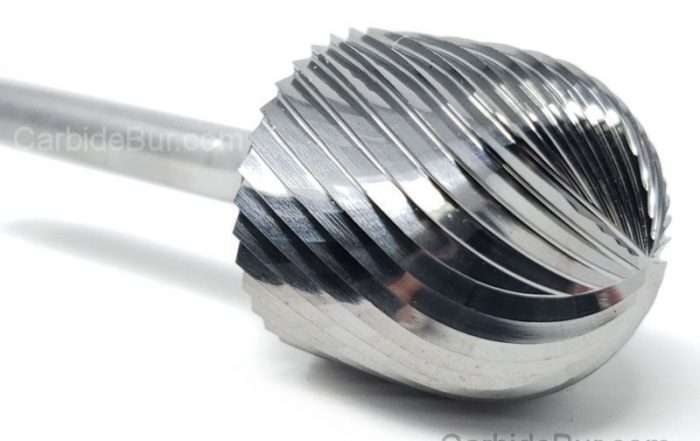
How to Use Carbide Burrs for Port Matching
How to Use Carbide Burrs for Port Matching Most engine builds hit a wall when airflow doesn’t flow smoothly between the ports and manifolds. If your engine isn’t breathing right, your performance stalls. Using the [...]
Best Carbide Burr for Porting Intake Manifolds
Best Carbide Burr for Porting Intake Manifolds Porting intake manifolds can make or break your engine’s airflow, yet many struggle with the right tools for the job. Choosing the best carbide burrs is key to [...]
Best Carbide Burr for Concave Surfaces
Best Carbide Burr for Concave Surfaces Concave surfaces can turn a straightforward project into a frustrating challenge if you don’t have the right tool. Carbide burrs designed for these tricky curves make all the difference [...]
How to Grind a Slot in Metal With a Carbide Burr
How to Grind a Slot in Metal With a Carbide Burr Grinding a precise slot in metal can feel like a tricky task, especially if you’re unsure which tools to trust. Carbide burr grinding offers [...]

Best Carbide Burr for Inside Corners
Best Carbide Burr for Inside Corners Working in tight inside corners can turn even simple projects into frustrating tasks. Many carbide burrs just don’t fit or cut cleanly where you need them most. The best [...]
What Size Carbide Burr Do I Need?
What Size Carbide Burr Do I Need? Picking the wrong carbide burr can turn a simple project into a frustrating mess. You might have the best machining tools but still miss the mark if your [...]
