
Mastering Deburring: Choosing the Right Carbide Burr for Aluminum
Carbide bur clogging can turn a quick deburring task into a frustrating mess. When you work with aluminum, those soft, sticky chips build up fast, slowing your progress. Choosing an aluminum cutting bur with wider flutes and tweaking your speed and pressure makes a big difference. Plus, regular bur maintenance keeps your tools sharp and your workflow smooth. For more information on high-quality carbide tools, visit this link.
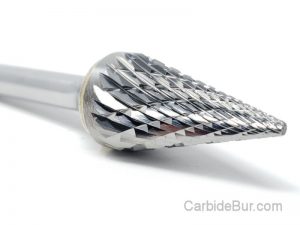
Click here to see our entire selection of USA made carbide bur tools
Understanding Carbide Burr Clogging
Let’s explore why carbide burrs tend to clog up, especially with aluminum. This knowledge will help you prevent annoying interruptions in your workflow.
Causes of Clogging in Aluminum
When working with aluminum, clogging becomes a frequent issue. This happens because aluminum is soft and tends to stick. As you cut, small chips accumulate, obstructing the bur’s flutes. This isn’t just an inconvenience—it can affect your tool’s performance. To tackle this, focus on using burs with wider flutes. These are designed to handle the chip load better, allowing for smoother operations.
Importance of Chip Evacuation
Effective chip evacuation is crucial for maintaining productivity. When chips aren’t cleared, they build up fast, impacting your work quality. Proper chip evacuation means using the right tools. Wide-fluted burs work best for aluminum, as they allow chips to exit quickly. Keeping your workspace clean reduces friction, resulting in a better finish. You can learn more about these tools here.
Choosing the Right Burr Design
Selecting the right burr design is a game-changer. Look for burs made specifically for aluminum to minimize clogging. These burs have unique designs that prevent chip accumulation. Pay attention to flute design—wider flutes improve chip flow. Remember, choosing the right tool saves you time and reduces frustration. For a selection of quality burrs, check out this resource.
Effective Deburring Techniques
With the basics covered, let’s move to techniques that enhance your deburring process. These methods focus on speed, tool selection, and reducing clogs.
Optimal Speed and Pressure Settings
Using the right speed and pressure is vital. Too fast, and you risk overheating; too slow, and you clog the tool. Aim for a balance. Start with a moderate speed and apply light pressure. Adjust as needed based on the material response. This method helps maintain tool efficiency and prolongs its life. Fine-tuning these settings ensures a smoother, quicker job.
Selecting the Best Aluminum Cutting Burr
Finding the best aluminum cutting burr requires careful selection. Look for burs specifically labeled for aluminum use. They have the right flute geometry for effective chip clearing. Quality matters—choose American-made tools for reliability and performance. For a reliable set, explore this recommended option.
Reducing Clogging During Deburring
Reducing clogging is about smart practices and careful choices. Regularly clean your burs with a wire brush to prevent buildup. Adjusting your technique, like altering speeds and using adequate lubrication, makes a difference. Consistent tool maintenance and proper handling improve your results significantly.
Essential Burr Maintenance Tips
Tool maintenance is pivotal in preventing clogging and ensuring longevity. Let’s cover some key maintenance practices.
Cleaning Methods for Longevity
Cleaning your burr regularly is essential. Use a wire brush to remove stuck debris after each session. This prolongs tool life and keeps it performing at its best. A clean tool cuts more efficiently and reduces the chance of clogging. For a detailed guide on tool care, visit this site.
Identifying Carbide Burr Shapes for Deburring
Each task may require a different burr shape. Understand the variety of shapes available and their uses. Conical, cylindrical, and ball-shaped burs serve different purposes. Knowing the right shape for your task optimizes performance. This knowledge helps you tackle any deburring job with the right tool.
Building Your Carbide Burr Set
A well-rounded carbide burr set is invaluable. Start with a few essential shapes and sizes, then expand as your needs grow. Investing in a quality set from a reliable brand ensures you’re prepared for any task. Having the right tools on hand boosts your confidence and efficiency.
By understanding these aspects, you can keep your workflow smooth and efficient. Remember, the right tools and techniques make all the difference in mastering deburring.
Click here to see our entire selection of USA made carbide bur tools
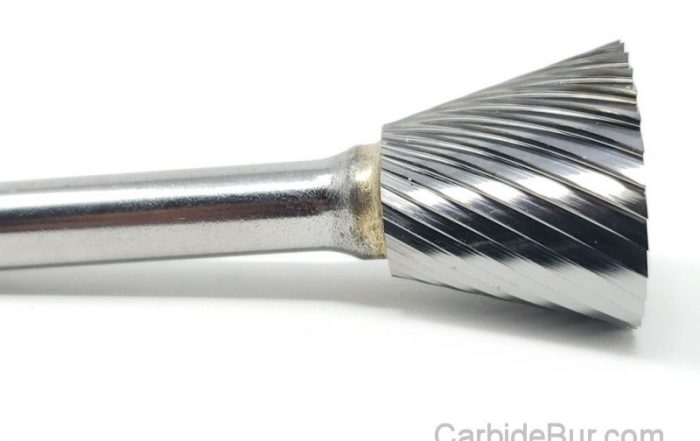
1/8 vs 1/4 Inch Carbide Burrs: What’s the Difference?
1/8 vs 1/4 Inch Carbide Burrs: What's the Difference? Choosing between a 1/8 inch carbide burr and a 1/4 inch carbide burr can change how your project turns out. Many machinists and hobbyists overlook how [...]

Best Carbide Burr for Removing Flash From Castings
Best Carbide Burr for Removing Flash From Castings Removing flash from castings is a task that can slow down your entire metalworking process if you don’t have the right tools. Picking the best carbide burr [...]
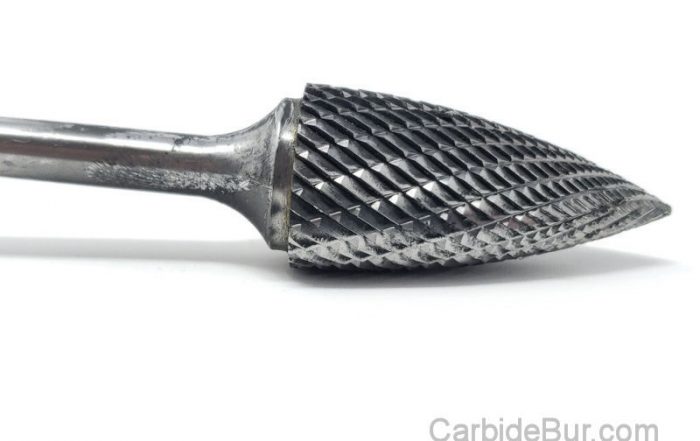
What RPM Should You Use for a 1/4 Inch Carbide Burr?
What RPM Should You Use for a 1/4 Inch Carbide Burr? Most machinists guess the right speed for a 1/4 inch carbide burr and hope for the best. Using the wrong carbide burr RPM can [...]
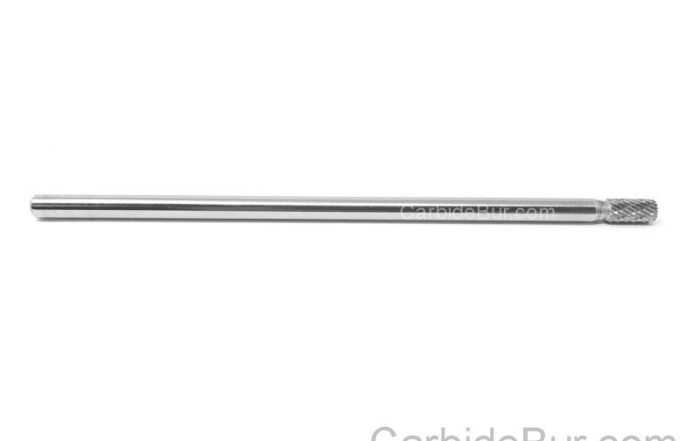
Long Shank Carbide Burrs: When Do You Need One?
Long Shank Carbide Burrs: When Do You Need One? Most machinists overlook the power of long shank carbide burrs until a project demands precision in tight spaces. When your usual tools can’t reach intricate contours, [...]
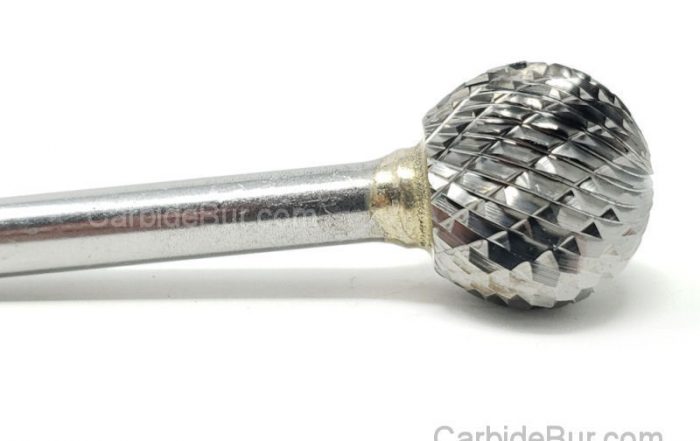
How Deep Can a Carbide Burr Cut Metal?
How Deep Can a Carbide Burr Cut Metal? Carbide burrs often get praised for their precision, but many users hit a wall wondering how deep they can actually cut metal. The truth is, cutting depth [...]
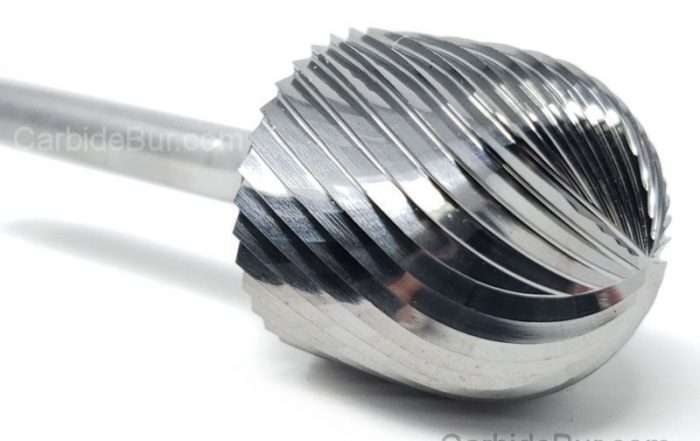
How to Use Carbide Burrs for Port Matching
How to Use Carbide Burrs for Port Matching Most engine builds hit a wall when airflow doesn’t flow smoothly between the ports and manifolds. If your engine isn’t breathing right, your performance stalls. Using the [...]
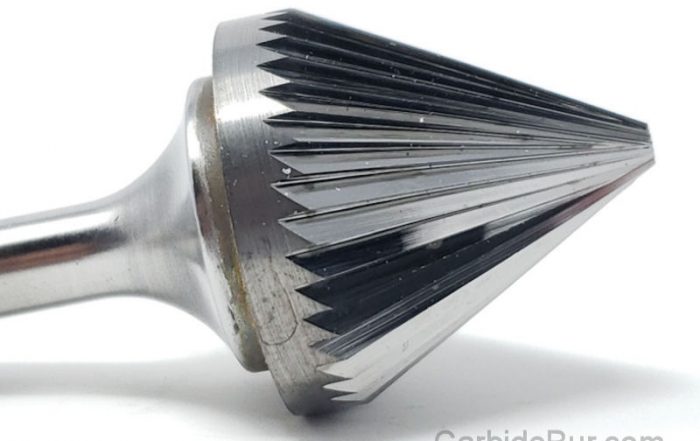
Best Carbide Burr for Porting Intake Manifolds
Best Carbide Burr for Porting Intake Manifolds Porting intake manifolds can make or break your engine’s airflow, yet many struggle with the right tools for the job. Choosing the best carbide burrs is key to [...]
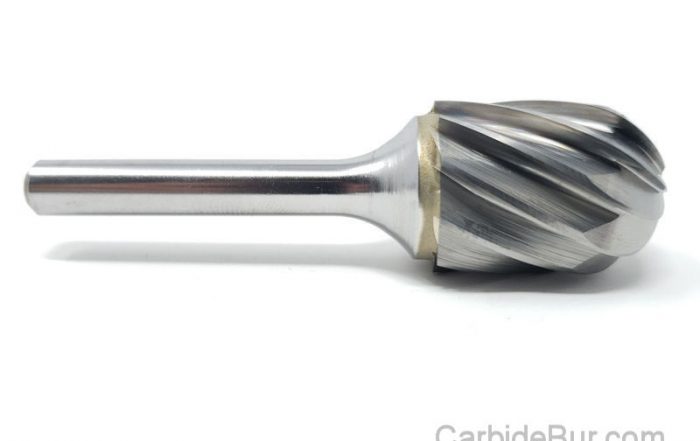
Best Carbide Burr for Concave Surfaces
Best Carbide Burr for Concave Surfaces Concave surfaces can turn a straightforward project into a frustrating challenge if you don’t have the right tool. Carbide burrs designed for these tricky curves make all the difference [...]
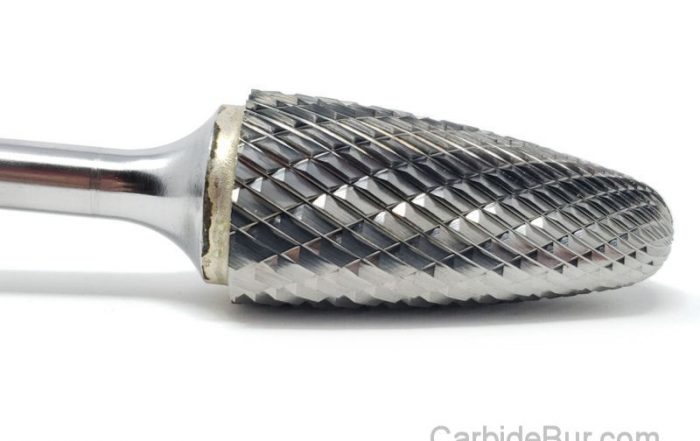
How to Grind a Slot in Metal With a Carbide Burr
How to Grind a Slot in Metal With a Carbide Burr Grinding a precise slot in metal can feel like a tricky task, especially if you’re unsure which tools to trust. Carbide burr grinding offers [...]

Best Carbide Burr for Inside Corners
Best Carbide Burr for Inside Corners Working in tight inside corners can turn even simple projects into frustrating tasks. Many carbide burrs just don’t fit or cut cleanly where you need them most. The best [...]
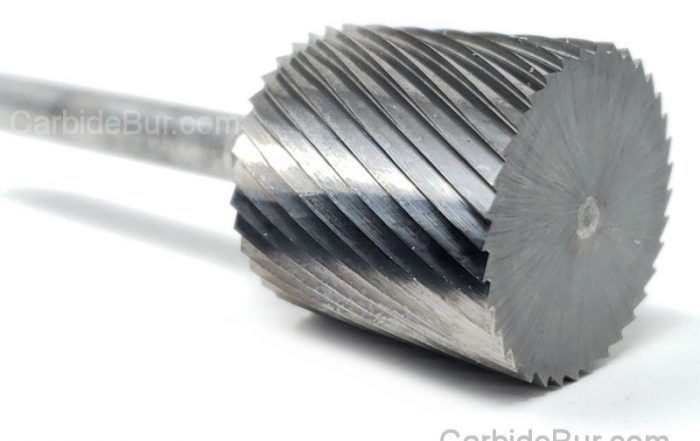
What Size Carbide Burr Do I Need?
What Size Carbide Burr Do I Need? Picking the wrong carbide burr can turn a simple project into a frustrating mess. You might have the best machining tools but still miss the mark if your [...]
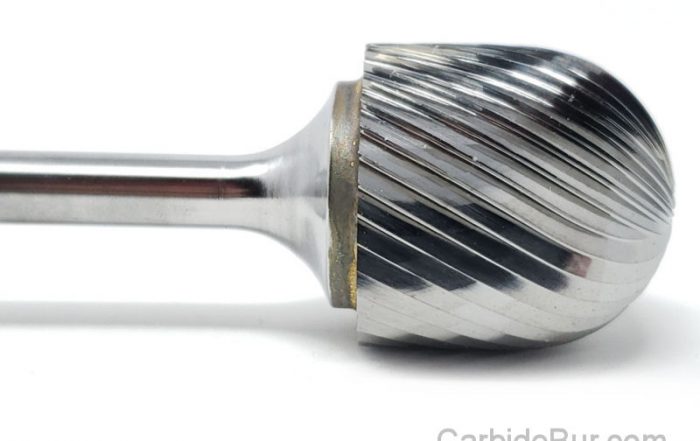
How to Smooth Sharp Metal Edges With a Carbide Burr
How to Smooth Sharp Metal Edges With a Carbide Burr Sharp metal edges can turn your project from professional to risky in seconds. If you’ve struggled with smoothing metal edges without scratching or weakening the [...]
