
The Ultimate Guide to Using Carbide Burs for Precise Deburring
Most metalworkers mess up by pushing too hard with carbide burs, causing breakage or annoying chatter. Running your tool at the wrong speed only heats things up and ruins the finish. Picking the wrong burr shape or skipping safety gear puts you at risk and wastes time. Learn how to spot these deburring mistakes and get the right technique down for cleaner, safer results with your carbide burr for deburring. For more insights, you can check out this resource.
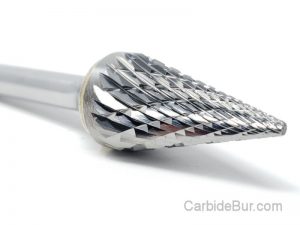
Click here to see our entire selection of USA made carbide bur tools
Common Deburring Mistakes
Understanding the common pitfalls in deburring can save you time and money. Let’s explore some frequent mistakes and how to avoid them.
Excessive Pressure in Machining
Pushing too hard with carbide burs is a common error. Carbide is brittle, and excessive force can lead to breakage. Imagine a carpenter trying to force a dull saw through wood. Instead of a clean cut, you get splinters and uneven edges.
-
Light pressure ensures a clean cut.
-
Avoid chatter by letting the tool do the work.
A gentle hand prevents damage and produces smoother results.
Incorrect Speed Issues
Using the wrong speed is another frequent mistake. High speeds can cause heat buildup, damaging both the tool and the workpiece. Imagine running a car engine at full throttle all the time. It overheats and wears out quickly.
-
Maintain optimal speed for your material.
-
Adjust settings based on material thickness.
Correct speed leads to better finishes and longer tool life.
Wrong Carbide Burr Shapes
Selecting the wrong burr shape can hinder your progress. Different shapes are designed for specific tasks. Using a cylinder-shaped burr in tight corners is like trying to fit a square peg in a round hole.
-
Match the shape to the task.
-
Use pointed shapes for detailed work.
Choosing the right shape ensures precision and efficiency. For more information on selecting the correct burr shapes, visit CarbideBur.com.
Essential Deburring Tools
Having the right deburring tools at your disposal makes all the difference. Let’s delve into what you need to achieve the best results.
Choosing the Right Carbide Burs
Selecting the right carbide burs is crucial. High-quality burs cut cleaner and last longer. Think of them as the sharpest knife in the drawer. They make the task easier and more effective.
-
Ensure burs are high-quality.
-
Select burs based on material type.
Better burs mean cleaner cuts and longer tool life.
Die Grinder Bits for Deburring
Die grinders are a staple in the deburring process. The right bits make a significant impact. Picture using the correct-sized wrench on a bolt—it’s snug and efficient.
-
Choose bits that fit snugly.
-
Ensure compatibility with your tool.
Correct bits lead to precision and less wear on the tool. More insights can be found at Carbide Burr.
Selecting a Carbide Burr Set
A complete set provides versatility for various tasks. Picture a toolbox filled with just the tools you need.
-
Choose sets with diverse shapes.
-
Ensure sets are suited for different materials.
Having a complete set ensures you’re prepared for any job.
Metalworking Safety Tips
Safety is paramount in metalworking. Ensuring you and your workspace are safe can prevent accidents and enhance productivity.
Importance of Safety Gear
Safety gear is your first line of defense. Wearing gloves and eye protection shields you from debris and accidents. Imagine a knight going into battle without armor—it’s risky and unwise.
-
Always wear gloves and goggles.
-
Consider ear protection for loud tools.
Safety gear protects and allows you to focus on the task.
Secure Your Workpiece
Securing your workpiece is essential to avoid accidents. A loose piece is unpredictable, much like a moving target.
-
Use clamps to hold workpieces firmly.
-
Ensure stability before starting.
Secured workpieces lead to precise cuts and safer operations. For additional safety tips, you can read more here.
By following these guidelines, you can achieve cleaner and safer results with your carbide burrs. Remember, the right tools and techniques make all the difference in metalworking.
Click here to see our entire selection of USA made carbide bur tools
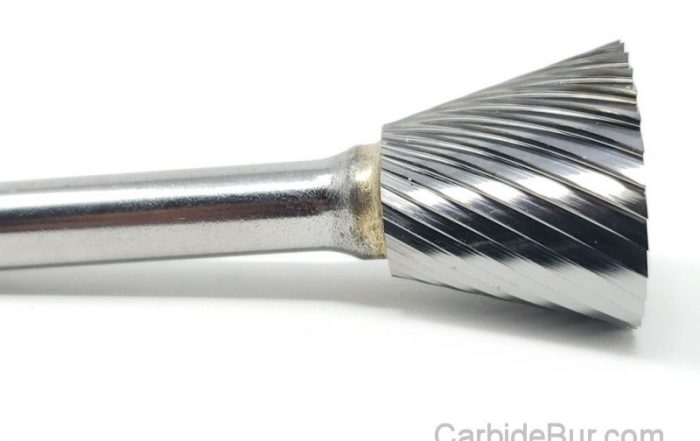
1/8 vs 1/4 Inch Carbide Burrs: What’s the Difference?
1/8 vs 1/4 Inch Carbide Burrs: What's the Difference? Choosing between a 1/8 inch carbide burr and a 1/4 inch carbide burr can change how your project turns out. Many machinists and hobbyists overlook how [...]
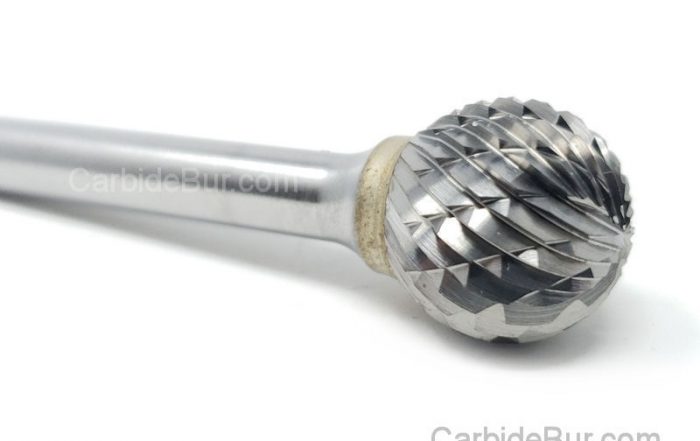
Best Carbide Burr for Removing Flash From Castings
Best Carbide Burr for Removing Flash From Castings Removing flash from castings is a task that can slow down your entire metalworking process if you don’t have the right tools. Picking the best carbide burr [...]
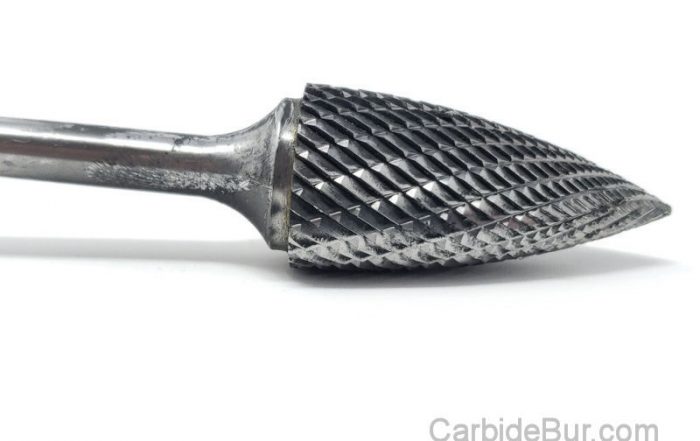
What RPM Should You Use for a 1/4 Inch Carbide Burr?
What RPM Should You Use for a 1/4 Inch Carbide Burr? Most machinists guess the right speed for a 1/4 inch carbide burr and hope for the best. Using the wrong carbide burr RPM can [...]
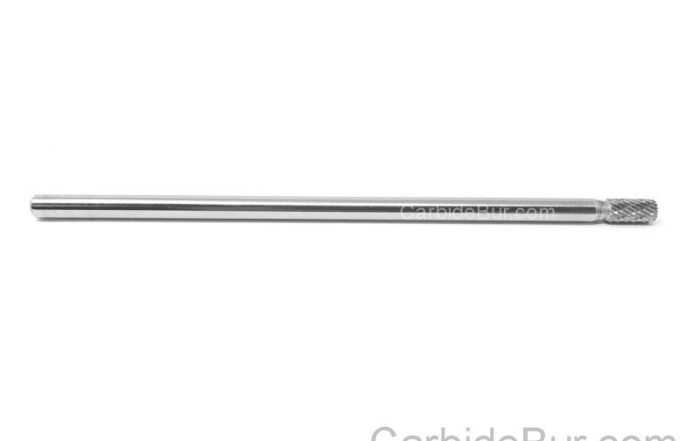
Long Shank Carbide Burrs: When Do You Need One?
Long Shank Carbide Burrs: When Do You Need One? Most machinists overlook the power of long shank carbide burrs until a project demands precision in tight spaces. When your usual tools can’t reach intricate contours, [...]
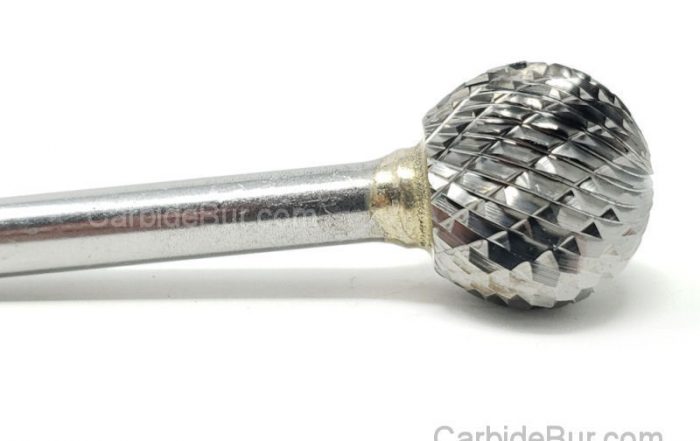
How Deep Can a Carbide Burr Cut Metal?
How Deep Can a Carbide Burr Cut Metal? Carbide burrs often get praised for their precision, but many users hit a wall wondering how deep they can actually cut metal. The truth is, cutting depth [...]
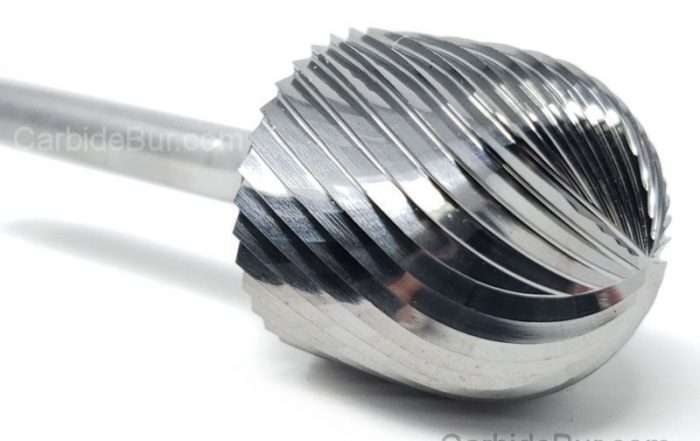
How to Use Carbide Burrs for Port Matching
How to Use Carbide Burrs for Port Matching Most engine builds hit a wall when airflow doesn’t flow smoothly between the ports and manifolds. If your engine isn’t breathing right, your performance stalls. Using the [...]
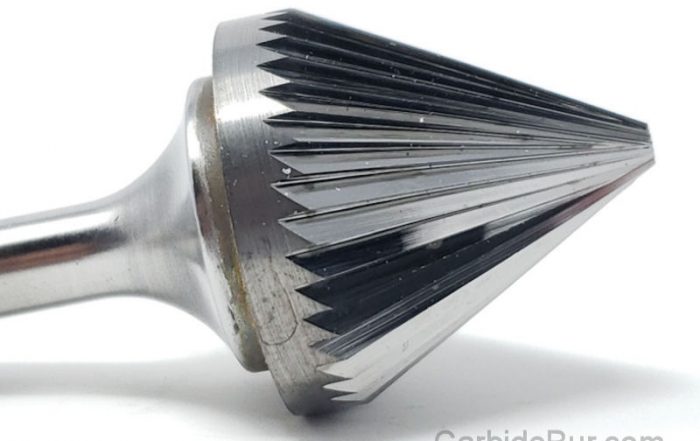
Best Carbide Burr for Porting Intake Manifolds
Best Carbide Burr for Porting Intake Manifolds Porting intake manifolds can make or break your engine’s airflow, yet many struggle with the right tools for the job. Choosing the best carbide burrs is key to [...]
Best Carbide Burr for Concave Surfaces
Best Carbide Burr for Concave Surfaces Concave surfaces can turn a straightforward project into a frustrating challenge if you don’t have the right tool. Carbide burrs designed for these tricky curves make all the difference [...]
How to Grind a Slot in Metal With a Carbide Burr
How to Grind a Slot in Metal With a Carbide Burr Grinding a precise slot in metal can feel like a tricky task, especially if you’re unsure which tools to trust. Carbide burr grinding offers [...]

Best Carbide Burr for Inside Corners
Best Carbide Burr for Inside Corners Working in tight inside corners can turn even simple projects into frustrating tasks. Many carbide burrs just don’t fit or cut cleanly where you need them most. The best [...]
What Size Carbide Burr Do I Need?
What Size Carbide Burr Do I Need? Picking the wrong carbide burr can turn a simple project into a frustrating mess. You might have the best machining tools but still miss the mark if your [...]
How to Smooth Sharp Metal Edges With a Carbide Burr
How to Smooth Sharp Metal Edges With a Carbide Burr Sharp metal edges can turn your project from professional to risky in seconds. If you’ve struggled with smoothing metal edges without scratching or weakening the [...]
