
Elevate Your Engine Tuning Skills: Precision Porting Tips with Carbide Burrs and Die Grinders
Forget everything you think you know about cylinder head porting. Many enthusiasts waste hours with the wrong tools and techniques, missing out on real airflow gains. This guide breaks down how to use carbide burrs and die grinder techniques for sharp precision and top-tier engine tuning results. Explore more tools and techniques.
Click here for our entire selection of carbide bur tools
Mastering Cylinder Head Porting
Unlocking the secrets of cylinder head porting can transform your engine performance. It all starts with understanding the right tools and techniques. Let’s dive into the essentials.
Understanding Carbide Burr Shapes
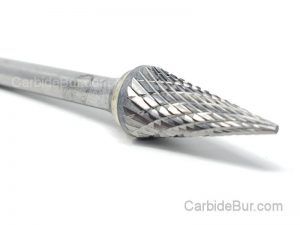
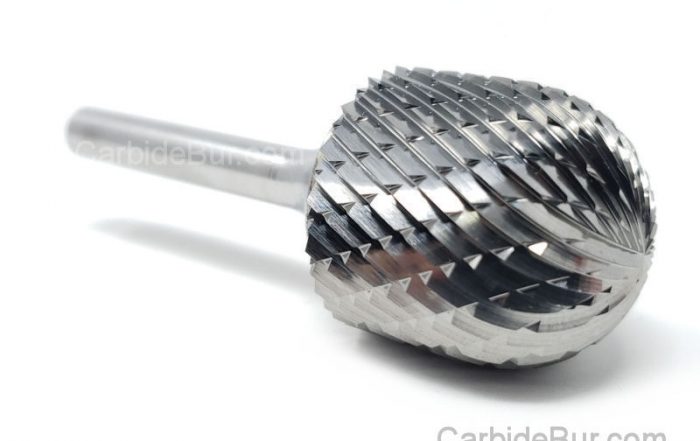
The shape of your carbide burr plays a crucial role in achieving precise porting results. Different shapes cater to different needs. For example, a cylinder shape is ideal for flat surfaces, while a ball shape works wonders in rounded areas. By choosing the perfect shape, you tailor each cut to enhance airflow. Imagine using a cone shape to reach those tight corners—you’re gaining control over every detail. Learn more about these shapes here.
Choosing the Right Burr Size
Picking the right burr size is just as critical. A small burr allows for detailed work, letting you navigate intricate sections of the head. Larger burrs cover more area quickly, perfect for broader strokes. As you get more comfortable, you’ll find the balance between size and control. Remember, each engine is unique, so adapt your approach accordingly. Check out available options on eBay.
Enhancing Airflow and Performance
Boosting engine performance starts with understanding airflow dynamics. By strategically removing material, you can increase the volume of air passing through the cylinder head. This process isn’t just about power—it’s about efficiency, too. Imagine the satisfaction of squeezing every bit of potential from your engine. It’s all about precision and attention to detail.
Die Grinder Techniques for Precision
You’ve grasped the basics of burrs; now it’s time to wield your die grinder like a pro. Mastering this tool will refine your porting skills.
Tips for Precision Control
Achieving control requires practice and patience. Start with a steady hand and a firm grip. It’s crucial to maintain a consistent speed to avoid mistakes. Always wear protective gear; safety is paramount. As you gain confidence, you’ll notice smoother cuts and cleaner finishes. These small adjustments make a world of difference in your results.
Achieving Professional-Quality Results
Professional-quality porting is within reach with the right techniques. Focus on consistency and patience. Avoid rushing the process. Use a light touch to avoid gouging the material, and let the grinder do the work. Over time, you’ll recognize the subtleties that separate amateur results from professional accomplishments. Explore your potential with precision control strategies.
Essential Porting Tips for Success
With a firm grasp on techniques, enhance your results by focusing on the finer details of porting.
Selecting a Carbide Burr Set
A complete carbide burr set equips you for every challenge. Select a set that includes various shapes and sizes to cover all porting scenarios. Having the right tool at the right time is invaluable. This collection becomes your best friend during the porting process, allowing for flexibility and adaptability.
Finishing Touches with Dental Carbide Burs
Once you’ve achieved the desired shape, it’s time to refine the surface. Dental carbide burs offer the finesse needed for a smooth finish. These burs are designed for precision, giving you the control to perfect your work. A polished finish not only looks professional but also maximizes airflow efficiency.
In conclusion, mastering cylinder head porting with carbide burrs and a die grinder opens a world of performance enhancements. With the right tools and techniques, you can transform your engine. Embrace the process, practice precision, and enjoy the results. Your engine will thank you for it.
Click here for our entire selection of carbide bur tools
Carbide Burr Safety: 15 Mistakes That Can Cause Injury or Damage
Carbide Burr Safety: 15 Mistakes That Can Cause Injury or Damage Carbide burr safety is often overlooked until a costly mistake happens. Many metalworkers and DIYers make the same errors that lead to injuries or [...]
Can You Use a Carbide Burr in a Drill?
Can You Use a Carbide Burr in a Drill? Most people think a standard drill can’t handle a carbide burr, but that’s not true. Using carbide burr in the right drill can speed up your [...]
Carbide Burrs for Removing Rust: What Works Best?
Carbide Burrs for Removing Rust: What Works Best? Rust can turn your favorite tools into useless junk faster than you expect. Removing it without ruining the metal underneath takes more than just elbow grease—it demands [...]
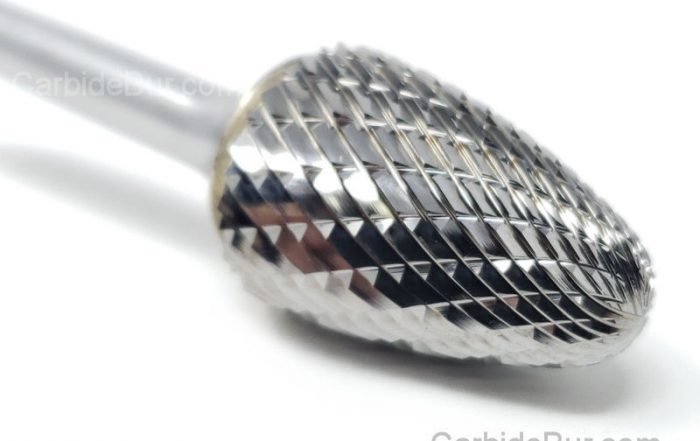
How Much Pressure Should You Use With a Carbide Burr?
How Much Pressure Should You Use With a Carbide Burr? Most people think pressing harder with a carbide burr speeds up the job. That’s not true—too much pressure wears out your tool and ruins the [...]
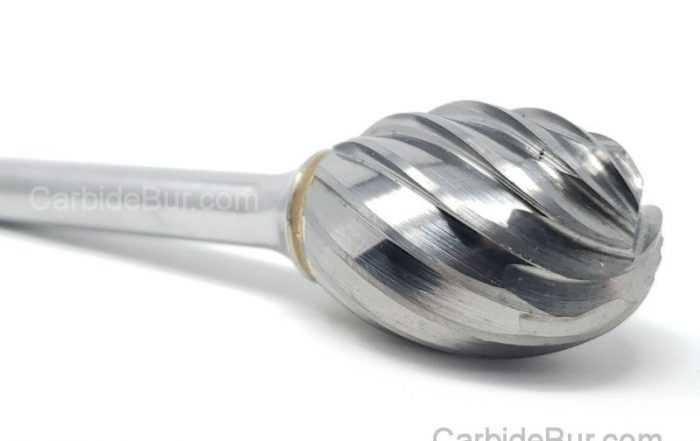
Can You Use Carbide Burrs With an Air Die Grinder?
Can You Use Carbide Burrs With an Air Die Grinder? Most people don’t realize how well carbide burrs work with air die grinders until they try them. If you’ve ever struggled with finding the right [...]
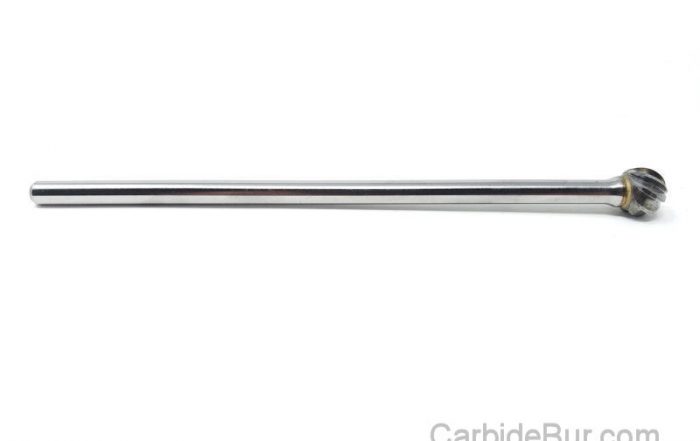
Best Long Reach Carbide Burr for Deep Metal Work
Best Long Reach Carbide Burr for Deep Metal Work Long reach carbide burrs often promise deep metal access, but many fall short where it counts most. You need a tool that cuts cleanly, lasts through [...]
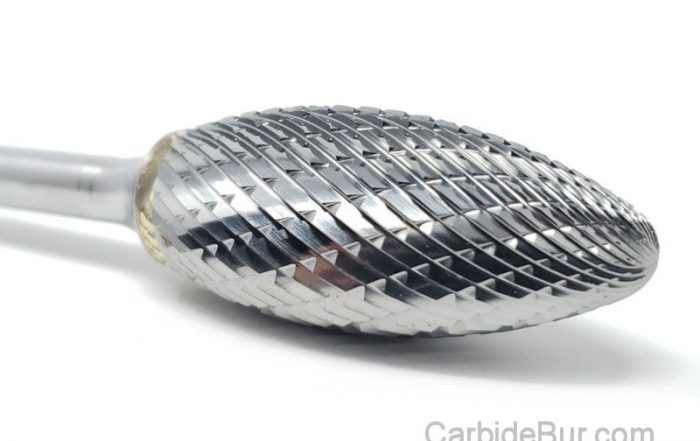
What RPM Should You Use for a 1/8 Inch Carbide Burr?
What RPM Should You Use for a 1/8 Inch Carbide Burr? Most people guess the right carbide burr RPM by feel—and waste hours redoing work. If you want cleaner cuts and longer tool life, your [...]
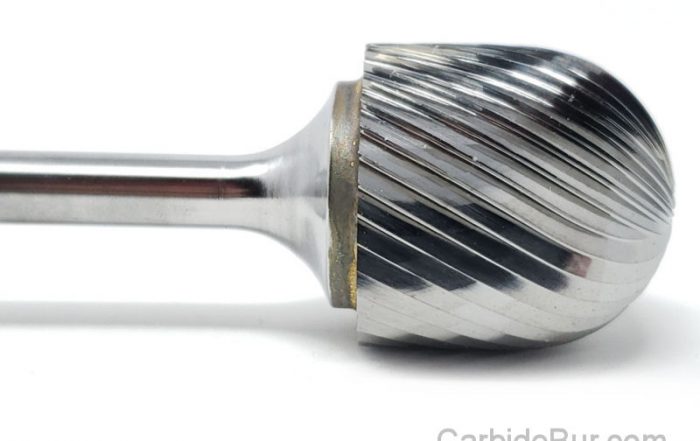
Carbide Burrs for Tight Spaces: Choosing the Right Shape
Carbide Burrs for Tight Spaces: Choosing the Right Shape Tackling tight spaces with the wrong carbide burrs wastes time and risks damaging your work. Choosing the right burr shape makes all the difference when working [...]
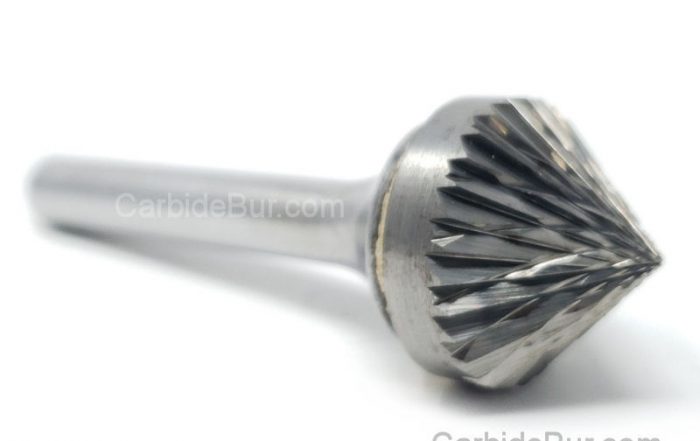
Can Carbide Burrs Remove Paint From Metal?
Can Carbide Burrs Remove Paint From Metal? Stripping paint from metal often feels like a tough chore that risks damaging the surface underneath. Many turn to carbide burrs hoping they can speed things up without [...]
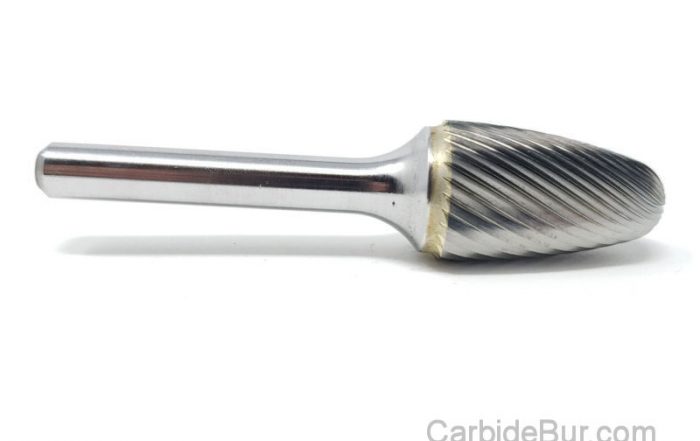
How to Grind a Groove in Metal With a Carbide Burr
How to Grind a Groove in Metal With a Carbide Burr Most metalworkers struggle to cut clean grooves without wasting time or ruining their workpiece. Many try different metalworking tools but end up with uneven [...]
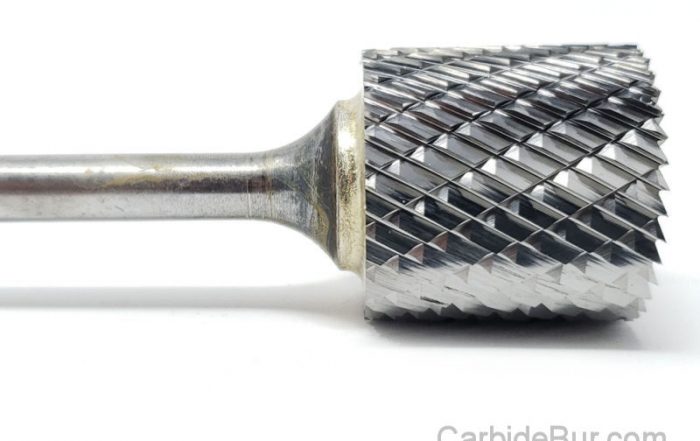
Can Carbide Burrs Cut Through Welds?
Can Carbide Burrs Cut Through Welds? Cutting through welds can feel like a battle, especially when you need clean results without harming the base metal. Carbide burrs offer a sharp edge in this fight, but [...]
How to Use a Carbide Burr With a Die Grinder
How to Use a Carbide Burr With a Die Grinder Most people treat a carbide burr like just another tool, but using it with a die grinder takes skill. If you’ve struggled with burr installation [...]
