
Grinding Tools Showdown: Choosing Between Carbide Burrs and Flap Wheels for Your Projects
Picking the right grinding tool can make or break your project. You might be torn between a carbide burr and a flap wheel, unsure which fits your needs best. This tool comparison breaks down how each handles material removal, surface finish quality, and application versatility so you can choose the perfect match for your metalworking tasks. For more details, check out this source.
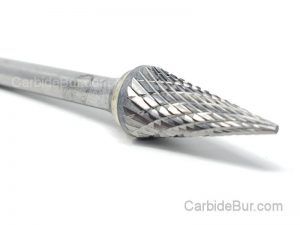
Click here for our entire selection of carbide bur tools
Carbide Burrs: Precision and Power
When precision and power are a must, carbide burrs stand out. Let’s explore what makes them a top choice for many.
Material Removal Capabilities
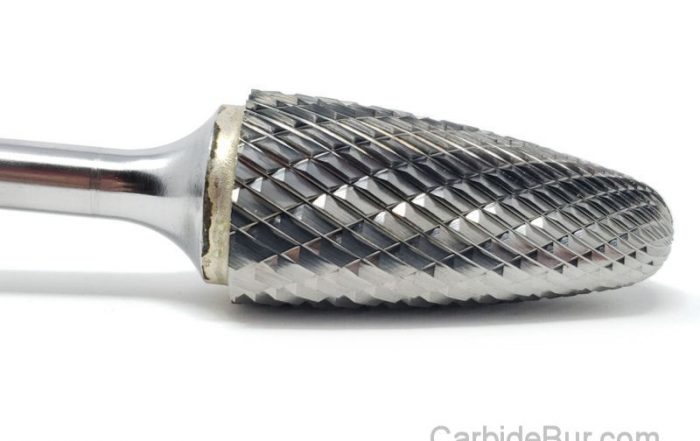
Carbide burrs excel at removing material with great speed and accuracy. These tools use sharp cutting edges to carve through metal, leaving a clean edge. With a tungsten carbide burr, you can tackle even the toughest metals.
-
Speed and Efficiency: Carbide burrs cut through materials like aluminum, steel, and cast iron swiftly.
-
Durability: Made from robust materials, they handle wear and tear better than most.
If you need to remove material fast without sacrificing precision, carbide burrs are your go-to solution. They offer an edge over other tools with their dual ability to cut and shape.
Surface Finish Quality
One of the standout features of carbide burrs is their ability to provide a smooth finish. This makes them popular for tasks that require high-quality results.
A carbide burr set allows you to achieve various textures, from rough to fine. Its versatility in finishing makes it ideal for detailed work. Whether you’re a professional or a hobbyist, you’ll appreciate the superior finish these burrs deliver.
A little-known fact: Most people assume that rough material removal means a rough finish. But with carbide burrs, you get both material removal and a refined surface.
Flap Wheels: Versatility and Flexibility
As you consider your options, the adaptability of flap wheels can’t be ignored. They bring versatility to any project.
Application Versatility
Flap wheels shine in their broad application range. Whether you’re sanding, grinding, or finishing, they can handle it all.
-
Adaptable Design: With multiple flaps made of abrasive material, they conform to the workpiece.
-
Variety of Uses: Perfect for blending, deburring, and cleaning.
Their ability to work on varied surfaces makes them indispensable. Unlike other tools, flap wheels adapt to intricate shapes and curves with ease, ensuring an even finish across different materials.
Surface Finish Quality
The secret to flap wheels’ success lies in their surface finish capabilities. They leave a polished look that’s hard to beat.
Flap wheels create a consistent finish, ideal for projects needing a uniform appearance. Their ability to blend and smooth makes them a favorite in metalworking. For more on how flap wheels compare, check out this comparison.
Choosing the Right Tool for the Job
Deciding between these tools depends on your specific needs. Here’s how to make the best choice.
Project-Specific Considerations
Every project has unique requirements. Consider the material you’re working with and the desired outcome.
-
Metal Type: Hard metals may require carbide burrs, while softer materials might suit flap wheels.
-
Finish Desired: For a polished finish, flap wheels are unbeatable.
Understanding these factors helps you select the right tool. Remember, the longer you wait to make a choice, the more your project timeline might extend.
Professional vs. DIY Needs
Whether you’re a seasoned pro or a DIY enthusiast, your needs differ.
-
For Pros: Speed and precision are key. Carbide burrs offer that edge.
-
For DIYers: Flexibility and ease of use make flap wheels appealing.
Most people think only professionals need top-tier tools, but even DIYers can benefit from the right equipment. For more insights on tool differences, visit this source.
The choice between carbide burrs and flap wheels boils down to your specific project needs and goals. Understanding the strengths of each tool ensures that you pick the best tool for the task at hand.
Click here for our entire selection of carbide bur tools
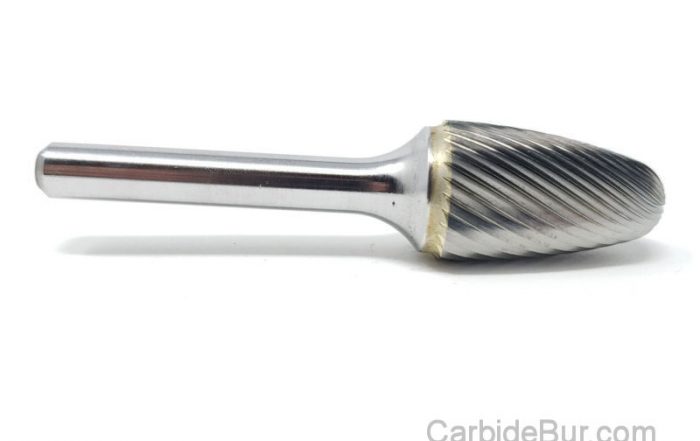
How to Grind a Groove in Metal With a Carbide Burr
How to Grind a Groove in Metal With a Carbide Burr Most metalworkers struggle to cut clean grooves without wasting time or ruining their workpiece. Many try different metalworking tools but end up with uneven [...]
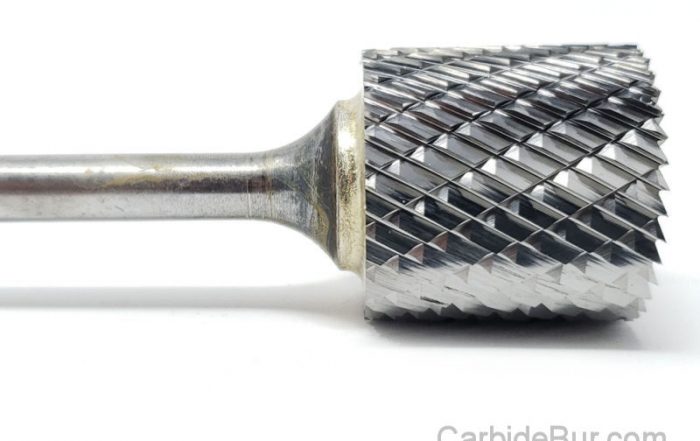
Can Carbide Burrs Cut Through Welds?
Can Carbide Burrs Cut Through Welds? Cutting through welds can feel like a battle, especially when you need clean results without harming the base metal. Carbide burrs offer a sharp edge in this fight, but [...]
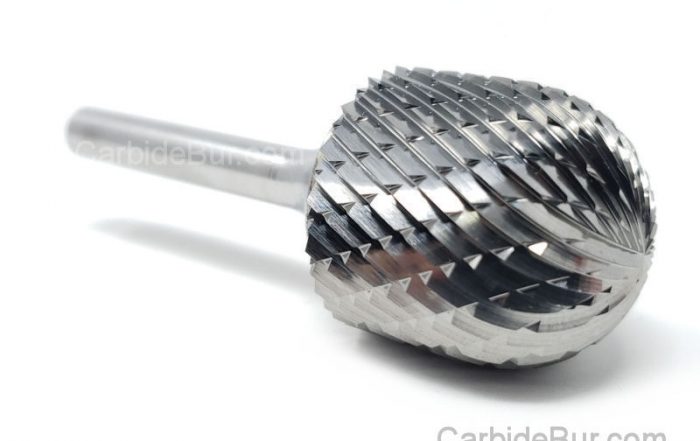
How to Use a Carbide Burr With a Die Grinder
How to Use a Carbide Burr With a Die Grinder Most people treat a carbide burr like just another tool, but using it with a die grinder takes skill. If you’ve struggled with burr installation [...]
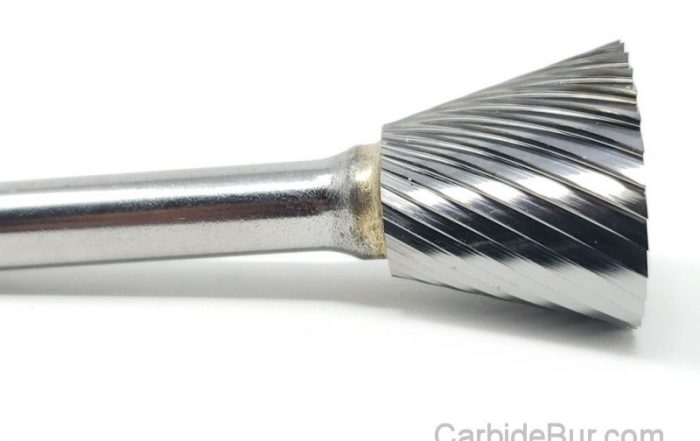
1/8 vs 1/4 Inch Carbide Burrs: What’s the Difference?
1/8 vs 1/4 Inch Carbide Burrs: What's the Difference? Choosing between a 1/8 inch carbide burr and a 1/4 inch carbide burr can change how your project turns out. Many machinists and hobbyists overlook how [...]
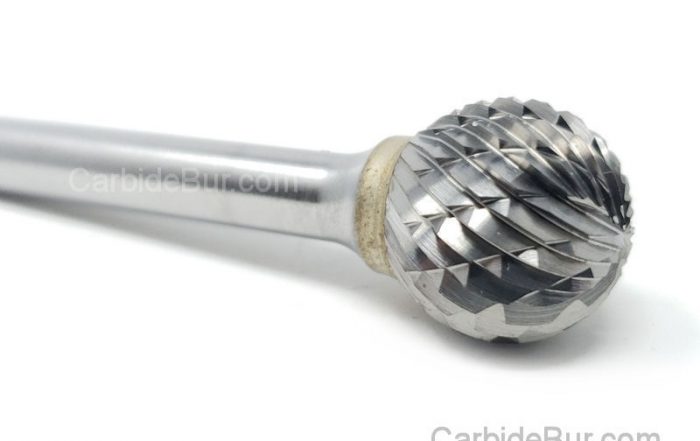
Best Carbide Burr for Removing Flash From Castings
Best Carbide Burr for Removing Flash From Castings Removing flash from castings is a task that can slow down your entire metalworking process if you don’t have the right tools. Picking the best carbide burr [...]
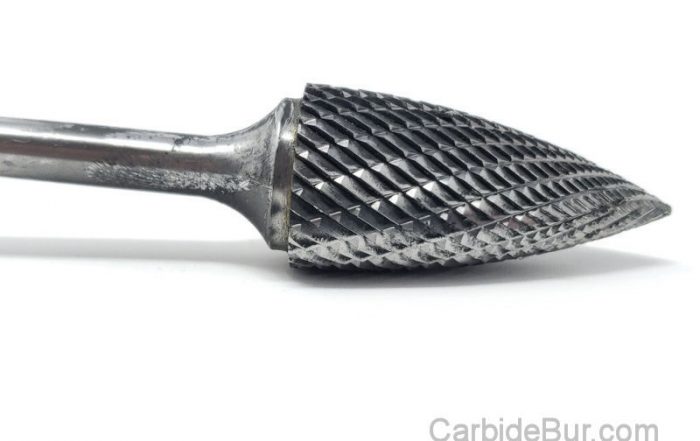
What RPM Should You Use for a 1/4 Inch Carbide Burr?
What RPM Should You Use for a 1/4 Inch Carbide Burr? Most machinists guess the right speed for a 1/4 inch carbide burr and hope for the best. Using the wrong carbide burr RPM can [...]
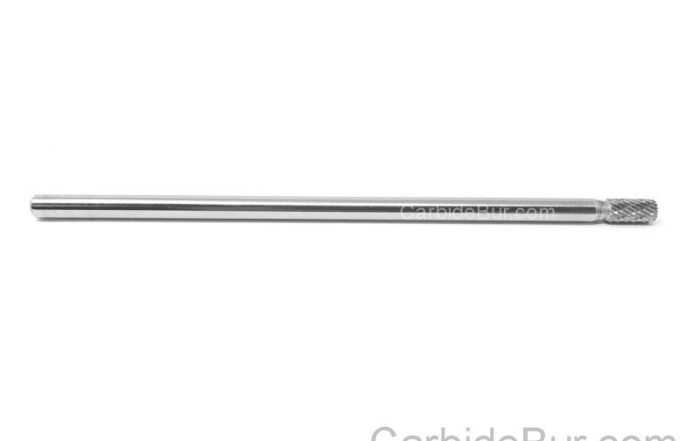
Long Shank Carbide Burrs: When Do You Need One?
Long Shank Carbide Burrs: When Do You Need One? Most machinists overlook the power of long shank carbide burrs until a project demands precision in tight spaces. When your usual tools can’t reach intricate contours, [...]
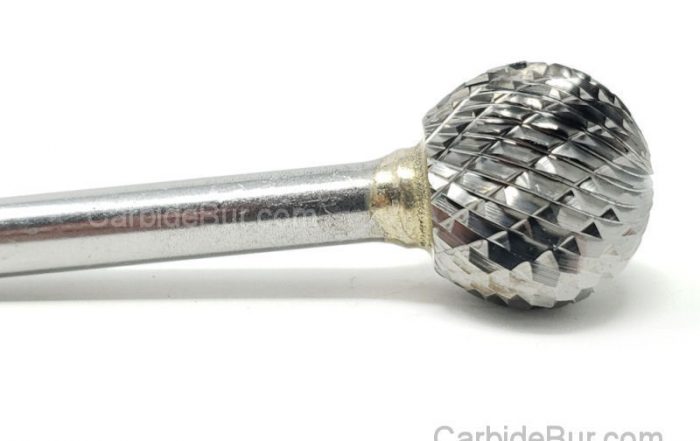
How Deep Can a Carbide Burr Cut Metal?
How Deep Can a Carbide Burr Cut Metal? Carbide burrs often get praised for their precision, but many users hit a wall wondering how deep they can actually cut metal. The truth is, cutting depth [...]
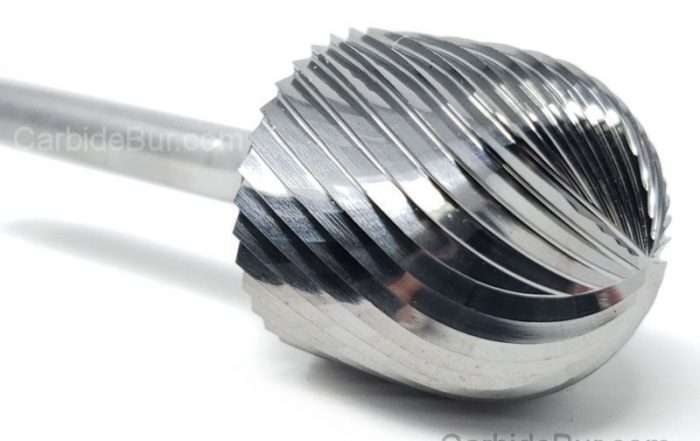
How to Use Carbide Burrs for Port Matching
How to Use Carbide Burrs for Port Matching Most engine builds hit a wall when airflow doesn’t flow smoothly between the ports and manifolds. If your engine isn’t breathing right, your performance stalls. Using the [...]
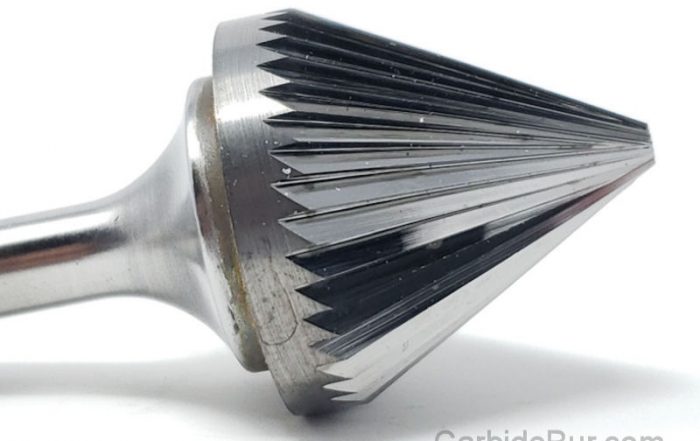
Best Carbide Burr for Porting Intake Manifolds
Best Carbide Burr for Porting Intake Manifolds Porting intake manifolds can make or break your engine’s airflow, yet many struggle with the right tools for the job. Choosing the best carbide burrs is key to [...]
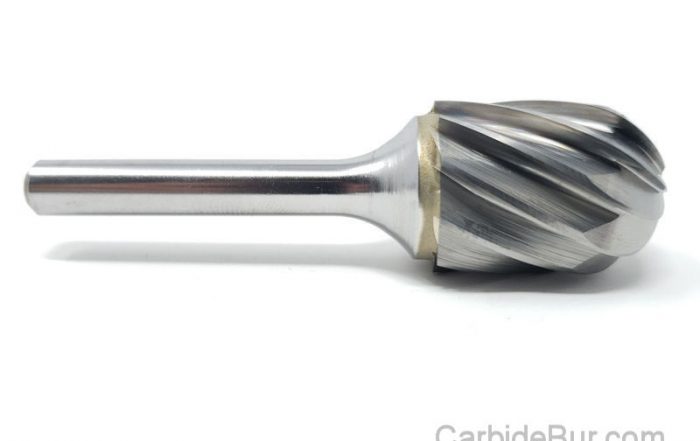
Best Carbide Burr for Concave Surfaces
Best Carbide Burr for Concave Surfaces Concave surfaces can turn a straightforward project into a frustrating challenge if you don’t have the right tool. Carbide burrs designed for these tricky curves make all the difference [...]
How to Grind a Slot in Metal With a Carbide Burr
How to Grind a Slot in Metal With a Carbide Burr Grinding a precise slot in metal can feel like a tricky task, especially if you’re unsure which tools to trust. Carbide burr grinding offers [...]
