
The Ultimate Burr Selection Guide: Choosing the Right Carbide Burr Set for Your Die Grinder
Picking the wrong carbide burr set can waste your time and ruin your die grinder’s potential. Many metalworkers struggle to find the right burr shapes and sizes for their projects, ending up with less precise results. This guide breaks down everything you need to know about carbide burrs, from material compatibility to durability in tools, so you can choose the perfect set for your metalworking tools and get the job done right. For more insights, visit this comprehensive guide.
Click here for our entire selection of carbide bur tools
Understanding Burr Shapes and Sizes
Choosing the right burr for your project can be a game-changer in metalworking. The shape and size of your burr directly impact the quality of your work.
Choosing the Right Burr Shape
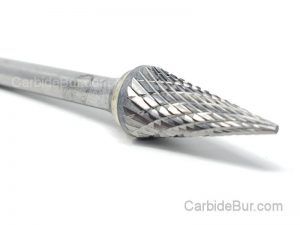
The shape of a burr determines how it interacts with the material. Let’s break it down. Cylinder burrs work well for flat surfaces and right-angled corners. Ball-shaped burrs are perfect for contouring rounded edges. If you’re chasing intricate designs, flame-shaped burrs are your go-to. Each design offers unique advantages, so understanding your project needs is crucial. For a deeper dive into burr shapes and their uses, check out this guide.
Importance of Burr Size in Metalwork
Size matters—especially in metalwork. A smaller burr offers precision, ideal for delicate tasks. Larger burrs cover more area quickly, saving time on bigger projects. Consider the material’s hardness and your grinder’s power. A mismatch can lead to poor results. Remember, the right size enhances efficiency and accuracy, ensuring your work shines.
Material Compatibility for Burr Sets
Understanding which materials work with your tools can save you time and frustration. The right match ensures smooth operation and better results.
Selecting the Right Material
When you pick a burr, material compatibility is key. Steel burrs are cost-effective but wear out quickly. Tungsten carbide burrs, on the other hand, are robust and handle tough tasks like a champ. They resist heat and maintain sharpness longer, making them a favorite for many. For more tips on choosing the right material, visit Benchmark Abrasives.
Tungsten Carbide Burr vs. Other Materials
Why choose tungsten carbide over other materials? Durability is the standout feature. These burrs tackle the hardest metals without losing their edge. They’re versatile, handling everything from wood to stainless steel. If you need a burr that keeps up with heavy use, tungsten carbide is your best bet. Compare options at Carbide Bur.
Durability and Quality in Burr Selection
A durable burr set ensures your investment lasts. Quality is just as important as compatibility and shape.
Importance of Tool Durability
Durability means fewer replacements and consistent performance. A long-lasting burr saves money and enhances productivity. Look for burrs that maintain sharpness over time. Cheap burrs might seem tempting, but frequent replacements add up. Prioritize durability to keep projects on track.
Evaluating Burr Set Quality
Quality isn’t just about durability; it’s about performance. High-grade burrs cut smoothly, reducing work time. Inspect for uniformity in cutting edges and smooth finishes. Try products that come well-recommended, as this is often a good indicator of quality. For tips on assessing quality, visit Carbide Burr.
In conclusion, choosing the right carbide burr set involves understanding shapes, sizes, and materials. This guide aimed to empower you with the knowledge to make informed decisions. By focusing on quality and compatibility, you’ll ensure your die grinder performs at its best. Remember, the right burr unlocks your tool’s full potential, making your work not just easier, but also more enjoyable.
Click here for our entire selection of carbide bur tools
How to Grind a Groove in Metal With a Carbide Burr
How to Grind a Groove in Metal With a Carbide Burr Most metalworkers struggle to cut clean grooves without wasting time or ruining their workpiece. Many try different metalworking tools but end up with uneven [...]
Can Carbide Burrs Cut Through Welds?
Can Carbide Burrs Cut Through Welds? Cutting through welds can feel like a battle, especially when you need clean results without harming the base metal. Carbide burrs offer a sharp edge in this fight, but [...]
How to Use a Carbide Burr With a Die Grinder
How to Use a Carbide Burr With a Die Grinder Most people treat a carbide burr like just another tool, but using it with a die grinder takes skill. If you’ve struggled with burr installation [...]
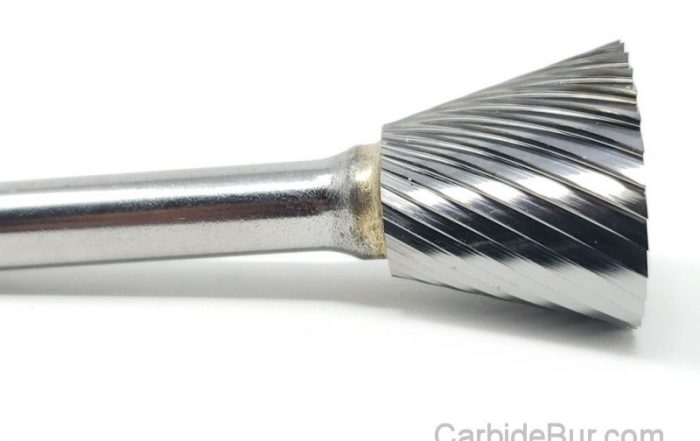
1/8 vs 1/4 Inch Carbide Burrs: What’s the Difference?
1/8 vs 1/4 Inch Carbide Burrs: What's the Difference? Choosing between a 1/8 inch carbide burr and a 1/4 inch carbide burr can change how your project turns out. Many machinists and hobbyists overlook how [...]
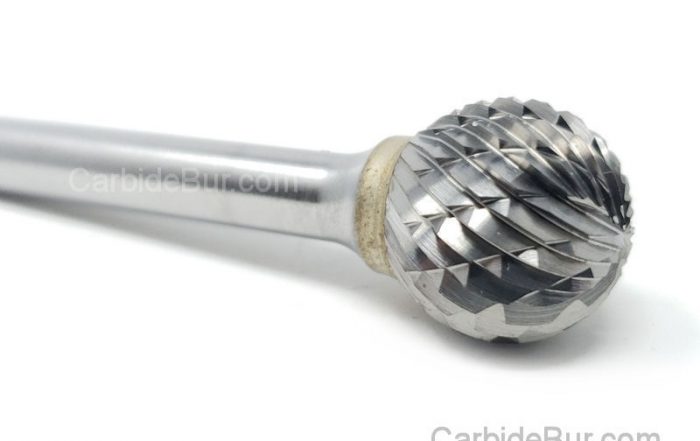
Best Carbide Burr for Removing Flash From Castings
Best Carbide Burr for Removing Flash From Castings Removing flash from castings is a task that can slow down your entire metalworking process if you don’t have the right tools. Picking the best carbide burr [...]
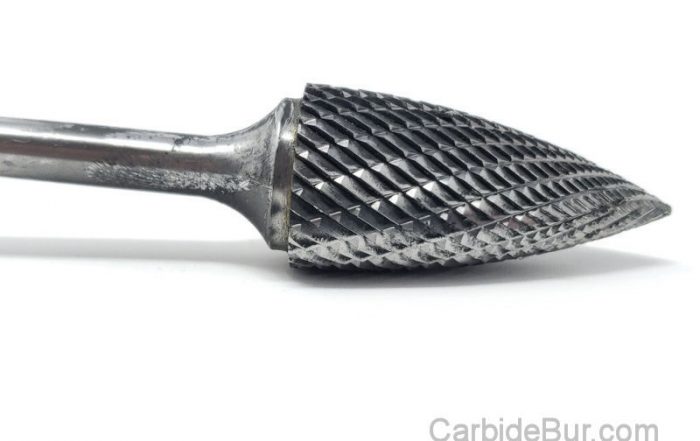
What RPM Should You Use for a 1/4 Inch Carbide Burr?
What RPM Should You Use for a 1/4 Inch Carbide Burr? Most machinists guess the right speed for a 1/4 inch carbide burr and hope for the best. Using the wrong carbide burr RPM can [...]
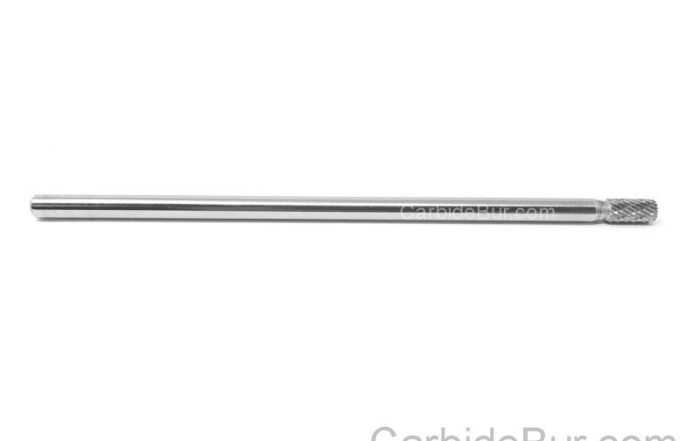
Long Shank Carbide Burrs: When Do You Need One?
Long Shank Carbide Burrs: When Do You Need One? Most machinists overlook the power of long shank carbide burrs until a project demands precision in tight spaces. When your usual tools can’t reach intricate contours, [...]
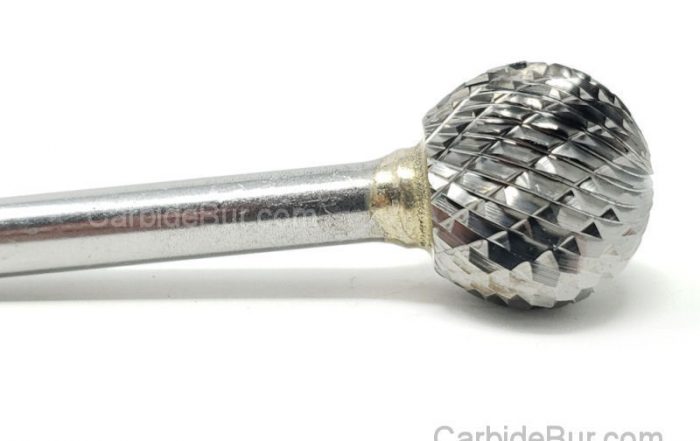
How Deep Can a Carbide Burr Cut Metal?
How Deep Can a Carbide Burr Cut Metal? Carbide burrs often get praised for their precision, but many users hit a wall wondering how deep they can actually cut metal. The truth is, cutting depth [...]
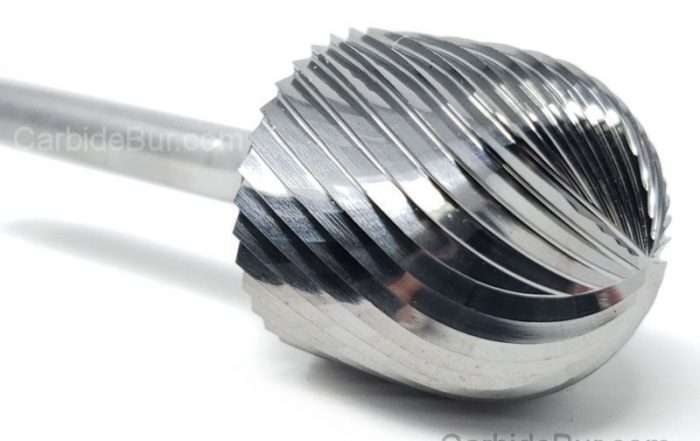
How to Use Carbide Burrs for Port Matching
How to Use Carbide Burrs for Port Matching Most engine builds hit a wall when airflow doesn’t flow smoothly between the ports and manifolds. If your engine isn’t breathing right, your performance stalls. Using the [...]
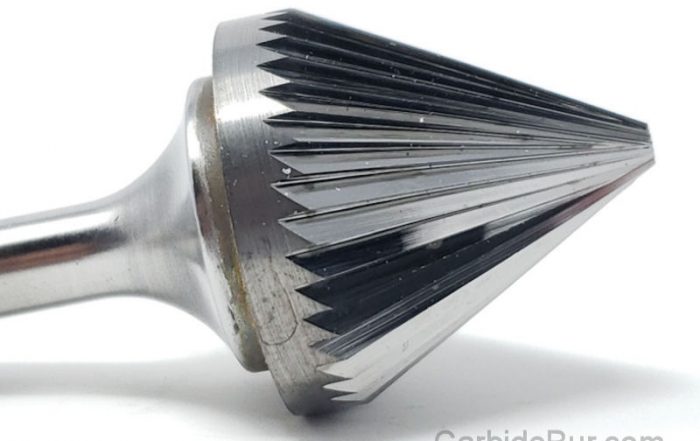
Best Carbide Burr for Porting Intake Manifolds
Best Carbide Burr for Porting Intake Manifolds Porting intake manifolds can make or break your engine’s airflow, yet many struggle with the right tools for the job. Choosing the best carbide burrs is key to [...]
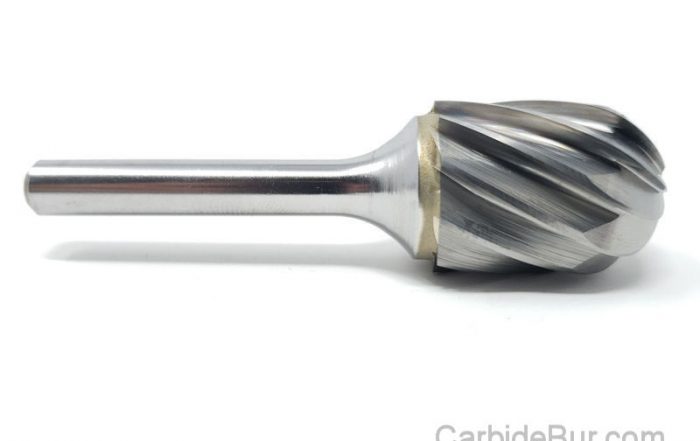
Best Carbide Burr for Concave Surfaces
Best Carbide Burr for Concave Surfaces Concave surfaces can turn a straightforward project into a frustrating challenge if you don’t have the right tool. Carbide burrs designed for these tricky curves make all the difference [...]
How to Grind a Slot in Metal With a Carbide Burr
How to Grind a Slot in Metal With a Carbide Burr Grinding a precise slot in metal can feel like a tricky task, especially if you’re unsure which tools to trust. Carbide burr grinding offers [...]
