
Ergonomic Design in Welding: How Carbide Burs Reduce Hand Fatigue
Long hours of welding can leave your hands aching and worn out. Carbide burs with ergonomic design offer smooth material removal that lightens the load on your grip. This means less hand fatigue and a safer way to work, cutting down risks of repetitive strain injuries. Keep reading to see how these tools help protect your welders health while making welding safer and more comfortable. Learn more about ergonomic and injury prevention solutions for professional welders.
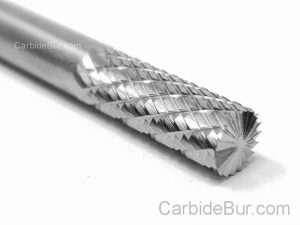
Which carbide bur tools do you use the most?
Benefits of Ergonomic Design in Welding
When you’re working with welding tools, the right design can make all the difference. Ergonomic features aren’t just about comfort; they’re about improving how you perform your tasks.
Improving Grip and Control
A firm grip is essential for precision. Carbide burs designed with ergonomics in mind give you that steady hand. Why does this matter? Better control means less slip-ups and a smoother finish on your work.
-
Enhanced grip: The shape and material of ergonomic tools help you hold them securely, even during long sessions.
-
Precision work: With a better hold, every movement you make is more accurate. This leads to fewer mistakes and higher-quality welds.
Think about it: most tools haven’t changed in years, yet the needs of welders have. By switching to ergonomic carbide burs, you align your tools with modern demands. Discover more about how precision tools can upgrade your welding.
Reducing Hand Fatigue
Imagine finishing a day without sore hands. That’s the promise of ergonomic carbide burs. They make heavy-duty tasks feel lighter.
-
Less strain: The design spreads out the force required, so you use less effort.
-
Longer work periods: Without the usual fatigue, you can work longer without taking breaks.
Most people assume fatigue is just part of the job. But with the right tools, you can change that narrative. Learn about reducing hand fatigue through ergonomic designs.
Carbide Burs and Welding Safety
Safety is paramount in welding. When tools are easy to handle, accidents decrease.
Smooth Material Removal Techniques
Efficient material removal reduces mishaps. Carbide burs shine here, offering smooth operations.
-
Consistent performance: Each pass with the bur removes material evenly.
-
Less rework needed: With precise material removal, you get the job right the first time.
Most assume all burs perform the same, but that’s not the case. An ergonomic carbide bur offers a unique advantage by making operations safer and more reliable. Explore techniques that optimize material removal.
Preventing Repetitive Strain Injuries
Injuries from repetitive movements are common in welding. The right tool design can help you avoid them.
-
Reduced motion strain: Ergonomic tools require less force and awkward angles.
-
Healthier long-term: By using tools that support your body, you reduce wear and tear.
Most tools don’t prioritize your health, but they should. A simple switch can safeguard your well-being over years of work. Learn more about the link between ergonomics and injury prevention.
Long-term Health and Workplace Comfort
Investing in the right tools means investing in your health. Over time, this pays off in countless ways.
Comfortable Welding Tools for Welders
Comfort should be a standard, not a luxury. Ergonomic tools make a huge difference in daily tasks.
-
Less discomfort: When tools fit well in your hand, they’re easier on your body.
-
Increased focus: Without the constant distraction of discomfort, you can concentrate on your work.
Most people think comfort is secondary to function, but the two go hand in hand. With ergonomic tools, you don’t have to sacrifice one for the other.
Safer Welding Practices and Industrial Safety
Safety isn’t just about wearing the right gear. It’s about having the right tools, too.
-
Reduced accident risk: Ergonomic designs lessen the chance of slips and mistakes.
-
Improved work environment: Safer practices create a better workplace for everyone.
The longer you wait to make these changes, the more you risk your well-being. Start prioritizing your safety and comfort today by choosing tools designed with you in mind.
By understanding these benefits, you can make informed choices that enhance your performance and protect your health in the long run.
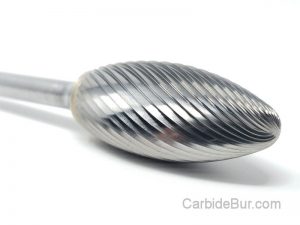
Looking for Carbide Bur Tools?
Check out our entire selection of USA made carbide bur die grinder tool bits
Follow us on Twitter

Return to CarbideBur.com
Carbide Burs – 1/4″ on 1/8″ Shanks – Accessories – Aluminum Cut – Bur Sets – End Mills – Long Shank – Solid Burs
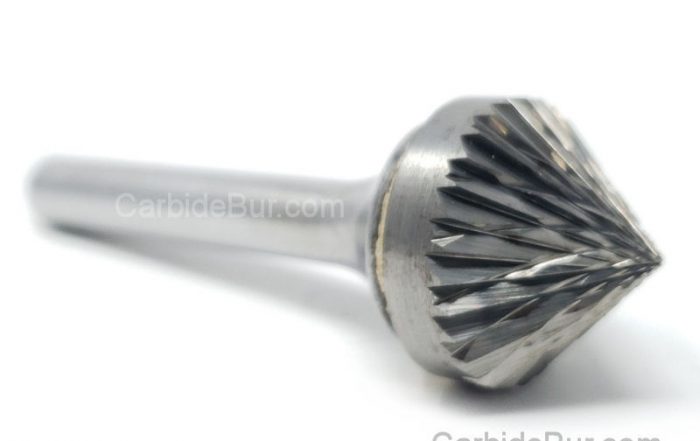
Can Carbide Burrs Remove Paint From Metal?
Can Carbide Burrs Remove Paint From Metal? Stripping paint from metal often feels like a tough chore that risks damaging the surface underneath. Many turn to carbide burrs hoping they can speed things up without [...]
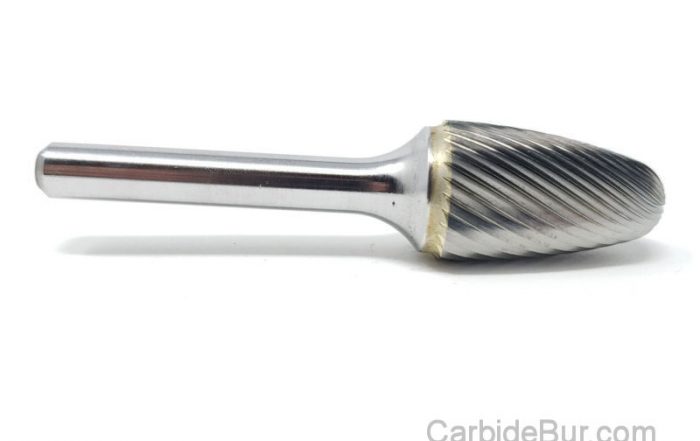
How to Grind a Groove in Metal With a Carbide Burr
How to Grind a Groove in Metal With a Carbide Burr Most metalworkers struggle to cut clean grooves without wasting time or ruining their workpiece. Many try different metalworking tools but end up with uneven [...]
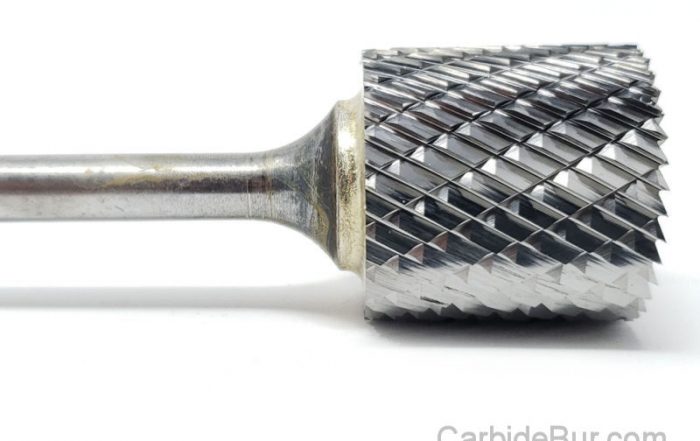
Can Carbide Burrs Cut Through Welds?
Can Carbide Burrs Cut Through Welds? Cutting through welds can feel like a battle, especially when you need clean results without harming the base metal. Carbide burrs offer a sharp edge in this fight, but [...]
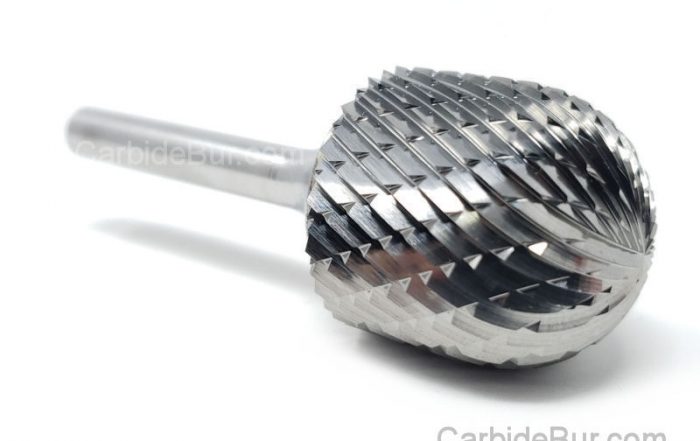
How to Use a Carbide Burr With a Die Grinder
How to Use a Carbide Burr With a Die Grinder Most people treat a carbide burr like just another tool, but using it with a die grinder takes skill. If you’ve struggled with burr installation [...]
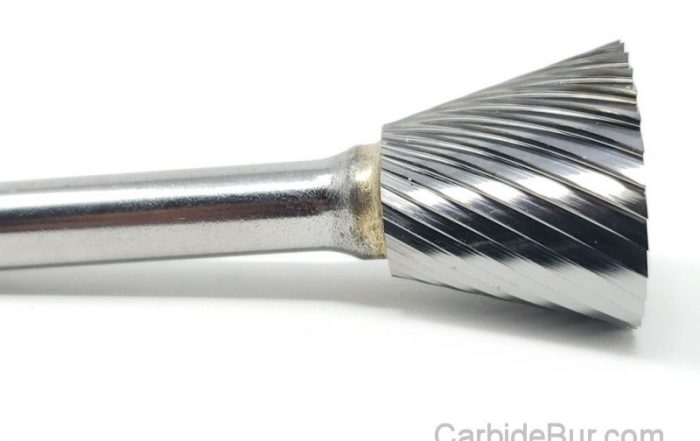
1/8 vs 1/4 Inch Carbide Burrs: What’s the Difference?
1/8 vs 1/4 Inch Carbide Burrs: What's the Difference? Choosing between a 1/8 inch carbide burr and a 1/4 inch carbide burr can change how your project turns out. Many machinists and hobbyists overlook how [...]
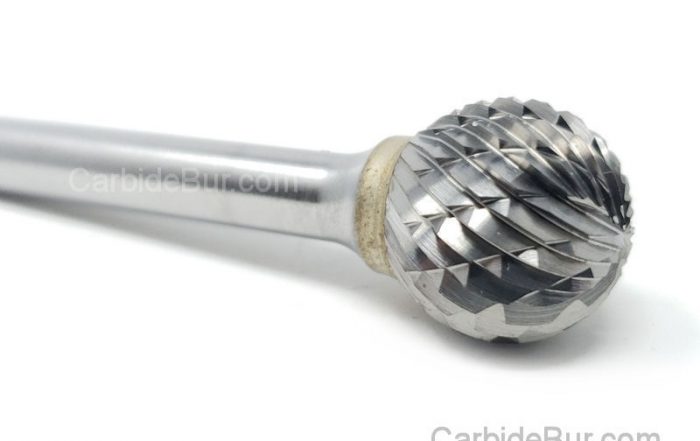
Best Carbide Burr for Removing Flash From Castings
Best Carbide Burr for Removing Flash From Castings Removing flash from castings is a task that can slow down your entire metalworking process if you don’t have the right tools. Picking the best carbide burr [...]
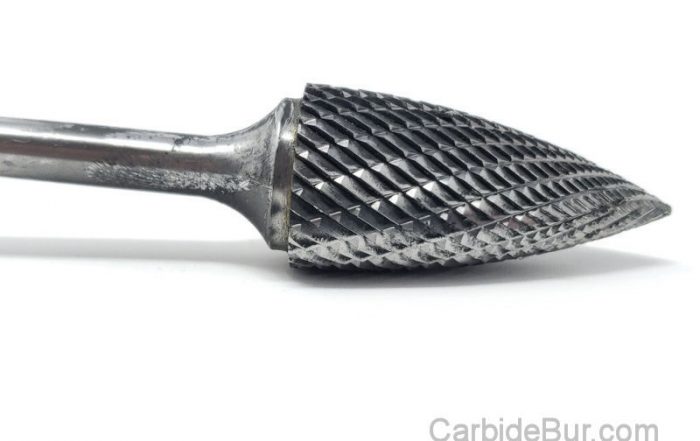
What RPM Should You Use for a 1/4 Inch Carbide Burr?
What RPM Should You Use for a 1/4 Inch Carbide Burr? Most machinists guess the right speed for a 1/4 inch carbide burr and hope for the best. Using the wrong carbide burr RPM can [...]
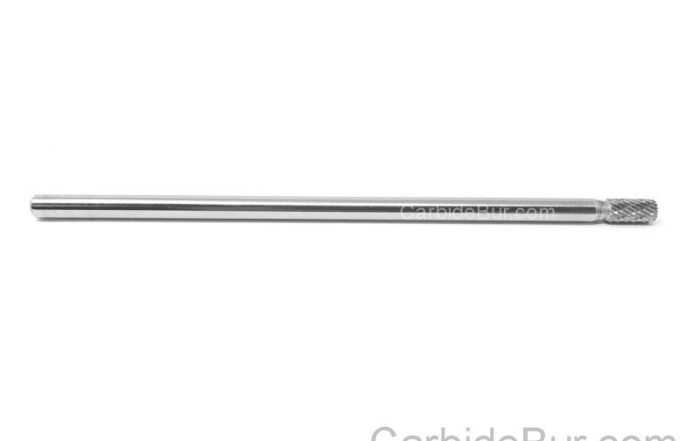
Long Shank Carbide Burrs: When Do You Need One?
Long Shank Carbide Burrs: When Do You Need One? Most machinists overlook the power of long shank carbide burrs until a project demands precision in tight spaces. When your usual tools can’t reach intricate contours, [...]
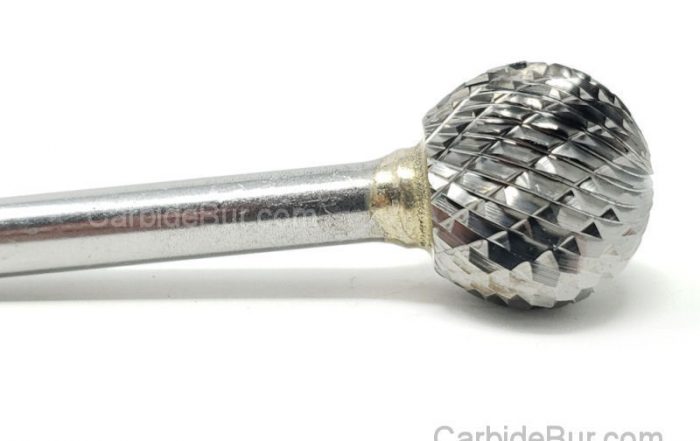
How Deep Can a Carbide Burr Cut Metal?
How Deep Can a Carbide Burr Cut Metal? Carbide burrs often get praised for their precision, but many users hit a wall wondering how deep they can actually cut metal. The truth is, cutting depth [...]
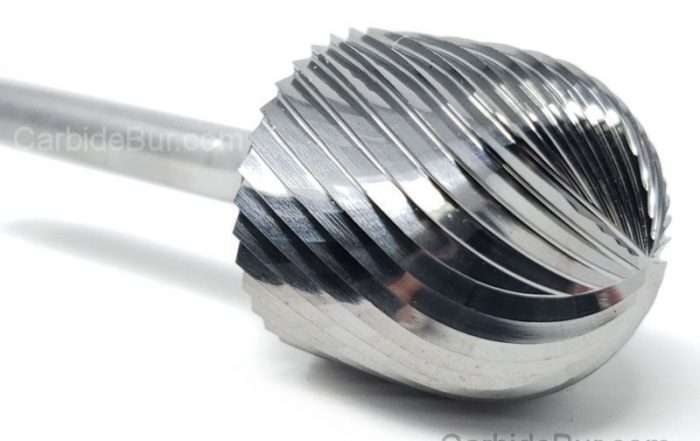
How to Use Carbide Burrs for Port Matching
How to Use Carbide Burrs for Port Matching Most engine builds hit a wall when airflow doesn’t flow smoothly between the ports and manifolds. If your engine isn’t breathing right, your performance stalls. Using the [...]
Best Carbide Burr for Porting Intake Manifolds
Best Carbide Burr for Porting Intake Manifolds Porting intake manifolds can make or break your engine’s airflow, yet many struggle with the right tools for the job. Choosing the best carbide burrs is key to [...]
Best Carbide Burr for Concave Surfaces
Best Carbide Burr for Concave Surfaces Concave surfaces can turn a straightforward project into a frustrating challenge if you don’t have the right tool. Carbide burrs designed for these tricky curves make all the difference [...]
