
Carbide Burs vs. Grinding Wheels: The Ultimate Guide to Weld Smoothing Precision
When it comes to weld smoothing, precision and control are paramount, and choosing the right tool can make all the difference. In the world of metal finishing tools, carbide burs and grinding wheels stand out as popular choices, each with its own set of advantages. Carbide burs offer welders a level of precision grinding that allows for targeted material removal, ensuring a smooth and controlled finish. On the other hand, grinding wheels are known for their robust material removal capabilities, though they may sacrifice some finesse in the process. This comprehensive guide will walk you through the strengths and weaknesses of these welding tools, empowering you to make the best choice for your specific needs. For more insights, you can visit this discussion on welding tools.
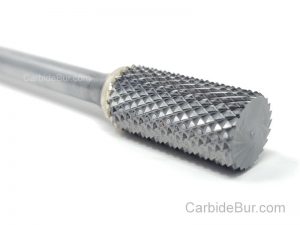
Find more carbide bur die grinder tool bits here
Precision of Carbide Burs
Carbide burs are renowned for their precision in metal finishing, making them indispensable in weld smoothing tasks. Their ability to target specific areas ensures a controlled and smooth finish, which is crucial for high-quality outcomes.
Benefits of Precision Grinding
Precision grinding with carbide burs allows welders to achieve exactness in their work. Precision is crucial when dealing with intricate welds or delicate surfaces. By using carbide burs, welders can remove excess material without compromising the structural integrity of the metal.
The sharpness of carbide burs enables detailed work, ensuring that only necessary material is removed. This prevents over-grinding, which can weaken welds and lead to structural issues.
Carbide burs maintain their sharpness over time, resulting in consistent performance. This durability means fewer replacements, saving time and money. For more on carbide burs, visit Carbide Bur and Carbide Burr.
Control in Metal Finishing
Control in metal finishing is a significant advantage offered by carbide burs. Their design allows for precise manipulation, enabling welders to achieve the desired finish without damaging the surrounding material.
The ability to control material removal minimizes the risk of error during the finishing process. This ensures a smooth and uniform surface, which is essential for aesthetic and functional purposes.
Moreover, the ergonomic design of carbide burs contributes to user comfort, reducing fatigue during extended use. This is especially beneficial in large projects where prolonged tool use is unavoidable.
With carbide burs, welders can achieve a high degree of control, leading to superior results. For discussions on welding tools, refer to this Reddit thread.
Grinding Wheels: A Comparative Analysis
Grinding wheels are another popular choice for weld smoothing, known for their aggressive material removal capabilities. While they might not offer the same precision as carbide burs, they bring other advantages to the table.
Aggressive Material Removal
Grinding wheels stand out for their ability to remove large amounts of material quickly. This makes them ideal for tasks where speed is a priority, such as leveling large welds.
-
Initial Setup: Choose the appropriate grinding wheel size and grit for the task.
-
Execution: Apply consistent pressure to remove excess material efficiently.
-
Final Checks: Inspect the metal surface to ensure the desired level of material removal.
Their aggressive nature means they are less suited for delicate projects, as over-grinding is a risk. However, they are invaluable in situations where speed outweighs precision.
Grinding wheels can be a cost-effective option for projects that require significant material removal without the need for intricate detail work.
Durability and Shape Retention
The durability of grinding wheels can vary, and they often lose their shape with extensive use. This can impact the quality of the finish, leading to uneven surfaces if not regularly maintained.
Durability: Grinding wheels can wear down quickly, affecting their efficiency and requiring frequent replacement.
Shape Retention: Loss of shape can lead to inconsistent results, necessitating adjustments during the project.
Regular maintenance and timely replacement of grinding wheels ensure optimal performance. For more on metal finishing tools, explore resources at Carbide Bur.
Choosing the Right Tool
Selecting the right tool for weld smoothing depends on several factors, including the specific requirements of the task at hand. Understanding these factors can help professionals make informed decisions.
Factors in Tool Performance
Performance factors such as tool longevity, ease of use, and material compatibility play a critical role in tool selection. Each tool offers unique benefits and may be better suited to particular tasks.
-
Longevity: Consider how long the tool will last under regular use.
-
Ease of Use: Evaluate the comfort and control the tool offers.
-
Material Compatibility: Ensure the tool is suitable for the materials you are working with.
These factors will guide your decision, ensuring the best results for your welding projects. For insights on tool performance, check resources available at Carbide Burr.
Tailoring to Specific Welding Needs
Ultimately, the choice between carbide burs and grinding wheels should align with your specific welding needs. Tailoring your tool selection can enhance efficiency and quality.
-
Project Scale: For large-scale projects, prioritize tools that offer speed.
-
Precision Requirements: Opt for carbide burs when precision is crucial.
-
Budget Considerations: Balance cost against the performance and longevity of the tool.
This strategic approach ensures that you utilize the most suitable welding tools for your tasks, leading to high-quality and efficient outcomes.
Find more carbide bur die grinder tool bits here

Can You Use a Carbide Burr With an Electric Die Grinder?
Can You Use a Carbide Burr With an Electric Die Grinder? Most people don’t realize how much a carbide burr can change the way an electric die grinder works. Using the right burr type can [...]
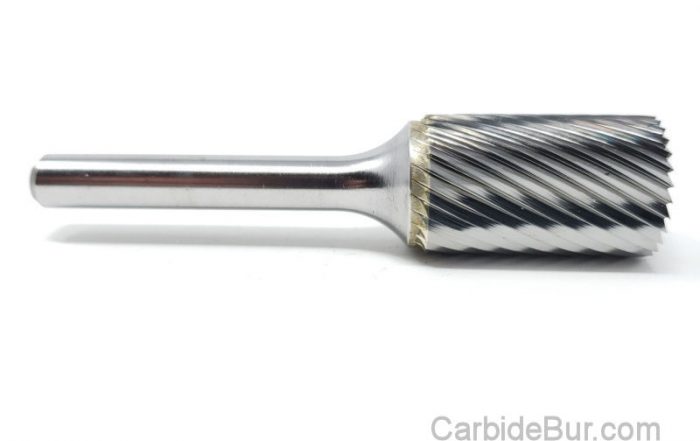
How to Deburr Holes With a Carbide Burr
How to Deburr Holes With a Carbide Burr Most people think any tool will do for deburring holes. The truth is, using the right carbide burr with the correct size and shape changes everything. In [...]
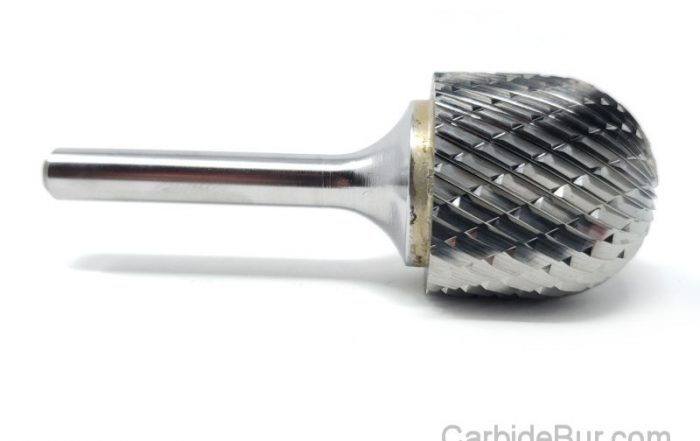
How to Choose the Correct Carbide Burr Shank Size
How to Choose the Correct Carbide Burr Shank Size Many machinists lose hours troubleshooting tool issues caused by the wrong carbide burr shank size. Using a shank that doesn’t fit your grinder can lead to [...]
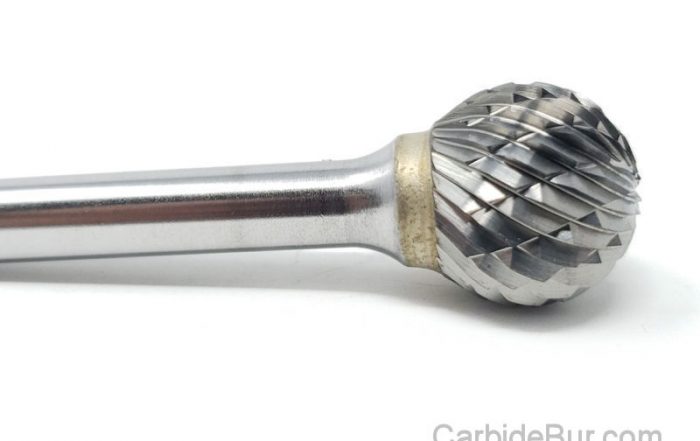
How to Remove Casting Flash With a Carbide Burr
How to Remove Casting Flash With a Carbide Burr Casting flash ruins the look and fit of your metal parts. You’ve tried sanding or grinding, but the results aren’t clean or fast enough. Learning how [...]
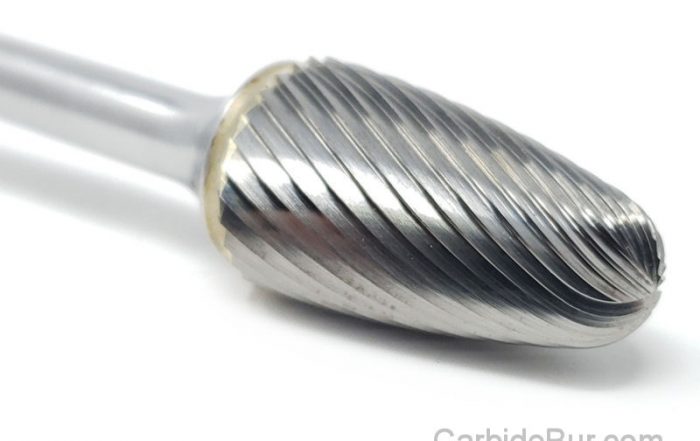
Best Carbide Burr for Enlarging a Hole in Metal
Best Carbide Burr for Enlarging a Hole in Metal When you need to enlarge a hole in metal, grabbing the wrong carbide burr can turn a simple task into a frustrating mess. Picking the best [...]
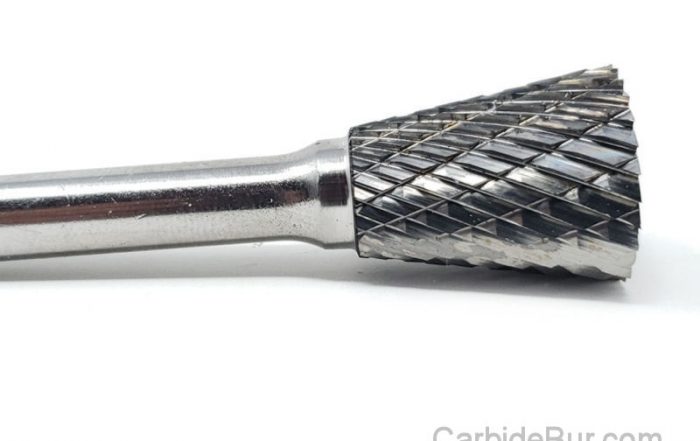
Carbide Burr Safety: 15 Mistakes That Can Cause Injury or Damage
Carbide Burr Safety: 15 Mistakes That Can Cause Injury or Damage Carbide burr safety is often overlooked until a costly mistake happens. Many metalworkers and DIYers make the same errors that lead to injuries or [...]
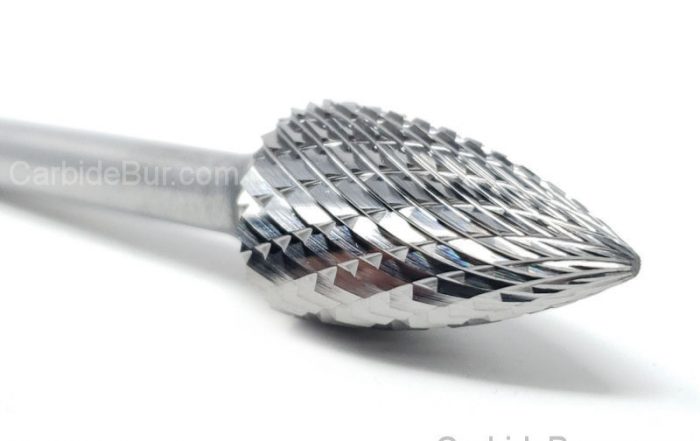
Can You Use a Carbide Burr in a Drill?
Can You Use a Carbide Burr in a Drill? Most people think a standard drill can’t handle a carbide burr, but that’s not true. Using carbide burr in the right drill can speed up your [...]
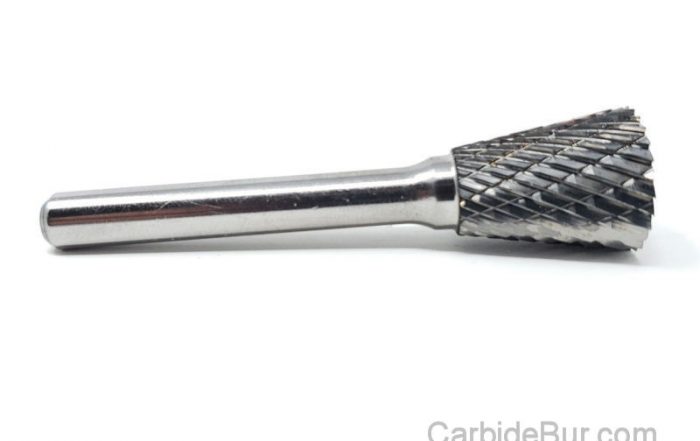
Carbide Burrs for Removing Rust: What Works Best?
Carbide Burrs for Removing Rust: What Works Best? Rust can turn your favorite tools into useless junk faster than you expect. Removing it without ruining the metal underneath takes more than just elbow grease—it demands [...]
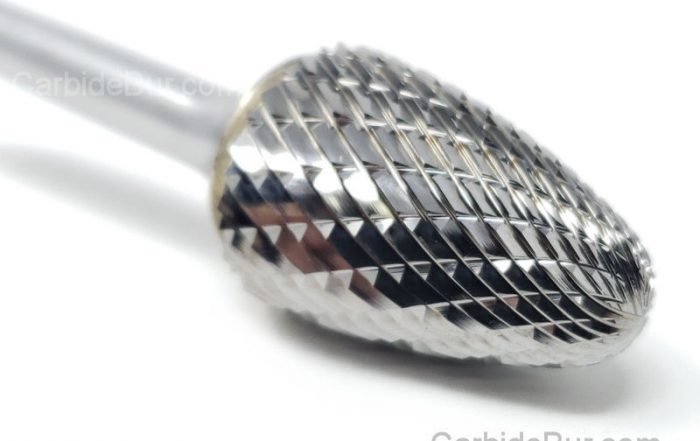
How Much Pressure Should You Use With a Carbide Burr?
How Much Pressure Should You Use With a Carbide Burr? Most people think pressing harder with a carbide burr speeds up the job. That’s not true—too much pressure wears out your tool and ruins the [...]
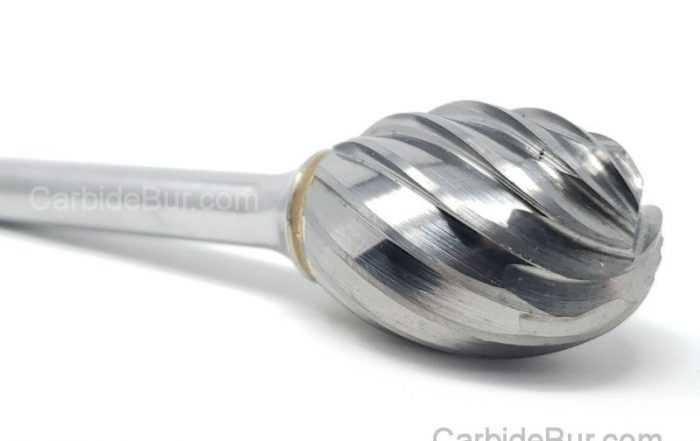
Can You Use Carbide Burrs With an Air Die Grinder?
Can You Use Carbide Burrs With an Air Die Grinder? Most people don’t realize how well carbide burrs work with air die grinders until they try them. If you’ve ever struggled with finding the right [...]
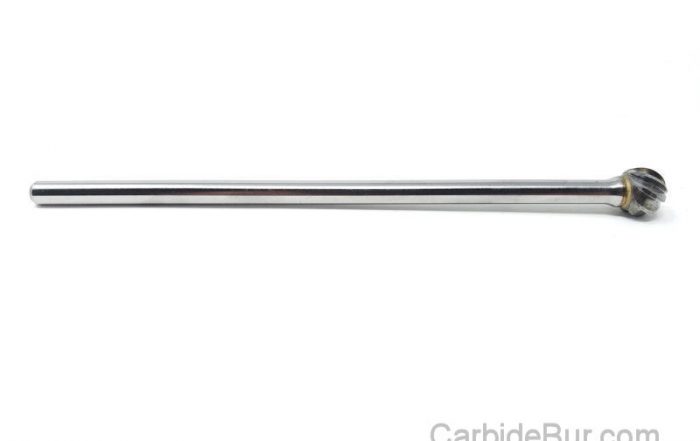
Best Long Reach Carbide Burr for Deep Metal Work
Best Long Reach Carbide Burr for Deep Metal Work Long reach carbide burrs often promise deep metal access, but many fall short where it counts most. You need a tool that cuts cleanly, lasts through [...]
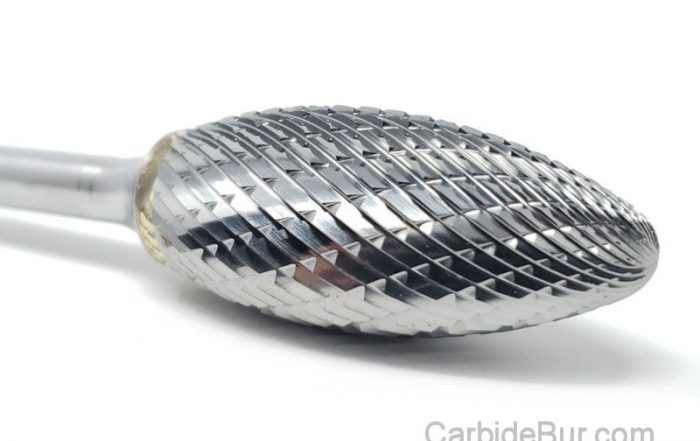
What RPM Should You Use for a 1/8 Inch Carbide Burr?
What RPM Should You Use for a 1/8 Inch Carbide Burr? Most people guess the right carbide burr RPM by feel—and waste hours redoing work. If you want cleaner cuts and longer tool life, your [...]
