
Mastering Welding Precision: A Guide to Carbide Bur Shapes and Sizes
Most welders struggle to pick the right carbide bur for each job, wasting time and risking sloppy results. Choosing between cylindrical, ball, and flame bur shapes isn’t random—it directly affects how well you handle contouring, deburring, and material removal. This guide breaks down the key carbide bur shapes and sizes, so you can sharpen your tool selection and nail precision welding every time. Learn more about carbide bur shapes here.
Which carbide bur tools do you use the most?
Understanding Carbide Bur Shapes
Choosing the right carbide bur shape is essential for precision in welding tasks. Let’s explore three main types and how they affect your work.
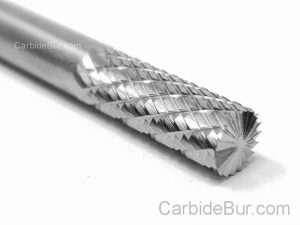
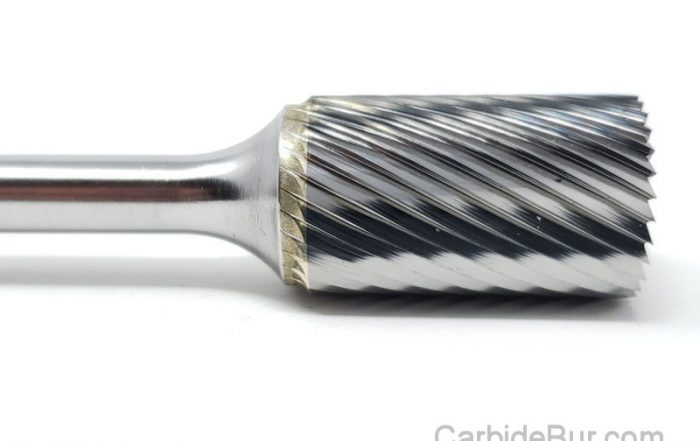
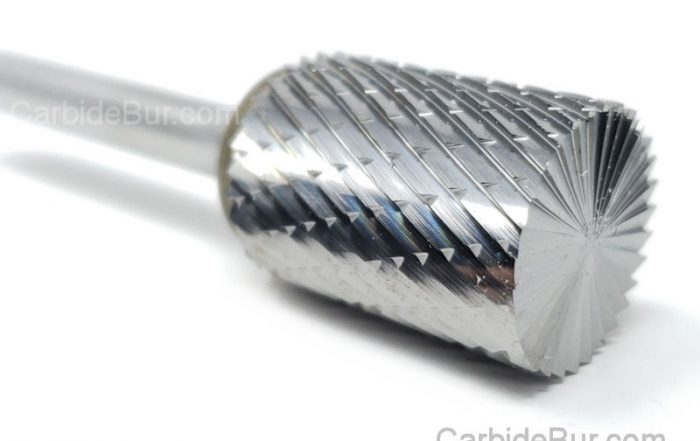
Cylindrical Bur for Material Removal
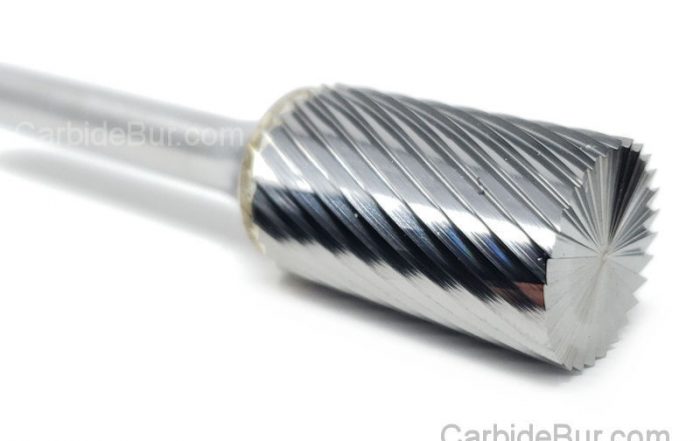
The cylindrical bur is your go-to tool for removing large amounts of material efficiently. Its straight sides and flat top make it ideal for flattening surfaces and clearing away excess metal. You’ll find this bur especially useful when working on flat surfaces or when you’re tasked with grinding down welds.
-
Usage: Best for flat surface grinding.
-
Benefit: Helps in removing material quickly without complexity.
When you need to tackle bulk metal removal, the cylindrical bur comes to the rescue. It doesn’t just make the job easier; it saves you a significant amount of time, enabling you to focus on more complex tasks later. Discover more about tungsten carbide burs here.
Ball Bur in Contouring
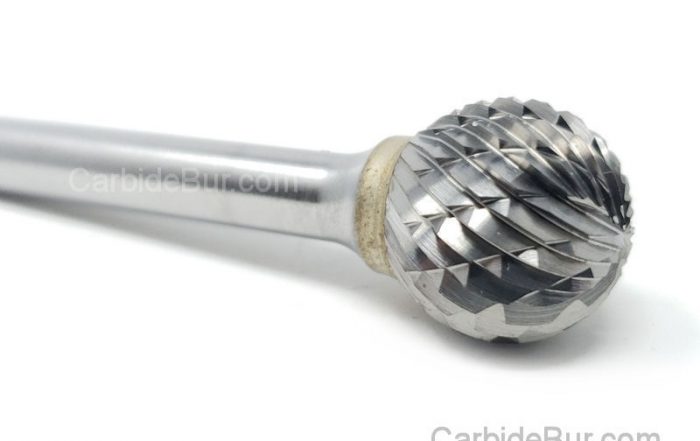
The ball bur shines in contouring work, where precision is key. Its round shape allows for smooth transitions and rounded edges, perfect for intricate designs. Whether you’re shaping metal or smoothing out rough edges, the ball bur provides the finesse you need.
-
Usage: Perfect for shaping and smoothing.
-
Benefit: Offers control in creating smooth, rounded edges.
You might think shaping metal is a straightforward task, but the ball bur shows that finesse is crucial. It challenges the notion that welding is all about brute force, highlighting the artistry involved in achieving perfect contours. Explore the different carbide bur shapes and their uses.
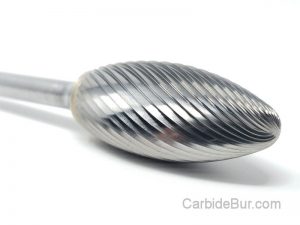
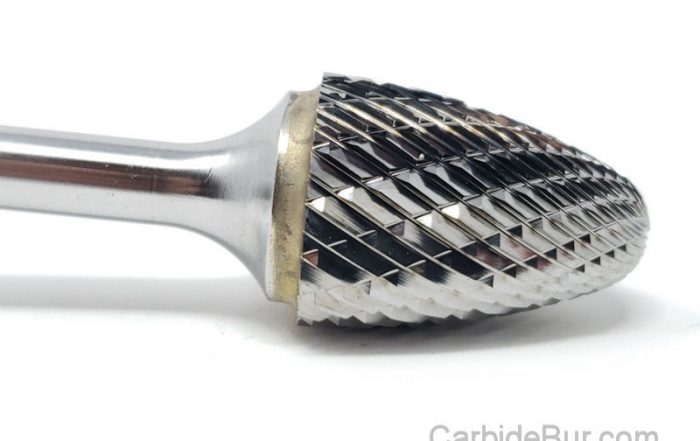
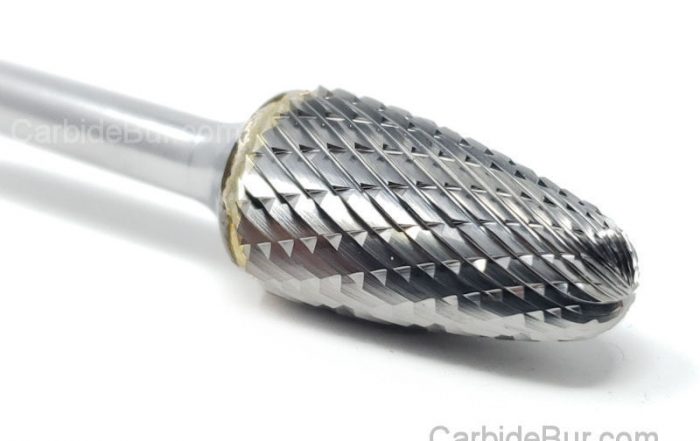
Flame Bur for Deburring
Deburring is a critical step in finishing your welds, and the flame bur is your best ally here. Its tapered design allows you to reach tight corners and angles, removing unwanted burrs and ensuring a clean finish.
-
Usage: Ideal for deburring and finishing.
-
Benefit: Ensures a clean and professional finish.
Most people assume that any bur can handle deburring, but the flame bur proves otherwise. Its unique shape is specifically designed to reach tricky spots, setting it apart from other bur types. Learn more about carbide burrs for steel.
Choosing the Right Bur Size
After understanding shapes, size becomes your next focus. Getting the right size ensures precision and efficiency in your tasks.
Precision in Intricate Tasks
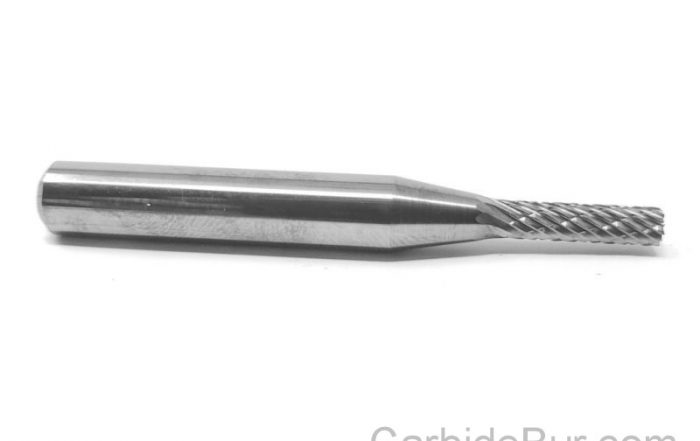
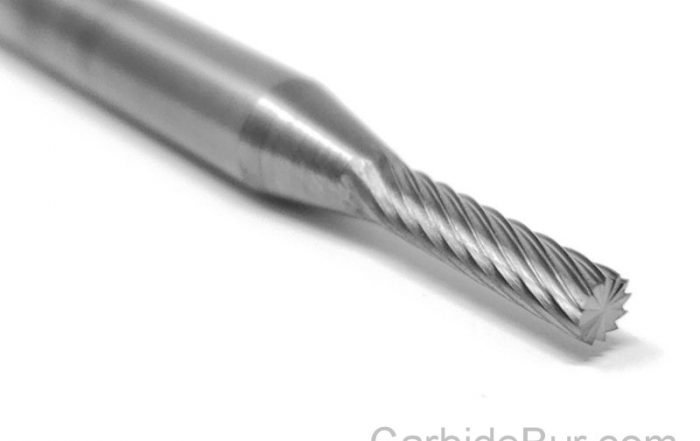
When working on detailed projects, choosing the right size is crucial. Smaller burs allow for detailed work, giving you the control needed for precision tasks. They are perfect for fine-tuning and intricate designs.
-
Benefit: Enhances control in detailed work.
-
Usage: Best for precision tasks requiring detailed attention.
Precision is often underestimated in welding. Choosing the right size bur shows that even the smallest detail matters in achieving perfection.
Size Selection for Efficiency
For larger projects, larger burs are more efficient. They cover more area quickly, reducing the time spent on material removal. This efficiency helps maintain a steady workflow without compromising quality.
-
Benefit: Speeds up larger projects.
-
Usage: Ideal for quick material removal.
While precision is important, efficiency shouldn’t be overlooked. The right bur size ensures you’re not wasting time on tasks that could be completed faster with the proper tool.
Enhancing Welding Applications
The right tools make all the difference in welding applications. Enhance your skills by understanding tool selection and precision techniques.
Tool Selection for Professionals
Professional welders know that the right tool can drastically improve outcomes. Selecting the correct bur for each task not only improves quality but also enhances your skill set as a professional.
-
Benefit: Elevates your professional skill set.
-
Usage: Essential for professional welding tasks.
Choosing the right tool isn’t just about performance; it’s about setting yourself apart as a professional welder who values quality and efficiency. Understand more about the types of carbide burs and their applications.
Achieving Precision Welding
Precision in welding ensures quality and durability in your projects. By mastering tool selection and understanding the importance of shapes and sizes, you achieve higher standards in your work.
-
Benefit: Guarantees high-quality, durable results.
-
Usage: Crucial for achieving precision in welding.
Precision isn’t just a goal; it’s a standard you set for yourself. With the right tools, you can achieve results that not only meet but exceed expectations.
By understanding the distinct characteristics and best uses of each bur type, welders can enhance their toolkits and improve their overall performance on a wide range of welding jobs.
Looking for Carbide Bur Tools?
Check out our entire selection of USA made carbide bur die grinder tool bits
Follow us on Twitter

Return to CarbideBur.com
Carbide Burs – 1/4″ on 1/8″ Shanks – Accessories – Aluminum Cut – Bur Sets – End Mills – Long Shank – Solid Burs
Carbide Burr vs. Grinding Stone: Which Is Better for Metal Removal?
Carbide Burr vs. Grinding Stone: Which Is Better for Metal Removal? When you need to remove metal, smooth a rough edge, or shape a metal component, two common options are carbide burrs and grinding stones. [...]
Carbide Burr Safety: RPM, Eye Protection, and Common Mistakes
Carbide Burr Safety: RPM, Eye Protection, and Common Mistakes Carbide burrs are versatile cutting tools used for metal fabrication, welding cleanup, engine porting, deburring, and general material removal. When used correctly, they can help remove [...]
How to Stop Aluminum from Clogging Your Carbide Burr
How to Stop Aluminum from Clogging Your Carbide Burr Aluminum is widely used in automotive work, welding, metal fabrication, aerospace components, and general machining. It is lightweight, relatively easy to machine, and versatile across many [...]
Carbide Burrs for Intake Manifolds: Shaping, Cleanup, and Fitment
Carbide Burrs for Intake Manifolds: Shaping, Cleanup, and Fitment Intake manifold work often involves more than simply bolting a component onto an engine. Depending on the application, metal intake components may have casting irregularities, rough [...]
Why Long-Shank Carbide Burrs Are Useful for Hard-to-Reach Areas
Why Long-Shank Carbide Burrs Are Useful for Hard-to-Reach Areas When working on metal parts, the area that needs grinding or shaping is not always easy to reach. Recessed openings, deep cavities, interior surfaces, and complicated [...]
Choosing Carbide Burrs for Stainless Steel Fabrication
Choosing Carbide Burrs for Stainless Steel Fabrication Stainless steel is widely used in fabrication because of its corrosion resistance, strength, and durability. However, those same properties can make it challenging to machine and finish. Removing [...]
Can You Use Carbide Burrs in a Dremel? Shank Sizes Explained
Can You Use Carbide Burrs in a Dremel? Shank Sizes Explained If you use a Dremel or another rotary tool for detail work, metal shaping, or small fabrication projects, you may wonder whether you can [...]
How to Choose the Best Carbide Burr for Welding and Metal Fabrication
How to Choose the Best Carbide Burr for Welding and Metal Fabrication Welding and metal fabrication often require more than joining two pieces of metal together. Once the welding is finished, fabricators frequently need to [...]
Carbide Burrs for Cylinder Heads: What Automotive Enthusiasts Need to Know
Carbide Burrs for Cylinder Heads: What Automotive Enthusiasts Need to Know Cylinder head work is an important part of engine building, restoration, and performance machining. Whether you are cleaning up casting imperfections, refining port surfaces, [...]
Engine Porting 101: How Carbide Burrs Help Shape Cylinder Head Ports
Engine Porting 101: How Carbide Burrs Help Shape Cylinder Head Ports Engine performance enthusiasts, automotive machinists, and engine builders often look for ways to improve airflow through an engine's cylinder heads. One technique used in [...]
When to Use a 4-Inch or 9-Inch Die Grinder Extension
When to Use a 4-Inch or 9-Inch Die Grinder Extension Metal fabrication, welding, automotive repair, and engine building often require working in places where a standard die grinder and carbide burr cannot easily reach. Recessed [...]
Why Buy USA-Made Carbide Burr Tools? What Buyers Should Compare
Why Buy USA-Made Carbide Burr Tools? What Buyers Should Compare When shopping for carbide burr tools, it's tempting to compare products based on price alone. However, professionals who use rotary cutting tools for welding, metal [...]
