
Elevate Your Metalwork: Expert Tips on Using Carbide Burs for Fine Finishing
Most welders struggle to get perfect details in their high-end welding projects. Using carbide burs the right way can change that, giving you unmatched control over precision shaping and fine finishing. In this post, you’ll learn expert welding techniques that turn basic engraving tools into instruments for custom designs and delicate contours. Master these skills, and your metalwork will stand apart every time. For more insights, check out this comprehensive guide to carbide burr shapes and their uses.
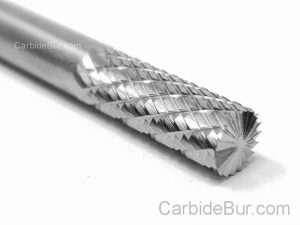
Which carbide bur tools do you use the most?
Mastering Carbide Burs
Unlocking the full potential of your metalwork begins here. By mastering carbide burs, you can transform simple tasks into stunning creations. Let’s explore how you can achieve precision in every project.
Precision Shaping Techniques
Precision shaping is not just a skill; it’s an art. A steady hand and the right tools are your best allies. Choose the correct carbide bur for your material to ensure smooth cuts and intricate details. For example, use a flame-shaped bur for curved surfaces. This choice allows you to create seamless curves effortlessly.
Avoid common mistakes by understanding the material you’re working with. Soft metals require a different approach than hard metals. Familiarize yourself with these nuances to avoid tool wear and achieve a flawless finish. For more detailed advice, visit this ultimate guide on carbide burrs for steel.
Engraving Tools for Custom Designs
Custom designs start with the right engraving tools. Carbide burs are ideal for detailed work due to their durability and precision. Whether you’re crafting a small engraving or a large-scale design, these tools provide the control you need.
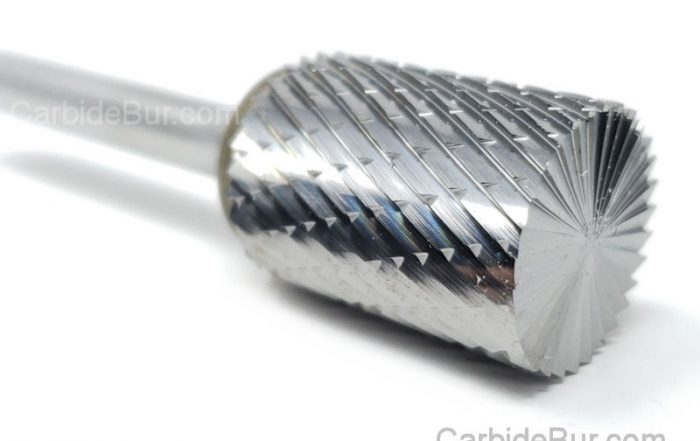
Consider the shape of the bur. A pointed bur is perfect for fine lines, while a cylindrical one is great for larger areas. Experiment with different shapes to understand how each impacts your design. Embrace creativity by mixing shapes to produce unique patterns and textures.
Achieving Fine Finishes
A fine finish can make or break your metalwork. Achieving a smooth surface requires patience and the right technique. Start with a coarse bur to remove large imperfections, then switch to a finer one for polishing. This step-by-step approach ensures a professional look.
Consistency is key. Work slowly and evenly, applying equal pressure throughout. This method reduces the chance of uneven surfaces. For more insights on using carbide burs for finishing, check out this tutorial on tungsten carbide burrs.
Advanced Welding Applications
Now that you’ve grasped the basics, it’s time to advance your skills. Advanced welding applications demand creativity and precision. Here’s how to tackle complex projects with confidence.
Strategies for Complex Projects
Complex projects require strategic planning. Break down your project into manageable parts. Start by outlining the design and identifying areas that need special attention. This approach helps you focus on details without feeling overwhelmed.
Use carbide burs to address challenges such as tight corners or intricate designs. Experiment with different techniques to find what works best for each part. With practice, these strategies will become second nature, allowing you to tackle any project with ease.
Integrating Carbide Burs in High-End Work
High-end work demands the best tools. Carbide burs are essential for achieving superior results. Their versatility makes them a staple in any advanced welder’s toolkit.
Choose burs that complement your project’s requirements. Consider factors like size, shape, and material compatibility. Integrating these tools into your workflow enhances the quality and precision of your work. For more guidance, explore this article on avoiding common mistakes when using carbide burs for engine porting from Carbide Bur.
Expert Tips and Best Practices
Ready to refine your skills? Here are expert tips to ensure safety and longevity. Implementing these practices will elevate your craftsmanship.
Essential Safety Precautions
Safety is paramount. Always wear protective gear when working with carbide burs. Goggles, gloves, and masks are non-negotiable. These protect you from flying debris and harmful dust.
Maintain a clean workspace. Clutter increases the risk of accidents. Ensure your area is well-lit and organized. By prioritizing safety, you create a productive environment that fosters creativity and precision.
Maintenance for Longevity and Performance
Proper maintenance extends the life of your tools. Regularly clean and inspect your carbide burs for signs of wear. This routine prevents unexpected breakages and ensures consistent performance.
Store your burs in a dry, secure place. Moisture can cause rust, reducing their lifespan. Invest time in maintenance, and your tools will reward you with reliable performance. For more on maintenance, see this blog on burr cutting.
By mastering these techniques, you’ll elevate your metalwork to new heights. With practice and the right tools, your projects will shine with precision and creativity. Remember, the longer you wait to refine your skills, the more opportunities you miss to create stunning art.
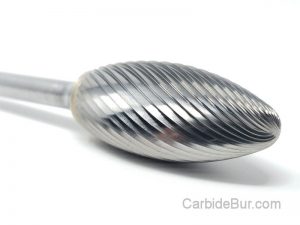
Looking for Carbide Bur Tools?
Check out our entire selection of USA made carbide bur die grinder tool bits
Follow us on Twitter

Return to CarbideBur.com
Carbide Burs – 1/4″ on 1/8″ Shanks – Accessories – Aluminum Cut – Bur Sets – End Mills – Long Shank – Solid Burs
Are Expensive Carbide Burrs Worth It? Comparing Price and Performance
Are Expensive Carbide Burrs Worth It? Comparing Price and Performance When shopping for carbide burrs, it's easy to assume that the cheapest option saves money. But if you use rotary cutting tools regularly for welding, [...]

Carbide Burr vs. Grinding Stone: Which Is Better for Metal Removal?
Carbide Burr vs. Grinding Stone: Which Is Better for Metal Removal? When you need to remove metal, smooth a rough edge, or shape a metal component, two common options are carbide burrs and grinding stones. [...]
Carbide Burr Safety: RPM, Eye Protection, and Common Mistakes
Carbide Burr Safety: RPM, Eye Protection, and Common Mistakes Carbide burrs are versatile cutting tools used for metal fabrication, welding cleanup, engine porting, deburring, and general material removal. When used correctly, they can help remove [...]
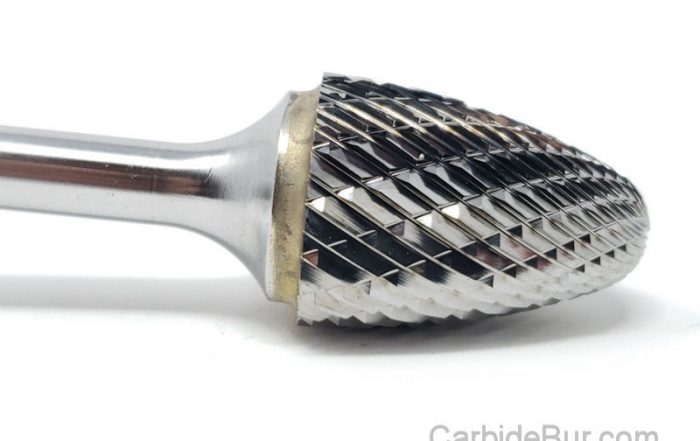
How to Stop Aluminum from Clogging Your Carbide Burr
How to Stop Aluminum from Clogging Your Carbide Burr Aluminum is widely used in automotive work, welding, metal fabrication, aerospace components, and general machining. It is lightweight, relatively easy to machine, and versatile across many [...]
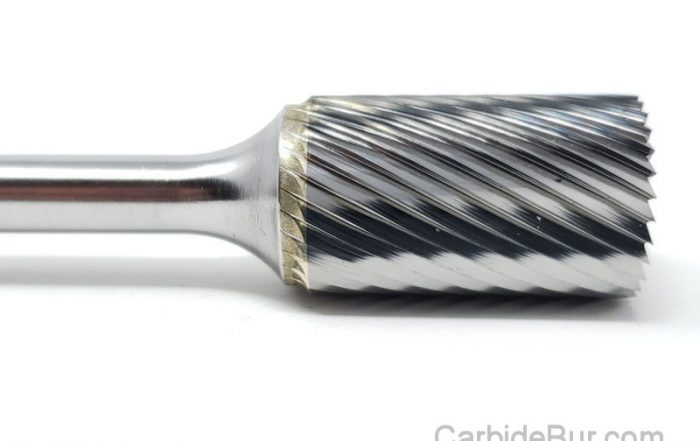
Carbide Burrs for Intake Manifolds: Shaping, Cleanup, and Fitment
Carbide Burrs for Intake Manifolds: Shaping, Cleanup, and Fitment Intake manifold work often involves more than simply bolting a component onto an engine. Depending on the application, metal intake components may have casting irregularities, rough [...]
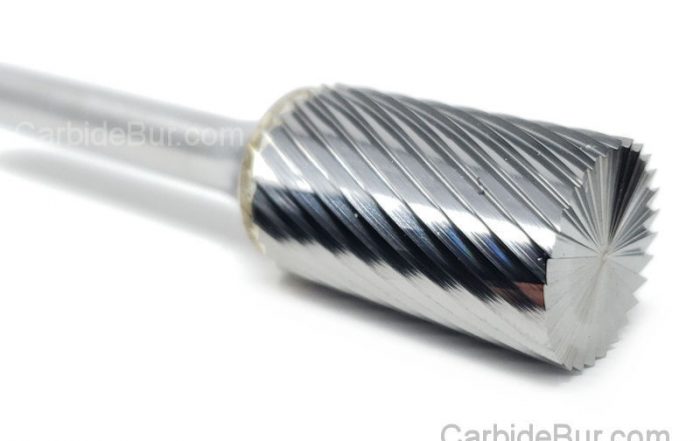
Why Long-Shank Carbide Burrs Are Useful for Hard-to-Reach Areas
Why Long-Shank Carbide Burrs Are Useful for Hard-to-Reach Areas When working on metal parts, the area that needs grinding or shaping is not always easy to reach. Recessed openings, deep cavities, interior surfaces, and complicated [...]
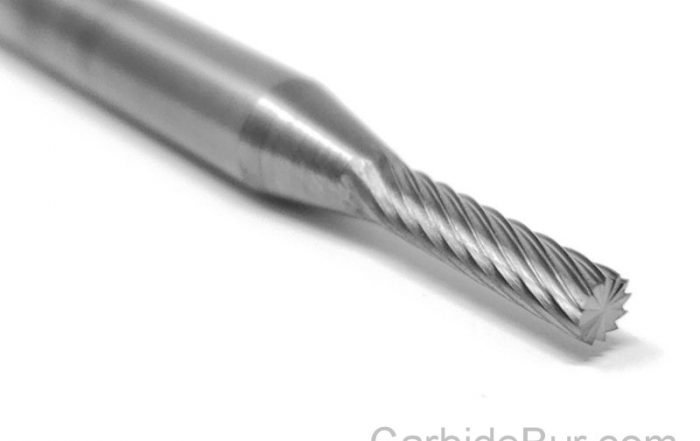
Choosing Carbide Burrs for Stainless Steel Fabrication
Choosing Carbide Burrs for Stainless Steel Fabrication Stainless steel is widely used in fabrication because of its corrosion resistance, strength, and durability. However, those same properties can make it challenging to machine and finish. Removing [...]
Can You Use Carbide Burrs in a Dremel? Shank Sizes Explained
Can You Use Carbide Burrs in a Dremel? Shank Sizes Explained If you use a Dremel or another rotary tool for detail work, metal shaping, or small fabrication projects, you may wonder whether you can [...]
How to Choose the Best Carbide Burr for Welding and Metal Fabrication
How to Choose the Best Carbide Burr for Welding and Metal Fabrication Welding and metal fabrication often require more than joining two pieces of metal together. Once the welding is finished, fabricators frequently need to [...]
Carbide Burrs for Cylinder Heads: What Automotive Enthusiasts Need to Know
Carbide Burrs for Cylinder Heads: What Automotive Enthusiasts Need to Know Cylinder head work is an important part of engine building, restoration, and performance machining. Whether you are cleaning up casting imperfections, refining port surfaces, [...]
Engine Porting 101: How Carbide Burrs Help Shape Cylinder Head Ports
Engine Porting 101: How Carbide Burrs Help Shape Cylinder Head Ports Engine performance enthusiasts, automotive machinists, and engine builders often look for ways to improve airflow through an engine's cylinder heads. One technique used in [...]
When to Use a 4-Inch or 9-Inch Die Grinder Extension
When to Use a 4-Inch or 9-Inch Die Grinder Extension Metal fabrication, welding, automotive repair, and engine building often require working in places where a standard die grinder and carbide burr cannot easily reach. Recessed [...]
