
Mastering Metalwork: Extending Tool Life with Smart Carbide Bur Techniques
Most metalworkers push their carbide bur nonstop, watching it wear down faster each time. Short, intermittent passes with your die grinder keep the bur cooler and clear chip buildup, stretching its tool life on tough materials. Mastering this simple shift not only keeps your grinding process steady but also sharpens your fabrication skills for cleaner, more consistent finishes. Ready to upgrade how you work with your carbide bur? Learn more.
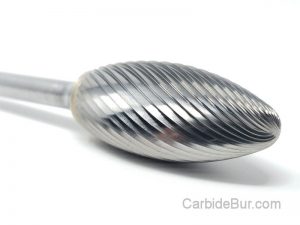
Looking for Carbide Bur Tools?
Check out our entire selection of USA made carbide bur die grinder tool bits
Understanding Carbide Burs
Carbide burs are crucial tools in metalworking. Understanding them can elevate your projects to new heights.
What Are Carbide Burs?
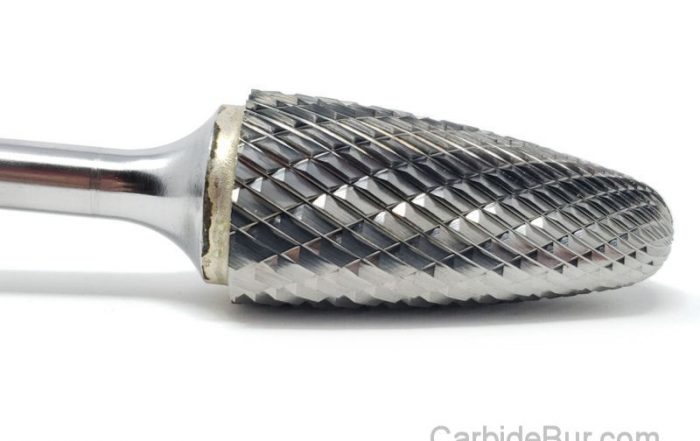
Carbide burs are essential for shaping and detailing metal. They are small rotating tools used with die grinders to cut, grind, and remove material. Made from tungsten carbide, they are extremely hard and precise. These burs come in various shapes, each designed for specific tasks. Whether you’re smoothing rough edges or carving intricate details, carbide burs provide the versatility you need.
Benefits of Using Carbide Burs
Using carbide burs offers several advantages. Firstly, they are incredibly durable, which means they last longer than other types. This durability reduces the frequency of replacements, saving you time and money. Secondly, they cut through tough materials with ease, making them ideal for challenging tasks. Whether you’re working on steel or aluminum, carbide burs perform consistently well.
Choosing the Right Carbide Bur
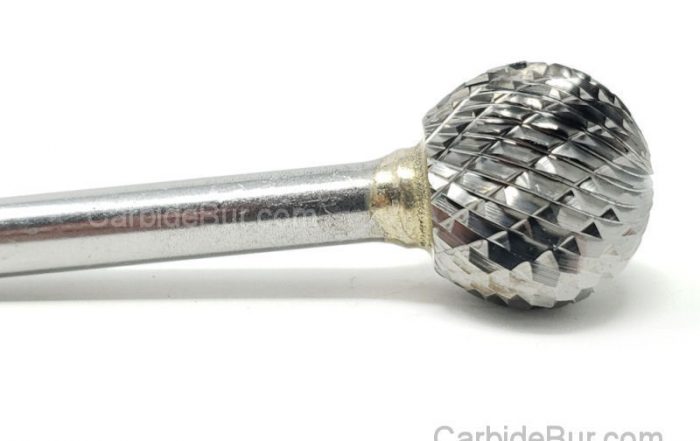
Selecting the right carbide bur enhances your work quality. Consider the material you’re working with and the desired finish. Different shapes serve different purposes: ball-shaped burs are great for contouring, while cylindrical ones excel at flat surface work. Make informed choices to match your project’s specific needs. For a deeper dive into carbide bur selection, check out this resource.
Die Grinder Techniques
Once you know your tools, it’s time to master the techniques that bring out their full potential.
Basics of Die Grinders
Die grinders are versatile power tools. They use rotary motion to grind, sand, and polish materials. Lightweight and compact, they are perfect for precision work. With the right attachment, such as a carbide bur, a die grinder can tackle a wide range of tasks. Understanding its controls and settings is essential for optimal use.
Maintaining Control and Precision
Maintaining control is crucial for accurate results. Start with a firm grip and use both hands to stabilize the tool. Adjust the speed to match the material you’re working on; slower speeds are better for delicate work, while higher speeds suit tougher materials. Always keep your focus on the tool’s movement to maintain precision.
Smart Techniques for Better Results
Refine your technique for better outcomes. Practice short, controlled passes to avoid overheating. Regular breaks allow the carbide bur to cool down, extending its life. Also, clear any chip buildup frequently to maintain cutting efficiency. These small adjustments can make a significant difference in the finish quality. Explore more die grinder techniques here.
Mastering Intermittent Passes
Refining your passes can transform the quality and durability of your metalwork projects.
Cooling Techniques with Intermittent Passes
Intermittent passes are key to keeping your tools cool. By allowing short breaks between passes, you prevent the carbide bur from overheating. This cooling period is crucial, especially when working with hard metals. It not only saves the tool from premature wear but also ensures a smoother grinding process.
Managing Chip Buildup Effectively
Chip buildup can hinder your work. Regularly clearing away debris keeps the cutting surface clean and efficient. Use a brush or compressed air to remove chips frequently. This simple step prevents clogging and enhances the tool’s performance, making your job easier and faster.
Achieving Consistent Finishes
Consistency in finishes sets your work apart. By mastering intermittent passes, you ensure even material removal, leading to a smooth and uniform surface. This technique minimizes the risk of uneven spots or scratches, resulting in professional-grade finishes every time. Incorporate these methods for superior results in your projects.
Extending Tool Life
Prolonging the lifespan of your tools is both economical and practical, enhancing your workflow.
Preventing Overheating and Wear
Overheating is a major cause of tool wear. Avoid this by using controlled passes and allowing cooldown periods. Lubricating the tool can also reduce friction, further preventing heat buildup. By taking these precautions, you extend the life of your carbide burs significantly.
Enhancing Fabrication Skills
Improving your techniques boosts your fabrication skills. Mastering tool control and efficient techniques not only improves the quality of your work but also builds your confidence. As you become more proficient, you’ll tackle more complex projects with ease.
Improving Grinding Process Efficiency
Efficiency in grinding processes saves time and resources. By adopting intermittent passes and managing chip buildup, you streamline your workflow. This approach minimizes tool wear and maximizes productivity, allowing you to complete projects faster without compromising quality.
Elevating Your Metalwork Projects
Bringing all these techniques together uplifts your craftsmanship to new levels.
Boosting Your Craftsmanship
Your craftsmanship improves as you integrate these practices. Consistent finishes and extended tool life reflect your expertise and dedication. Clients and peers will notice the superior quality of your work, enhancing your reputation.
Precision and Efficiency in Fabrication
Precision and efficiency become second nature when you apply these methods. Your work will not only meet but exceed the standards expected in metalworking. This precision ensures that each project you undertake is completed with excellence.
Showcasing Superior Results
Ultimately, these techniques showcase superior results in your projects. The quality and consistency of your finishes speak volumes about your skills. Your metalwork becomes a testament to your commitment to excellence, setting you apart as a leader in the field. For additional tips on extending tool life, visit this informative guide.
Looking for Carbide Bur Tools?
Check out our entire selection of USA made carbide bur die grinder tool bits
Follow us on Twitter

Return to CarbideBur.com
Carbide Burs – 1/4″ on 1/8″ Shanks – Accessories – Aluminum Cut – Bur Sets – End Mills – Long Shank – Solid Burs
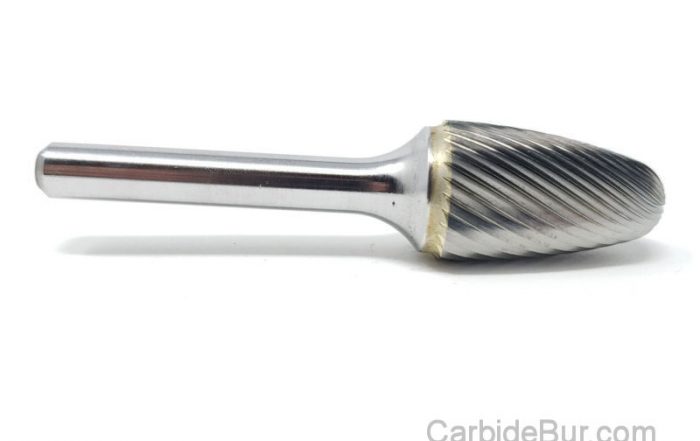
How to Grind a Groove in Metal With a Carbide Burr
How to Grind a Groove in Metal With a Carbide Burr Most metalworkers struggle to cut clean grooves without wasting time or ruining their workpiece. Many try different metalworking tools but end up with uneven [...]
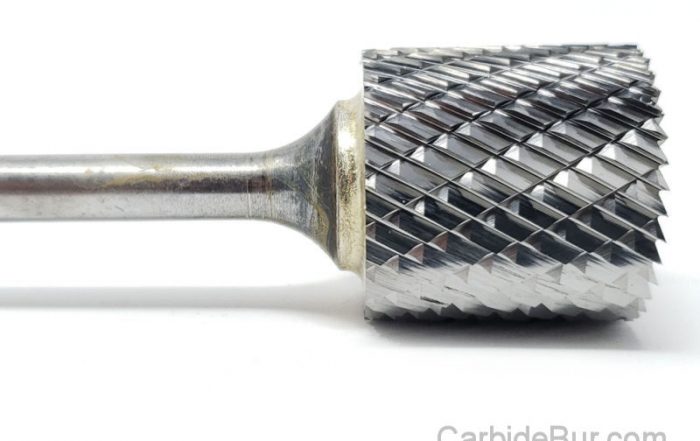
Can Carbide Burrs Cut Through Welds?
Can Carbide Burrs Cut Through Welds? Cutting through welds can feel like a battle, especially when you need clean results without harming the base metal. Carbide burrs offer a sharp edge in this fight, but [...]
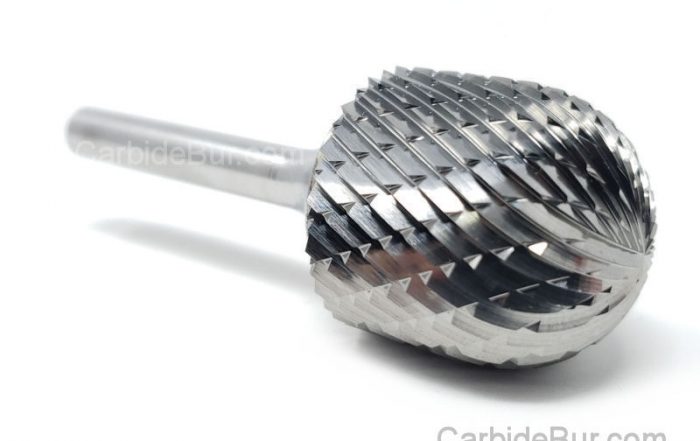
How to Use a Carbide Burr With a Die Grinder
How to Use a Carbide Burr With a Die Grinder Most people treat a carbide burr like just another tool, but using it with a die grinder takes skill. If you’ve struggled with burr installation [...]
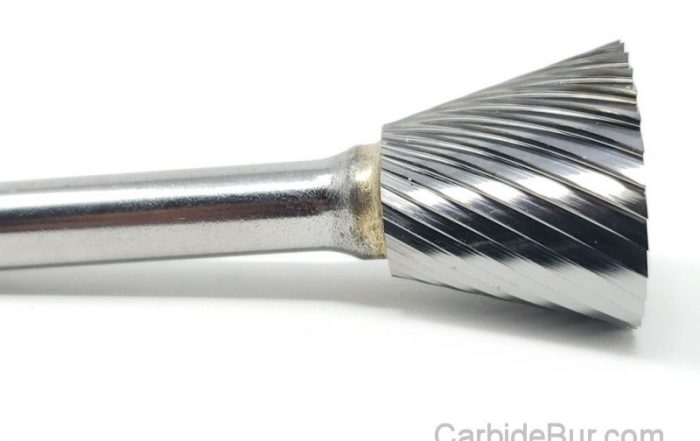
1/8 vs 1/4 Inch Carbide Burrs: What’s the Difference?
1/8 vs 1/4 Inch Carbide Burrs: What's the Difference? Choosing between a 1/8 inch carbide burr and a 1/4 inch carbide burr can change how your project turns out. Many machinists and hobbyists overlook how [...]
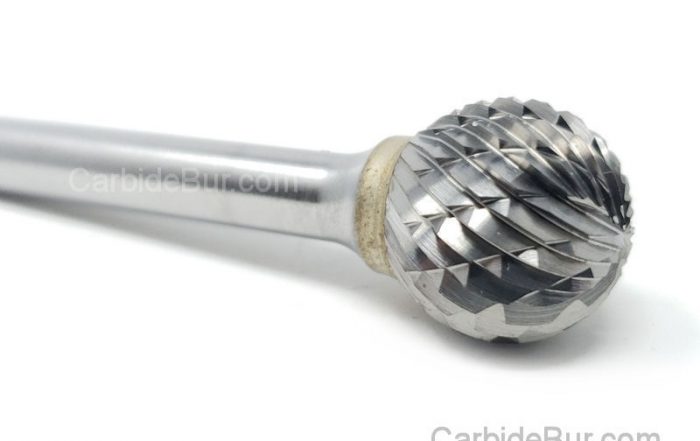
Best Carbide Burr for Removing Flash From Castings
Best Carbide Burr for Removing Flash From Castings Removing flash from castings is a task that can slow down your entire metalworking process if you don’t have the right tools. Picking the best carbide burr [...]
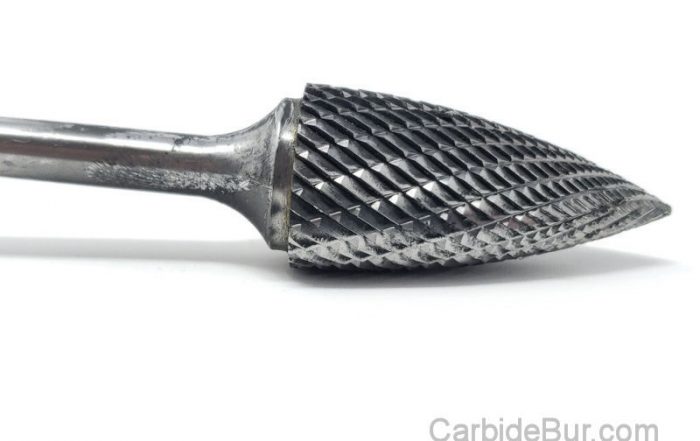
What RPM Should You Use for a 1/4 Inch Carbide Burr?
What RPM Should You Use for a 1/4 Inch Carbide Burr? Most machinists guess the right speed for a 1/4 inch carbide burr and hope for the best. Using the wrong carbide burr RPM can [...]
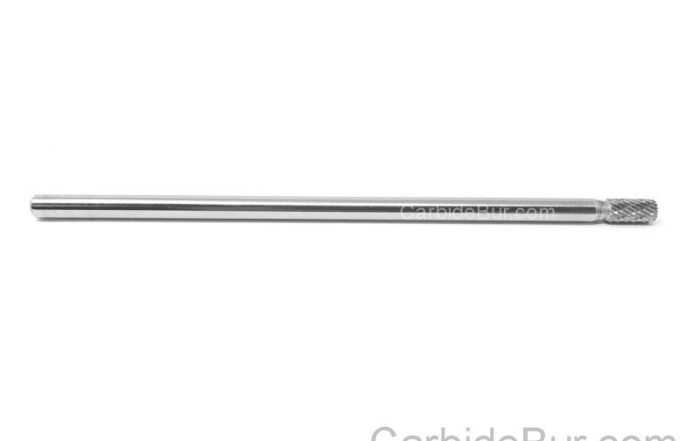
Long Shank Carbide Burrs: When Do You Need One?
Long Shank Carbide Burrs: When Do You Need One? Most machinists overlook the power of long shank carbide burrs until a project demands precision in tight spaces. When your usual tools can’t reach intricate contours, [...]
How Deep Can a Carbide Burr Cut Metal?
How Deep Can a Carbide Burr Cut Metal? Carbide burrs often get praised for their precision, but many users hit a wall wondering how deep they can actually cut metal. The truth is, cutting depth [...]
How to Use Carbide Burrs for Port Matching
How to Use Carbide Burrs for Port Matching Most engine builds hit a wall when airflow doesn’t flow smoothly between the ports and manifolds. If your engine isn’t breathing right, your performance stalls. Using the [...]
Best Carbide Burr for Porting Intake Manifolds
Best Carbide Burr for Porting Intake Manifolds Porting intake manifolds can make or break your engine’s airflow, yet many struggle with the right tools for the job. Choosing the best carbide burrs is key to [...]
Best Carbide Burr for Concave Surfaces
Best Carbide Burr for Concave Surfaces Concave surfaces can turn a straightforward project into a frustrating challenge if you don’t have the right tool. Carbide burrs designed for these tricky curves make all the difference [...]
How to Grind a Slot in Metal With a Carbide Burr
How to Grind a Slot in Metal With a Carbide Burr Grinding a precise slot in metal can feel like a tricky task, especially if you’re unsure which tools to trust. Carbide burr grinding offers [...]
