
Keep Your Tools Sharp: The Importance of Cleaning Carbide Bur Flutes for Machinists
Clogged die grinder flutes slow you down and wear out your carbide bur faster than you think. When working with aluminum or soft metals, debris builds up quickly, cutting into your machining efficiency. Regular cleaning of carbide bur flutes isn’t just maintenance—it’s the key to sharper cuts, longer tool lifespan, and smoother operation. Keep reading to learn simple steps that protect your tools and improve your metalworking results. For more insights, check out this guide on tool longevity.
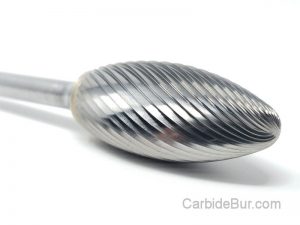
Looking for Carbide Bur Tools?
Check out our entire selection of USA made carbide bur die grinder tool bits
Understanding Carbide Bur Maintenance
Keeping your carbide burs clean is more than just a good habit. It’s the foundation for better machining and longer tool life. Let’s dive into why this matters.
Why Carbide Bur Maintenance Matters
The cleanliness of your carbide burs directly impacts your work. Dirty burs can lead to less precise cuts and even damage your projects. Imagine trying to cut through material with a dull knife. It’s frustrating. Clean burs cut better and save you time.
Regular maintenance means fewer interruptions. You avoid the hassle of replacing or fixing worn-out tools. Plus, clean burs ensure your die grinder operates smoothly. This saves you money and effort in the long run.
Key Benefits of Regular Cleaning
Regular cleaning of carbide burs offers several advantages. First, it extends the life of your tools. Burs last longer when they are free from debris. This means fewer replacements and more savings.
Second, it improves your work quality. Clean burs provide cleaner finishes. Your projects will look sharper and more professional. You also reduce the risk of accidents. Dirty tools can slip or stick, but clean ones perform consistently.
Essential Tools for Maintenance
To keep your carbide burs in top shape, you’ll need a few tools. A wire brush is great for removing debris quickly. Compressed air can blow away particles stuck in the flutes. Both are essential for maintaining clean tools.
You might also consider a cleaning solution for stubborn buildup. Some experts recommend a simple solution of soap and water. It’s effective and cost-efficient. For more tips on maintaining your burs, visit this dedicated forum.
Cleaning Die Grinder Flutes
Now that you know why maintenance is vital, it’s time to explore how to clean those burs effectively. Here are some techniques that will make a difference.
Techniques for Effective Debris Removal
Removing debris from die grinder flutes is crucial. Start by using a wire brush to scrub the flutes gently. This loosens any stuck material. Be careful not to damage the bur itself.
Next, use compressed air to blow away remaining particles. Hold the bur at different angles to ensure thorough cleaning. This two-step approach ensures your burs stay in excellent condition.
Best Practices with Soft Metals
Soft metals like aluminum can clog your burs quickly. When working with these materials, frequent cleaning is essential. After each session, inspect your burs for buildup.
Consider using a lubricant while cutting. This minimizes debris sticking to the burs. Rinse them with a mild cleaning solution afterward. This keeps your tools ready for the next project. Check out this discussion on aluminum buildup for more insights.
Tools for Cleaning Carbide Burs
Besides a wire brush and compressed air, other tools can help. Some machinists use ultrasonic cleaners. These machines reach places manual cleaning can’t.
An old toothbrush can also be handy for stubborn spots. It’s gentle and effective. Keep these tools within reach, and you’ll always be ready to tackle debris.
Enhancing Cutting Performance
With clean burs, you can focus on what matters most: cutting performance. Here’s how maintenance boosts your results.
Achieving Cleaner Finishes
Clean burs give you precise, clean cuts every time. There’s nothing more satisfying than seeing your tools glide through material effortlessly. Your projects will look more professional, reflecting your attention to detail.
Improving finishes is not just about aesthetics. It’s about reducing post-processing time. Less cleanup means faster delivery of your final product. A win-win for any machinist.
Extending Tool Lifespan
Regular maintenance extends the life of your carbide burs. You’re not just cleaning; you’re investing in your tools. A well-maintained bur can last for years, saving you from frequent replacements.
Think of the cost savings. Every extra hour a tool lasts is money saved. You’ll appreciate this when your budget stretches further. For additional maintenance tips, read this comprehensive guide.
Improving Machining Efficiency
A clean tool is an efficient tool. Machining efficiency improves when burs are free from debris. Your work becomes smoother, requiring less force from the die grinder.
This efficiency translates into lower energy consumption. You save on power costs and reduce wear and tear on your machinery. It’s better for your wallet and the environment.
Ensuring Safer Operation
Safety should never be an afterthought. Clean tools play a big role in ensuring a safe workspace. Here’s how regular cleaning helps.
Preventing Tool Clogging
Tool clogging is more than an inconvenience. It’s a hazard. Clogged burs can cause your grinder to jam or slip, leading to accidents. Regular cleaning prevents this risk.
By keeping your burs clear, you maintain control over your tools. This reduces the chance of unexpected movements and keeps your projects on track.
Avoiding Accidents and Interruptions
Accidents disrupt your workflow and can cause injuries. Keeping your tools clean minimizes these risks. You’re not just protecting yourself but also those around you.
Interruptions from tool failure are frustrating. They waste time and resources. Clean burs keep your operations running smoothly, ensuring productivity.
Tips for Safer Metalworking
Safety goes beyond clean tools. Wear protective gear like goggles and gloves. Ensure your workspace is well-lit and organized. These practices, combined with clean tools, create a safer working environment.
Keep a checklist of safety measures. Review it regularly to stay vigilant. A proactive approach minimizes risks and promotes a culture of safety.
Incorporating Maintenance into Workflow
Integrating regular maintenance into your workflow is key to achieving consistent results. Here’s how to make it a habit.
Scheduling Regular Cleaning Sessions
Set aside time for tool maintenance. Treat it as a part of your routine, not an afterthought. Regular cleaning sessions keep your burs in top shape and ready for action.
Consider scheduling these sessions after each project. This ensures your tools are always prepared for the next task. Regularity is the secret to success.
Building a Routine for Success
Create a maintenance checklist. Include all necessary steps: cleaning, inspecting, and storing your tools properly. A clear routine makes maintenance quick and efficient.
Consistency builds habits. The more you stick to your routine, the more natural it becomes. Soon, maintaining your tools will be second nature.
Metalworking Tips for Better Results
In addition to maintenance, focus on improving your skills. Stay updated with the latest techniques and technologies. Join online communities to exchange tips and insights with fellow machinists. This Facebook group is a great place to start.
Practice makes perfect. The more you work with your tools, the better you’ll become. Combine this with regular maintenance, and you’re set for success.
By incorporating these practices, you’re not just maintaining tools; you’re enhancing your craft. Remember, clean tools lead to clean results. Keep them sharp and ready for every challenge.
Looking for Carbide Bur Tools?
Check out our entire selection of USA made carbide bur die grinder tool bits
Follow us on Twitter

Return to CarbideBur.com
Carbide Burs – 1/4″ on 1/8″ Shanks – Accessories – Aluminum Cut – Bur Sets – End Mills – Long Shank – Solid Burs
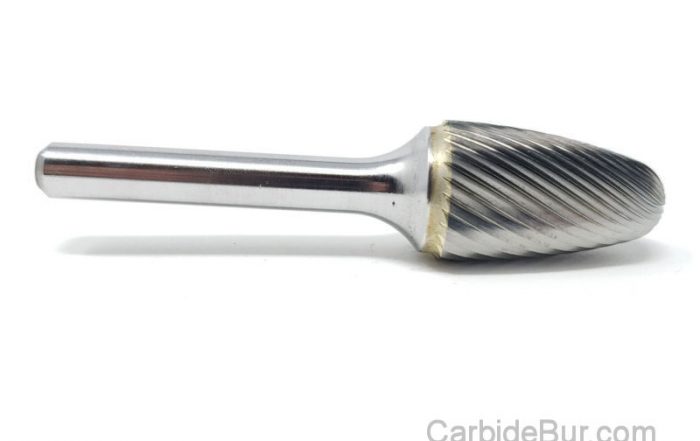
How to Grind a Groove in Metal With a Carbide Burr
How to Grind a Groove in Metal With a Carbide Burr Most metalworkers struggle to cut clean grooves without wasting time or ruining their workpiece. Many try different metalworking tools but end up with uneven [...]
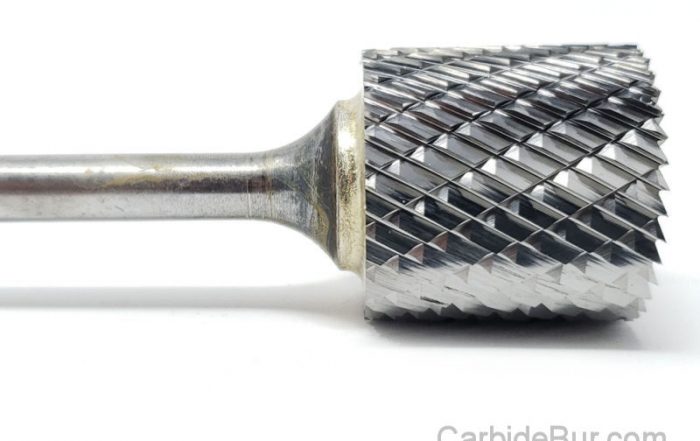
Can Carbide Burrs Cut Through Welds?
Can Carbide Burrs Cut Through Welds? Cutting through welds can feel like a battle, especially when you need clean results without harming the base metal. Carbide burrs offer a sharp edge in this fight, but [...]
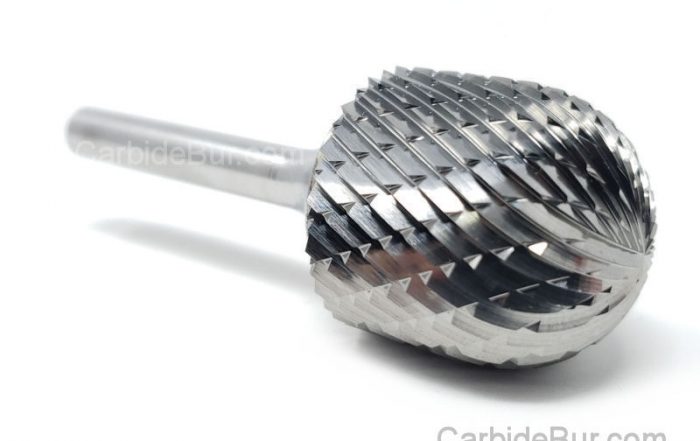
How to Use a Carbide Burr With a Die Grinder
How to Use a Carbide Burr With a Die Grinder Most people treat a carbide burr like just another tool, but using it with a die grinder takes skill. If you’ve struggled with burr installation [...]
1/8 vs 1/4 Inch Carbide Burrs: What’s the Difference?
1/8 vs 1/4 Inch Carbide Burrs: What's the Difference? Choosing between a 1/8 inch carbide burr and a 1/4 inch carbide burr can change how your project turns out. Many machinists and hobbyists overlook how [...]
Best Carbide Burr for Removing Flash From Castings
Best Carbide Burr for Removing Flash From Castings Removing flash from castings is a task that can slow down your entire metalworking process if you don’t have the right tools. Picking the best carbide burr [...]
What RPM Should You Use for a 1/4 Inch Carbide Burr?
What RPM Should You Use for a 1/4 Inch Carbide Burr? Most machinists guess the right speed for a 1/4 inch carbide burr and hope for the best. Using the wrong carbide burr RPM can [...]
Long Shank Carbide Burrs: When Do You Need One?
Long Shank Carbide Burrs: When Do You Need One? Most machinists overlook the power of long shank carbide burrs until a project demands precision in tight spaces. When your usual tools can’t reach intricate contours, [...]
How Deep Can a Carbide Burr Cut Metal?
How Deep Can a Carbide Burr Cut Metal? Carbide burrs often get praised for their precision, but many users hit a wall wondering how deep they can actually cut metal. The truth is, cutting depth [...]
How to Use Carbide Burrs for Port Matching
How to Use Carbide Burrs for Port Matching Most engine builds hit a wall when airflow doesn’t flow smoothly between the ports and manifolds. If your engine isn’t breathing right, your performance stalls. Using the [...]
Best Carbide Burr for Porting Intake Manifolds
Best Carbide Burr for Porting Intake Manifolds Porting intake manifolds can make or break your engine’s airflow, yet many struggle with the right tools for the job. Choosing the best carbide burrs is key to [...]
Best Carbide Burr for Concave Surfaces
Best Carbide Burr for Concave Surfaces Concave surfaces can turn a straightforward project into a frustrating challenge if you don’t have the right tool. Carbide burrs designed for these tricky curves make all the difference [...]
How to Grind a Slot in Metal With a Carbide Burr
How to Grind a Slot in Metal With a Carbide Burr Grinding a precise slot in metal can feel like a tricky task, especially if you’re unsure which tools to trust. Carbide burr grinding offers [...]
