
Say Goodbye to Stubborn Buildup: Cleaning Carbide Burs for Optimal Cutting Efficiency
Clogged carbide burs slow down your die grinder and ruin your aluminum cleanup. Left untreated, stubborn buildup cuts into your tool’s lifespan and cutting efficiency. Soaking your carbide bur in a sodium hydroxide solution clears debris safely, restoring sharpness and smooth operation. Keep your die grinder in top shape with this simple step and finish projects faster without swapping out worn tools. Learn more about this process here.
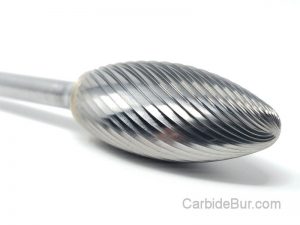
Looking for Carbide Bur Tools?
Check out our entire selection of USA made carbide bur die grinder tool bits
Understanding Carbide Burs
Before diving into cleaning techniques, it’s vital to grasp what carbide burs are and why they’re essential. This understanding sets the stage for maintaining your tools effectively.
What Are Carbide Burs?
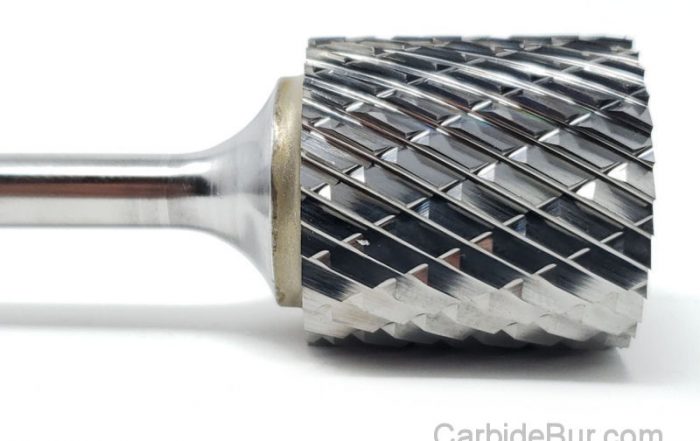
Carbide burs are small, rotary tools used in die grinders. They’re crafted from tungsten carbide, making them incredibly durable. These tools cut through materials like aluminum with precision. Metalworkers and machinists rely on them for various tasks. The strength of a carbide bur means it can endure high-speed operations. However, they still require care to avoid performance loss. This leads us to the importance of keeping them in peak condition.
Importance of Cutting Efficiency
Cutting efficiency is crucial in metalworking. It influences the speed and quality of your work. A well-maintained carbide bur ensures your die grinder performs at its best. When your burs are sharp, you execute cuts smoothly, reducing time spent on each project. This efficiency leads to cleaner finishes and less material waste. Imagine the satisfaction of a job well done—thanks to sharp tools. By focusing on cutting efficiency, you achieve more with less effort.
Challenges of Stubborn Buildup
Stubborn buildup poses a significant challenge. It’s the main culprit behind reduced tool performance. Aluminum debris clogs the bur’s flutes, hindering their cutting ability. You might notice your grinder struggling, or see rougher finishes than usual. This buildup not only affects efficiency but can also shorten tool lifespan. Most people think these issues are inevitable, but they can be avoided with proper care.
Effective Cleaning Techniques
Now that you understand the challenges, let’s explore how to tackle them. Cleaning your burs effectively is the key to maintaining their cutting prowess.
Using Sodium Hydroxide Solution
One proven method involves a sodium hydroxide solution. This chemical safely dissolves aluminum debris without harming the bur. Here’s how you can use it:
-
Prepare the solution: Mix sodium hydroxide with water in a container.
-
Soak the burs: Submerge the clogged burs for a few hours.
-
Rinse thoroughly: After soaking, rinse the burs with clean water.
This process restores your burs’ sharpness, readying them for action. For a visual guide, check out this video.
Safe Practices for Aluminum Cleanup
Safety is a priority when working with chemicals. Always wear gloves and goggles when handling sodium hydroxide. Work in a well-ventilated area to avoid inhaling fumes. These precautions protect you from potential hazards. By adopting safe practices, you ensure both your safety and tool longevity. Most people assume cleaning is risky, but with the right steps, it doesn’t have to be.
Essential Tools for Buildup Removal
Apart from chemicals, certain tools aid in buildup removal. Small wire brushes and dental picks are handy for removing stubborn clogs. These tools allow you to clean burs manually, reaching tight spots. Keep a set of these tools in your workshop for convenience. Regular cleaning prevents buildup from becoming a serious issue. With the right tools, you maintain your equipment effortlessly.
Maintaining Die Grinder Performance
Maintaining your die grinder is as important as cleaning the burs. This section will guide you through essential practices to keep your tools running smoothly.
Regular Die Grinder Maintenance Tips
Routine maintenance keeps your grinder in top form. Start by inspecting the tool’s components for wear. Clean the air filters regularly and lubricate moving parts. These simple steps prevent operational hiccups. A well-maintained grinder is less prone to breakdowns. By dedicating time to upkeep, you prolong the tool’s life, ensuring it serves you well for years.
Preventing Tool Wear and Tear
Preventing wear requires attention to detail. Avoid overloading the grinder, as excessive force leads to premature wear. Use the appropriate bur for each task, avoiding unnecessary strain. Regular inspections catch early signs of damage. Addressing small issues prevents larger problems down the line. Most people overlook these details, but they make a significant difference.
Benefits of Routine Tool Restoration
Routine restoration offers several benefits. It enhances performance, saves money, and reduces downtime. By restoring tools regularly, you avoid frequent replacements. You’ll find your projects progress smoothly with fewer interruptions. The longer you wait to restore, the more likely you are to face setbacks. Consistent maintenance pays off in the long run.
Enhancing Tool Longevity
Adopting good practices extends your tools’ lifespan. Let’s explore how you can make your equipment last longer.
Prolonging Carbide Bur Lifespan
To prolong lifespan, focus on preventive care. Clean and store burs properly after each use. Avoid exposing them to moisture, which leads to rust. By following these tips, you protect your investment, ensuring your burs remain in excellent condition.
Ensuring Optimal Cutting Efficiency
Maintaining cutting efficiency is a continuous process. Regular sharpening keeps your burs in peak shape. Use sharpening stones designed for carbide tools. This practice ensures your burs perform optimally, cutting through materials effortlessly. Consistent sharpening brings out the best in your tools.
Achieving High-Quality Project Finishes
High-quality finishes stem from well-maintained tools. When your burs and grinder work harmoniously, you achieve precise cuts. This results in smoother surfaces and professional-looking projects. By prioritizing tool care, you enhance the quality of your work. It’s not just about finishing the job; it’s about excelling at it.
Incorporate these strategies into your routine to elevate your metalworking experience. For more insights, visit this ultimate guide.
Looking for Carbide Bur Tools?
Check out our entire selection of USA made carbide bur die grinder tool bits
Follow us on Twitter

Return to CarbideBur.com
Carbide Burs – 1/4″ on 1/8″ Shanks – Accessories – Aluminum Cut – Bur Sets – End Mills – Long Shank – Solid Burs
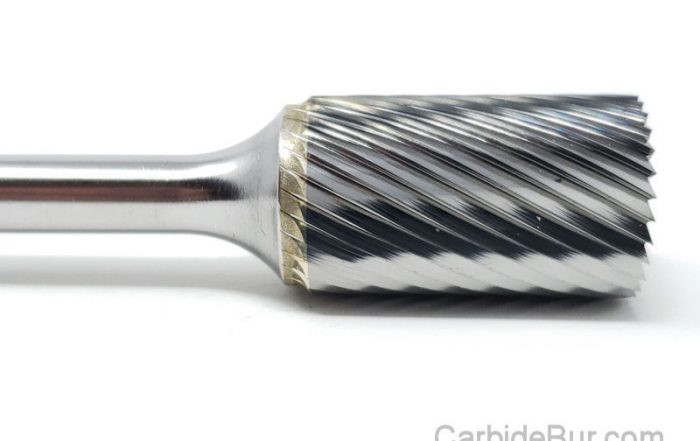
How 3D-Printed Carbide is Redefining Precision Toolmaking with Kennametal’s Latest Technology
How 3D-Printed Carbide is Redefining Precision Toolmaking with Kennametal's Latest Technology Custom hole-finishing tools have long faced limits in design and cooling options that hold back their performance. Kennametal’s new 3D-printed carbide grade changes that [...]

The Future of Additive Manufacturing in Aerospace and Automotive Industries
The Future of Additive Manufacturing in Aerospace and Automotive Industries Metal 3D printing is no longer just a concept for prototypes; it’s scaling up fast in aerospace and automotive fields. But raw prints don’t meet [...]
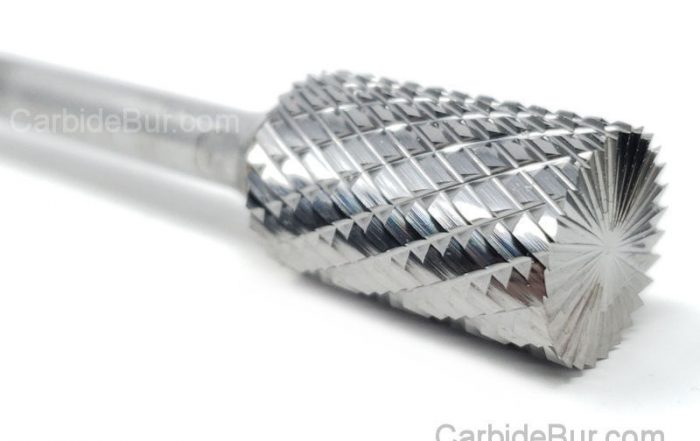
Navigating the Tungsten Carbide Shortage
Navigating the Tungsten Carbide Shortage: Strategies for Metalworkers in 2026 The tungsten carbide shortage in 2026 is hitting metalworkers hard, pushing tool prices higher and supply tighter than most expected. If you’ve noticed your carbide [...]
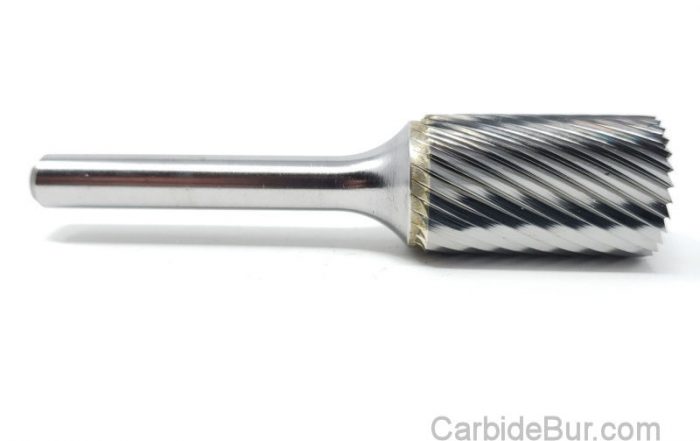
How Export Controls and Tungsten Processing Impact Carbide Production
How Export Controls and Tungsten Processing Impact Carbide Production Tungsten supply issues are hitting carbide tool manufacturing harder than ever before. Export controls and shifts in tungsten processing have tightened availability, stretching manufacturing lead times [...]
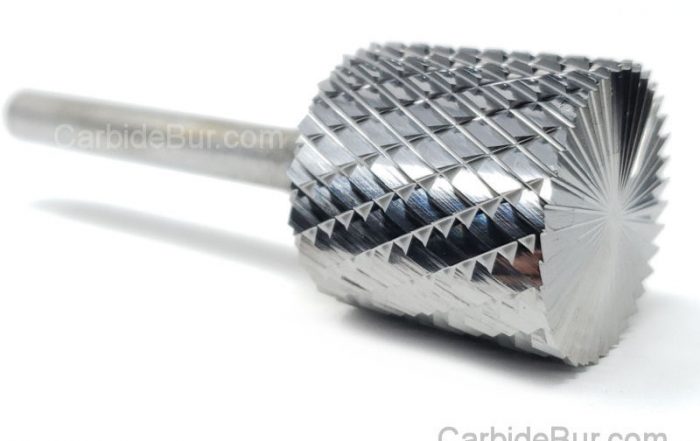
From Alloys to Automation: Mastering CNC Machining for Speed and Accuracy
From Alloys to Automation: Mastering CNC Machining for Speed and Accuracy The old ways of machining can’t keep up with today’s demands for speed and precision. You’re working with tougher alloys and expecting flawless results [...]
Top Deburring Tools for Stainless Steel: From Carbide Burrs to Sanding Blocks
Top Deburring Tools for Stainless Steel: From Carbide Burrs to Sanding Blocks Most people damage their stainless steel finish while trying to deburr it. If you’ve struggled to get smooth edges without ruining your work, [...]

Enhance Your Fabrication Projects with Advanced Finishing Methods
Enhance Your Fabrication Projects with Advanced Finishing Methods You just finished a tough weld, but the job isn’t done yet. Skipping key post-welding processes can leave your joints weak and your project looking rough. In [...]
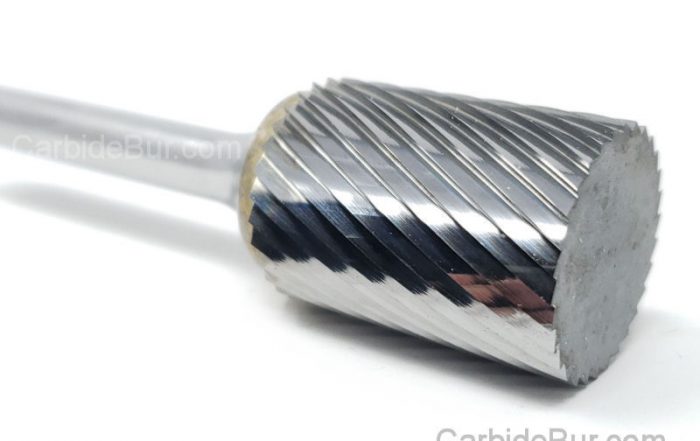
Grinding Metal in Tight Spaces: Top Tool Picks and Essential Safety Tips
Grinding Metal in Tight Spaces: Top Tool Picks and Essential Safety Tips Grinding metal in tight spaces is a challenge many metalworkers and DIYers face. Using the wrong tools often leads to frustration and sloppy [...]
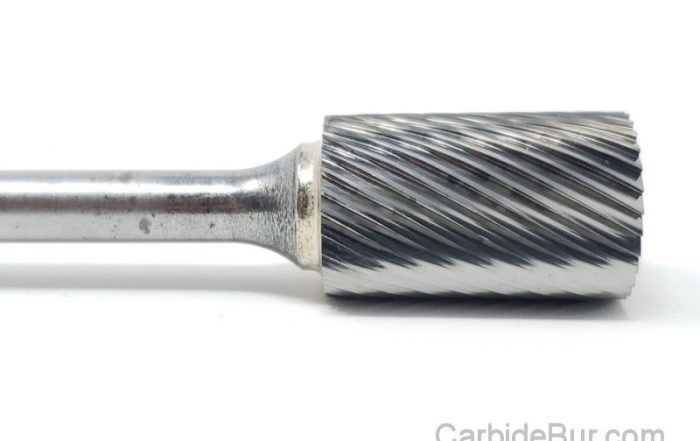
Finding the Best Carbide Burrs for Perfect Weld Cleanup: A Welder’s Guide
Finding the Best Carbide Burrs for Perfect Weld Cleanup: A Welder's Guide Welding cleanup can waste hours if you pick the wrong tools. Using carbide burrs that don’t fit your weld removal or metal blending [...]
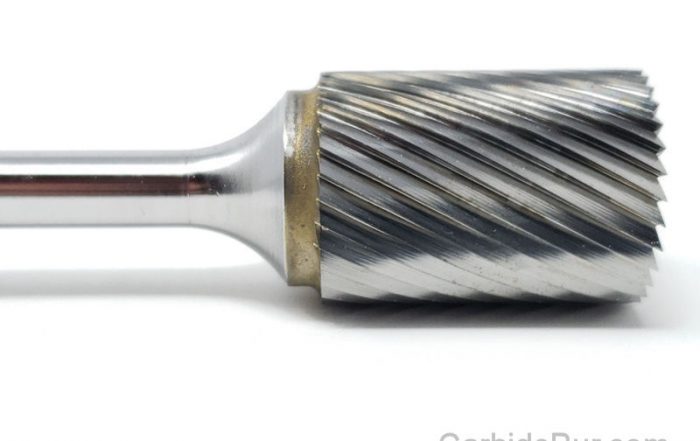
Riding the Wave: How the Machine-Tool Orders Surge is Shaping Manufacturing
Riding the Wave: How the Machine-Tool Orders Surge is Shaping Manufacturing Machine-tool orders have jumped by 45% this year, shaking up the manufacturing scene. If you're a tool buyer, this surge means fresh chances to [...]
Choosing the Best Carbide Burrs for Your Projects
Quality and Performance: Choosing the Best Carbide Burrs for Your Projects Choosing between American-made carbide burrs and imported carbide tools can feel like navigating a maze without a map. You want tools that last and [...]
The Ultimate Guide to Choosing the Right Die Grinder Attachments
The Ultimate Guide to Choosing the Right Die Grinder Attachments Reaching deep cavities with your die grinder can feel like a puzzle with missing pieces. When you’re stuck trying to access tight spaces, the right [...]
