
Mastering Die Grinder Techniques: Enhance Control and Precision with Carbide Bur
Most people underestimate how much their support hand affects control while grinding. Without a solid grip anchored on the workpiece, aggressive cuts with a carbide bur can quickly slip out of hand, risking mistakes and injury. Learning to steady your die grinder this way boosts machining precision and builds the confidence needed for cleaner, safer results. Let’s break down the key die grinder techniques that keep your tool steady and your cuts sharp. Learn more here.
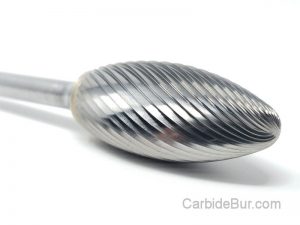
Looking for Carbide Bur Tools?
Check out our entire selection of USA made carbide bur die grinder tool bits
Mastering Die Grinder Techniques
Understanding Die Grinders
The journey to precision starts with knowing your tools. A die grinder is a versatile handheld tool used for grinding, sanding, honing, and polishing. It can handle a variety of tasks, making it essential in any machinist’s toolkit. These grinders come in pneumatic or electric models, with speeds often exceeding 20,000 RPM. Such power demands respect and careful handling to achieve the best results. For further details, check this guide.
Choosing the Right Carbide Bur
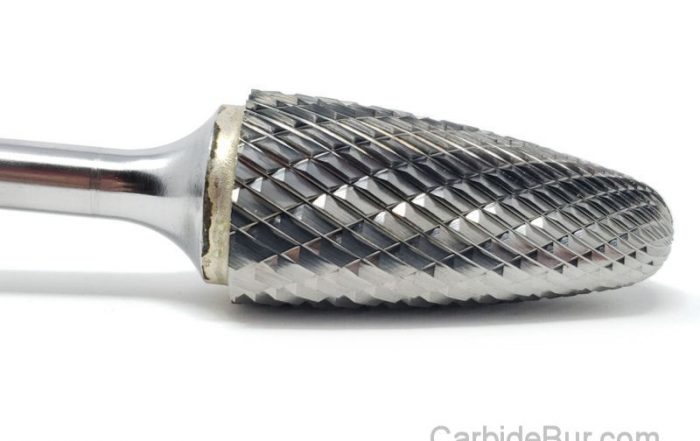
Selecting the proper carbide bur is crucial for optimal performance. Carbide burs come in various shapes and sizes, each suited for specific tasks. Whether you’re carving, cutting, or grinding, the right bur affects the quality and efficiency of your work. For instance, a flame-shaped bur is perfect for round contours, while a cylindrical one is ideal for flat surfaces. Understanding these differences can dramatically enhance your projects. Learn more about different burs here.
Benefits of Proper Technique
Mastering the correct techniques with your die grinder boosts both safety and efficiency. A steady hand and mindful approach reduce the risk of accidents and ensure cleaner cuts. This expertise not only protects you but also extends the life of your tools. Proper technique also leads to smoother finishes and more precise results. It’s an investment in your craft that pays off with every project.
Enhancing Control While Grinding
Once you understand your tools and options, the next step is honing control while grinding. This skill separates amateurs from skilled professionals.
Anchoring Your Support Hand
A firm grip sets the foundation for precision. By anchoring your support hand on the workpiece, you create a stable pivot point. This method allows for smoother movements and reduces hand fatigue. Without this stability, even the smallest slip can result in a flawed piece or potential injury. Remember, your hand isn’t just holding the tool but guiding it to success.
Managing Tool Power and Torque
Understanding how to manage power and torque is vital. High RPMs mean you’re working with a lot of force. This power can be your ally or your adversary, depending on how you handle it. Start with lower speeds, gradually increasing as you gain confidence. This approach minimizes mistakes and enhances your control over the die grinder.
Reducing Slip Risks
Slips are not only dangerous but also detrimental to your workpiece. To minimize this risk, maintain a firm grip and steady stance. Position yourself so that your arms and body can absorb any sudden movements. Additionally, always ensure your workpiece is securely clamped. Taking these precautions can prevent accidents and ensure a successful project.
Carbide Bur Usage Tips
Understanding and controlling your die grinder is one part of the puzzle. Using the carbide bur effectively is the other.
Selecting the Right Shape
Choosing the right shape of carbide bur can make or break your task. Each shape serves a different purpose, from cutting to polishing. For example, a tree shape is excellent for rounding edges, while an inverted cone works well for making v-cuts. Familiarize yourself with these shapes to enhance your work quality.
Maintaining Sharpness
Keeping your carbide burs sharp is crucial for efficiency. Dull tools require more pressure, increasing the risk of slips. Regular maintenance, like cleaning and inspecting for wear, ensures that your burs remain in top condition. Sharp tools lead to cleaner cuts and less strain on your hands.
Ensuring Workpiece Stability
Stability is key when working with any power tool. Ensure your workpiece is properly secured before starting. This stability not only protects you but also results in more precise work. Using clamps or vices can help hold your piece firmly in place, reducing potential errors.
Achieving Machining Precision
Precision in machining is the goal. Achieving it requires practice and the right strategies.
Strategies for Aggressive Cuts
Aggressive cuts require both skill and courage. Approach these cuts with confidence, but never recklessness. Start by visualizing your path and making steady, consistent passes. It’s important to let the tool do the work while you guide it. This method will lead to smoother finishes and fewer errors.
Enhancing Precision in Movements
Precision comes from controlled movements. Keep your motions fluid and consistent, avoiding sudden jerks or changes in direction. Practice makes perfect, so take time to refine your technique. Remember, each cut should be deliberate and calculated.
Boosting Machining Confidence
Confidence is built through experience and success. Each successful project boosts your belief in your skills. Take small steps, gradually challenging yourself with more complex tasks. With each victory, your confidence grows, making you a more competent machinist.
Improving Tool Handling Skills
Improving your skills with the die grinder is a continuous process. Constant practice and refinement lead to mastery.
Developing a Secure Grip
A secure grip is crucial for control. It prevents slips and allows for better maneuverability. Practice holding the tool comfortably yet firmly. Over time, this grip will feel like an extension of your hand, giving you the confidence to tackle any task.
Practicing Consistent Movements
Consistency is key in machining. Develop a rhythm when working, ensuring each stroke is uniform. This consistency leads to smoother finishes and fewer mistakes. Regular practice helps build this muscle memory, making precision second nature.
Building Confidence and Efficiency
As your skills progress, so does your efficiency. Tasks that once took hours will become quicker, allowing you to take on more projects. This efficiency, paired with growing confidence, makes you a more effective machinist. The longer you practice, the more you’ll see improvement in both speed and quality.
Looking for Carbide Bur Tools?
Check out our entire selection of USA made carbide bur die grinder tool bits
Follow us on Twitter

Return to CarbideBur.com
Carbide Burs – 1/4″ on 1/8″ Shanks – Accessories – Aluminum Cut – Bur Sets – End Mills – Long Shank – Solid Burs
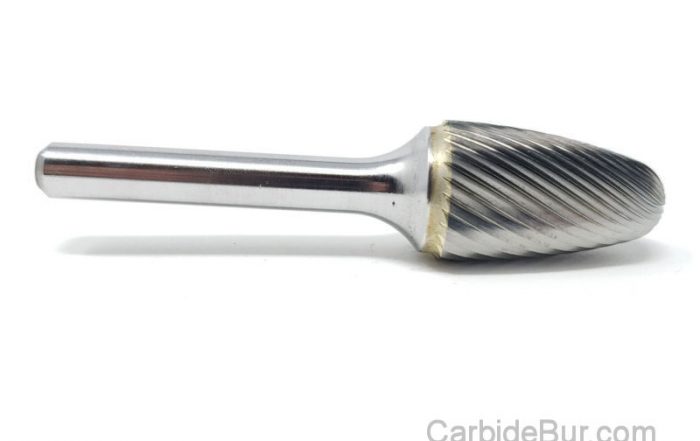
How to Grind a Groove in Metal With a Carbide Burr
How to Grind a Groove in Metal With a Carbide Burr Most metalworkers struggle to cut clean grooves without wasting time or ruining their workpiece. Many try different metalworking tools but end up with uneven [...]
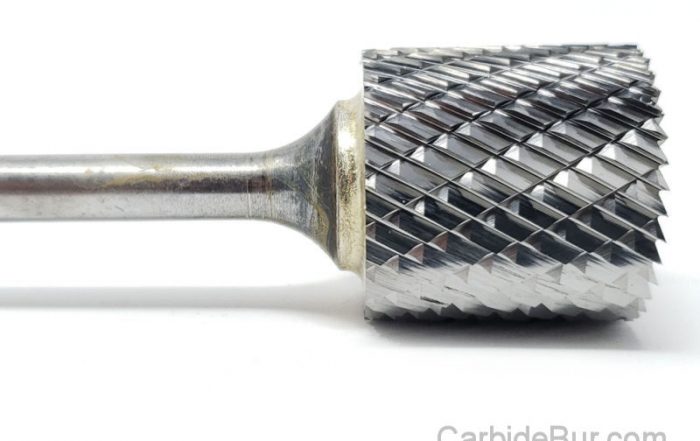
Can Carbide Burrs Cut Through Welds?
Can Carbide Burrs Cut Through Welds? Cutting through welds can feel like a battle, especially when you need clean results without harming the base metal. Carbide burrs offer a sharp edge in this fight, but [...]
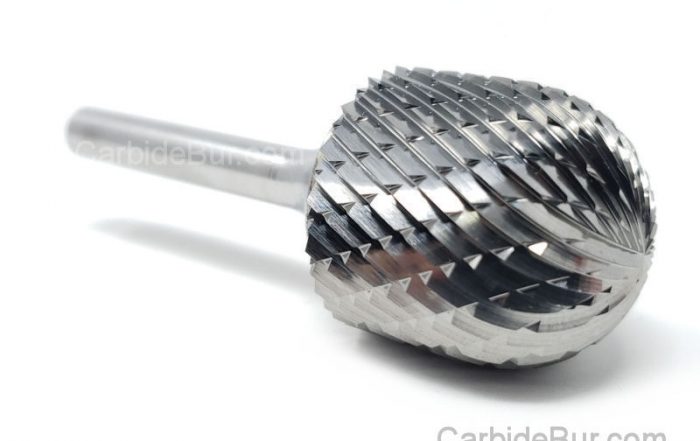
How to Use a Carbide Burr With a Die Grinder
How to Use a Carbide Burr With a Die Grinder Most people treat a carbide burr like just another tool, but using it with a die grinder takes skill. If you’ve struggled with burr installation [...]
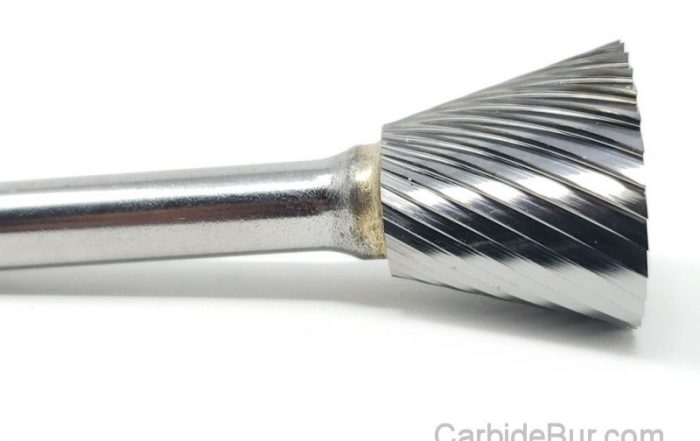
1/8 vs 1/4 Inch Carbide Burrs: What’s the Difference?
1/8 vs 1/4 Inch Carbide Burrs: What's the Difference? Choosing between a 1/8 inch carbide burr and a 1/4 inch carbide burr can change how your project turns out. Many machinists and hobbyists overlook how [...]
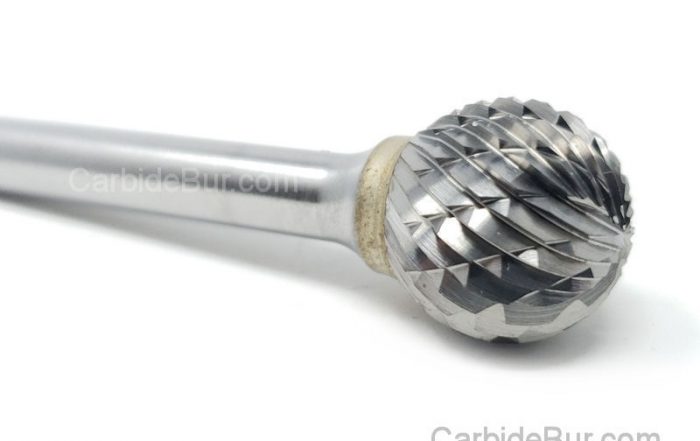
Best Carbide Burr for Removing Flash From Castings
Best Carbide Burr for Removing Flash From Castings Removing flash from castings is a task that can slow down your entire metalworking process if you don’t have the right tools. Picking the best carbide burr [...]
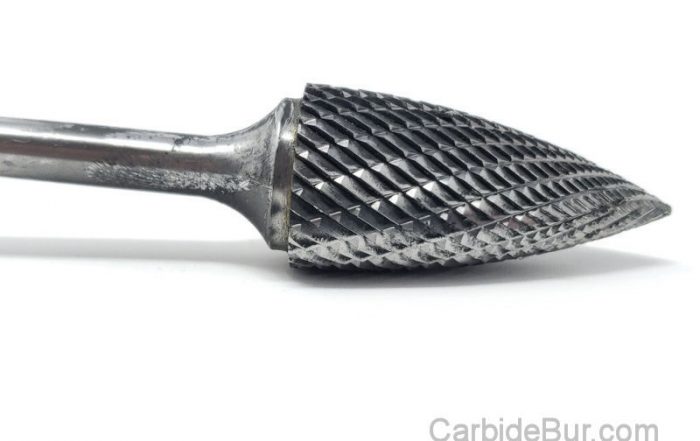
What RPM Should You Use for a 1/4 Inch Carbide Burr?
What RPM Should You Use for a 1/4 Inch Carbide Burr? Most machinists guess the right speed for a 1/4 inch carbide burr and hope for the best. Using the wrong carbide burr RPM can [...]
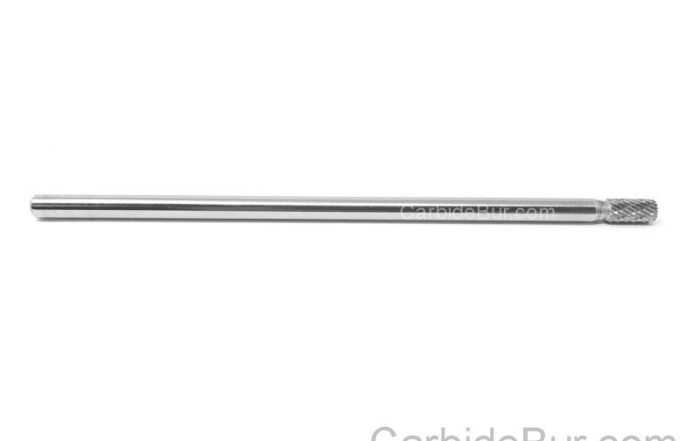
Long Shank Carbide Burrs: When Do You Need One?
Long Shank Carbide Burrs: When Do You Need One? Most machinists overlook the power of long shank carbide burrs until a project demands precision in tight spaces. When your usual tools can’t reach intricate contours, [...]
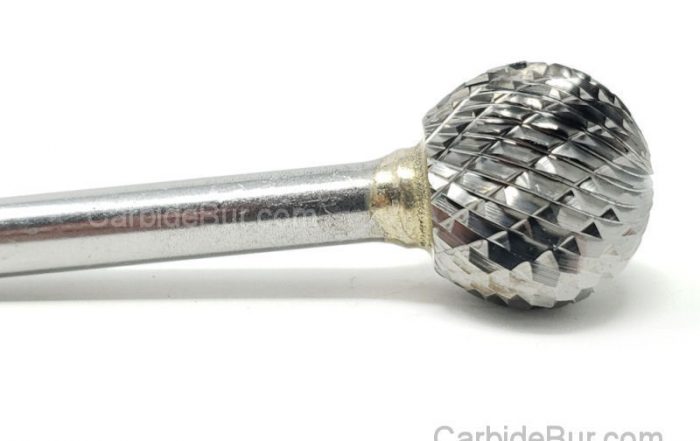
How Deep Can a Carbide Burr Cut Metal?
How Deep Can a Carbide Burr Cut Metal? Carbide burrs often get praised for their precision, but many users hit a wall wondering how deep they can actually cut metal. The truth is, cutting depth [...]
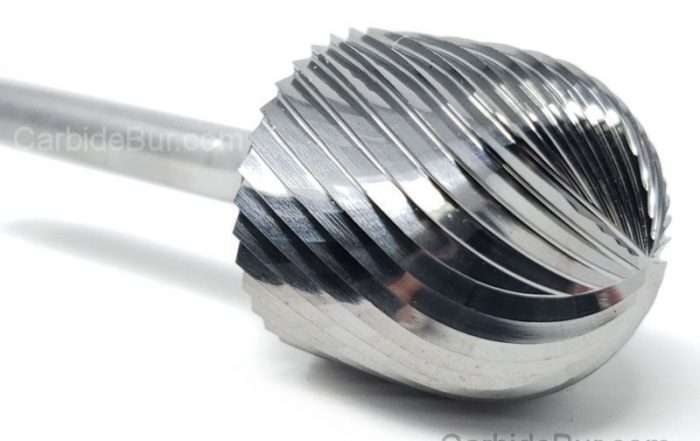
How to Use Carbide Burrs for Port Matching
How to Use Carbide Burrs for Port Matching Most engine builds hit a wall when airflow doesn’t flow smoothly between the ports and manifolds. If your engine isn’t breathing right, your performance stalls. Using the [...]
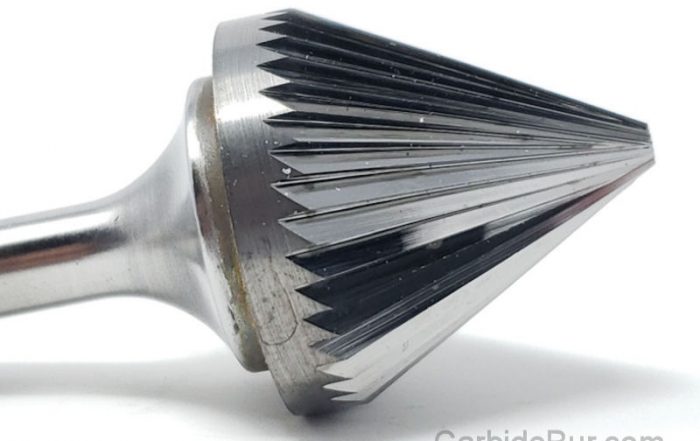
Best Carbide Burr for Porting Intake Manifolds
Best Carbide Burr for Porting Intake Manifolds Porting intake manifolds can make or break your engine’s airflow, yet many struggle with the right tools for the job. Choosing the best carbide burrs is key to [...]
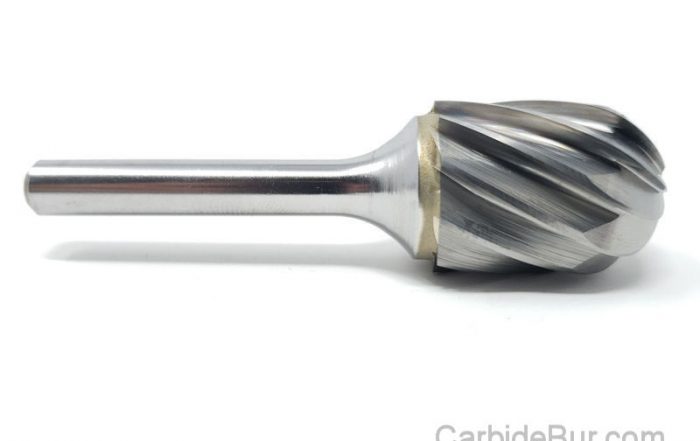
Best Carbide Burr for Concave Surfaces
Best Carbide Burr for Concave Surfaces Concave surfaces can turn a straightforward project into a frustrating challenge if you don’t have the right tool. Carbide burrs designed for these tricky curves make all the difference [...]
How to Grind a Slot in Metal With a Carbide Burr
How to Grind a Slot in Metal With a Carbide Burr Grinding a precise slot in metal can feel like a tricky task, especially if you’re unsure which tools to trust. Carbide burr grinding offers [...]
