
Get Smooth Results: How to Control Your Die Grinder for Professional Finishes
Most die grinder users struggle to get clean cuts on tight curves without gouging the material. Tilting the carbide bur to use its side instead of the tip changes everything. This simple die grinder technique lets you control the tool better, follow intricate curves smoothly, and finish projects like a pro. Keep reading to learn how this small adjustment can sharpen your skills and improve your craftsmanship. Check out more on this technique here.
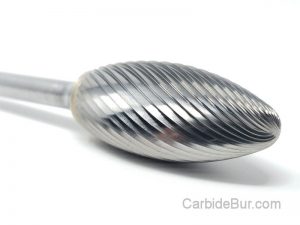
Looking for Carbide Bur Tools?
Check out our entire selection of USA made carbide bur die grinder tool bits
Mastering Die Grinder Techniques
Unlocking the full potential of your die grinder starts with mastering the basics. It’s not just about the tool but how you control it that makes all the difference.
Understanding Tool Control
Getting a handle on your die grinder technique is crucial for any project. At its core, tool control is about precision. You need to feel the tool’s power while guiding it with a steady hand. Keep a firm grip but let the tool do the work. This balance helps you steer the grinder smoothly across various materials. Use short bursts instead of long presses to maintain balance and prevent overheating.
Most people assume pushing hard will get faster results, but it often leads to mistakes. Instead, focus on consistent pressure and movement. By refining your grip and control, you can achieve cleaner cuts. With practice, you’ll see how these small adjustments can lead to big improvements in your projects.
Contouring Tight Radii
Contour work requires a special touch. To master this, start by tilting the die grinder slightly. This allows the carbide bur to make contact on its side rather than the tip. Think of it like using a pencil’s side to shade instead of the point. This reduces gouging and provides a smoother finish.
Crafting tight curves involves patience. Move slowly, especially on sharp bends. Keeping a steady pace prevents the tool from jumping off track. You might want to practice on scrap material first. This helps build confidence and ensures you’re ready for the real deal. Once you’re comfortable, you’ll notice how much easier it is to achieve those intricate shapes you’ve been aiming for.
Enhancing Craftsmanship with Precision
Precision is your best friend when it comes to enhancing craftsmanship. Every small move you make impacts the final result. By focusing on precision, you can elevate your work from amateur to professional. Use the right tool for each task, and pay close attention to detail. Make sure your work area is well-lit so you can see every line and curve clearly.
Adjusting your technique over time will increase your skill level. Listen to feedback from others and seek resources to learn new methods. The more you practice and refine your approach, the more your craftsmanship will stand out. Your projects will not only look better but feel more satisfying to complete.
Perfecting the Carbide Bur Approach
Now that you understand basic tool control, it’s time to dive deeper into mastering the carbide bur. This component is key to achieving those precise, professional finishes.
Choosing the Right Carbide Bur
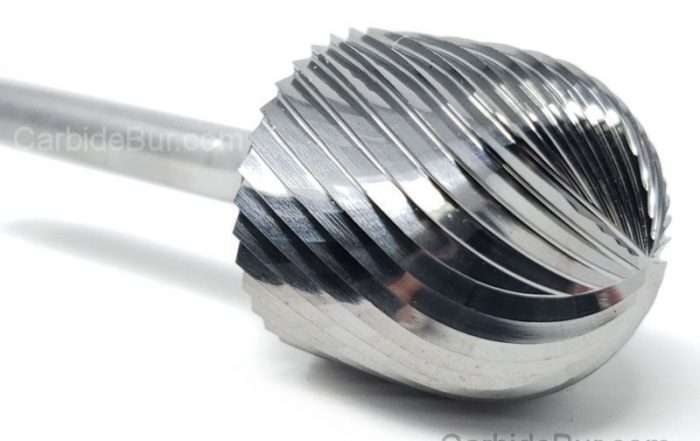
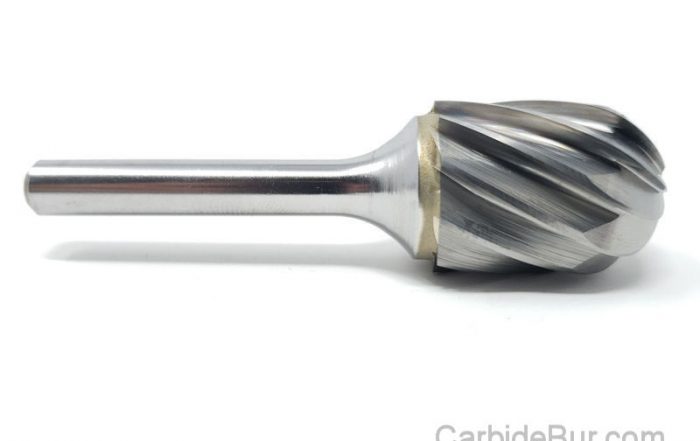
Selecting the right carbide bur is essential for success. Different burs are designed for specific tasks. For tight radii and intricate designs, a round-shaped bur might be your best choice. It allows for smoother transitions and reduces the risk of digging in too deep.
Look for high-quality materials that will last longer and perform better. Investing in good burs can save you time and stress later. Always check the bur’s condition before starting a project. A damaged or worn bur can lead to poor results and may even damage your workpiece.
Techniques for Intricate Curves
When it comes to intricate curves, your technique matters just as much as your tools. Begin by lightly tracing the curve with the bur to establish a guide. This initial pass sets the stage for deeper cuts.
-
Keep your grip relaxed to allow for fluid motion.
-
Use short, controlled strokes.
-
Focus on the curve’s outline before working on depth.
By following these steps, you’ll gradually work your way into the desired shape without overworking the material. This method helps maintain the integrity of the material and ensures a professional-looking finish.
Achieving Smooth Professional Finishes
A smooth finish is the hallmark of a job well done. To achieve this, consistency is key. Maintain a uniform speed and pressure throughout your grinding. Avoid abrupt changes in direction or speed.
One pro tip many miss: always inspect your work frequently. Look at it from different angles to spot any rough spots or uneven areas. A little extra attention here can dramatically improve your final result. With these strategies, your projects will not only look professional but also last longer.
Navigating Complex Shapes
With a solid understanding of both tool control and the carbide bur, you’re ready to tackle more complex shapes. Let’s explore how to efficiently manage these challenges.
Tilt Techniques for Improved Precision
Precision in complex shapes often comes from the tilt technique. Tilting the grinder lets you use the bur’s side for better control. This approach minimizes errors and maximizes precision.
Remember:
-
Gradual tilts prevent slipping.
-
Stay focused on the area you’re shaping.
-
Adjust tilt angle as needed for different parts of the shape.
These tips will help you create sharp, precise edges without sacrificing speed.
Following Intricate Curves
Intricate curves require a steady hand and a focused mind. Use the tilt technique to follow these curves closely. It may seem tricky at first, but with practice, it becomes second nature.
Sketch out the curve beforehand if that helps. Visualization can guide your hand more effectively. The better you plan, the smoother the execution. Remember, patience is key. Rushing can lead to costly mistakes.
Balancing Speed and Control
Finding the right balance between speed and control is crucial. Speed can help you cover more ground quickly, but too much can lead to errors. Focus on maintaining a consistent pace.
-
Use slower speeds for detailed work.
-
Increase speed on larger, less intricate areas.
Balancing these elements will keep your work precise while also being time-efficient. The right balance leads to not just quality work but improved efficiency.
Boosting Confidence in Craftsmanship
With these techniques in your toolbox, you’re set to grow your skills and confidence. Here’s how to tackle common challenges and empower your creativity.
Overcoming Common Challenges
Challenges are part of the process. They teach and refine your skills. If you find yourself struggling with a particular technique, take a step back. Analyze what’s going wrong. Is it the tool, the angle, or the pressure? Identifying the problem is half the solution.
Building Skills with Practice
Practice is your best teacher. Set aside regular time to work on your projects. The more you practice, the better you’ll get. Try to work on different projects that challenge your current skill level. This pushes you to adapt and learn new techniques.
Empowering Your Creativity
With newfound confidence, let your creativity flow. Experiment with different materials and designs. Don’t be afraid to try something new. You have the tools and the knowledge. Now, let your imagination take the lead. Your die grinder is more than just a tool; it’s a means to transform your ideas into reality.
Looking for Carbide Bur Tools?
Check out our entire selection of USA made carbide bur die grinder tool bits
Follow us on Twitter

Return to CarbideBur.com
Carbide Burs – 1/4″ on 1/8″ Shanks – Accessories – Aluminum Cut – Bur Sets – End Mills – Long Shank – Solid Burs
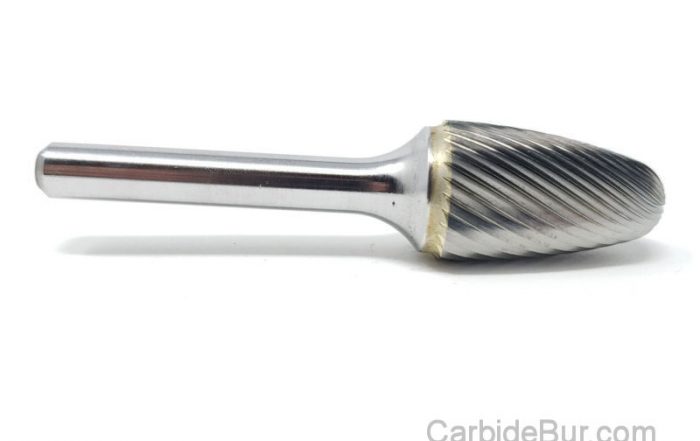
How to Grind a Groove in Metal With a Carbide Burr
How to Grind a Groove in Metal With a Carbide Burr Most metalworkers struggle to cut clean grooves without wasting time or ruining their workpiece. Many try different metalworking tools but end up with uneven [...]
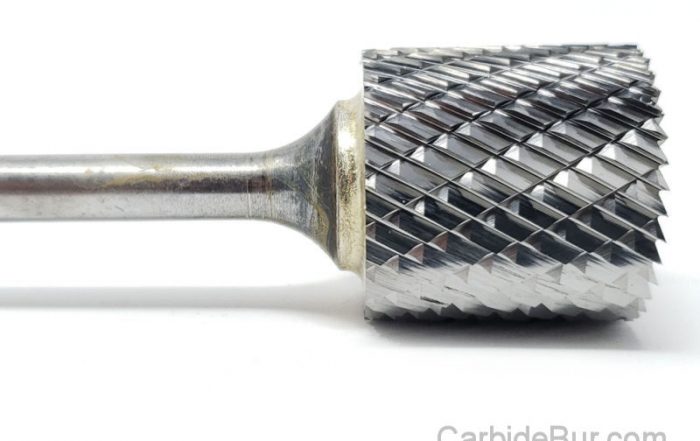
Can Carbide Burrs Cut Through Welds?
Can Carbide Burrs Cut Through Welds? Cutting through welds can feel like a battle, especially when you need clean results without harming the base metal. Carbide burrs offer a sharp edge in this fight, but [...]
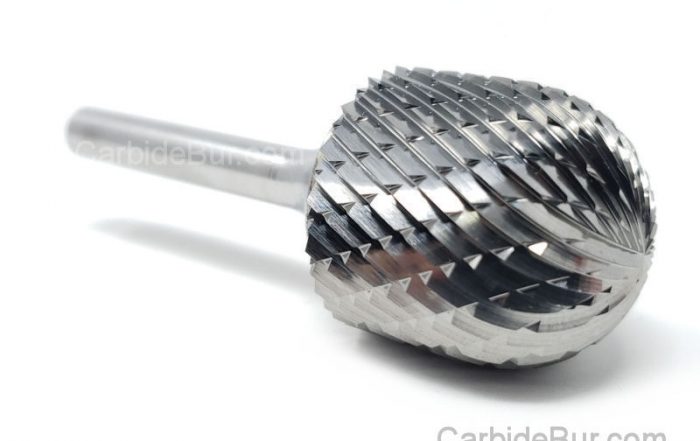
How to Use a Carbide Burr With a Die Grinder
How to Use a Carbide Burr With a Die Grinder Most people treat a carbide burr like just another tool, but using it with a die grinder takes skill. If you’ve struggled with burr installation [...]
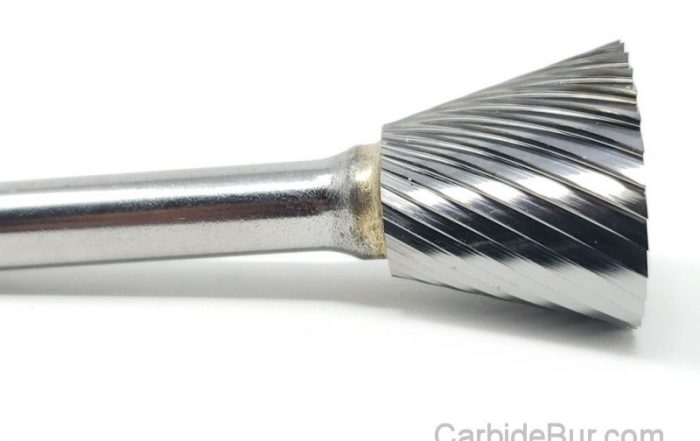
1/8 vs 1/4 Inch Carbide Burrs: What’s the Difference?
1/8 vs 1/4 Inch Carbide Burrs: What's the Difference? Choosing between a 1/8 inch carbide burr and a 1/4 inch carbide burr can change how your project turns out. Many machinists and hobbyists overlook how [...]

Best Carbide Burr for Removing Flash From Castings
Best Carbide Burr for Removing Flash From Castings Removing flash from castings is a task that can slow down your entire metalworking process if you don’t have the right tools. Picking the best carbide burr [...]
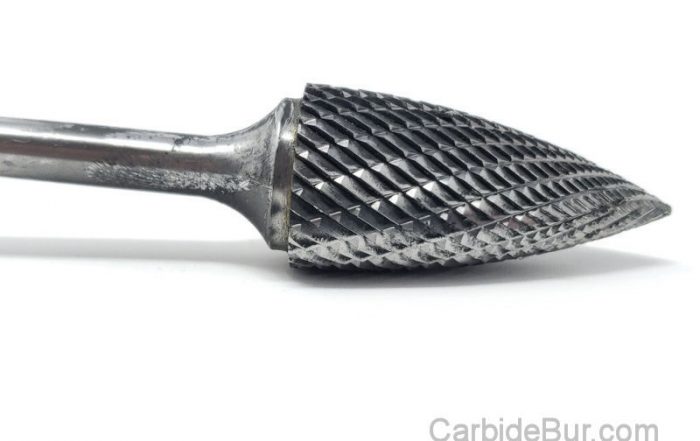
What RPM Should You Use for a 1/4 Inch Carbide Burr?
What RPM Should You Use for a 1/4 Inch Carbide Burr? Most machinists guess the right speed for a 1/4 inch carbide burr and hope for the best. Using the wrong carbide burr RPM can [...]
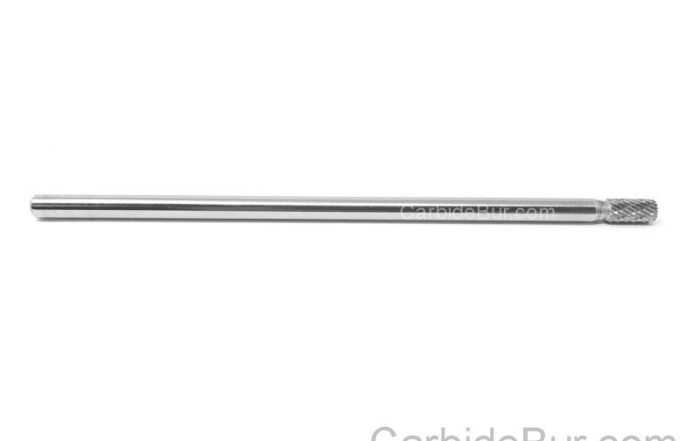
Long Shank Carbide Burrs: When Do You Need One?
Long Shank Carbide Burrs: When Do You Need One? Most machinists overlook the power of long shank carbide burrs until a project demands precision in tight spaces. When your usual tools can’t reach intricate contours, [...]
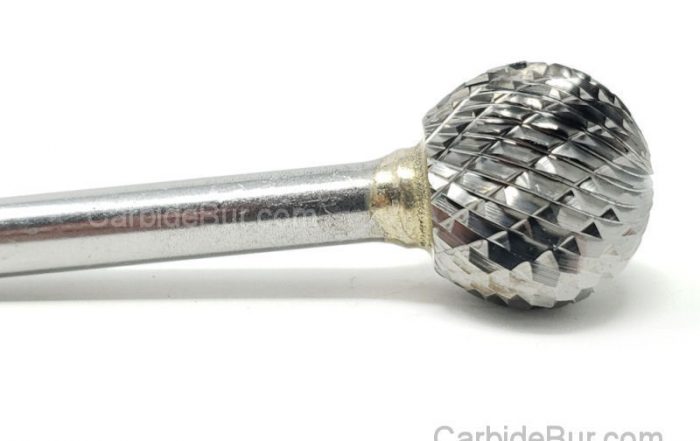
How Deep Can a Carbide Burr Cut Metal?
How Deep Can a Carbide Burr Cut Metal? Carbide burrs often get praised for their precision, but many users hit a wall wondering how deep they can actually cut metal. The truth is, cutting depth [...]
How to Use Carbide Burrs for Port Matching
How to Use Carbide Burrs for Port Matching Most engine builds hit a wall when airflow doesn’t flow smoothly between the ports and manifolds. If your engine isn’t breathing right, your performance stalls. Using the [...]
Best Carbide Burr for Porting Intake Manifolds
Best Carbide Burr for Porting Intake Manifolds Porting intake manifolds can make or break your engine’s airflow, yet many struggle with the right tools for the job. Choosing the best carbide burrs is key to [...]
Best Carbide Burr for Concave Surfaces
Best Carbide Burr for Concave Surfaces Concave surfaces can turn a straightforward project into a frustrating challenge if you don’t have the right tool. Carbide burrs designed for these tricky curves make all the difference [...]
How to Grind a Slot in Metal With a Carbide Burr
How to Grind a Slot in Metal With a Carbide Burr Grinding a precise slot in metal can feel like a tricky task, especially if you’re unsure which tools to trust. Carbide burr grinding offers [...]
