
Achieve Perfect Results: How to Use Rotary Tools Like a Pro
Most people think using a rotary tool is simple until their project falls apart or the tool breaks. You might be making common rotary tool mistakes without realizing it. Fixing these errors will save your time, protect your tools, and deliver better results on every project. Keep reading to learn the key tips for rotary tool use that every DIYer should know. For more insights, check out this guide on avoiding failures while using rotary tools.

Looking for Carbide Bur Tools?
Check out our entire selection of USA made carbide bur die grinder tool bits
Understanding Rotary Tool Basics
Grasping the basics of rotary tools is crucial before diving into projects. These tools are versatile but can be tricky if you don’t know their ins and outs.
Common Rotary Tool Errors
One frequent mistake is using the wrong accessory. This can lead to poor results and even damage your tool. Make sure to select the right attachment for your task. Another error is not securing your material properly. When your project isn’t stable, the tool can slip, ruining your work.
People also forget about proper cleaning. Dust and debris can clog your tool, causing it to overheat. Clean your rotary tool after every use to keep it in top shape. For more tips, explore this quick guide on rotary tool care.
How to Use Rotary Tools Effectively
To use your rotary tool effectively, start with a clear plan. Know what you want to achieve and how each accessory will help. Practice on scrap materials to get a feel for the tool’s power and speed settings.
Always keep a firm grip on your rotary tool. A steady hand ensures precision and reduces the risk of errors. Additionally, use consistent pressure and let the tool do the work. This prevents unnecessary wear and tear and gives you a cleaner finish.
Top Rotary Tool Mistakes
Even seasoned users fall into traps that lead to rotary tool mistakes, so let’s explore how to avoid these pitfalls.
Misunderstanding Tool Functions
Each rotary tool has unique features. Misunderstanding these can lead to misuse. Read the manual to familiarize yourself with your tool’s capabilities. This knowledge helps you pick the right tool for each job.
Another aspect is underestimating the tool’s power. Some jobs require a delicate touch, while others need more force. Adjust your approach based on the task at hand.
Incorrect Accessory Selection
Choosing the wrong accessory is a common error. Different tasks require specific bits or attachments. For instance, sanding discs are perfect for smoothing, while cutting wheels are best for slicing through materials.
Read product labels and reviews to make informed decisions. Keep a variety of accessories on hand to tackle any project.
Overlooking Safety Precautions
Safety is paramount when using rotary tools. Always wear protective gear like gloves and goggles. Loose clothing can get caught in the tool, so dress accordingly.
Ensure your workspace is clean and organized. A cluttered area increases the risk of accidents. Remember, the longer you wait to adopt safety habits, the higher the chance of injury.
Tips for Rotary Tool Use
Leveling up your skills with rotary tools involves learning some key techniques. Here are some practical tips for rotary tool use.
Maintaining Proper Grip
A good grip is essential for precision. Hold the tool like a pencil for intricate work. For larger tasks, use both hands if needed.
Practice maintaining a consistent grip. This control translates to smoother results and reduces fatigue over time.
Ensuring Optimal Speed Settings
Speed matters in rotary tool operation. High speeds suit cutting, while slower speeds are better for polishing. Experiment with different settings to see what works best.
Remember, patience pays off. Rushing through a project often leads to mistakes. Adjust speed settings based on materials and tasks.
Regular Maintenance Practices
Routine maintenance extends the life of your rotary tool. Clean the tool after every use, and check for wear and tear. Replace worn-out parts promptly.
Lubricate moving parts to keep the tool running smoothly. A little upkeep goes a long way in preventing breakdowns.
Preventing Rotary Tool Damage
Preventing damage to your rotary tool involves more than just using it correctly. Let’s look at some ways to protect your investment.
Avoiding Overheating Issues
Overheating is a common issue that can damage your tool. Allow the tool to cool between uses. Overworking it can lead to burnout.
Monitor the tool’s temperature during heavy tasks. If it feels too hot, take a break to let it cool down.
Proper Storage Solutions
Storing your rotary tool properly prevents damage. Keep it in a dry, cool place, away from dust and moisture.
Invest in a sturdy case for added protection. This small step ensures your tool stays in prime condition.
Recognizing Wear and Tear Signs
Be on the lookout for signs of wear and tear. Unusual noises, reduced performance, or visible damage are red flags.
Address issues immediately to prevent further damage. Early intervention saves you time and money in the long run.
Enhancing Your Rotary Tool Skills
Improving your skills with rotary tools opens up new possibilities for your projects. Let’s explore some ways to enhance your abilities.
Practicing on Different Materials
Experiment with various materials to expand your skills. Different surfaces react differently, so practice makes perfect.
Start with scrap pieces to avoid costly mistakes. As you gain confidence, tackle more complex projects.
Expanding Your Tool Collection
A diverse collection of tools allows for greater creativity. Slowly build up your accessories to tackle a wider range of tasks.
Consider investing in specialty bits for unique projects. This expansion gives you more options and versatility in your work.
Learning from Expert Tutorials
Watching expert tutorials can provide valuable insights. Learn new techniques and tips from seasoned professionals.
Look for online resources and workshops to deepen your knowledge. Continuous learning keeps your skills sharp and your projects exciting.
By understanding these common rotary tool mistakes, you can avoid them and improve your DIY projects. With practice and the right approach, you’ll master rotary tools in no time.
Looking for Carbide Bur Tools?
Check out our entire selection of USA made carbide bur die grinder tool bits
Follow us on Twitter

Return to CarbideBur.com
Carbide Burs – 1/4″ on 1/8″ Shanks – Accessories – Aluminum Cut – Bur Sets – End Mills – Long Shank – Solid Burs
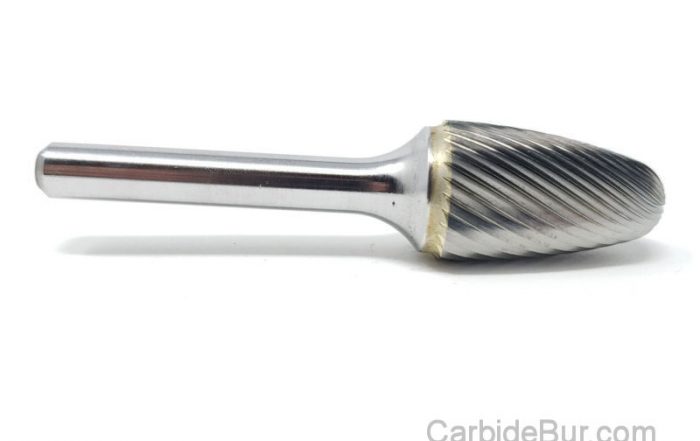
How to Grind a Groove in Metal With a Carbide Burr
How to Grind a Groove in Metal With a Carbide Burr Most metalworkers struggle to cut clean grooves without wasting time or ruining their workpiece. Many try different metalworking tools but end up with uneven [...]
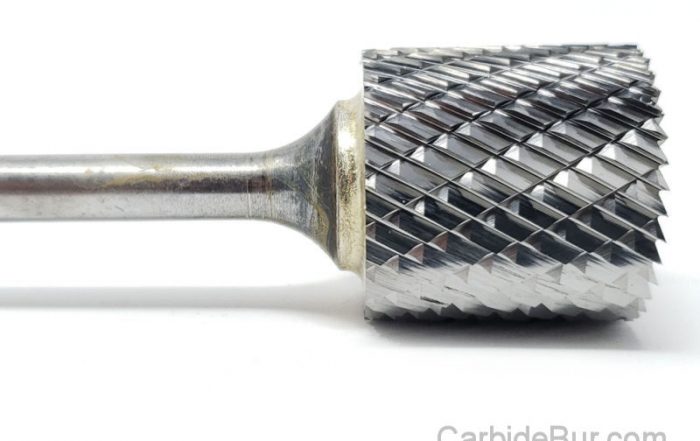
Can Carbide Burrs Cut Through Welds?
Can Carbide Burrs Cut Through Welds? Cutting through welds can feel like a battle, especially when you need clean results without harming the base metal. Carbide burrs offer a sharp edge in this fight, but [...]
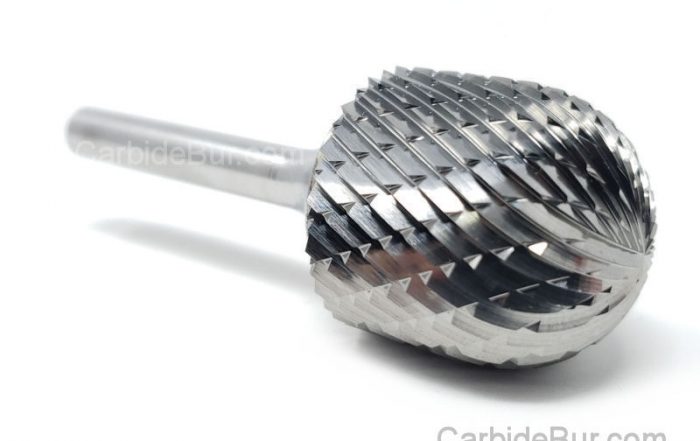
How to Use a Carbide Burr With a Die Grinder
How to Use a Carbide Burr With a Die Grinder Most people treat a carbide burr like just another tool, but using it with a die grinder takes skill. If you’ve struggled with burr installation [...]
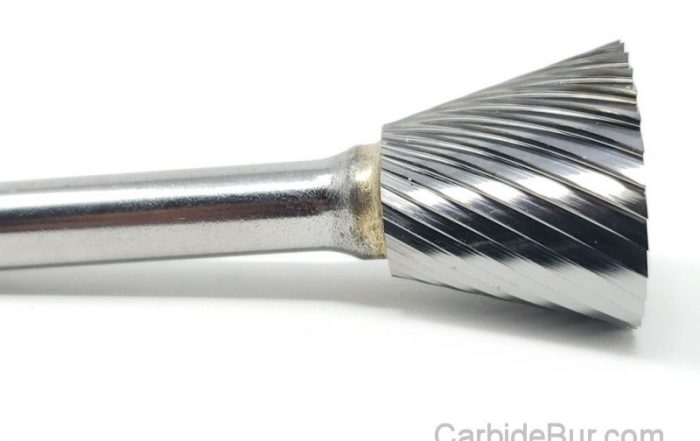
1/8 vs 1/4 Inch Carbide Burrs: What’s the Difference?
1/8 vs 1/4 Inch Carbide Burrs: What's the Difference? Choosing between a 1/8 inch carbide burr and a 1/4 inch carbide burr can change how your project turns out. Many machinists and hobbyists overlook how [...]
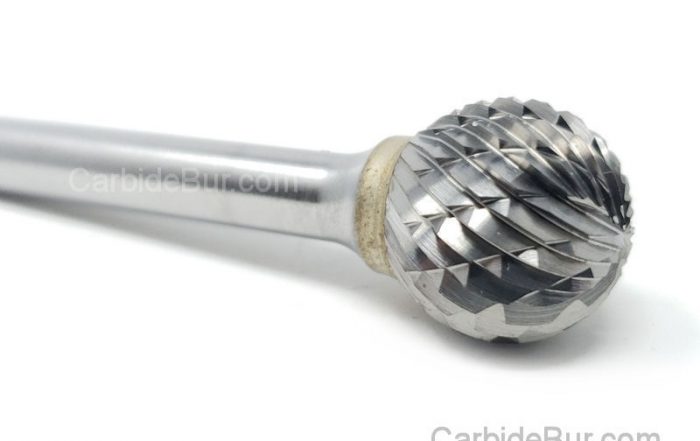
Best Carbide Burr for Removing Flash From Castings
Best Carbide Burr for Removing Flash From Castings Removing flash from castings is a task that can slow down your entire metalworking process if you don’t have the right tools. Picking the best carbide burr [...]
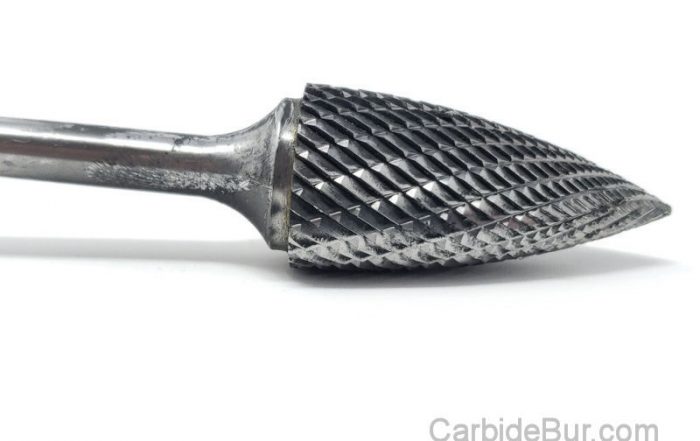
What RPM Should You Use for a 1/4 Inch Carbide Burr?
What RPM Should You Use for a 1/4 Inch Carbide Burr? Most machinists guess the right speed for a 1/4 inch carbide burr and hope for the best. Using the wrong carbide burr RPM can [...]
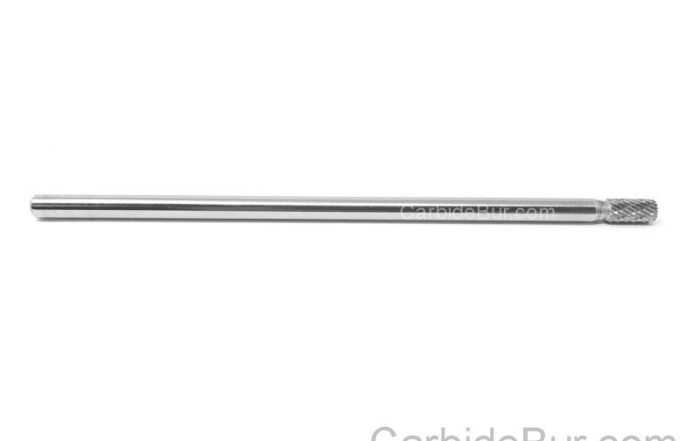
Long Shank Carbide Burrs: When Do You Need One?
Long Shank Carbide Burrs: When Do You Need One? Most machinists overlook the power of long shank carbide burrs until a project demands precision in tight spaces. When your usual tools can’t reach intricate contours, [...]
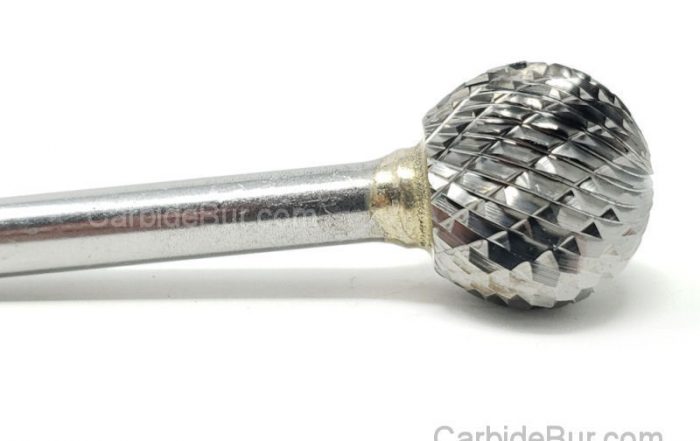
How Deep Can a Carbide Burr Cut Metal?
How Deep Can a Carbide Burr Cut Metal? Carbide burrs often get praised for their precision, but many users hit a wall wondering how deep they can actually cut metal. The truth is, cutting depth [...]
How to Use Carbide Burrs for Port Matching
How to Use Carbide Burrs for Port Matching Most engine builds hit a wall when airflow doesn’t flow smoothly between the ports and manifolds. If your engine isn’t breathing right, your performance stalls. Using the [...]
Best Carbide Burr for Porting Intake Manifolds
Best Carbide Burr for Porting Intake Manifolds Porting intake manifolds can make or break your engine’s airflow, yet many struggle with the right tools for the job. Choosing the best carbide burrs is key to [...]
Best Carbide Burr for Concave Surfaces
Best Carbide Burr for Concave Surfaces Concave surfaces can turn a straightforward project into a frustrating challenge if you don’t have the right tool. Carbide burrs designed for these tricky curves make all the difference [...]
How to Grind a Slot in Metal With a Carbide Burr
How to Grind a Slot in Metal With a Carbide Burr Grinding a precise slot in metal can feel like a tricky task, especially if you’re unsure which tools to trust. Carbide burr grinding offers [...]
