
Reduce Chatter with These Expert Metal Cutting Techniques
Metal cutting often means battling chatter, rough edges, and uneven finishes that ruin your work. You’ve tried adjusting speed and feed, but those stubborn vibrations still mess up your smooth cuts. This guide breaks down metal cutting techniques that cut chatter and boost cutting precision, so your projects come out clean every time.
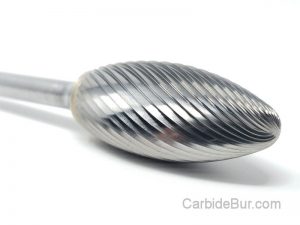
Looking for Carbide Bur Tools?
Check out our entire selection of USA made carbide bur die grinder tool bits
Understanding Chatter in Metal Cutting
Chatter can be a serious issue in metal cutting, causing poor quality and frustration. Understanding its root can help you manage it effectively.
What Causes Chatter?
Chatter occurs when the tool or workpiece vibrates excessively during cutting. This can happen due to several reasons. One common cause is incorrect tool setup. When tools are not secured well, they can vibrate and create noise. Additionally, the speed of the cutting tool can contribute to chatter. Setting the wrong speed can make the tool vibrate against the metal.
Another factor is the rigidity of the setup. If the setup is not stable, even slight movements can lead to chatter. It’s important to ensure everything is tight and secure before starting.
Identifying Signs of Chatter
Recognizing chatter early can prevent further issues. One sign is the distinct noise, often a loud squeal or hum. This sound means the tool is vibrating. Another sign is the surface finish. If the metal has wavy patterns or uneven textures, chatter might be the culprit.
You might also notice increased tool wear. Chatter puts extra stress on cutting tools, causing them to wear out faster. Keep an eye on these signs to address chatter promptly.
Impact on Cutting Precision
Chatter affects cutting precision significantly. It can lead to rough edges and uneven surfaces. This not only impacts the appearance of your work but also its functionality. In precision tasks, even minor deviations can cause problems.
Moreover, chatter can reduce the lifespan of your tools. Constant vibration wears down the tool, leading to frequent replacements. Addressing chatter helps maintain both the quality of your work and the durability of your tools.
Essential Tools for Smooth Cuts
To achieve smooth cuts, having the right tools is crucial. This section guides you through selecting and maintaining your tools for the best results.
Choosing the Right Blade
Selecting the right blade can make all the difference. A blade with the correct tooth count for your material ensures smoother cuts. For example, a high tooth count is better for thin metals, while fewer teeth work well for thicker pieces.
Consider the blade material too. High-speed steel blades offer durability and precision, while carbide-tipped blades provide a longer lifespan. Make sure to match the blade to both the material and your cutting machine.
Importance of Tool Maintenance
Regular maintenance is key to smooth cuts. Dull blades can cause chatter and rough edges. Sharpen your blades frequently to keep them in top condition. Inspect them for any chips or damage that might affect performance.
Additionally, ensure your machine is well-lubricated and free from debris. A clean and well-maintained setup reduces the risk of chatter and extends tool life.
Safety Gear for Metal Cutting
Safety should always be a priority when cutting metal. Wear protective gear such as gloves, goggles, and ear protection. Metal cutting can produce sharp fragments and loud noises. Protecting yourself prevents accidents and hearing damage.
Ensure your workspace is organized and free of clutter. This not only enhances safety but also allows you to work more efficiently.
Techniques for Clean Metal Cutting
Implementing the right techniques ensures clean cuts with minimal effort. Here’s how to master metal cutting.
Mastering the Right Speed
Speed plays a critical role in cutting efficiency. Using the right speed for your material can reduce chatter and improve finish quality. Start by consulting the manufacturer’s recommendations for speed settings.
Adjust the speed based on the material thickness and type. Thicker metals generally require slower speeds, whereas thinner ones need faster cuts. Experiment to find the optimal speed for each project.
Controlling Feed Rate for Even Finishes
The feed rate determines how quickly the tool moves through the material. A consistent feed rate is vital for even finishes. Moving too fast can cause chatter, while too slow can lead to overheating.
Balance is key. Practice a steady hand and adjust the feed rate to match the material’s resistance. This results in cleaner cuts and extends the tool’s life.
Importance of Coolant in Cutting
Coolant helps reduce heat and friction during cutting. Excessive heat can lead to tool wear and poor finishes. Applying coolant minimizes these issues, ensuring smoother results.
Use the right coolant for your material and cutting process. It not only cools the tool but also lubricates and cleans the cutting area, preventing any buildup that can cause chatter.
Advanced Metal Cutting Techniques
For those seeking more precision, advanced techniques offer better control and outcomes.
Using Vibration-Dampening Tools
Investing in vibration-dampening tools can greatly reduce chatter. These tools absorb vibrations, allowing for smoother and quieter operations. They are especially useful for challenging cuts where chatter is hard to control.
Tools with vibration-dampening features come in various forms, such as specialized tool holders and attachments. Consider integrating them into your setup for better results.
Implementing Rigidity in Setups
A rigid setup minimizes movement, reducing the chance of chatter. Secure all components tightly before beginning any cut. Use proper clamps and supports to stabilize both the tool and the workpiece.
A stable setup not only prevents chatter but also enhances safety. Double-check everything before switching on your machine.
Leveraging Modern Cutting Technology
Modern technology offers new ways to improve cutting precision. CNC machines, for instance, provide automated control, reducing human error. They offer precise adjustments for speed and feed, ensuring consistent quality.
Consider upgrading to modern equipment if you’re frequently dealing with complex projects. The investment can lead to better efficiency and output quality.
Troubleshooting Rough Edges
Even with the best practices, rough edges can occur. Knowing how to troubleshoot these issues is crucial.
Recognizing Common Cutting Issues
Common issues include burrs, uneven surfaces, and tool marks. Burrs are small, raised edges on the metal surface. They can be sharp and undesirable. Tool marks are scratches or grooves left by the cutting tool.
Identifying these issues early allows for quick solutions. Inspect your work after every cut to ensure quality control.
Solutions for Uneven Finishes
To address uneven finishes, start by examining your tool’s sharpness. Dull tools can cause rough edges. Sharpen or replace them as needed. Adjust your speed and feed rate to match the material and tool condition.
If burrs are present, use deburring tools to smooth them out. This final step ensures a clean and polished finish.
Enhancing Cutting Accuracy
Accuracy is paramount in metal cutting. To enhance it, regularly calibrate your machines. Ensure all settings are accurate and align with your material’s requirements.
Use guides and templates for consistent results. These tools help maintain straight and uniform cuts, reducing the risk of human error.
By following these techniques and tips, you can achieve clean metal cutting with ease. Practice and patience are key to mastering these skills. Keep experimenting to find what works best for you and your projects.
Looking for Carbide Bur Tools?
Check out our entire selection of USA made carbide bur die grinder tool bits
Follow us on Twitter

Return to CarbideBur.com
Carbide Burs – 1/4″ on 1/8″ Shanks – Accessories – Aluminum Cut – Bur Sets – End Mills – Long Shank – Solid Burs
Can Carbide Burrs Cut Through Welds?
Can Carbide Burrs Cut Through Welds? Cutting through welds can feel like a battle, especially when you need clean results without harming the base metal. Carbide burrs offer a sharp edge in this fight, but [...]
How to Use a Carbide Burr With a Die Grinder
How to Use a Carbide Burr With a Die Grinder Most people treat a carbide burr like just another tool, but using it with a die grinder takes skill. If you’ve struggled with burr installation [...]
1/8 vs 1/4 Inch Carbide Burrs: What’s the Difference?
1/8 vs 1/4 Inch Carbide Burrs: What's the Difference? Choosing between a 1/8 inch carbide burr and a 1/4 inch carbide burr can change how your project turns out. Many machinists and hobbyists overlook how [...]
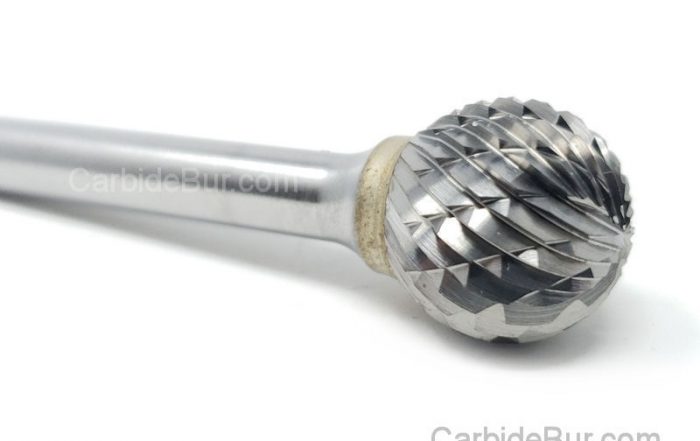
Best Carbide Burr for Removing Flash From Castings
Best Carbide Burr for Removing Flash From Castings Removing flash from castings is a task that can slow down your entire metalworking process if you don’t have the right tools. Picking the best carbide burr [...]
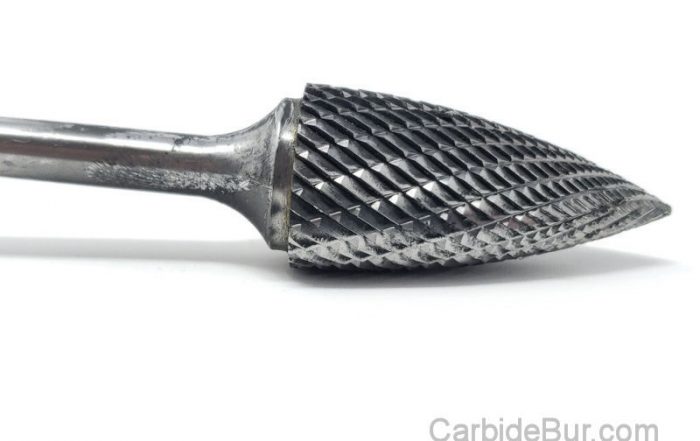
What RPM Should You Use for a 1/4 Inch Carbide Burr?
What RPM Should You Use for a 1/4 Inch Carbide Burr? Most machinists guess the right speed for a 1/4 inch carbide burr and hope for the best. Using the wrong carbide burr RPM can [...]
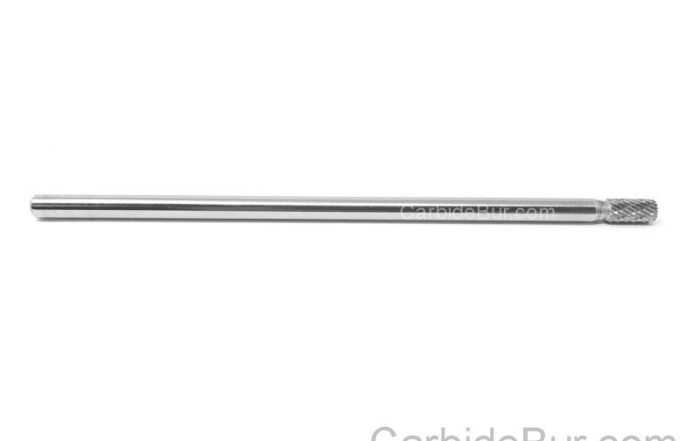
Long Shank Carbide Burrs: When Do You Need One?
Long Shank Carbide Burrs: When Do You Need One? Most machinists overlook the power of long shank carbide burrs until a project demands precision in tight spaces. When your usual tools can’t reach intricate contours, [...]
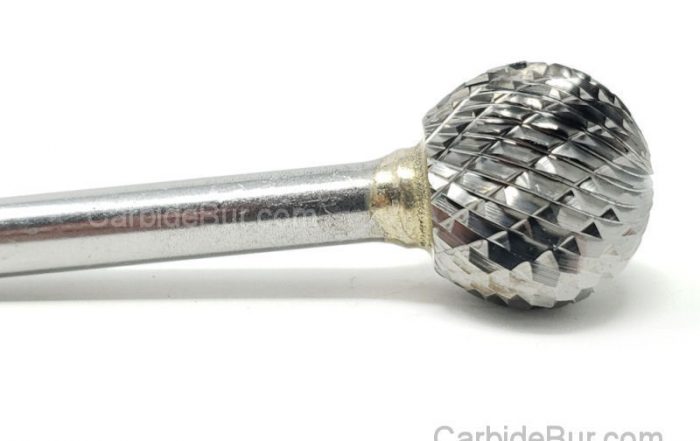
How Deep Can a Carbide Burr Cut Metal?
How Deep Can a Carbide Burr Cut Metal? Carbide burrs often get praised for their precision, but many users hit a wall wondering how deep they can actually cut metal. The truth is, cutting depth [...]
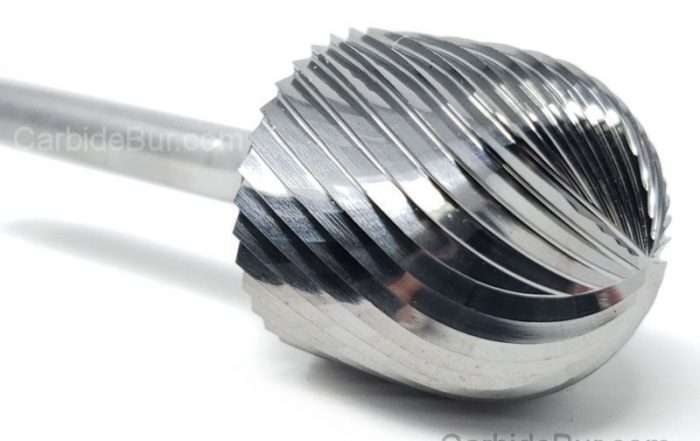
How to Use Carbide Burrs for Port Matching
How to Use Carbide Burrs for Port Matching Most engine builds hit a wall when airflow doesn’t flow smoothly between the ports and manifolds. If your engine isn’t breathing right, your performance stalls. Using the [...]
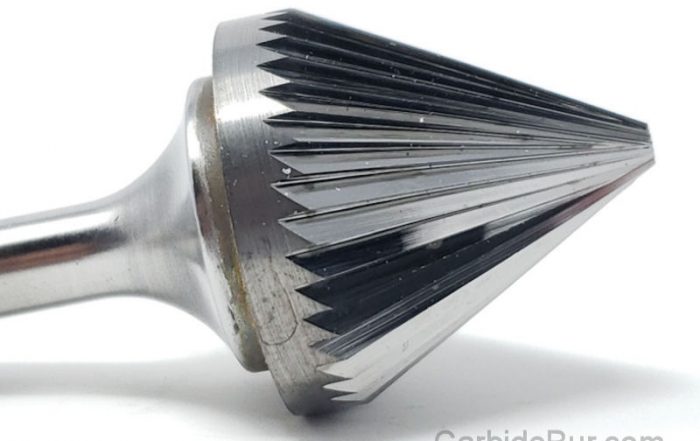
Best Carbide Burr for Porting Intake Manifolds
Best Carbide Burr for Porting Intake Manifolds Porting intake manifolds can make or break your engine’s airflow, yet many struggle with the right tools for the job. Choosing the best carbide burrs is key to [...]
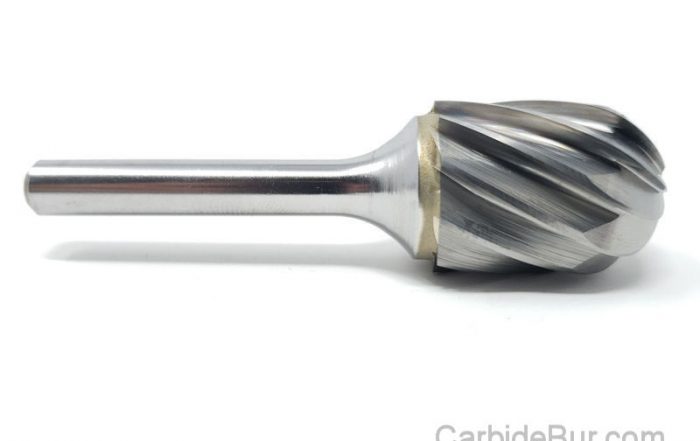
Best Carbide Burr for Concave Surfaces
Best Carbide Burr for Concave Surfaces Concave surfaces can turn a straightforward project into a frustrating challenge if you don’t have the right tool. Carbide burrs designed for these tricky curves make all the difference [...]
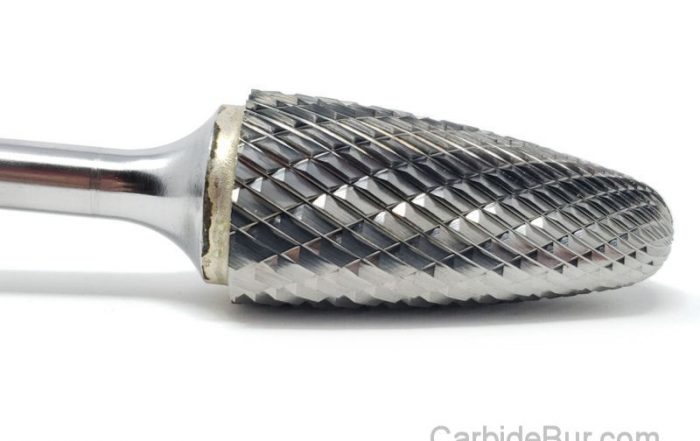
How to Grind a Slot in Metal With a Carbide Burr
How to Grind a Slot in Metal With a Carbide Burr Grinding a precise slot in metal can feel like a tricky task, especially if you’re unsure which tools to trust. Carbide burr grinding offers [...]

Best Carbide Burr for Inside Corners
Best Carbide Burr for Inside Corners Working in tight inside corners can turn even simple projects into frustrating tasks. Many carbide burrs just don’t fit or cut cleanly where you need them most. The best [...]
