
Mastering Die Grinder Technique: Achieve a Polished Finish with Throttle Control
Most people push their die grinder full throttle, thinking speed means smoothness. The truth is, dialing back the throttle and switching to a finer-tooth carbide bur often creates a cleaner, polished finish. Mastering this die grinder technique lets you control pressure and speed, cutting down chatter marks without swapping tools. Stick around to learn how simple throttle control can upgrade your surface finishing skills and save you time on every project. For more insights, check out this essential guide to metal finishing tools.
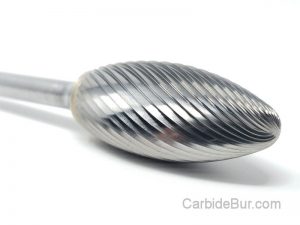
Looking for Carbide Bur Tools?
Check out our entire selection of USA made carbide bur die grinder tool bits
Understanding Die Grinder Technique
Before diving into advanced techniques, it’s crucial to understand how your die grinder works. This section sets the foundation for mastering your tools.
Basics of Throttle Control
Throttle control is the heart of effective grinding. You might think pushing the grinder at full speed gets the job done faster, but it can lead to rough finishes. By easing up on the throttle, you can manage the grinding speed, resulting in a smoother surface. This technique is about balance: finding the sweet spot between too fast and too slow. Imagine driving a car; you wouldn’t floor it constantly. The same logic applies here.
Selecting the Right Carbide Bur
Choosing the correct carbide bur is like selecting the right paintbrush for a painting. Each bur shape and tooth pattern creates a different finish. For most projects, a finer-tooth bur will offer more control and a smoother outcome. Researching before selecting can save you time. Learn more about using a die grinder effectively.
Importance of Polished Finish
A well-polished finish can elevate the quality of your work. It reflects attention to detail and craftsmanship. A smooth surface isn’t just about looks; it reduces friction and wear in mechanical parts. So, not only does it look fantastic, but it also prolongs the life of the piece.
Mastering Throttle Control
Now that you know the basics, it’s time to delve deeper into mastering throttle control. This skill lets you achieve professional results.
Balancing Speed and Pressure
Think of throttle control as a dance, where speed and pressure must move in harmony. Too much speed can burn the metal, while too much pressure could damage the piece. Focus on gentle movements. Start at a lower speed, then gradually increase it until you find the perfect balance for your material. This control allows you to finesse each project, making your work stand out.
Feathering Techniques for Smoothness
Feathering is a technique where you gently adjust the pressure and speed to eliminate marks. It’s like brushing off crumbs without pressing too hard. With practice, feathering will become second nature. Use light, consistent strokes and keep the grinder moving to avoid creating hot spots.
Fine-Tuning for Professional Results
Fine-tuning is the final step towards achieving that polished look. After your initial pass, take a moment to assess your work. Are there any imperfections left? Adjust your speed and pressure accordingly. This attention to detail can make your work look like it was done by a pro. Discover more tips in this metal polishing guide.
Choosing the Right Carbide Bur
Now that throttle control is under your belt, it’s time to focus on the tool’s business end: the carbide bur. Selecting the right one is key.
Comparing Tooth Patterns
Carbide burs come in various tooth patterns. Coarse teeth remove material quickly, while fine teeth provide a smoother finish. Choosing the right pattern depends on your project needs. For detailed work, finer teeth are your best bet. They allow you to control the material removal rate, giving a polished result.
Matching Bur Types to Materials
Different materials require different bur types. For example, aluminum needs a specific type that won’t clog. Steel might demand a harder bur. Matching the bur to the material ensures efficiency and prolongs tool life. Explore the different bur options and their uses to make informed choices.
Tips for Longer Bur Life
Want to extend the life of your burs? Keep them clean and avoid overheating. After each use, clean them with a brush and store them properly. Overuse can lead to dullness, reducing effectiveness. Regular maintenance is key to getting the most out of your tools.
Surface Finishing Tips
A polished surface is the hallmark of great work. Here are tips to minimize chatter marks and achieve a consistent finish.
Reducing Chatter Marks
Chatter marks can ruin an otherwise perfect finish. They often occur from inconsistent pressure or speed. To reduce them, practice steady movements and consistent speed. If you notice marks, it’s a sign to adjust your technique. For more solutions, check this guide on eliminating chatter marks.
Achieving a Consistent Finish
Consistency is key in finishing. Make sure your strokes overlap slightly on each pass. This technique ensures even coverage and a uniform look. Pay attention to the surface texture while working.
Efficient Finishing Techniques
Efficiency doesn’t mean rushing. Instead, it’s about maximizing your efforts. Use the right tools and techniques to achieve the desired result without wasting time. Planning your approach and maintaining your tools will keep your projects on track.
Metalworking Tips for Enthusiasts
Embrace the art of metalworking with confidence. These tips will help you avoid common pitfalls and enhance your skills.
Building Confidence in Your Skills
Confidence comes with practice and experience. Start small; work on scrap pieces before tackling major projects. Each project will build your skills and confidence. Don’t be afraid to experiment; your mistakes are stepping stones to mastery.
Common Mistakes to Avoid
Avoid rushing and neglecting maintenance. These mistakes can lead to poor results and tool damage. Take your time with each project and make maintenance part of your routine. Recognizing these pitfalls early can help you sidestep them.
Enhancing Project Quality with Practice
Consistent practice improves your project quality. Over time, your movements will become smoother, and your results more polished. Each project you complete adds to your skill set. Keep pushing your boundaries and set new challenges. Watch this video on enhancing metalworking skills for more inspiration.
Embrace these techniques, and you’ll see your metalworking skills improve significantly. With the right approach and mindset, you can achieve professional results that you’ll be proud of.
Looking for Carbide Bur Tools?
Check out our entire selection of USA made carbide bur die grinder tool bits
Follow us on Twitter

Return to CarbideBur.com
Carbide Burs – 1/4″ on 1/8″ Shanks – Accessories – Aluminum Cut – Bur Sets – End Mills – Long Shank – Solid Burs
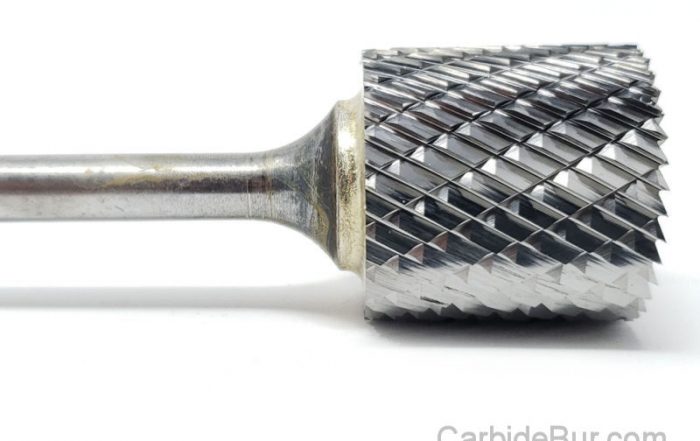
Can Carbide Burrs Cut Through Welds?
Can Carbide Burrs Cut Through Welds? Cutting through welds can feel like a battle, especially when you need clean results without harming the base metal. Carbide burrs offer a sharp edge in this fight, but [...]
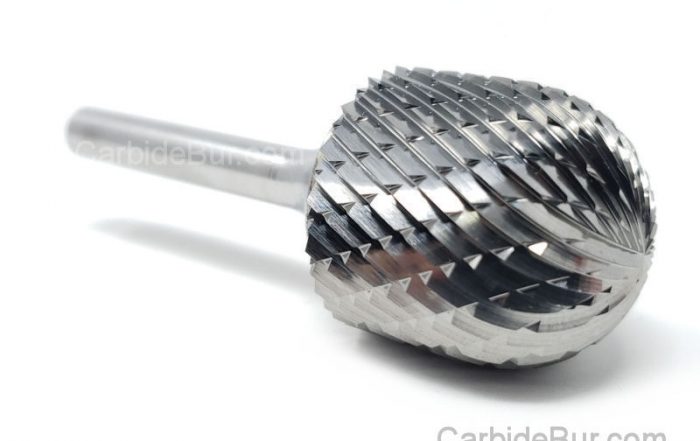
How to Use a Carbide Burr With a Die Grinder
How to Use a Carbide Burr With a Die Grinder Most people treat a carbide burr like just another tool, but using it with a die grinder takes skill. If you’ve struggled with burr installation [...]
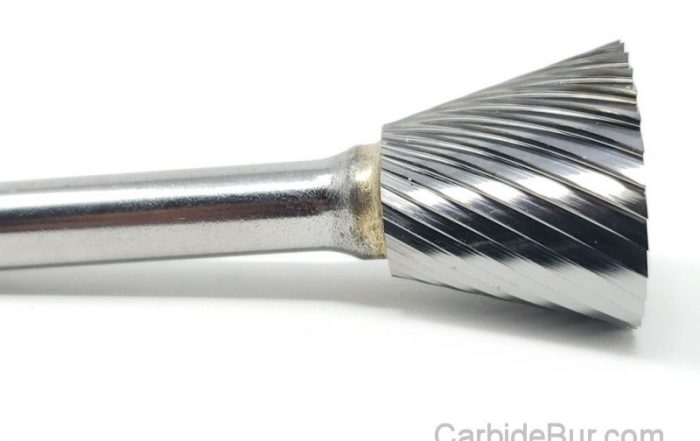
1/8 vs 1/4 Inch Carbide Burrs: What’s the Difference?
1/8 vs 1/4 Inch Carbide Burrs: What's the Difference? Choosing between a 1/8 inch carbide burr and a 1/4 inch carbide burr can change how your project turns out. Many machinists and hobbyists overlook how [...]
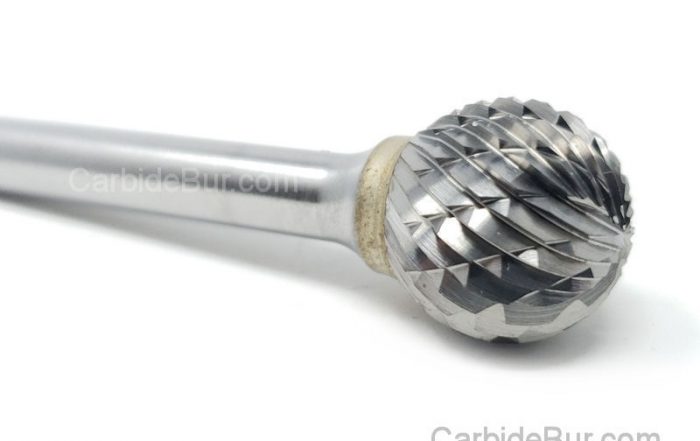
Best Carbide Burr for Removing Flash From Castings
Best Carbide Burr for Removing Flash From Castings Removing flash from castings is a task that can slow down your entire metalworking process if you don’t have the right tools. Picking the best carbide burr [...]
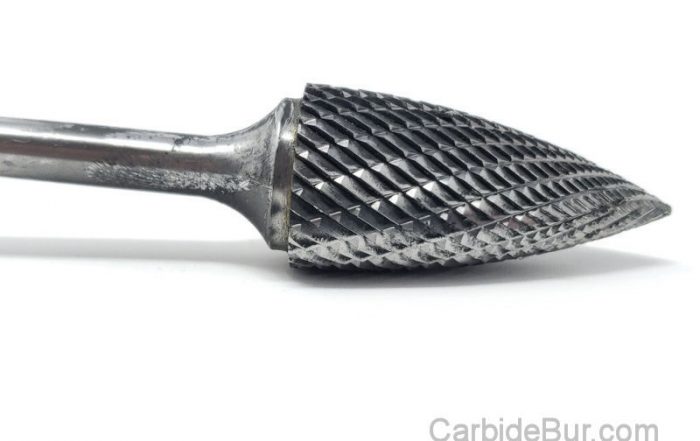
What RPM Should You Use for a 1/4 Inch Carbide Burr?
What RPM Should You Use for a 1/4 Inch Carbide Burr? Most machinists guess the right speed for a 1/4 inch carbide burr and hope for the best. Using the wrong carbide burr RPM can [...]
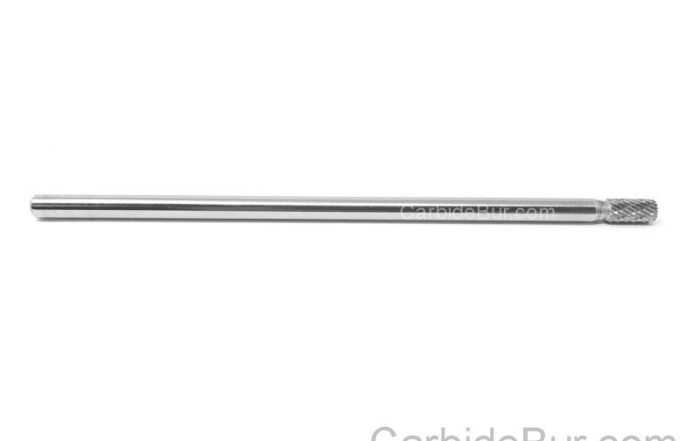
Long Shank Carbide Burrs: When Do You Need One?
Long Shank Carbide Burrs: When Do You Need One? Most machinists overlook the power of long shank carbide burrs until a project demands precision in tight spaces. When your usual tools can’t reach intricate contours, [...]
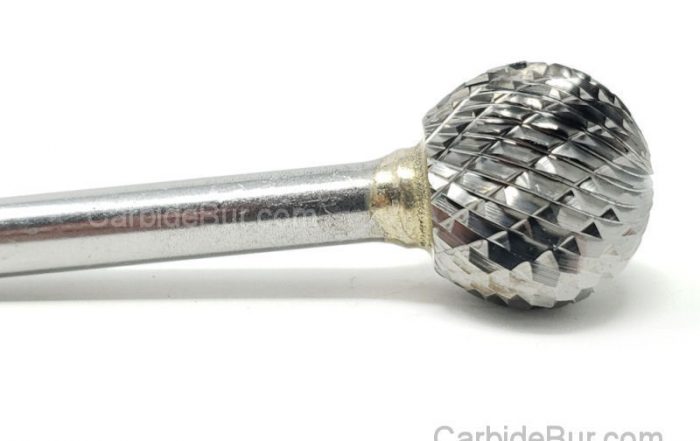
How Deep Can a Carbide Burr Cut Metal?
How Deep Can a Carbide Burr Cut Metal? Carbide burrs often get praised for their precision, but many users hit a wall wondering how deep they can actually cut metal. The truth is, cutting depth [...]
How to Use Carbide Burrs for Port Matching
How to Use Carbide Burrs for Port Matching Most engine builds hit a wall when airflow doesn’t flow smoothly between the ports and manifolds. If your engine isn’t breathing right, your performance stalls. Using the [...]
Best Carbide Burr for Porting Intake Manifolds
Best Carbide Burr for Porting Intake Manifolds Porting intake manifolds can make or break your engine’s airflow, yet many struggle with the right tools for the job. Choosing the best carbide burrs is key to [...]
Best Carbide Burr for Concave Surfaces
Best Carbide Burr for Concave Surfaces Concave surfaces can turn a straightforward project into a frustrating challenge if you don’t have the right tool. Carbide burrs designed for these tricky curves make all the difference [...]
How to Grind a Slot in Metal With a Carbide Burr
How to Grind a Slot in Metal With a Carbide Burr Grinding a precise slot in metal can feel like a tricky task, especially if you’re unsure which tools to trust. Carbide burr grinding offers [...]

Best Carbide Burr for Inside Corners
Best Carbide Burr for Inside Corners Working in tight inside corners can turn even simple projects into frustrating tasks. Many carbide burrs just don’t fit or cut cleanly where you need them most. The best [...]
