
Boost Your Rotary Tool Skills: Overcoming Speed and Pressure Challenges
Most rotary tools don’t fail because they’re faulty—they struggle because of common mistakes with speed and pressure. You might be pushing too hard or running your tool at the wrong speed without realizing it. This post cuts through the guesswork to tackle rotary tool performance issues head-on and get your projects moving smoothly again. Learn more about troubleshooting rotary tools here.
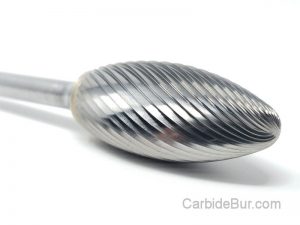
Looking for Carbide Bur Tools?
Check out our entire selection of USA made carbide bur die grinder tool bits
Understanding Rotary Tool Speed Issues
Before diving into pressure problems, it’s vital to grasp speed issues with rotary tools. A small tweak can make a huge difference in performance.
Diagnosing Speed Problems
Rotary tools often encounter speed-related problems that can be easily overlooked. Is your tool slowing down unexpectedly or not reaching full speed? You might be facing a speed issue. Start by checking the power source. Loose connections or faulty cords can cause interruptions. Ensure that your tool is receiving steady power. If it’s battery-operated, check the battery life.
Another common cause is debris buildup. Dust and debris can hinder the tool’s efficiency. Regularly clean your tool to avoid this. If problems persist, consider the type of material you’re working on. Different materials may require different speed settings to achieve optimal results.
Correcting Speed Settings
Adjusting speed settings can feel like a guessing game, but it doesn’t have to be. Begin with the manufacturer’s guide; it’s a valuable resource. Most guides suggest specific speeds for different tasks. Use these recommendations as a starting point.
Next, test your tool on scrap material. Gradually increase or decrease the speed until you achieve a smooth finish. Experimenting with different speeds will help you understand what works best for each task.
Ensuring Consistent Performance
Maintaining consistent performance requires attention to detail. Keep an eye on your tool’s temperature. Overheating can impact speed and performance. If you notice your tool getting hot, pause and let it cool down.
Regular maintenance is key. Lubricate moving parts and replace worn-out components. By doing this, you ensure that your rotary tool remains in top condition.
Managing Rotary Tool Pressure Problems
With speed issues addressed, it’s time to tackle pressure problems. Pressure plays a crucial role in how your rotary tool performs.
Identifying Pressure Challenges
Is your tool stalling? Are you struggling to make clean cuts? These can be signs of pressure issues. Applying too much force can cause the tool to slow down or even stop. It’s a common mistake among beginners.
Think about how you hold the tool. A light, steady grip is more effective than pressing too hard. Let the tool do the work for you. If you’re leaning in, ease up and focus on controlling the tool’s direction.
Applying Correct Pressure Techniques
Mastering pressure techniques enhances your control and results. Start with a simple exercise: practice holding the tool lightly. Feel its weight and vibration. This helps in developing a steady hand.
Consider the material. Softer materials require less pressure, while harder ones need a bit more. Adjust your grip accordingly. Practice on different materials to develop a feel for the right amount of pressure.
Tools for Better Pressure Control
Certain accessories can help manage pressure effectively. Look for attachments that offer better grip and comfort. Foam grips or ergonomic handles can reduce fatigue and improve precision.
Invest in a variable speed tool. These allow for better control over pressure, making fine adjustments easier. With the right tools, maintaining the correct pressure becomes second nature.
Selecting the Right Rotary Tool
After addressing speed and pressure, selecting the right tool is crucial. The right choice makes a world of difference in your projects.
Matching Tools to Tasks
Every task requires a specific tool. Identify the tasks you’ll perform most frequently. For woodworking, a tool with high RPM is ideal. Metalworking might require a more robust tool. Match the tool’s features to your needs for optimal results.
Importance of Quality Tool Selection
Quality impacts performance. High-quality tools provide better precision and durability. Investing in a well-made tool saves money in the long run. Look for trusted brands and read reviews before purchasing.
Comparing Tool Features
When comparing tools, focus on key features. Consider power source, speed settings, and ergonomic design. A table comparison of features can simplify the decision process. Choose the tool that best aligns with your project needs.
Troubleshooting Rotary Tool Problems
Once you have the right tool, knowing how to troubleshoot is essential. Overcome common issues with simple solutions.
Common Rotary Tool Performance Issues
Rotary tool problems can range from minor to significant. Martinsupply recommends checking for dust buildup or worn-out parts as these are frequent culprits. Keep an eye on unusual sounds or vibrations as well.
Effective Troubleshooting Techniques
Start with basic checks. Ensure the power source is stable and all connections are secure. If a problem persists, refer to the rotary troubleshooting guide for more complex issues. Seek help from online forums or communities like Sawmill Creek for advice from experienced users.
Maintaining Your Rotary Tool
Regular maintenance prevents future problems. Clean your tool after every use and store it properly. Lubricate moving parts as needed. This extends the lifespan of your tool and ensures reliable performance.
Enhancing Your Rotary Tool Skills
Skill enhancement is the final piece of the puzzle. Master your rotary tool with practice and advanced techniques.
Practicing Precision and Control
Precision is key in rotary tool use. Practice on various materials to build control. Focus on steady hand movements and maintaining the right speed and pressure.
Advanced Techniques for DIY Projects
Once comfortable with basics, explore advanced techniques. Carving intricate designs or working on delicate surfaces requires skill. Challenge yourself with new projects to expand your capabilities.
Building Confidence in Tool Mastery
Confidence grows with practice and experience. Join communities like the Facebook Group to share experiences and learn from others. The more you use your tool, the more proficient you’ll become.
By understanding and addressing rotary tool speed and pressure issues, selecting the right tool, and honing your skills, you can ensure smooth performance and take your DIY projects to the next level. Remember, practice makes perfect, and the right tool in skilled hands can achieve amazing results.
Looking for Carbide Bur Tools?
Check out our entire selection of USA made carbide bur die grinder tool bits
Follow us on Twitter

Return to CarbideBur.com
Carbide Burs – 1/4″ on 1/8″ Shanks – Accessories – Aluminum Cut – Bur Sets – End Mills – Long Shank – Solid Burs
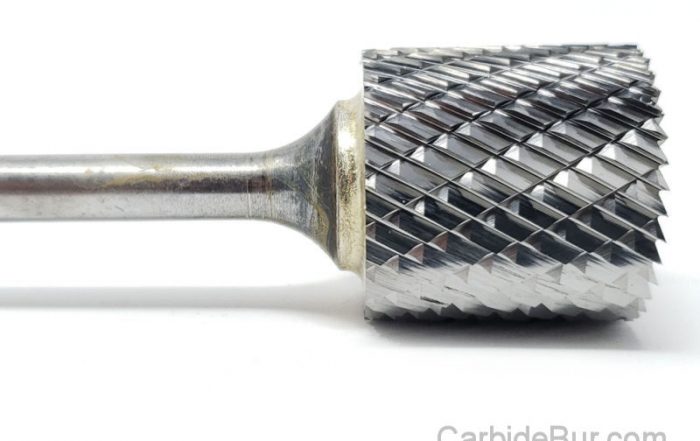
Can Carbide Burrs Cut Through Welds?
Can Carbide Burrs Cut Through Welds? Cutting through welds can feel like a battle, especially when you need clean results without harming the base metal. Carbide burrs offer a sharp edge in this fight, but [...]
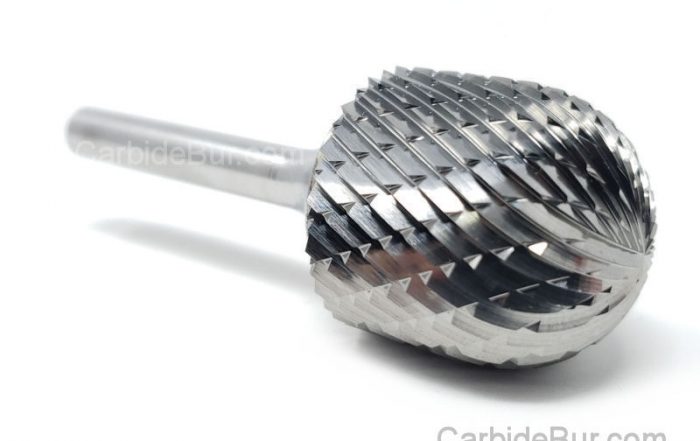
How to Use a Carbide Burr With a Die Grinder
How to Use a Carbide Burr With a Die Grinder Most people treat a carbide burr like just another tool, but using it with a die grinder takes skill. If you’ve struggled with burr installation [...]
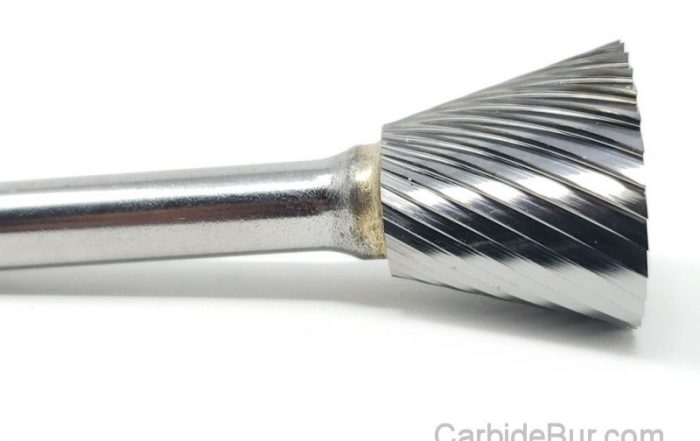
1/8 vs 1/4 Inch Carbide Burrs: What’s the Difference?
1/8 vs 1/4 Inch Carbide Burrs: What's the Difference? Choosing between a 1/8 inch carbide burr and a 1/4 inch carbide burr can change how your project turns out. Many machinists and hobbyists overlook how [...]
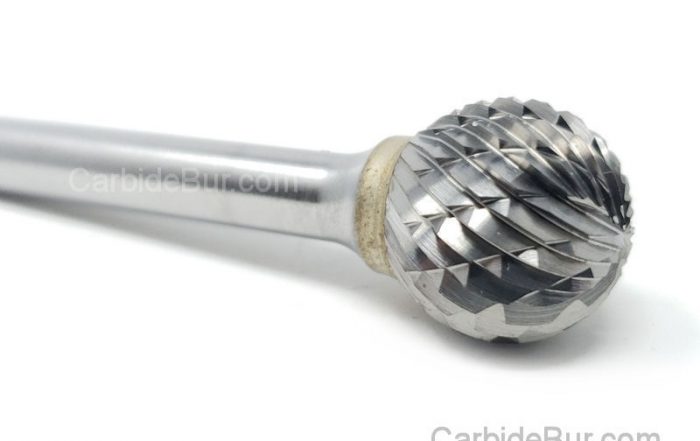
Best Carbide Burr for Removing Flash From Castings
Best Carbide Burr for Removing Flash From Castings Removing flash from castings is a task that can slow down your entire metalworking process if you don’t have the right tools. Picking the best carbide burr [...]
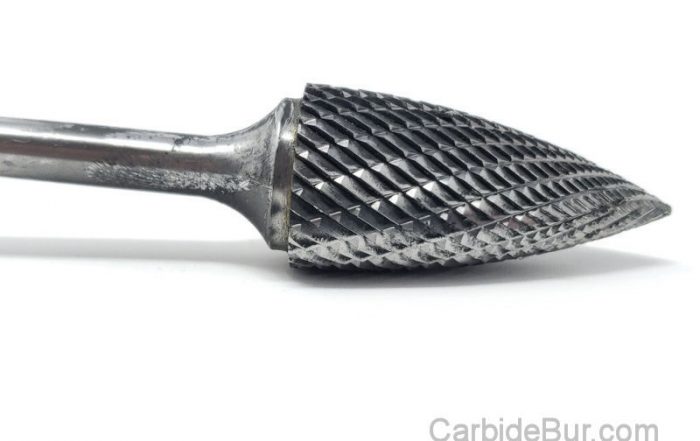
What RPM Should You Use for a 1/4 Inch Carbide Burr?
What RPM Should You Use for a 1/4 Inch Carbide Burr? Most machinists guess the right speed for a 1/4 inch carbide burr and hope for the best. Using the wrong carbide burr RPM can [...]
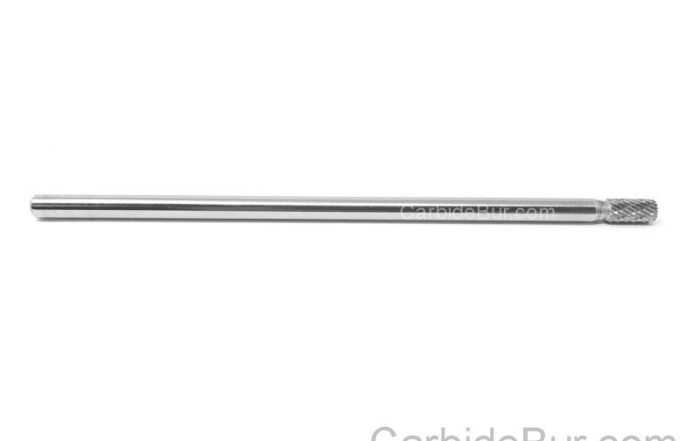
Long Shank Carbide Burrs: When Do You Need One?
Long Shank Carbide Burrs: When Do You Need One? Most machinists overlook the power of long shank carbide burrs until a project demands precision in tight spaces. When your usual tools can’t reach intricate contours, [...]
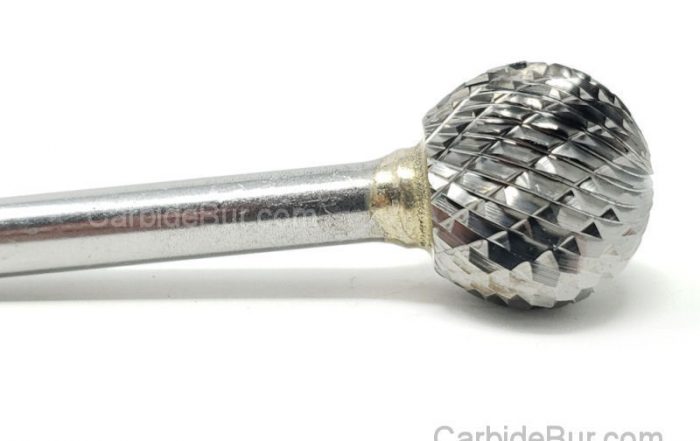
How Deep Can a Carbide Burr Cut Metal?
How Deep Can a Carbide Burr Cut Metal? Carbide burrs often get praised for their precision, but many users hit a wall wondering how deep they can actually cut metal. The truth is, cutting depth [...]
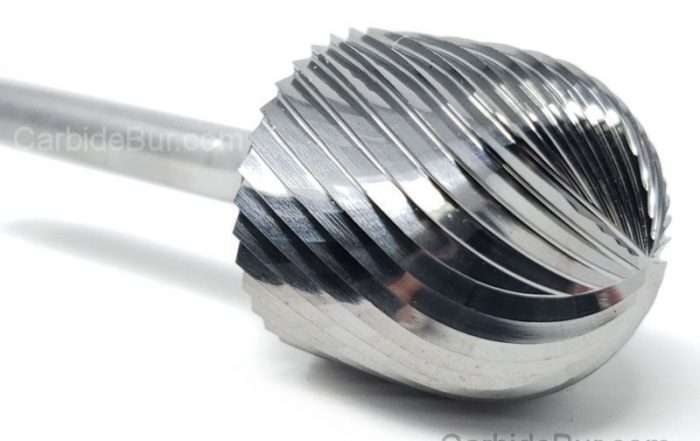
How to Use Carbide Burrs for Port Matching
How to Use Carbide Burrs for Port Matching Most engine builds hit a wall when airflow doesn’t flow smoothly between the ports and manifolds. If your engine isn’t breathing right, your performance stalls. Using the [...]
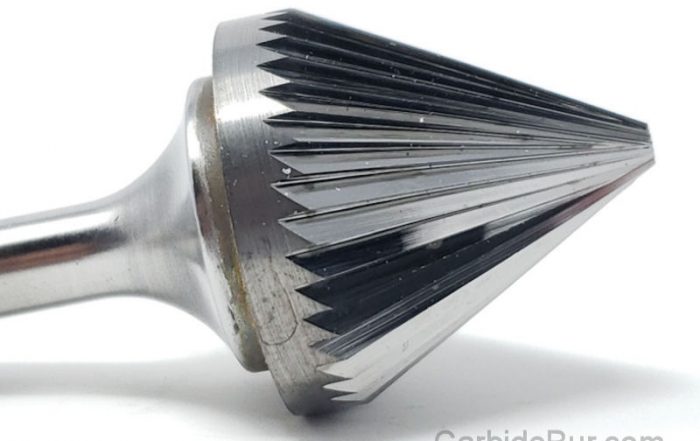
Best Carbide Burr for Porting Intake Manifolds
Best Carbide Burr for Porting Intake Manifolds Porting intake manifolds can make or break your engine’s airflow, yet many struggle with the right tools for the job. Choosing the best carbide burrs is key to [...]
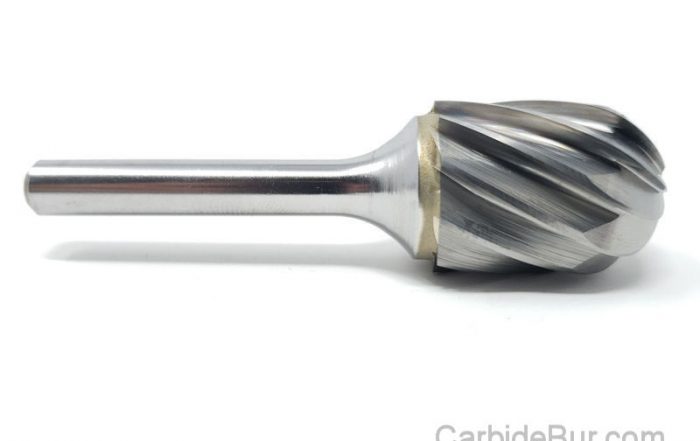
Best Carbide Burr for Concave Surfaces
Best Carbide Burr for Concave Surfaces Concave surfaces can turn a straightforward project into a frustrating challenge if you don’t have the right tool. Carbide burrs designed for these tricky curves make all the difference [...]
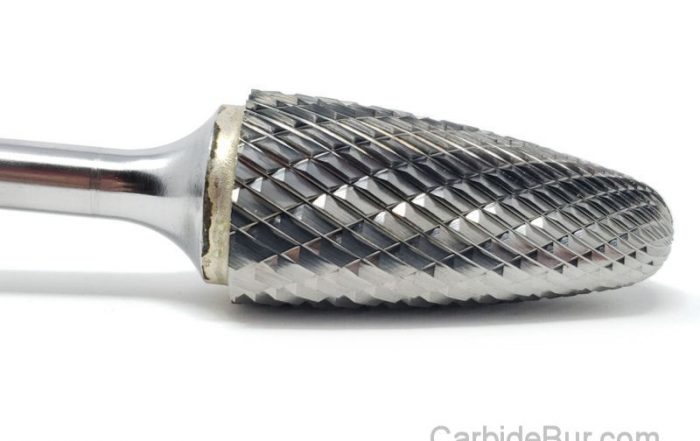
How to Grind a Slot in Metal With a Carbide Burr
How to Grind a Slot in Metal With a Carbide Burr Grinding a precise slot in metal can feel like a tricky task, especially if you’re unsure which tools to trust. Carbide burr grinding offers [...]

Best Carbide Burr for Inside Corners
Best Carbide Burr for Inside Corners Working in tight inside corners can turn even simple projects into frustrating tasks. Many carbide burrs just don’t fit or cut cleanly where you need them most. The best [...]
