
Stay Safe While Machining: Essential Tips for Using Carbide Burs in Die Grinders
Sharp chips flying from a carbide bur can catch you off guard in an instant. Without the right safety gear for machining, a quick slip could leave you with painful cuts or embedded shards. Focusing on die grinder safety means protecting yourself with long sleeves and gloves, so you stay injury-free and can keep your attention where it belongs—on your work. These simple carbide bur precautions make your workshop safer for everyone and help you finish projects without setbacks.
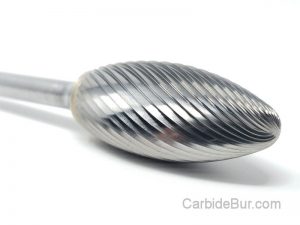
Looking for Carbide Bur Tools?
Check out our entire selection of USA made carbide bur die grinder tool bits
Understanding Carbide Burs
Carbide burs are essential tools in machining, providing precision and efficiency. Let’s explore their uses and how to select the best one for your needs.
What Are Carbide Burs?
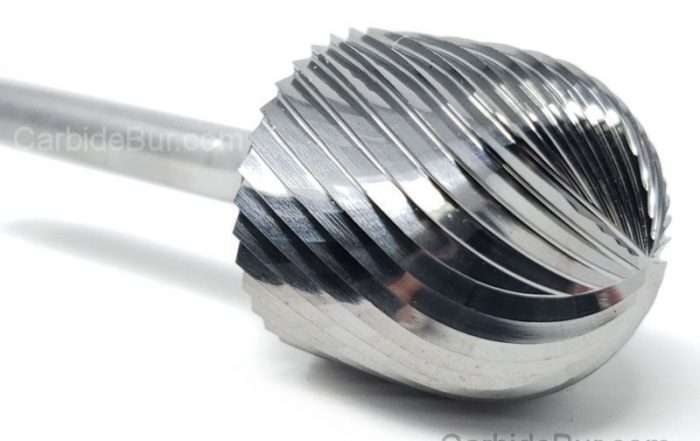
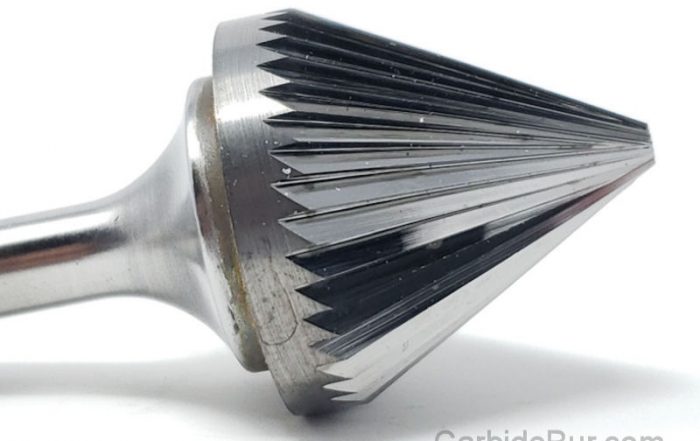
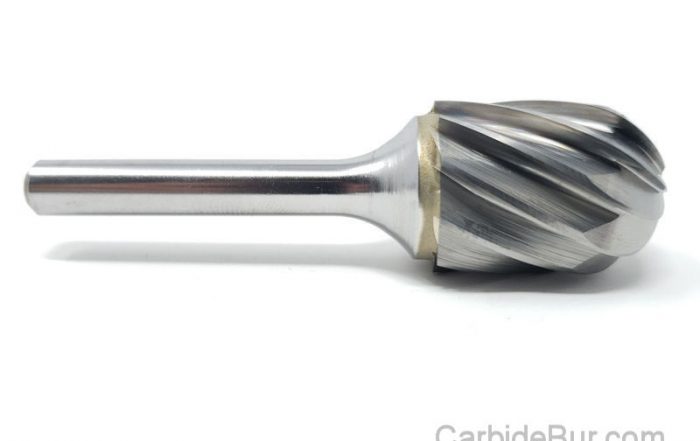
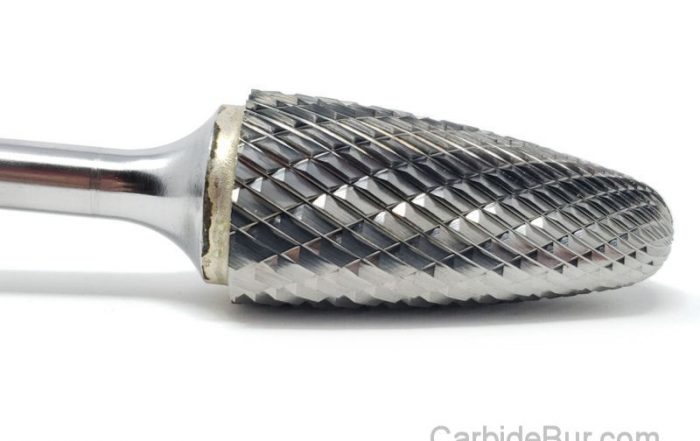
Carbide burs are cutting tools used in various applications. They feature sharp teeth that grind, cut, and shape materials with ease. These tools excel in precision work, making them a favorite among machinists. You’ll find them in different shapes and sizes, each designed for specific tasks.
Common Uses in Machining
Carbide burs are versatile. They shape metals, remove excess material, and smooth surfaces. From automotive to jewelry-making, these tools prove invaluable in getting the job done. By understanding their applications, you can ensure better results in your projects.
Choosing the Right Bur for the Job
Selecting the proper bur is crucial for success. Consider the material you’re working on: softer metals need different burs than harder ones. Match the bur’s shape to the task at hand. With the right selection, you’ll work more efficiently and achieve cleaner results.
Safety Gear for Machining
Safety is paramount when using carbide burs. Equip yourself with the right protective gear to prevent injuries and maintain focus.
Essential Protective Clothing
Long sleeves and gloves protect against flying debris. Choose durable materials that withstand sharp chips. These simple adjustments can save you from painful injuries, allowing you to concentrate on your work without worry.
Eye and Ear Protection
Protecting your eyes and ears is a must. Safety glasses shield your eyes from tiny projectiles, while earplugs reduce noise exposure. These simple tools prevent long-term damage and keep you comfortable during machining tasks.
Gloves and Respiratory Gear
Gloves safeguard your hands from cuts. Choose those with a good grip to maintain control. Respiratory masks are vital when working with materials that release harmful dust. They ensure you breathe clean air, keeping your lungs safe.
Die Grinder Safety
Die grinder safety involves proper handling and maintenance. Let’s explore techniques that contribute to a safe work environment.
Proper Handling Techniques
Hold your die grinder firmly: a steady grip prevents accidents. Use both hands for control and precision. Avoid overreaching and maintain a balanced stance to reduce the risk of slips and falls.
Maintaining Your Equipment
Regular maintenance extends your tool’s life. Clean your grinder after each use to remove debris. Lubricate moving parts to ensure smooth operation. Well-maintained tools perform better and are safer to use.
Recognizing Potential Hazards
Stay alert to potential hazards. Loose clothing can become entangled in machinery. Keep your workspace tidy to prevent tripping. Awareness of your surroundings reduces the chance of accidents.
Carbide Bur Precautions
Taking precautions enhances your safety and tool performance. Explore methods to reduce injury risk and ensure proper storage and inspection.
Reducing Risk of Injury
Minimize injury risk by using carbide burs correctly. Apply steady pressure and avoid forcing the tool. This practice prevents kickback and ensures smoother cuts.
Safe Storage Practices
Store burs properly to maintain their sharpness. Use protective cases to avoid damage. This simple step prolongs the life of your tools and keeps them ready for use.
Inspection and Maintenance Tips
Inspect your burs regularly for wear and tear. Replace worn tools to maintain efficiency. Keeping your tools in top condition ensures consistent performance and reduces safety risks.
Workshop Safety Tips
Creating a safe workshop environment involves more than just gear. Foster safety habits and encourage education to protect everyone.
Creating a Safe Work Environment
Organize your workspace to enhance safety. Label tools and ensure pathways are clear. A tidy workspace reduces accidents and boosts productivity.
Encouraging Safety Habits
Promote safety by setting a good example. Wear your protective gear consistently and encourage others to do the same. This practice fosters a culture of safety in your workshop.
Training and Education for Machinists
Invest in training and education. Stay updated on best practices and safety guidelines. Well-informed machinists are better equipped to prevent accidents and handle tools with confidence.
In conclusion, prioritizing safety with proper gear and practices ensures a secure and efficient machining environment. From selecting the right carbide bur to maintaining your workspace, these measures keep you and your team safe. By adopting these habits, you foster a culture of safety and productivity in your workshop.
Looking for Carbide Bur Tools?
Check out our entire selection of USA made carbide bur die grinder tool bits
Follow us on Twitter

Return to CarbideBur.com
Carbide Burs – 1/4″ on 1/8″ Shanks – Accessories – Aluminum Cut – Bur Sets – End Mills – Long Shank – Solid Burs
Can Carbide Burrs Cut Through Welds?
Can Carbide Burrs Cut Through Welds? Cutting through welds can feel like a battle, especially when you need clean results without harming the base metal. Carbide burrs offer a sharp edge in this fight, but [...]
How to Use a Carbide Burr With a Die Grinder
How to Use a Carbide Burr With a Die Grinder Most people treat a carbide burr like just another tool, but using it with a die grinder takes skill. If you’ve struggled with burr installation [...]
1/8 vs 1/4 Inch Carbide Burrs: What’s the Difference?
1/8 vs 1/4 Inch Carbide Burrs: What's the Difference? Choosing between a 1/8 inch carbide burr and a 1/4 inch carbide burr can change how your project turns out. Many machinists and hobbyists overlook how [...]
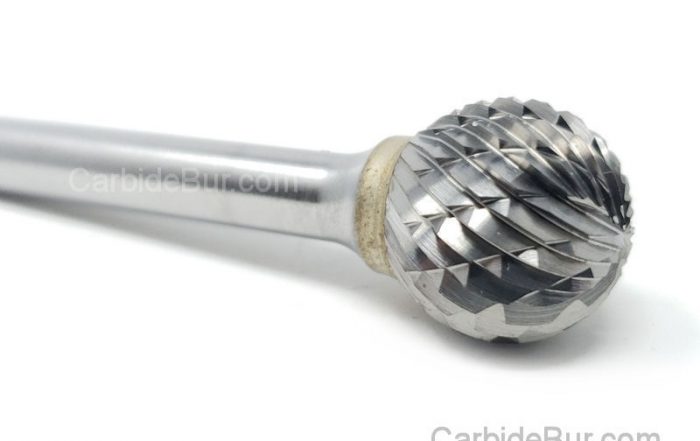
Best Carbide Burr for Removing Flash From Castings
Best Carbide Burr for Removing Flash From Castings Removing flash from castings is a task that can slow down your entire metalworking process if you don’t have the right tools. Picking the best carbide burr [...]
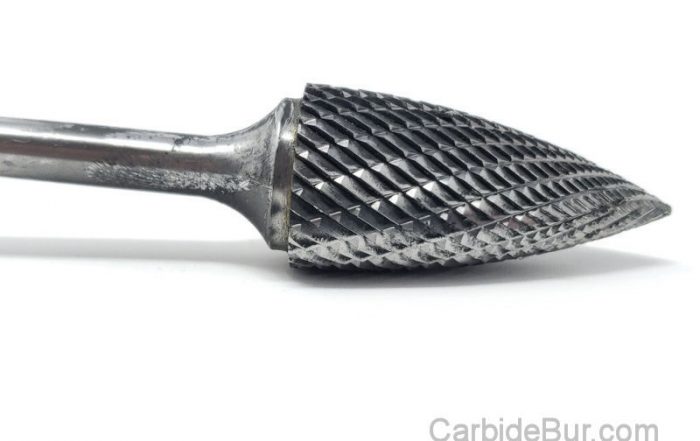
What RPM Should You Use for a 1/4 Inch Carbide Burr?
What RPM Should You Use for a 1/4 Inch Carbide Burr? Most machinists guess the right speed for a 1/4 inch carbide burr and hope for the best. Using the wrong carbide burr RPM can [...]
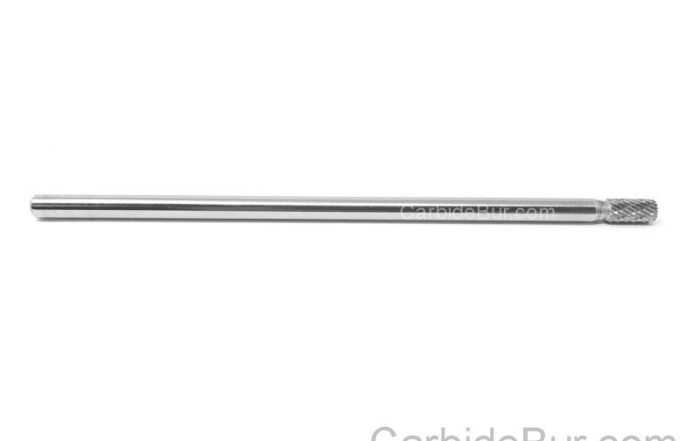
Long Shank Carbide Burrs: When Do You Need One?
Long Shank Carbide Burrs: When Do You Need One? Most machinists overlook the power of long shank carbide burrs until a project demands precision in tight spaces. When your usual tools can’t reach intricate contours, [...]
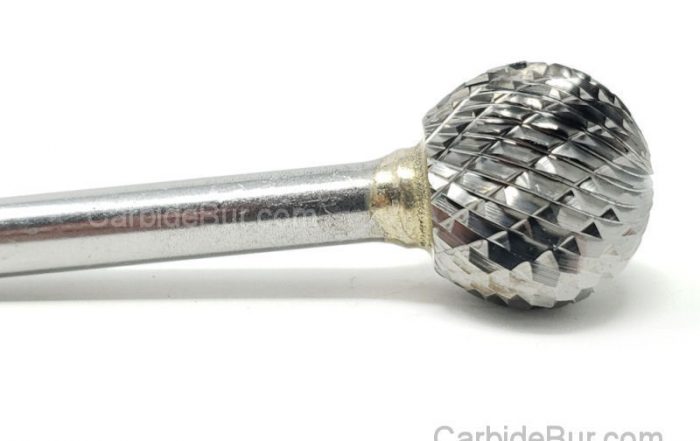
How Deep Can a Carbide Burr Cut Metal?
How Deep Can a Carbide Burr Cut Metal? Carbide burrs often get praised for their precision, but many users hit a wall wondering how deep they can actually cut metal. The truth is, cutting depth [...]
How to Use Carbide Burrs for Port Matching
How to Use Carbide Burrs for Port Matching Most engine builds hit a wall when airflow doesn’t flow smoothly between the ports and manifolds. If your engine isn’t breathing right, your performance stalls. Using the [...]
Best Carbide Burr for Porting Intake Manifolds
Best Carbide Burr for Porting Intake Manifolds Porting intake manifolds can make or break your engine’s airflow, yet many struggle with the right tools for the job. Choosing the best carbide burrs is key to [...]
Best Carbide Burr for Concave Surfaces
Best Carbide Burr for Concave Surfaces Concave surfaces can turn a straightforward project into a frustrating challenge if you don’t have the right tool. Carbide burrs designed for these tricky curves make all the difference [...]
How to Grind a Slot in Metal With a Carbide Burr
How to Grind a Slot in Metal With a Carbide Burr Grinding a precise slot in metal can feel like a tricky task, especially if you’re unsure which tools to trust. Carbide burr grinding offers [...]

Best Carbide Burr for Inside Corners
Best Carbide Burr for Inside Corners Working in tight inside corners can turn even simple projects into frustrating tasks. Many carbide burrs just don’t fit or cut cleanly where you need them most. The best [...]
