
RPM Ranges Unraveled: Choosing the Right Cutting Speed for Your Machining Techniques
You’ve spent hours setting up your machine, only to question if your RPM settings are slowing you down. Picking the right RPM ranges can make or break your machining process. This cutting speed comparison breaks down when high-speed cutting outperforms low-speed cutting and when it’s better to slow things down. Keep reading to sharpen your techniques and get every cut right. For more insights, check out this resource.
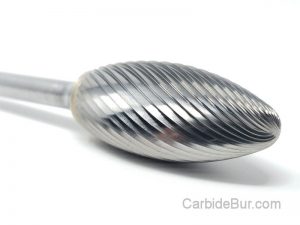
Looking for Carbide Bur Tools?
Check out our entire selection of USA made carbide bur die grinder tool bits
Understanding RPM Ranges
When it comes to machining, understanding RPM ranges helps you get the most out of your tools. Let’s dive into what makes these ranges crucial for your work.
Basics of RPM in Machining
RPM, or revolutions per minute, measures how fast your tool spins. It’s a pretty straightforward concept: the higher the RPM, the faster the tool moves. This speed is vital because it affects your machine’s ability to cut through materials. In essence, knowing your RPM is the first step in mastering your machining techniques.
Understanding RPM is like knowing how fast you’re driving. Go too fast, and you risk losing control. Go too slow, and you might not reach your destination efficiently. The sweet spot is where your tool works best, cutting smoothly without damaging the material.
Importance of Cutting Speed Comparison
So, why compare cutting speeds? It helps you decide the best speed for each task. A proper cutting speed comparison ensures you’re not wasting time or materials. By comparing, you see where high-speed cutting can save time and where low-speed cutting provides better precision.
Think of cutting speed like choosing the right shoes for an occasion. You wouldn’t wear high heels to a marathon, right? Similarly, you wouldn’t use the same RPM for every material. A thoughtful comparison ensures you’re always using the best approach.
High-Speed Cutting Techniques
After understanding RPM basics, high-speed techniques offer a path to greater productivity. Let’s explore when speed is your best friend.
Advantages of High-Speed Cutting
High-speed cutting is about efficiency. You cut through materials faster, which means more parts in less time. This is particularly useful in large production runs where every second counts.
With high-speed cutting, you can achieve smoother finishes without extensive secondary operations. This means less time spent polishing or refining the product afterward. Plus, high-speed cutting can prolong tool life by reducing the force required for each cut.
When to Use High-Speed Cutting
You might wonder when high-speed cutting is the right choice. It shines in situations where time is crucial, like in mass production environments. If you’re working with softer materials, high-speed cutting allows for quick, clean cuts without compromising quality.
However, it’s not always suitable. For intricate designs or delicate materials, slowing down might be necessary. Always consider your material and the desired outcome. By doing so, you ensure quality results every time.
Low-Speed Cutting Techniques
High-speed isn’t always the answer. Sometimes, slowing down is the key to success. Let’s see why low-speed cutting might be the better choice.
Benefits of Low-Speed Cutting
Low-speed cutting offers control and precision. It’s ideal for tasks requiring intricate details or when working with fragile materials. This approach minimizes the risk of damaging the material, ensuring a cleaner final product.
Additionally, low-speed cutting reduces heat generation. This is crucial for heat-sensitive materials that might warp or melt under high-speed conditions. By keeping things cool, you maintain the integrity of your workpiece.
Optimal Scenarios for Low-Speed Cutting
When should you slow things down? If you’re working with brittle materials, low-speed is your go-to. It helps avoid cracks or breaks. Similarly, when precision matters more than speed, like in custom or detailed parts, low-speed ensures every cut is perfect.
Imagine sculpting an ice sculpture. You wouldn’t want to rush, as precision is key. The same logic applies here. Consider your material and goals, then choose the speed that aligns best with them.
Choosing the Right RPM for Your Needs
With both high and low-speed techniques in mind, how do you choose the right RPM? It’s about understanding your unique requirements.
Factors Influencing RPM Choice
Several factors determine the best RPM for your task. Material type is a big one. Softer materials can handle higher speeds, while harder ones might need slower, more deliberate cuts.
Tooling also affects your choice. Different tools perform better at different speeds. Always consider your tool’s design and material when setting your RPM. Finally, think about the desired finish. A polished surface might require a different approach than a rough cut.
Practical Tips for RPM Selection
Here are some tips to guide your RPM selection:
-
Know Your Material: Always match your speed to the material.
-
Check Tool Specs: Ensure your tool is rated for the chosen RPM.
-
Experiment: Don’t be afraid to adjust and test different speeds.
By following these tips, you’ll find the perfect RPM for any task, ensuring efficiency and quality in your machining efforts.
Practical Applications and Case Studies
With theory in hand, let’s look at real-world examples that bring high and low-speed cutting to life.
Real-World Examples of High-Speed Cutting
In the automotive industry, high-speed cutting is a game-changer. Factories produce thousands of parts daily. Using high-speed techniques, they cut production time significantly. This efficiency translates to cost savings and faster delivery times.
In electronics, high-speed cutting allows for rapid prototyping. Engineers can quickly iterate on designs, bringing products to market faster. The speed does not compromise quality, making it an invaluable tool in fast-paced industries.
Low-Speed Cutting in Various Industries
Artisans crafting jewelry often rely on low-speed cutting. The delicate nature of their materials demands precision. By taking it slow, they avoid damaging precious stones and metals, ensuring a flawless finish.
In aerospace, low-speed cutting is used for precision parts. The intricate components require careful handling to maintain safety standards. By focusing on control and accuracy, manufacturers produce reliable, high-quality parts every time.
By understanding RPM and cutting speeds, you can optimize your machining processes, whether you’re racing against the clock or crafting with care. Each technique has its place, and knowing when to use each one is the secret to success.
Looking for Carbide Bur Tools?
Check out our entire selection of USA made carbide bur die grinder tool bits
Follow us on Twitter

Return to CarbideBur.com
Carbide Burs – 1/4″ on 1/8″ Shanks – Accessories – Aluminum Cut – Bur Sets – End Mills – Long Shank – Solid Burs
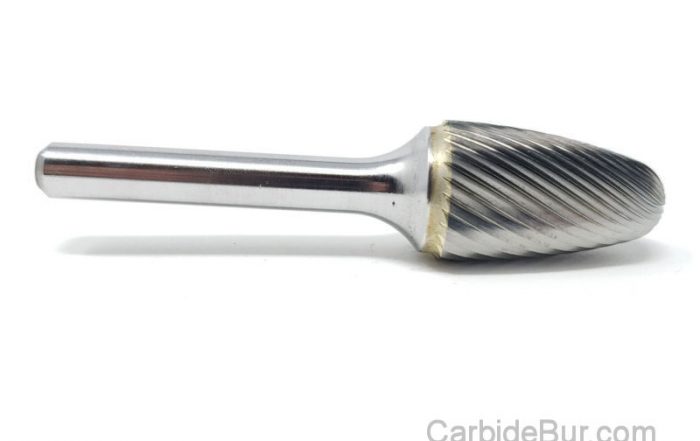
How to Grind a Groove in Metal With a Carbide Burr
How to Grind a Groove in Metal With a Carbide Burr Most metalworkers struggle to cut clean grooves without wasting time or ruining their workpiece. Many try different metalworking tools but end up with uneven [...]
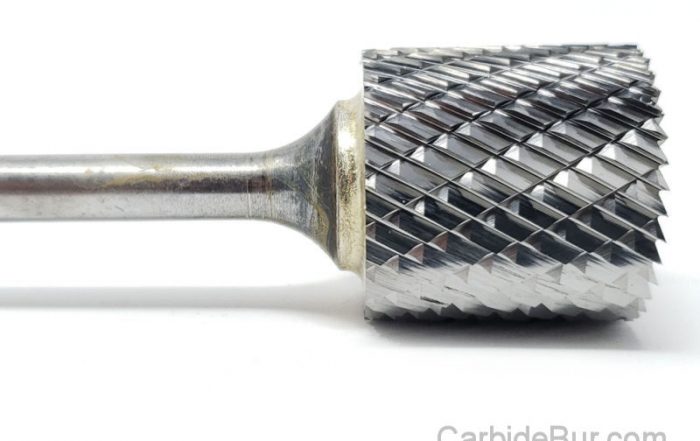
Can Carbide Burrs Cut Through Welds?
Can Carbide Burrs Cut Through Welds? Cutting through welds can feel like a battle, especially when you need clean results without harming the base metal. Carbide burrs offer a sharp edge in this fight, but [...]
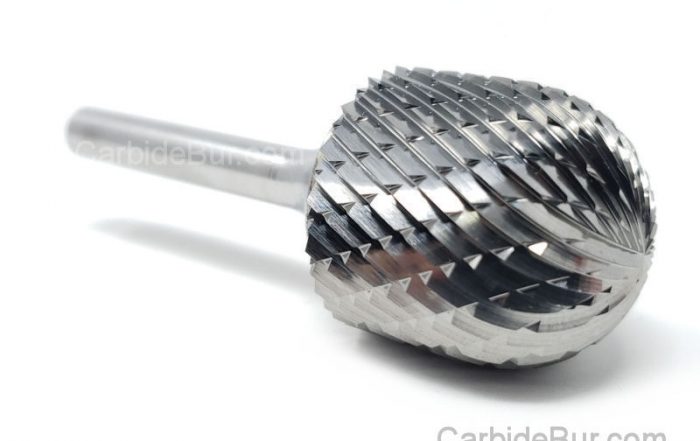
How to Use a Carbide Burr With a Die Grinder
How to Use a Carbide Burr With a Die Grinder Most people treat a carbide burr like just another tool, but using it with a die grinder takes skill. If you’ve struggled with burr installation [...]
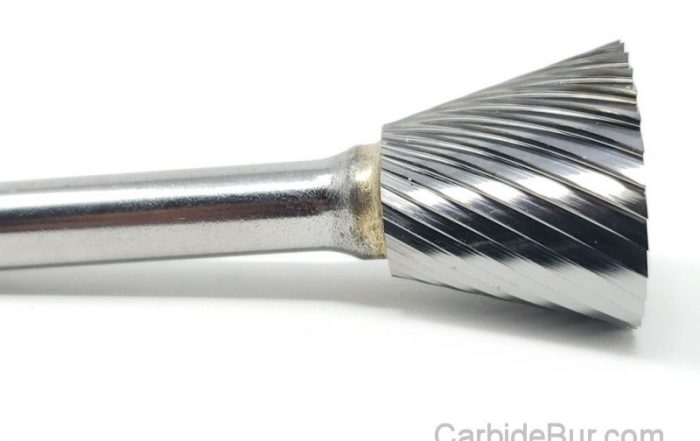
1/8 vs 1/4 Inch Carbide Burrs: What’s the Difference?
1/8 vs 1/4 Inch Carbide Burrs: What's the Difference? Choosing between a 1/8 inch carbide burr and a 1/4 inch carbide burr can change how your project turns out. Many machinists and hobbyists overlook how [...]
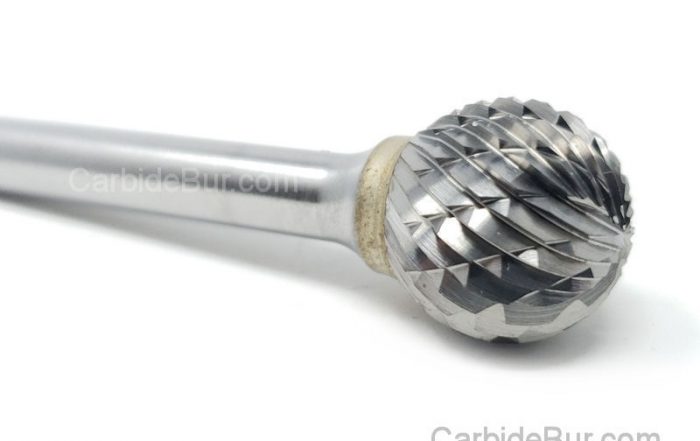
Best Carbide Burr for Removing Flash From Castings
Best Carbide Burr for Removing Flash From Castings Removing flash from castings is a task that can slow down your entire metalworking process if you don’t have the right tools. Picking the best carbide burr [...]
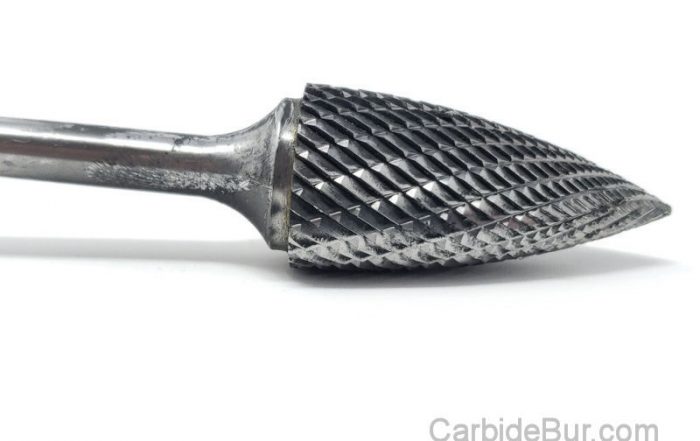
What RPM Should You Use for a 1/4 Inch Carbide Burr?
What RPM Should You Use for a 1/4 Inch Carbide Burr? Most machinists guess the right speed for a 1/4 inch carbide burr and hope for the best. Using the wrong carbide burr RPM can [...]
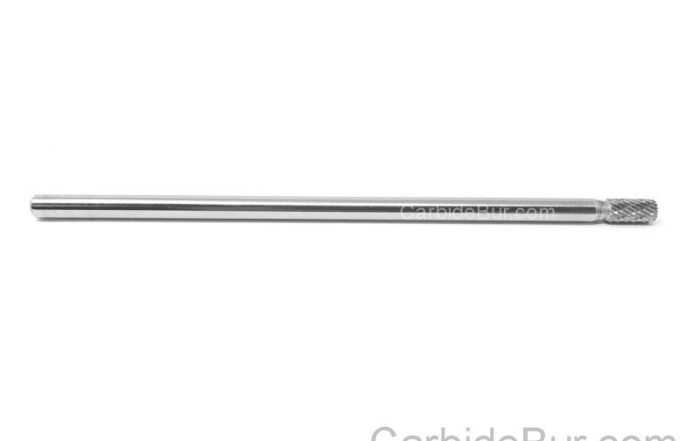
Long Shank Carbide Burrs: When Do You Need One?
Long Shank Carbide Burrs: When Do You Need One? Most machinists overlook the power of long shank carbide burrs until a project demands precision in tight spaces. When your usual tools can’t reach intricate contours, [...]
How Deep Can a Carbide Burr Cut Metal?
How Deep Can a Carbide Burr Cut Metal? Carbide burrs often get praised for their precision, but many users hit a wall wondering how deep they can actually cut metal. The truth is, cutting depth [...]
How to Use Carbide Burrs for Port Matching
How to Use Carbide Burrs for Port Matching Most engine builds hit a wall when airflow doesn’t flow smoothly between the ports and manifolds. If your engine isn’t breathing right, your performance stalls. Using the [...]
Best Carbide Burr for Porting Intake Manifolds
Best Carbide Burr for Porting Intake Manifolds Porting intake manifolds can make or break your engine’s airflow, yet many struggle with the right tools for the job. Choosing the best carbide burrs is key to [...]
Best Carbide Burr for Concave Surfaces
Best Carbide Burr for Concave Surfaces Concave surfaces can turn a straightforward project into a frustrating challenge if you don’t have the right tool. Carbide burrs designed for these tricky curves make all the difference [...]
How to Grind a Slot in Metal With a Carbide Burr
How to Grind a Slot in Metal With a Carbide Burr Grinding a precise slot in metal can feel like a tricky task, especially if you’re unsure which tools to trust. Carbide burr grinding offers [...]
