
From Carbide Bur to Burr: Effective Tools for Weld Spatter Removal
Weld spatter can turn a clean metal job into a frustrating mess that slows down your work. You’ve tried various tools, but not all handle weld spatter removal the same way. In this post, you’ll learn how fabricators use carbide burs and carbide burrs to tackle spatter with precision, saving time and improving your metal fabrication results. Check out these welding tools for fast and effective cleaning.
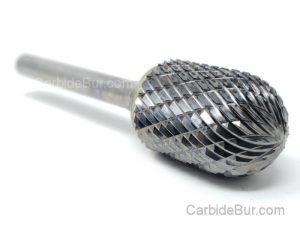
Have you tried our Carbide Burs for your job?
Understanding Weld Spatter
Weld spatter is a common challenge in metal fabrication, affecting quality and workflow. Knowing its causes and impact can help you manage it better.
Causes of Spatter
Weld spatter often happens due to improper technique or incorrect settings. For example, using too much voltage or an incorrect wire feed speed can lead to increased spatter. Another cause is using low-quality materials, which can lead to inconsistent results. Ensuring you have the right setup, like checking your voltage and wire feed, can reduce occurrences significantly. Did you know? Even humidity can play a role, as moisture might cause more spatter.
Effects on Fabrication
Spatter not only affects the appearance but also the integrity of the weld. It can lead to weak joints and potential failures in the long run. Cleaning spatter takes time and resources, impacting productivity. Consistent spatter might mean you’re spending more time on fixes than on actual welding. You might be surprised, but some fabricators find that investing time in setup saves more than it costs in cleanup.
Essential Tools for Spatter Removal
Having the right tools makes all the difference in tackling weld spatter. Let’s explore the primary tools: carbide bur and carbide burr.
Carbide Bur vs. Carbide Burr
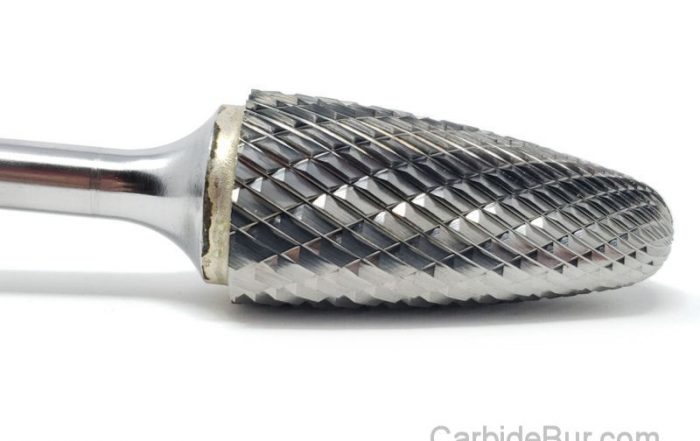
At first glance, carbide burs and burrs might seem similar, but they serve slightly different purposes. Carbide burs are typically used in deburring and shaping, while carbide burrs excel in grinding and finishing tasks. When choosing between them, consider the specific needs of your project. For instance, burs might be your go-to for precision shaping, while burrs handle rougher surfaces with ease. Learn more about carbide burrs and their applications.
Advantages of Each Tool
Both tools offer unique benefits. Carbide burs are great for clean, precise work, reducing the need for additional polishing. They are perfect for intricate designs and detailed cuts. In contrast, carbide burrs are known for their durability and strength, making them suitable for heavy-duty tasks. They cut through metal with minimal effort, saving you time on larger projects. Many fabricators swear by burrs for their ability to handle tough jobs without wearing out quickly.
Effective Fabrication Techniques
Techniques can make or break your welding process. Employing the right methods can lead to spatter-free work.

Achieving Spatter-Free Welding
True spatter-free welding requires a mix of correct settings, quality materials, and proper technique. Start by ensuring your voltage and wire feed are set correctly. Use high-quality materials to prevent inconsistencies. Practicing a steady hand and consistent speed helps maintain a smooth flow, reducing spatter. Check out this discussion on best practices for spatter-free outcomes.
Improving Welding Processes
Improving your welding process involves regular evaluations and tweaks. Consider investing time in training and staying updated with the latest welding techniques. Use feedback from finished projects to identify areas for improvement. Keep a log of settings and outcomes, which helps in identifying what works best. Consistent learning and adapting are the keys to a spatter-free welding journey.
Welding Tips for Professionals
Even seasoned welders can benefit from a few handy tips to perfect their craft.
Best Practices for Metal Fabrication
Using the right techniques and equipment makes a significant difference. Always keep your workspace clean to avoid contamination. Regularly inspect your tools and equipment, ensuring they’re in top shape. A well-maintained tool is less likely to malfunction. Another tip: practice makes perfect. Spend time refining your skills outside of critical projects to boost confidence.
Maintaining Equipment for Optimal Results
Proper maintenance of equipment extends its life and ensures consistent results. Regularly clean your tools and replace worn-out parts promptly. Keep an eye on your welding machine’s performance; if it shows signs of wear, consider professional servicing. Using high-quality consumables can also make a difference. Remember, a well-maintained tool is a reliable tool.
Spatter-Free Welding Strategies
Long-term success in welding comes from strategic planning and continuous improvement.
Long-Term Solutions for Fabricators
Think beyond immediate results. Investing in quality tools and training pays off in the long run. Consider creating a schedule for regular equipment checks and maintenance. Document lessons learned from each project to reference in future endeavors. Collaboration with peers and joining discussions can also provide valuable insights.
Building Confidence in Welding Skills
Building confidence starts with knowledge and practice. Stay curious and open to learning. Participate in workshops or online courses to enhance your skills. Surround yourself with a supportive network of fellow professionals. Remember, confidence grows with each successful project, leading to better and more efficient outcomes.
Fabricators worldwide find that investing in their skills and equipment results in better projects and happier clients. Celebrate your successes and learn from challenges. The journey to mastering spatter-free welding is ongoing, but with the right approach, success is within reach.
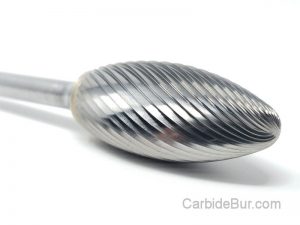
Looking for Carbide Bur Tools?
Check out our entire selection of USA made carbide bur die grinder tool bits
Follow us on Twitter

Return to CarbideBur.com
Carbide Burs – 1/4″ on 1/8″ Shanks – Accessories – Aluminum Cut – Bur Sets – End Mills – Long Shank – Solid Burs
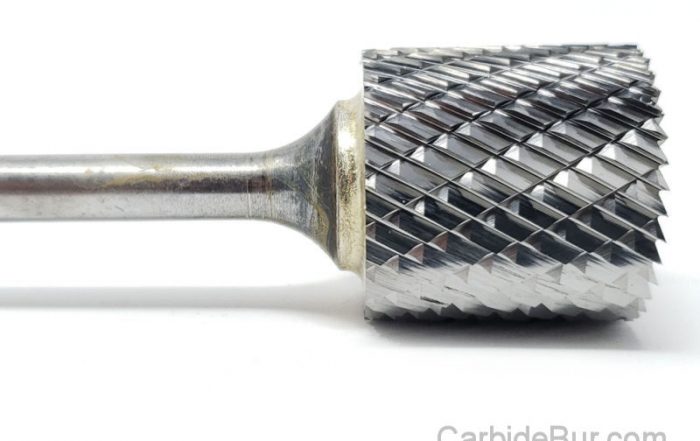
Can Carbide Burrs Cut Through Welds?
Can Carbide Burrs Cut Through Welds? Cutting through welds can feel like a battle, especially when you need clean results without harming the base metal. Carbide burrs offer a sharp edge in this fight, but [...]
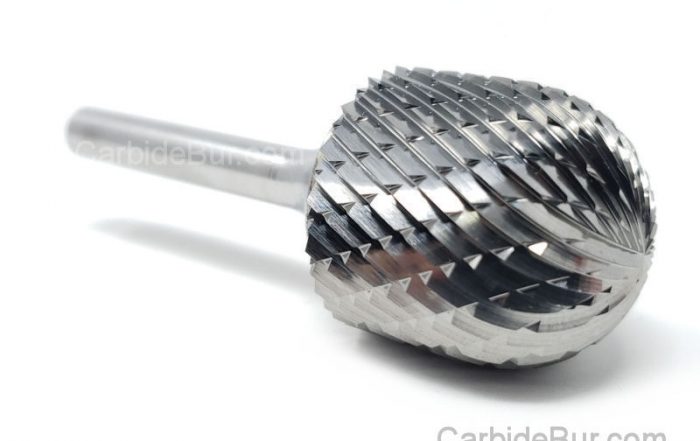
How to Use a Carbide Burr With a Die Grinder
How to Use a Carbide Burr With a Die Grinder Most people treat a carbide burr like just another tool, but using it with a die grinder takes skill. If you’ve struggled with burr installation [...]
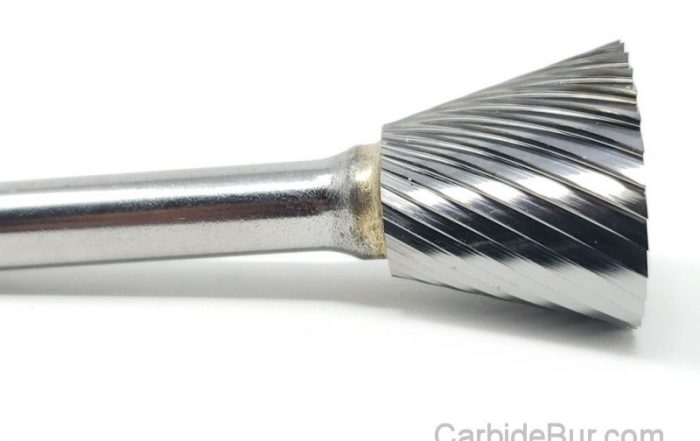
1/8 vs 1/4 Inch Carbide Burrs: What’s the Difference?
1/8 vs 1/4 Inch Carbide Burrs: What's the Difference? Choosing between a 1/8 inch carbide burr and a 1/4 inch carbide burr can change how your project turns out. Many machinists and hobbyists overlook how [...]
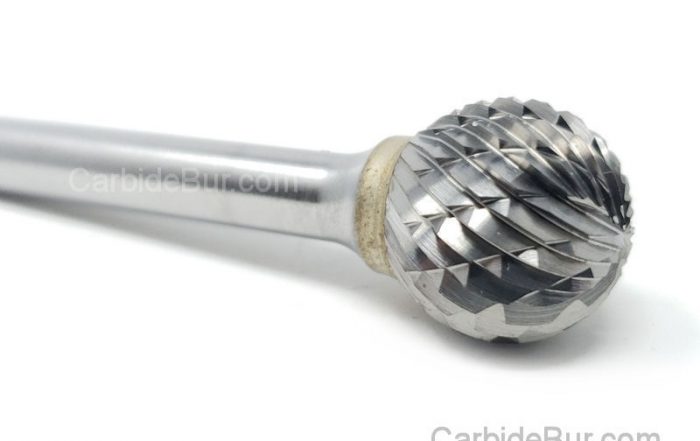
Best Carbide Burr for Removing Flash From Castings
Best Carbide Burr for Removing Flash From Castings Removing flash from castings is a task that can slow down your entire metalworking process if you don’t have the right tools. Picking the best carbide burr [...]
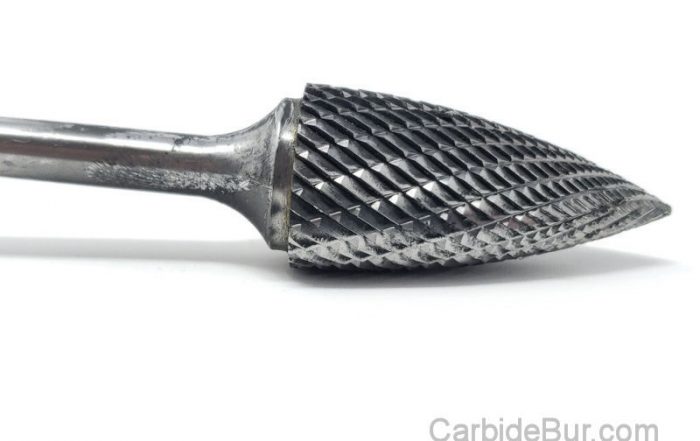
What RPM Should You Use for a 1/4 Inch Carbide Burr?
What RPM Should You Use for a 1/4 Inch Carbide Burr? Most machinists guess the right speed for a 1/4 inch carbide burr and hope for the best. Using the wrong carbide burr RPM can [...]
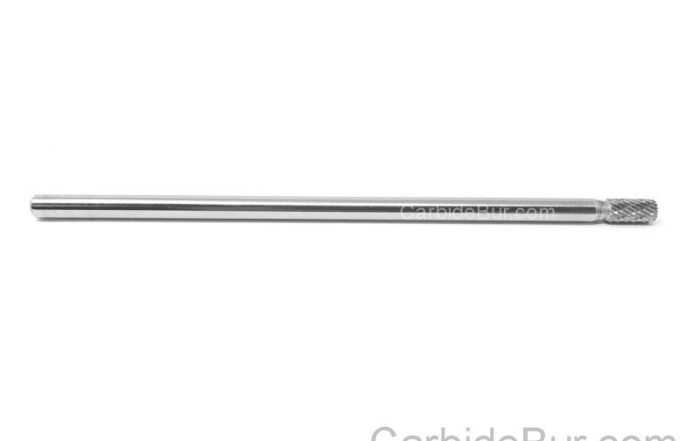
Long Shank Carbide Burrs: When Do You Need One?
Long Shank Carbide Burrs: When Do You Need One? Most machinists overlook the power of long shank carbide burrs until a project demands precision in tight spaces. When your usual tools can’t reach intricate contours, [...]
How Deep Can a Carbide Burr Cut Metal?
How Deep Can a Carbide Burr Cut Metal? Carbide burrs often get praised for their precision, but many users hit a wall wondering how deep they can actually cut metal. The truth is, cutting depth [...]
How to Use Carbide Burrs for Port Matching
How to Use Carbide Burrs for Port Matching Most engine builds hit a wall when airflow doesn’t flow smoothly between the ports and manifolds. If your engine isn’t breathing right, your performance stalls. Using the [...]
Best Carbide Burr for Porting Intake Manifolds
Best Carbide Burr for Porting Intake Manifolds Porting intake manifolds can make or break your engine’s airflow, yet many struggle with the right tools for the job. Choosing the best carbide burrs is key to [...]
Best Carbide Burr for Concave Surfaces
Best Carbide Burr for Concave Surfaces Concave surfaces can turn a straightforward project into a frustrating challenge if you don’t have the right tool. Carbide burrs designed for these tricky curves make all the difference [...]
How to Grind a Slot in Metal With a Carbide Burr
How to Grind a Slot in Metal With a Carbide Burr Grinding a precise slot in metal can feel like a tricky task, especially if you’re unsure which tools to trust. Carbide burr grinding offers [...]

Best Carbide Burr for Inside Corners
Best Carbide Burr for Inside Corners Working in tight inside corners can turn even simple projects into frustrating tasks. Many carbide burrs just don’t fit or cut cleanly where you need them most. The best [...]
