
Achieving Smooth Operation: Expert Tips to Avoid Carbide Burr Chattering
Carbide burr chattering can wreck your work and wear down your tools faster than you think. If you’ve struggled with shaky cuts or poor finishes, you’re not alone—and the fix might be simpler than you expect. This post breaks down what causes chattering, from RPM settings to feed rates, and shares carbide burr tips that improve your machining techniques. Keep reading to learn how to smooth out your operation and protect your tools. For more insights, check out this link.
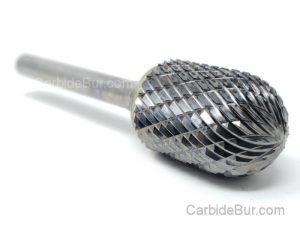
Have you tried our Carbide Burs for your job?
Understanding Carbide Burr Chattering
Chattering is more common than you might expect. It can lead to tool damage, poor finishes, and frustration. Let’s explore some reasons behind this.
Causes of Chattering
Chattering happens when your carbide burr vibrates during machining. This could be due to various factors:
-
Incorrect RPM settings: If the speed is too high or too low, your tool might vibrate.
-
Improper feed rates: Feeding the tool too quickly or slowly can cause instability.
-
Material issues: Some materials are simply more prone to causing vibrations.
Understanding these factors can help you take control and minimize issues. For more detailed guidance, visit this article.
Impact on Tool Performance
Your tool’s performance is directly affected by chattering. It can lead to:
-
Faster wear and tear: The vibrations cause friction that can quickly damage your tool.
-
Lower quality finishes: The surface of your workpiece might show unwanted marks.
Avoiding chattering can extend your tool’s life and improve the quality of your work.
Common Misconceptions
Many think chattering is just about speed. It’s more complex. Material type and feed rate play a huge role too. Most people focus solely on RPM, but there’s more to consider.
Adjusting RPM Settings
Adjusting RPM settings can be a game-changer. It’s all about finding the sweet spot for your tool and material.
Ideal RPM for Different Materials
Different materials require different speeds:
-
Soft materials: Lower RPM might be enough.
-
Hard materials: Typically need higher RPM to cut smoothly.
Choosing the right RPM is crucial. Too fast or too slow, and you risk chattering. Learn more about this in this guide.
Consequences of Incorrect RPM
An incorrect RPM setting can be detrimental:
-
Increased tool wear: The wrong speed can wear out your tool prematurely.
-
Poor surface quality: Incorrect speeds often lead to rough surfaces.
Ensuring the right speed is key to efficiency and tool longevity.
Tips for RPM Calibration
Calibrating your RPM settings takes some practice:
-
Start slow: Begin with a lower RPM and gradually increase.
-
Monitor vibrations: Stop if you feel excessive vibrations.
-
Experiment: Find what works best for each material.
With practice, you’ll find the perfect setting quickly.
Optimizing Feed Rates
Feed rates play a vital role in minimizing chattering. Let’s explore how to get it right.

Importance of Proper Feed Rates
The right feed rate ensures:
-
Smooth operation: It prevents excessive tool pressure.
-
Better finishes: Consistent feed rates result in smoother cuts.
Getting this right can vastly improve your results. For more on optimizing your feed rate, take a look at this resource.
Techniques for Consistent Feeding
Consistent feeding rates help maintain stability:
-
Use steady hands: Avoid sudden movements.
-
Keep a uniform pace: Consistency is key to reducing vibrations.
Practice makes perfect. Over time, you’ll develop a feel for the right speed.
Avoiding Overloading and Tool Wear
Preventing overload is crucial for tool health:
-
Watch your feed rate: Too fast can overload the tool.
-
Regular checks: Inspect your tool frequently for signs of wear.
Maintaining appropriate feed rates protects your tools and workpieces.
Choosing the Right Material
Material choice can significantly impact chattering. Selecting the right one is crucial.
Material Compatibility with Carbide Burrs
Some materials work better with carbide burrs:
-
Metals: Steel and aluminum usually perform well.
-
Plastics: Can be tricky due to their softness.
Knowing what works best helps you make informed choices.
Identifying Problematic Materials
Not all materials are ideal for carbide burrs:
-
Brittle materials: These may chip or vibrate more.
-
Soft materials: They might require special care to avoid chattering.
Recognizing these materials can save you time and frustration.
Material-Specific Tips for Smooth Operation
Tailor your approach based on the material:
-
For hard metals: Use higher RPM and slower feed rates.
-
For soft plastics: Lower RPM and gentle feed help reduce vibrations.
Adjust your technique to the material, and you’ll notice smoother operations.
Techniques to Minimize Chattering
Finally, let’s dive into some practical techniques to tackle chattering head-on.
Tool Maintenance and Care
Proper maintenance extends your tool’s life:
-
Regular cleaning: Remove debris to prevent buildup.
-
Sharpening: Keep your tools sharp for efficient cutting.
Consistent care keeps your tools in top shape.
Operator Techniques for Stability
Your technique matters:
-
Steady hands: Avoid abrupt movements.
-
Proper stance: Position yourself for stability during operation.
These simple adjustments can greatly reduce vibrations.
Advanced Machining Techniques
Advanced techniques can further enhance your work:
-
Use support: Additional support can stabilize your workpiece.
-
Try different angles: Sometimes changing the angle can reduce chattering.
Experiment and see what works best for you. With these insights, you’re well on your way to mastering carbide burr use. Keep refining your skills and watch your efficiency soar.
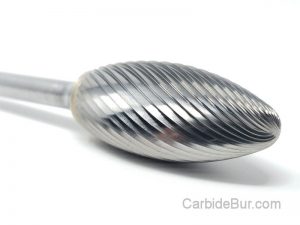
Looking for Carbide Bur Tools?
Check out our entire selection of USA made carbide bur die grinder tool bits
Follow us on Twitter

Return to CarbideBur.com
Carbide Burs – 1/4″ on 1/8″ Shanks – Accessories – Aluminum Cut – Bur Sets – End Mills – Long Shank – Solid Burs
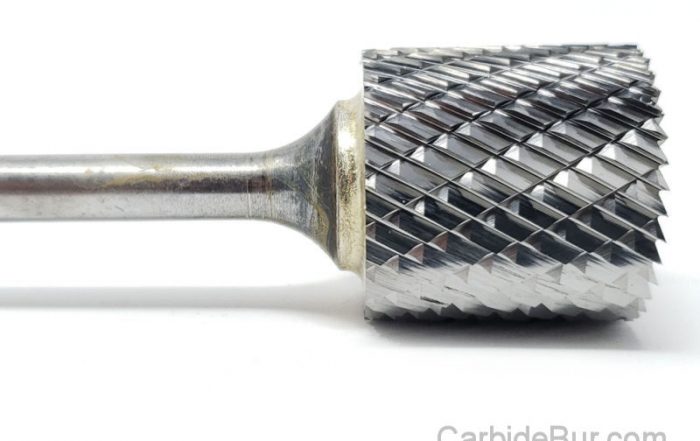
Can Carbide Burrs Cut Through Welds?
Can Carbide Burrs Cut Through Welds? Cutting through welds can feel like a battle, especially when you need clean results without harming the base metal. Carbide burrs offer a sharp edge in this fight, but [...]
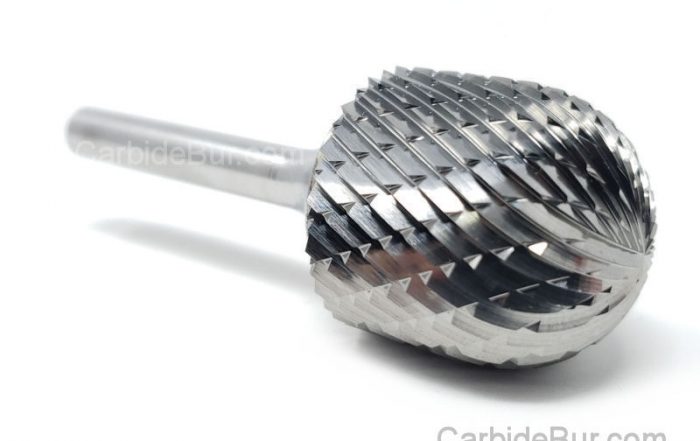
How to Use a Carbide Burr With a Die Grinder
How to Use a Carbide Burr With a Die Grinder Most people treat a carbide burr like just another tool, but using it with a die grinder takes skill. If you’ve struggled with burr installation [...]
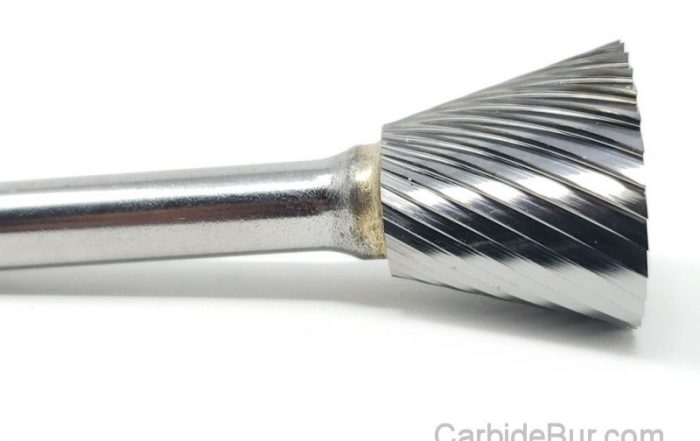
1/8 vs 1/4 Inch Carbide Burrs: What’s the Difference?
1/8 vs 1/4 Inch Carbide Burrs: What's the Difference? Choosing between a 1/8 inch carbide burr and a 1/4 inch carbide burr can change how your project turns out. Many machinists and hobbyists overlook how [...]
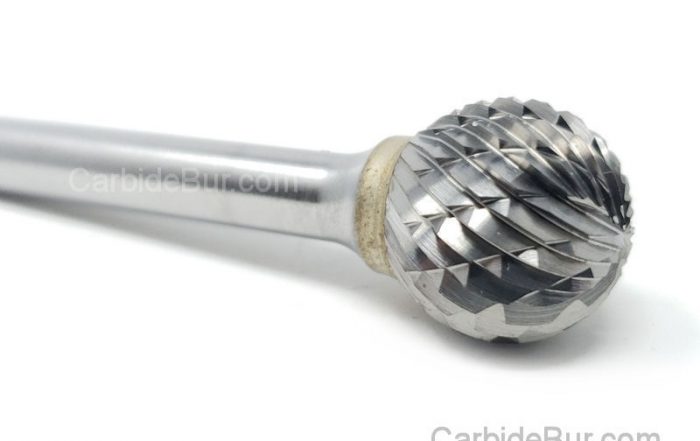
Best Carbide Burr for Removing Flash From Castings
Best Carbide Burr for Removing Flash From Castings Removing flash from castings is a task that can slow down your entire metalworking process if you don’t have the right tools. Picking the best carbide burr [...]
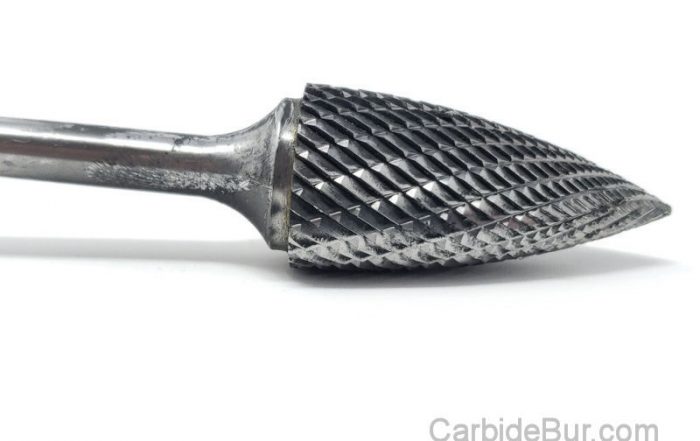
What RPM Should You Use for a 1/4 Inch Carbide Burr?
What RPM Should You Use for a 1/4 Inch Carbide Burr? Most machinists guess the right speed for a 1/4 inch carbide burr and hope for the best. Using the wrong carbide burr RPM can [...]
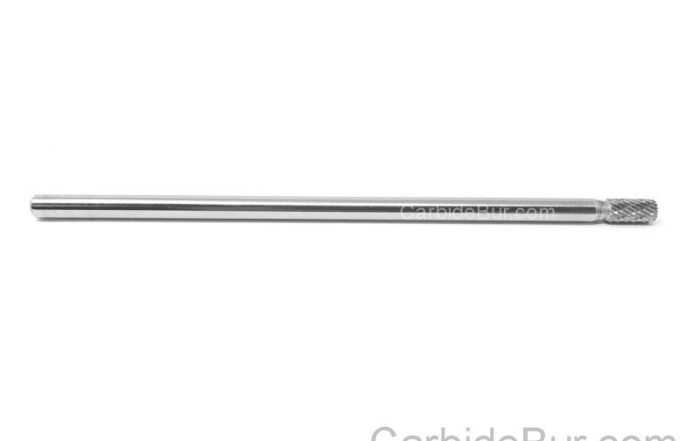
Long Shank Carbide Burrs: When Do You Need One?
Long Shank Carbide Burrs: When Do You Need One? Most machinists overlook the power of long shank carbide burrs until a project demands precision in tight spaces. When your usual tools can’t reach intricate contours, [...]
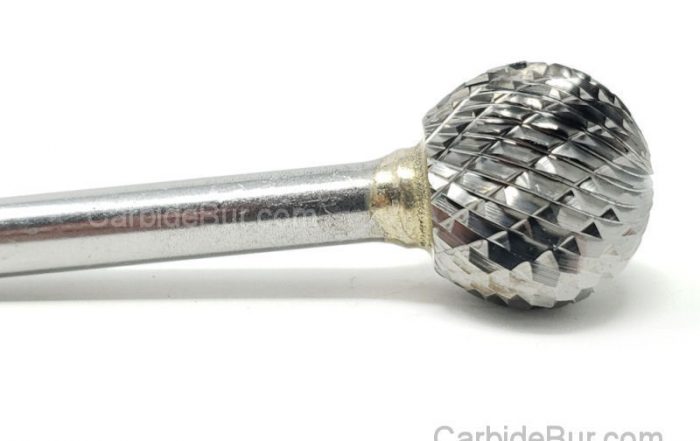
How Deep Can a Carbide Burr Cut Metal?
How Deep Can a Carbide Burr Cut Metal? Carbide burrs often get praised for their precision, but many users hit a wall wondering how deep they can actually cut metal. The truth is, cutting depth [...]
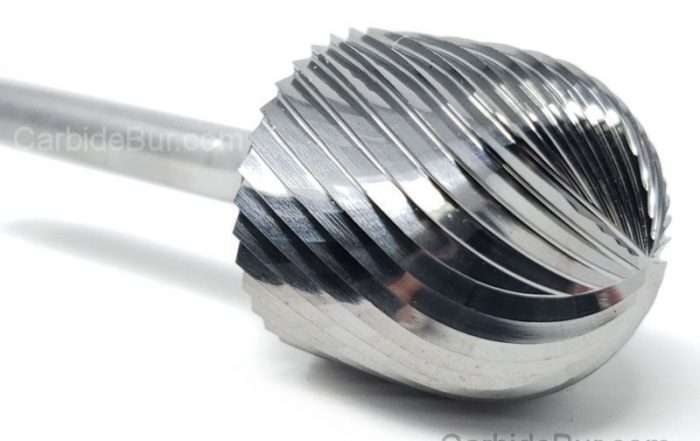
How to Use Carbide Burrs for Port Matching
How to Use Carbide Burrs for Port Matching Most engine builds hit a wall when airflow doesn’t flow smoothly between the ports and manifolds. If your engine isn’t breathing right, your performance stalls. Using the [...]
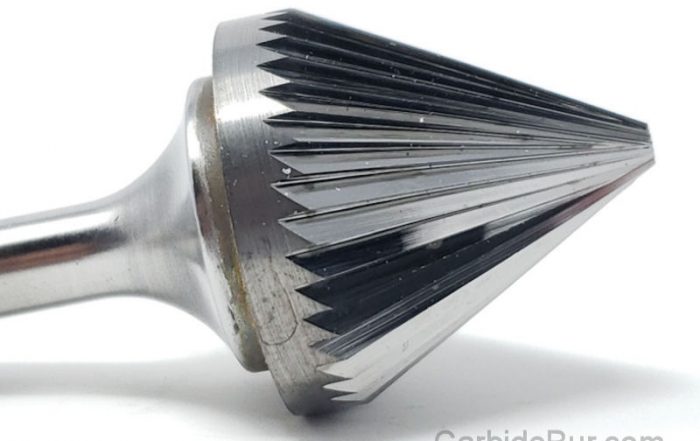
Best Carbide Burr for Porting Intake Manifolds
Best Carbide Burr for Porting Intake Manifolds Porting intake manifolds can make or break your engine’s airflow, yet many struggle with the right tools for the job. Choosing the best carbide burrs is key to [...]
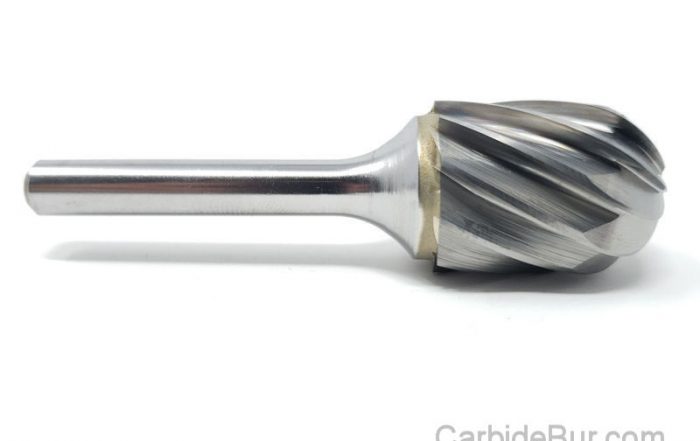
Best Carbide Burr for Concave Surfaces
Best Carbide Burr for Concave Surfaces Concave surfaces can turn a straightforward project into a frustrating challenge if you don’t have the right tool. Carbide burrs designed for these tricky curves make all the difference [...]
How to Grind a Slot in Metal With a Carbide Burr
How to Grind a Slot in Metal With a Carbide Burr Grinding a precise slot in metal can feel like a tricky task, especially if you’re unsure which tools to trust. Carbide burr grinding offers [...]

Best Carbide Burr for Inside Corners
Best Carbide Burr for Inside Corners Working in tight inside corners can turn even simple projects into frustrating tasks. Many carbide burrs just don’t fit or cut cleanly where you need them most. The best [...]
