
Performance Upgrades: Boost Your Engine with Optimal Carbide Bur Techniques
Most people think intake manifold porting is just about grinding down metal. The truth is, the right polishing techniques and carbide bur use make all the difference in airflow and fuel mix. This guide breaks down each step so you can upgrade your engine’s performance without risking damage or wasted effort. For more insights, check out this link.
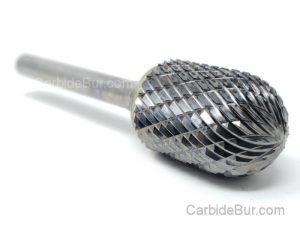
Have you tried our Carbide Burs for your job?
Understanding Intake Manifold Porting
Unlocking the full potential of your engine begins with understanding intake manifold porting. This isn’t just about grinding metal; it’s about precision and technique.
Basics of Porting
Porting involves reshaping the intake manifold to improve airflow into the engine. This process can significantly boost power. Most stock manifolds aren’t optimized, so enhancing their design can lead to better performance. The key is to open up pathways without compromising the manifold’s structure. Precision is essential to avoid mistakes that could hinder airflow rather than help it.
Importance of Manifold Enhancements
By refining the manifold, you reduce air resistance and increase the engine’s breathing capacity. This improvement results in more efficient combustion, leading to increased horsepower. Proper manifold enhancements can also lead to smoother engine operation. It’s a cost-effective way to get more out of your existing engine setup. If you’re curious how professionals achieve this, learn from experts.
Essential Carbide Bur Techniques
Once you’ve grasped the basics of porting, the next step is mastering carbide bur techniques. These tools are crucial for effective material removal and finishing.
Selecting the Right Carbide Bur
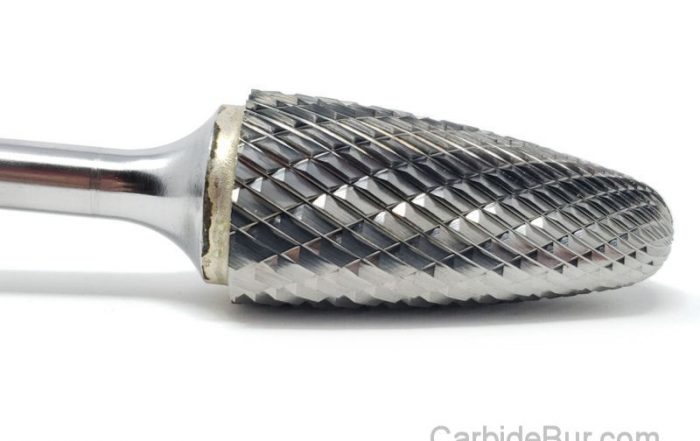
Choosing the correct carbide bur is crucial. Different shapes and sizes suit various tasks. For instance, a flame-shaped bur is perfect for smoothing transitions, while a cylindrical bur works well for enlarging ports. It’s important to have a selection of burs to handle different sections of the manifold. Each type offers unique benefits, so invest in a quality set to achieve the best results. For more tips, join discussions with other enthusiasts here.
Material Removal Methods
Effective material removal requires a steady hand and patience. Start by marking areas to be removed; this ensures you don’t overdo it. Use light pressure to gradually remove material, checking progress frequently. Remember, it’s easier to take off too little and go back than to over-remove and regret it. Consistent techniques prevent uneven surfaces, which could disrupt airflow.
Polishing Techniques for Optimal Finish
After porting, polishing is essential to maximize manifold performance. A smooth finish enhances air and fuel mixture efficiency.
Achieving a Smooth Surface
Polishing removes any rough surfaces left by porting. Use a finer grit tool, like a polishing pad, to achieve a mirror-like surface. Focus on areas where air will flow most, ensuring there are no ridges or imperfections. Dedicate time to this step, as a smooth surface significantly impacts performance. For a visual guide, check out this tutorial.
Maintaining Structural Integrity
While polishing, it’s vital to preserve the manifold’s strength. Over-polishing can thin the walls, making them susceptible to damage. Keep the pressure light and move the tool evenly across surfaces. This ensures you maintain the manifold’s durability while achieving a polished finish. Balance is key: you want a smooth finish without compromising strength.
Airflow Dynamics in Engine Performance
Understanding airflow dynamics is critical to optimizing your engine’s performance. Good airflow leads to better combustion and power output.

Enhancing Airflow and Fuel Mixture
A well-ported and polished manifold improves the mixture of air and fuel, leading to more efficient combustion. This results in a more powerful engine. The smoother the airflow, the less work your engine has to do, which can also improve fuel efficiency. It’s a win-win for performance enthusiasts looking to get the most from their engines.
Impact on Engine Responsiveness
Improved airflow leads to a more responsive engine. You’ll notice quicker acceleration and a smoother ride. This responsiveness is especially beneficial in performance vehicles, where every millisecond counts. Once you’ve experienced the difference, you’ll understand why so many enthusiasts are passionate about manifold porting.
DIY Approach to Performance Upgrades
Ready to take on the challenge yourself? With the right tools and guidance, you can achieve professional results.
Tools and Equipment You Need
To start, you’ll need a few key tools: a set of carbide burs, a rotary tool, and polishing pads. Safety gear is also essential—goggles, gloves, and a mask will protect you during the process. Ensure your workspace is well-lit and organized, as this will make the task easier and more enjoyable.
Step-by-Step Manifold Porting Guide
-
Preparation: Clean the manifold thoroughly to remove any debris.
-
Marking: Identify areas for material removal and mark them.
-
Porting: Use the appropriate carbide bur to reshape the manifold.
-
Polishing: Smooth the surface with polishing pads for the best finish.
-
Final Check: Inspect your work for consistency and structural integrity.
By following these steps, you can enhance your engine’s performance without professional help. The longer you wait, the more you miss out on the benefits of a powerfully tuned engine. Don’t delay—start your DIY project today!
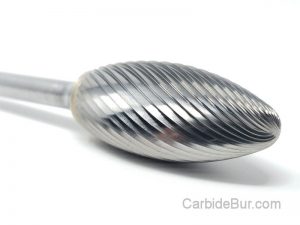
Looking for Carbide Bur Tools?
Check out our entire selection of USA made carbide bur die grinder tool bits
Follow us on Twitter

Return to CarbideBur.com
Carbide Burs – 1/4″ on 1/8″ Shanks – Accessories – Aluminum Cut – Bur Sets – End Mills – Long Shank – Solid Burs
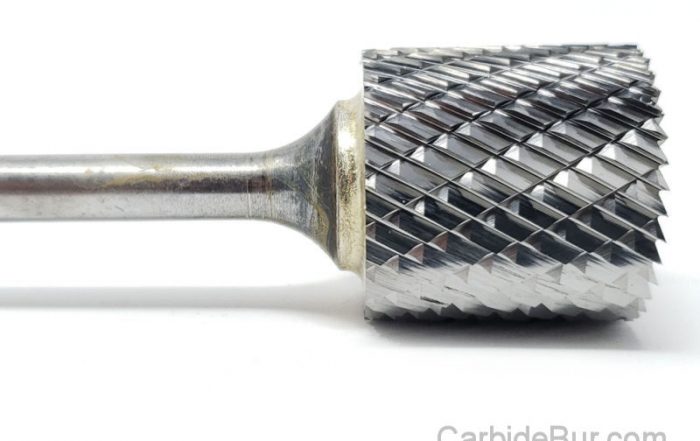
Can Carbide Burrs Cut Through Welds?
Can Carbide Burrs Cut Through Welds? Cutting through welds can feel like a battle, especially when you need clean results without harming the base metal. Carbide burrs offer a sharp edge in this fight, but [...]
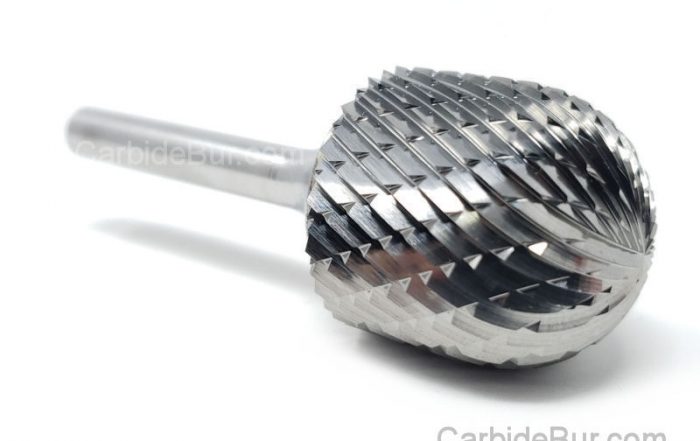
How to Use a Carbide Burr With a Die Grinder
How to Use a Carbide Burr With a Die Grinder Most people treat a carbide burr like just another tool, but using it with a die grinder takes skill. If you’ve struggled with burr installation [...]
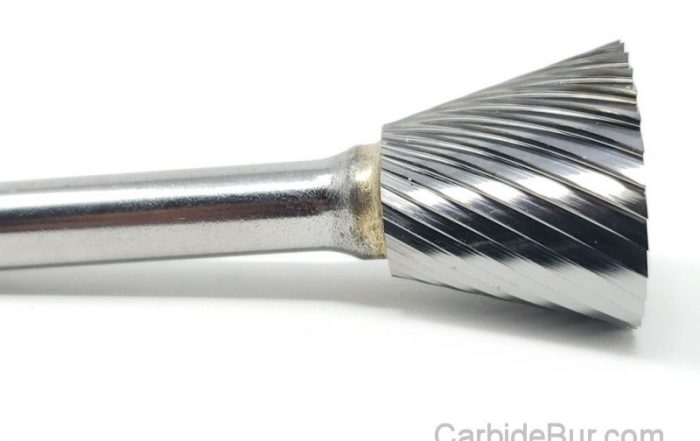
1/8 vs 1/4 Inch Carbide Burrs: What’s the Difference?
1/8 vs 1/4 Inch Carbide Burrs: What's the Difference? Choosing between a 1/8 inch carbide burr and a 1/4 inch carbide burr can change how your project turns out. Many machinists and hobbyists overlook how [...]
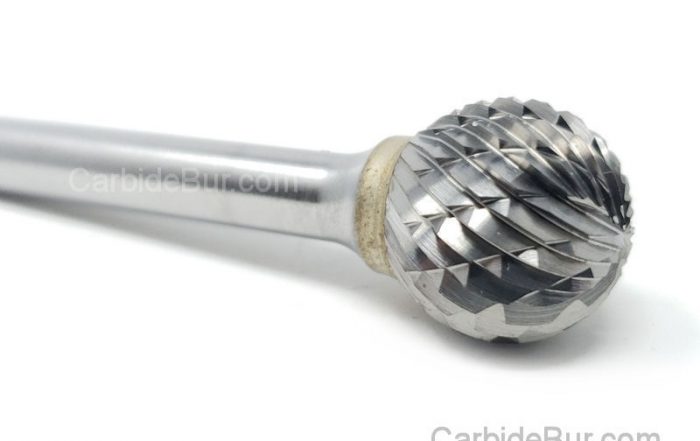
Best Carbide Burr for Removing Flash From Castings
Best Carbide Burr for Removing Flash From Castings Removing flash from castings is a task that can slow down your entire metalworking process if you don’t have the right tools. Picking the best carbide burr [...]
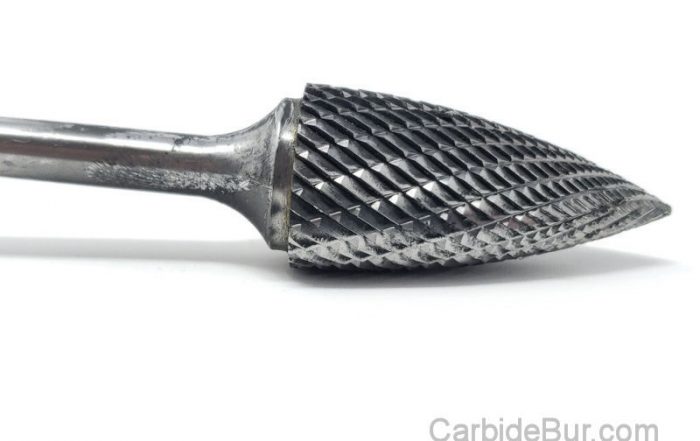
What RPM Should You Use for a 1/4 Inch Carbide Burr?
What RPM Should You Use for a 1/4 Inch Carbide Burr? Most machinists guess the right speed for a 1/4 inch carbide burr and hope for the best. Using the wrong carbide burr RPM can [...]
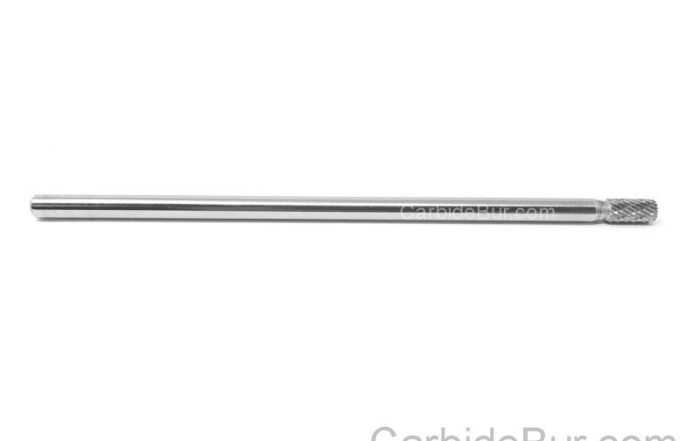
Long Shank Carbide Burrs: When Do You Need One?
Long Shank Carbide Burrs: When Do You Need One? Most machinists overlook the power of long shank carbide burrs until a project demands precision in tight spaces. When your usual tools can’t reach intricate contours, [...]
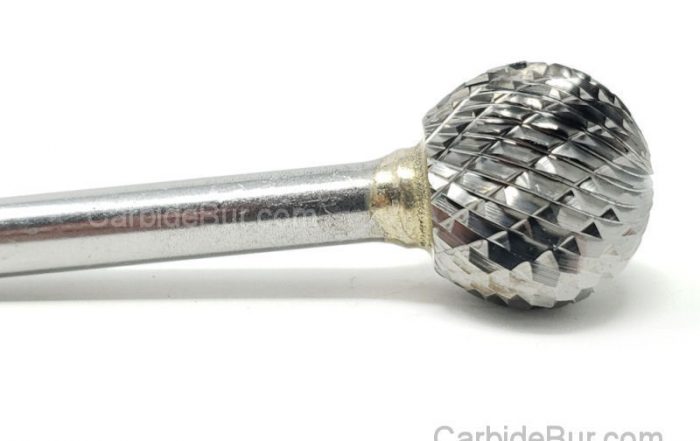
How Deep Can a Carbide Burr Cut Metal?
How Deep Can a Carbide Burr Cut Metal? Carbide burrs often get praised for their precision, but many users hit a wall wondering how deep they can actually cut metal. The truth is, cutting depth [...]
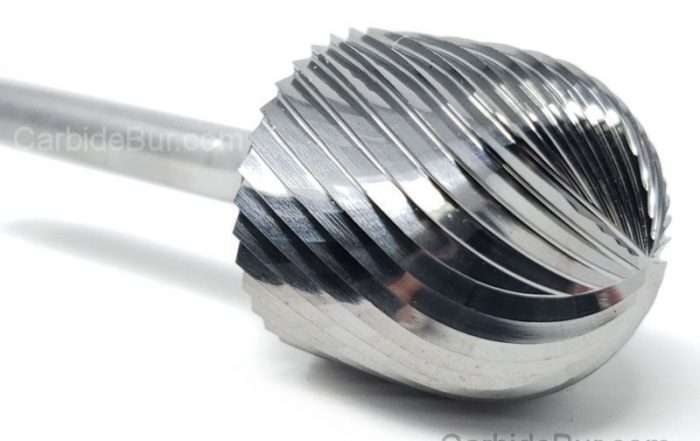
How to Use Carbide Burrs for Port Matching
How to Use Carbide Burrs for Port Matching Most engine builds hit a wall when airflow doesn’t flow smoothly between the ports and manifolds. If your engine isn’t breathing right, your performance stalls. Using the [...]
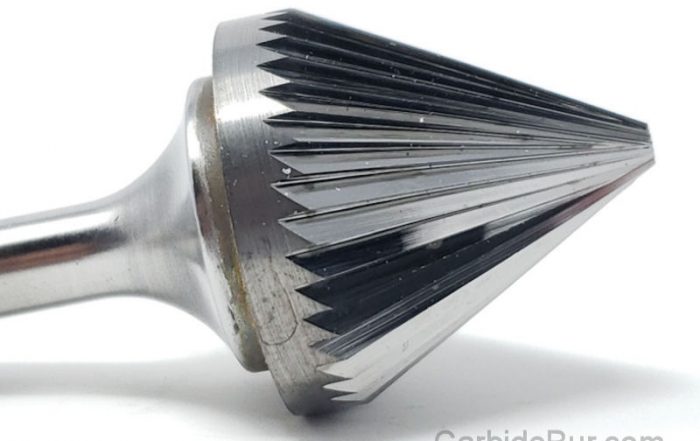
Best Carbide Burr for Porting Intake Manifolds
Best Carbide Burr for Porting Intake Manifolds Porting intake manifolds can make or break your engine’s airflow, yet many struggle with the right tools for the job. Choosing the best carbide burrs is key to [...]
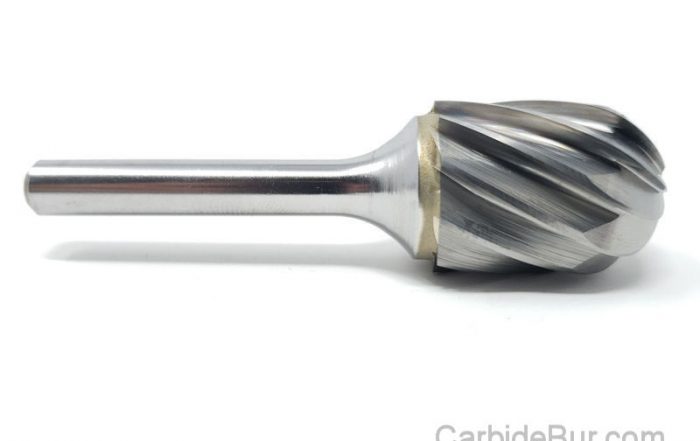
Best Carbide Burr for Concave Surfaces
Best Carbide Burr for Concave Surfaces Concave surfaces can turn a straightforward project into a frustrating challenge if you don’t have the right tool. Carbide burrs designed for these tricky curves make all the difference [...]
How to Grind a Slot in Metal With a Carbide Burr
How to Grind a Slot in Metal With a Carbide Burr Grinding a precise slot in metal can feel like a tricky task, especially if you’re unsure which tools to trust. Carbide burr grinding offers [...]

Best Carbide Burr for Inside Corners
Best Carbide Burr for Inside Corners Working in tight inside corners can turn even simple projects into frustrating tasks. Many carbide burrs just don’t fit or cut cleanly where you need them most. The best [...]
