
Mastering Metalwork: Selecting the Best Burrs for Copper and Brass
Most metalworkers underestimate how tricky copper and brass can be to machine cleanly. Using the wrong burr often leads to rough finishes and wasted effort because these metals tend to gall and harden under pressure. Choosing the right burrs for copper and brass, like high-speed steel or carbide options, can make all the difference. This post breaks down which metalworking burrs suit your tasks best and shares practical machining tips for copper and brass to help you get precise, smooth results every time. For more on selecting the best burrs, you can check this guide.
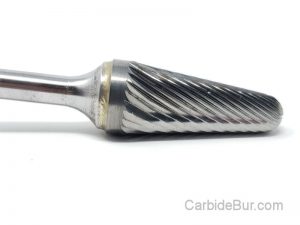
Have you tried using carbide burr tools for your job?
Introduction to Metalworking Burrs
Understanding metalworking burrs is crucial for achieving smooth finishes on copper and brass. These metals offer great conductivity but can be tricky when machined improperly. Let’s explore how to handle them effectively.
Understanding Burrs for Copper
Copper is known for its softness, making it prone to deformation. Using the right burrs for copper is essential to prevent this. High-speed steel burrs work well due to their durability. They cut smoothly without causing galls. It’s vital to select burrs that maintain sharpness over time, ensuring clean cuts and reducing waste.
Copper’s conductivity also means heat can build up quickly. This leads to hardened surfaces if not managed properly. Make sure to use burrs that disperse heat efficiently. This approach not only preserves the material’s integrity but also extends the tool’s lifespan. Learn more about copper’s unique properties and how to choose the right tools here.
Exploring Burrs for Brass
Brass offers machinability but can be deceptive. While it cuts easily, it also work-hardens rapidly. Choosing the correct burrs for brass ensures you maintain control. Carbide burrs are a great choice, providing a balance of sharpness and heat resistance. They cut through brass like butter, leaving a smooth finish.
Brass can also be prone to chatter if the wrong burr is used. Ensuring a snug fit and steady pressure helps manage this. It’s about finding the right balance between speed and precision. This ensures your projects not only look great but also function well.
Types of Burrs
Choosing the right type of burr can make or break your metalworking project. Let’s dive into the different types to help you make the best choice for your needs.
High-Speed Steel Burrs Explained
High-speed steel burrs are a staple in metalworking. They offer a cost-effective option for those working with softer metals. These burrs are known for their strength and resilience, making them ideal for copper and brass. They hold their edge well, which means you get more use out of each burr.
These burrs are versatile too. Whether you’re removing excess material or smoothing out edges, they provide the precision you need. With a variety of shapes available, you can tackle any task with confidence. Discover more about selecting the right burrs here.
Benefits of Carbide Burrs
Carbide burrs are renowned for their cutting efficiency. They last longer and stay sharp even with heavy use. This makes them a favorite for those dealing with harder or more abrasive materials. Their ability to withstand high temperatures without losing effectiveness is a major plus.
Carbide burrs ensure smooth finishes on both copper and brass. They cut through the material without causing distortion or damage. If you’re looking for precision and durability, these burrs are a solid investment. More on carbide burrs and their applications can be found here.

Selecting the Right Burr
Choosing the right burr is not just about the type. Shape and size play a key role in achieving the perfect finish. Let’s unpack this further.
Choosing Shape and Size
Shape and size matter when selecting burrs. For detailed work, smaller burrs with pointed shapes allow for precision. For larger surfaces, bigger burrs provide efficiency. Knowing your project’s needs helps you pick the right tool.
Consider the task at hand: are you carving intricate designs or smoothing broad surfaces? Adjust your burr choice accordingly. This tailored approach ensures each piece you work on meets your high standards.
Specific Burrs for Copper and Brass
Copper and brass have unique properties that require specific tools. For copper, burrs that dissipate heat efficiently are key. They prevent the metal from hardening unexpectedly. For brass, selecting burrs that minimize chatter and work hardening is crucial.
High-speed steel and carbide burrs both offer solutions, but the choice between them depends on your project’s demands. Knowing when to use each type makes all the difference in your results.
Practical Machining Tips
Armed with the right burrs, you’re ready to get to work. Here are some practical tips to ensure your projects shine.
Tips for Machining Copper
Working with copper requires a gentle touch. Start with slower speeds to avoid heat buildup. This prevents hardening and ensures a smooth finish. Use consistent pressure for even cuts.
Copper can be tricky, but it rewards patience. With the right speed and pressure, you’ll achieve results that stand out. For more tips, check out this machinists’ forum.
Tips for Machining Brass
Brass is more forgiving but still requires care. Avoid applying too much force, as this can lead to work hardening. Instead, use steady, even pressure. This ensures a clean cut without unnecessary wear on your burrs.
Brass offers a beautiful finish when machined correctly. Following these tips will help you make the most of this versatile material.
Enhancing Metalworking Precision
Precision is the hallmark of quality metalwork. Here are ways to ensure every piece you create meets your high standards.
Avoiding Common Mistakes
Mistakes can set back your project. Common errors include using the wrong burr type or applying too much pressure. Always match your burr to your material. Double-check your setup before starting to avoid costly errors.
Taking the time to prepare pays off. You’ll save time and materials by doing it right the first time.
Achieving a Clean Finish
A clean finish is the goal of any machining project. The right burr, coupled with the right technique, helps you achieve this. Keep your tools sharp and well-maintained for the best results.
The longer you wait to address these details, the more likely problems will arise. Stay proactive to ensure your metalwork always looks its best.
In conclusion, mastering the art of selecting and using the right burrs for copper and brass can significantly elevate your metalworking projects. By understanding the nuances of each material, choosing the appropriate tools, and applying practical machining tips, you ensure precision and quality in every project.
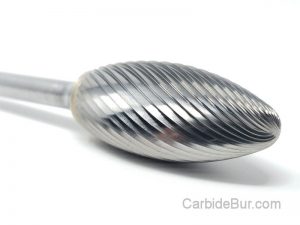
Looking for Carbide Bur Tools?
Check out our entire selection of USA made carbide bur die grinder tool bits
Follow us on Twitter

Return to CarbideBur.com
Carbide Burs – 1/4″ on 1/8″ Shanks – Accessories – Aluminum Cut – Bur Sets – End Mills – Long Shank – Solid Burs
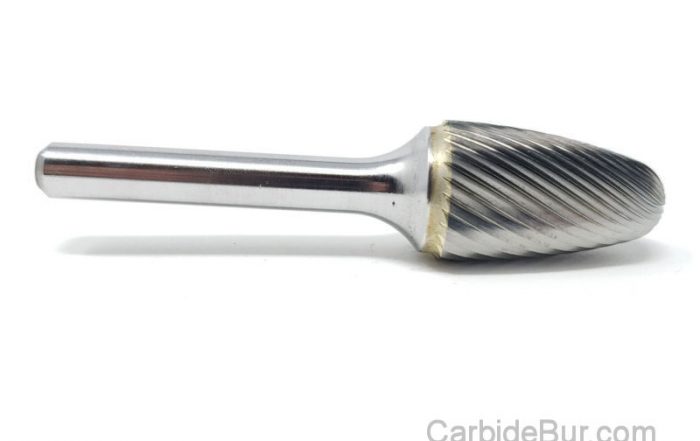
How to Grind a Groove in Metal With a Carbide Burr
How to Grind a Groove in Metal With a Carbide Burr Most metalworkers struggle to cut clean grooves without wasting time or ruining their workpiece. Many try different metalworking tools but end up with uneven [...]
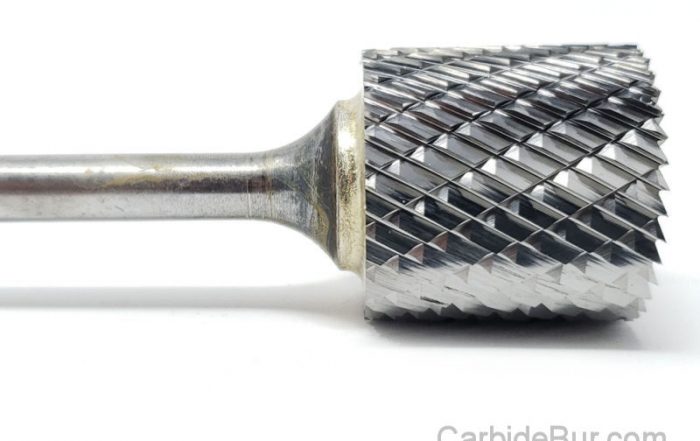
Can Carbide Burrs Cut Through Welds?
Can Carbide Burrs Cut Through Welds? Cutting through welds can feel like a battle, especially when you need clean results without harming the base metal. Carbide burrs offer a sharp edge in this fight, but [...]
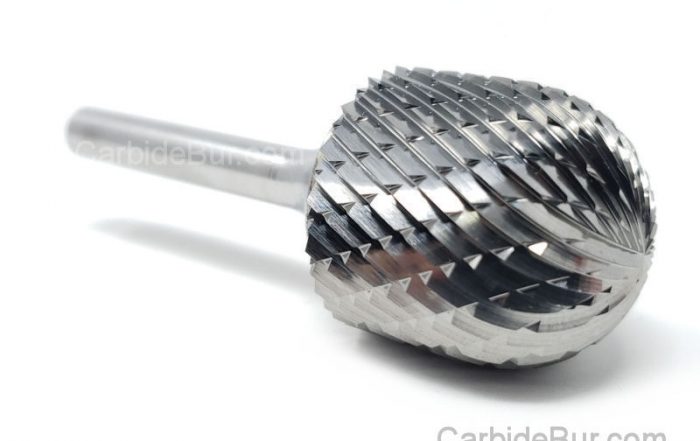
How to Use a Carbide Burr With a Die Grinder
How to Use a Carbide Burr With a Die Grinder Most people treat a carbide burr like just another tool, but using it with a die grinder takes skill. If you’ve struggled with burr installation [...]
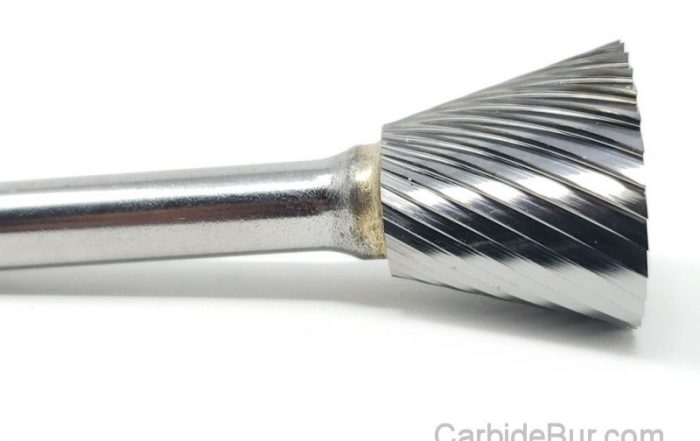
1/8 vs 1/4 Inch Carbide Burrs: What’s the Difference?
1/8 vs 1/4 Inch Carbide Burrs: What's the Difference? Choosing between a 1/8 inch carbide burr and a 1/4 inch carbide burr can change how your project turns out. Many machinists and hobbyists overlook how [...]
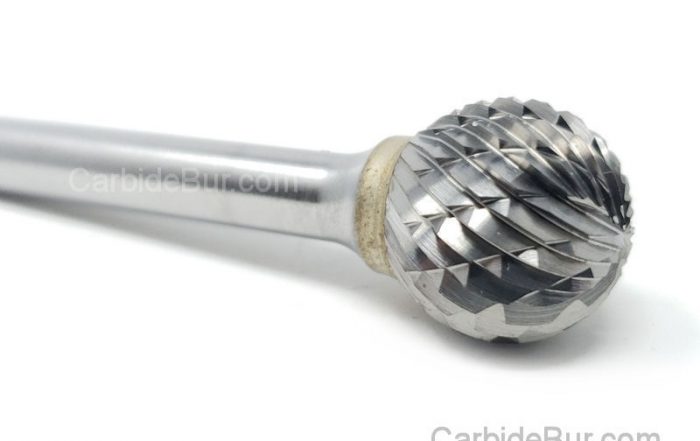
Best Carbide Burr for Removing Flash From Castings
Best Carbide Burr for Removing Flash From Castings Removing flash from castings is a task that can slow down your entire metalworking process if you don’t have the right tools. Picking the best carbide burr [...]
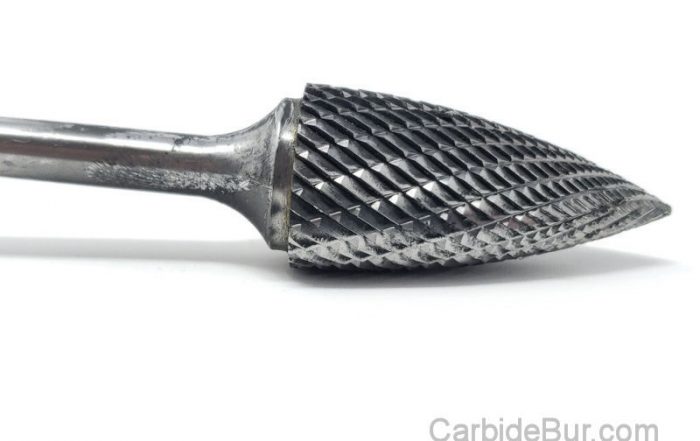
What RPM Should You Use for a 1/4 Inch Carbide Burr?
What RPM Should You Use for a 1/4 Inch Carbide Burr? Most machinists guess the right speed for a 1/4 inch carbide burr and hope for the best. Using the wrong carbide burr RPM can [...]
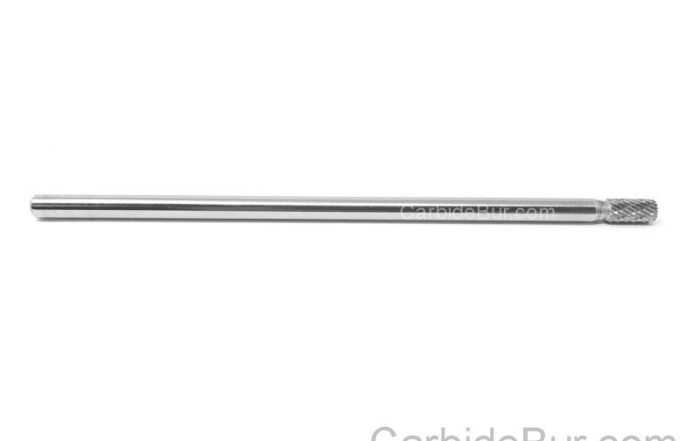
Long Shank Carbide Burrs: When Do You Need One?
Long Shank Carbide Burrs: When Do You Need One? Most machinists overlook the power of long shank carbide burrs until a project demands precision in tight spaces. When your usual tools can’t reach intricate contours, [...]
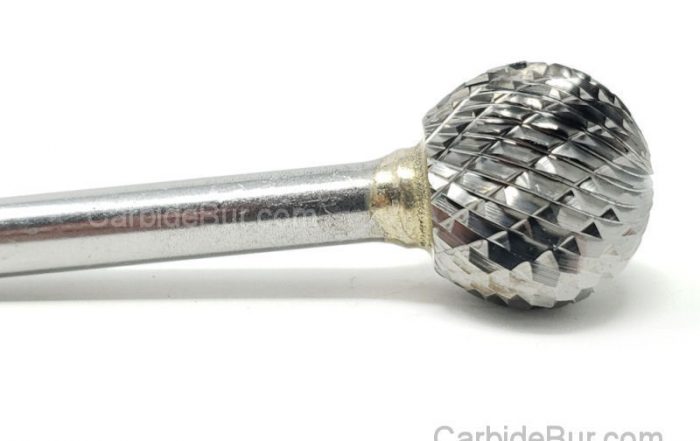
How Deep Can a Carbide Burr Cut Metal?
How Deep Can a Carbide Burr Cut Metal? Carbide burrs often get praised for their precision, but many users hit a wall wondering how deep they can actually cut metal. The truth is, cutting depth [...]
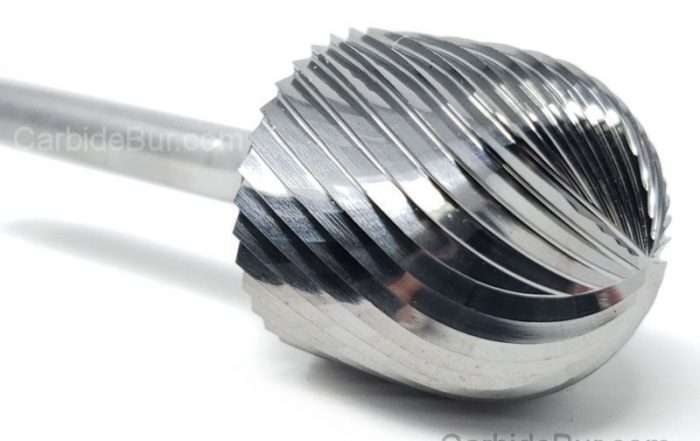
How to Use Carbide Burrs for Port Matching
How to Use Carbide Burrs for Port Matching Most engine builds hit a wall when airflow doesn’t flow smoothly between the ports and manifolds. If your engine isn’t breathing right, your performance stalls. Using the [...]
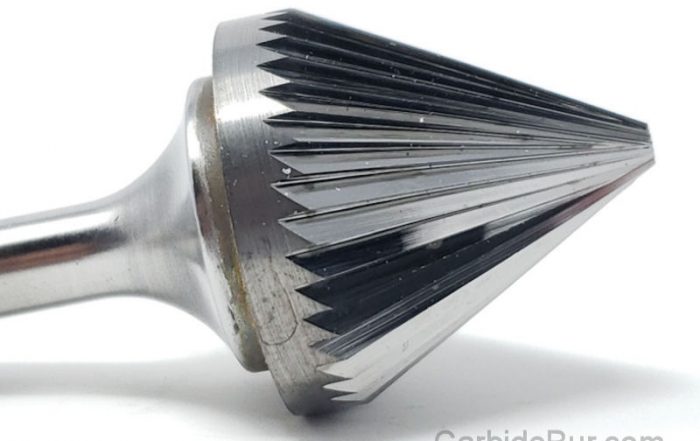
Best Carbide Burr for Porting Intake Manifolds
Best Carbide Burr for Porting Intake Manifolds Porting intake manifolds can make or break your engine’s airflow, yet many struggle with the right tools for the job. Choosing the best carbide burrs is key to [...]
Best Carbide Burr for Concave Surfaces
Best Carbide Burr for Concave Surfaces Concave surfaces can turn a straightforward project into a frustrating challenge if you don’t have the right tool. Carbide burrs designed for these tricky curves make all the difference [...]
How to Grind a Slot in Metal With a Carbide Burr
How to Grind a Slot in Metal With a Carbide Burr Grinding a precise slot in metal can feel like a tricky task, especially if you’re unsure which tools to trust. Carbide burr grinding offers [...]
