
Mastering the Craft: Techniques and Tools for Superior Welding
Most welders struggle with inconsistent results, and the culprit is often overlooked: the wrong welding tools. Without the right welding equipment, even skilled hands can’t deliver clean, strong welds. This post will guide you through must-have gear—from welding machines to protective gear—and share tips to pick and care for each tool. Ready to build a toolkit that sets you up for success every time? Check out this link for more details: https://www.lincolntech.edu/news/skilled-trades/welding-technology/essential-welding-accessories-must-haves-every-welder.
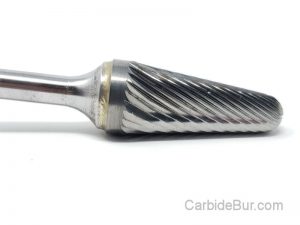
Have you tried using carbide burr tools for your job?
Essential Welding Tools
To create top-notch welds, having the right tools can make all the difference. Let’s explore the essential equipment every welder needs to get the job done right.
Choosing the Right Welding Machine
The heart of any welding setup is the machine itself. Selecting the right one depends on your specific needs and the materials you work with.
-
Power Source: Machines run on either AC or DC. AC is good for heavy-duty tasks, while DC is more versatile.
-
Output Range: Look for a machine that offers a variable output range to handle different thicknesses.
-
Portability: Consider if you need a portable option for moving around job sites easily.
For more detailed insights, check out 10 Welding Tools Every Welder Needs.
Protective Gear for Safety
Safety should always come first. Investing in high-quality protective gear will keep you safe and focused on the task.
-
Helmet: Choose one with auto-darkening features to protect your eyes.
-
Gloves: Look for durable, heat-resistant materials like leather.
-
Clothing: Wear flame-resistant jackets and pants to prevent burns.
Ensure your gear meets industry standards for maximum protection. Visit Sunbelt Rentals for more on safety gear.
Clamps and Grinders Explained
Clamps and grinders are crucial for precise welds and smooth finishes. Here’s why they’re essential:
-
Clamps: They hold your materials steady, ensuring clean, accurate welds.
-
Grinders: Use them for smoothing out welds and cutting through metal when necessary.
Quality clamps and grinders enhance your work’s precision. For more on essential welding tools, visit CanDo Distributors.
Advanced Welding Techniques
With the right tools at your disposal, it’s time to hone your skills. Advanced techniques can elevate your welding to the next level.
MIG, TIG, and Stick Welding
Each welding type has its unique advantages. Understanding which to use can improve your results:
-
MIG Welding: Great for beginners, offering clean welds on thin materials.
-
TIG Welding: Offers precision for intricate work, perfect for aluminum and stainless steel.
-
Stick Welding: Ideal for outdoor jobs and thick materials.
Mastering each method will broaden your capabilities as a welder.
Perfecting Your Weld Bead
A flawless weld bead is the mark of a skilled welder. Here’s how to achieve it:
-
Consistent Speed: Move steadily to ensure uniform bead width.
-
Correct Angle: Hold the torch at a 15-degree angle for best results.
-
Proper Heat: Use just enough heat to penetrate the material without burning through.
Practice these tips to perfect your bead work.
Techniques for Difficult Materials
Some materials, like aluminum and stainless steel, require special care. Here’s how to tackle them:
-
Aluminum: Use a TIG welder for better control and less contamination.
-
Stainless Steel: Maintain a clean work area to prevent rust and corrosion.
These techniques will help you handle challenging materials with confidence.

Maintaining Your Equipment
Keeping your tools in top shape is crucial for consistent performance. Let’s dive into maintenance practices that ensure longevity.
Regular Maintenance Practices
Routine checks can prevent costly repairs:
-
Cleanliness: Wipe down machines after each use to prevent dust buildup.
-
Inspection: Regularly check cables and connections for wear and tear.
-
Lubrication: Keep moving parts well-lubricated to avoid friction.
Staying on top of maintenance keeps your equipment running smoothly.
Troubleshooting Common Issues
When issues arise, knowing how to troubleshoot saves time:
-
Power Problems: Check the power source and connections.
-
Inconsistent Welds: Adjust settings or clean the nozzles.
-
Overheating: Allow the machine to cool between jobs.
Quick fixes like these keep your workflow uninterrupted.
Extending Tool Lifespan
To maximize your investment, prolong your tools’ lifespan with these tips:
-
Storage: Use a dry, safe place to prevent rust.
-
Regular Upgrades: Update worn parts and accessories as needed.
-
Proper Use: Follow manufacturer guidelines to avoid misuse.
Taking these steps will ensure your tools serve you well for years.
Building an Efficient Toolkit
An organized, efficient toolkit boosts productivity and work quality. Here are some essentials to include.
Must-Have Measurement Devices
Accurate measurements are critical in welding. Essential tools include:
-
Tape Measure: For quick, on-site measurements.
-
Calipers: For precise measurements of thickness and diameter.
-
Protractors: To ensure exact angles in your work.
Having these tools at the ready enhances your precision and efficiency.
Organizing Your Welding Space
A tidy workspace minimizes errors and increases safety:
-
Tool Storage: Use pegboards or toolboxes for easy access.
-
Labeling: Clearly label drawers and containers for quick identification.
-
Cleanliness: Regularly clean to avoid clutter and accidents.
A well-organized space keeps your projects on track.
Investing in Quality Tools
Quality tools may cost more upfront but save money and hassle:
-
Durability: Invest in brands known for long-lasting products.
-
Warranty: Look for tools with solid warranties as a guarantee of quality.
-
Performance: Choose tools that deliver consistent, reliable results.
Spending wisely on tools pays off in performance and longevity.
Safety and Best Practices
Your safety is paramount. Adhering to best practices keeps you and your workspace secure.
Importance of Welding Safety
Staying safe is as important as the work itself:
-
Risk Awareness: Understand potential hazards like burns and fumes.
-
Equipment Checks: Regularly inspect safety gear for any damage.
-
Training: Keep updated with the latest safety protocols.
Prioritizing safety ensures a long, injury-free career.
Common Safety Mistakes to Avoid
Avoid these pitfalls to maintain a safe environment:
-
Improper Gear: Never skip wearing safety equipment.
-
Lack of Ventilation: Always work in a well-ventilated area.
-
Rushed Work: Take your time to prevent mistakes and accidents.
Recognizing these mistakes helps keep you safe on the job.
Creating a Safe Work Environment
A secure workspace is the foundation of safe welding:
-
Clear Exits: Ensure pathways are unobstructed.
-
Fire Safety: Keep extinguishers nearby and know how to use them.
-
Lighting: Adequate lighting reduces errors and accidents.
Creating this environment protects you and those around you.
In summation, equipping yourself with the right tools and knowledge is crucial. Safety is paramount, as is maintaining and organizing your equipment. With these tips, you’re well on your way to mastering the art of welding. For further reading, visit The Essential Welding Tools Every Beginner Needs.
