
Compact Saws & Specialized Blades: Your Guide to Cutting in Tight Spots
Cutting in tight spaces often feels like wrestling with your tools instead of working with them. When your project demands precision in cramped spots, using the right compact saws and specialized blades can make all the difference. In this guide, you’ll find practical tips and safety reminders that help you nail every cut, no matter how tricky the angle. Get ready to sharpen your skills and finish projects with clean, professional results. Check out these safety tips for cutting.
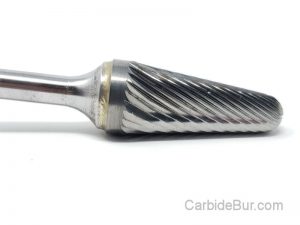
Have you tried using carbide burr tools for your job?
Understanding Compact Saws
Compact saws are perfect when you’re working in tight spots. These versatile tools can help you make precise cuts where larger tools can’t reach. Let’s explore the different types and how they benefit your projects.
Types of Compact Saws
There are several compact saws designed for different tasks. Mini circular saws are great for straight cuts in wood or metal. A jigsaw, on the other hand, can handle curves or intricate designs. Finally, a reciprocating saw works well for demolition or rough cuts. Each type is tailored to specific tasks, so understanding their functions is key. Check out the practical limitations of a compact saw for more insights.
Benefits of Using Compact Saws
Using compact saws offers several advantages. They’re lightweight, making them easy to handle and maneuver. This is especially helpful in cramped areas. They also provide precision, allowing you to make clean and accurate cuts. Because of their size, they are perfect for small projects or touch-ups. These benefits make them an essential tool in any toolkit.
Selecting the Right Saw
Choosing the right saw depends on your project’s needs. Consider the material you’ll cut and the type of cut required. If you need straight cuts in wood, a mini circular saw is your best bet. For curves or fine details, a jigsaw will serve you well. For more heavy-duty tasks, opt for a reciprocating saw. Always match the saw to the task for the best results.
Specialized Blades for Precision
Blades are just as important as the saw itself. The right blade can make a significant difference in the quality of your cuts.
Blade Types for Tight Spaces
When working in tight spaces, you’ll need specialized blades. Thin-kerf blades are ideal for precise, narrow cuts. They’re designed to remove less material, reducing waste and making smoother cuts. There are also narrow blades that fit into confined spaces, perfect for detailed work. These specialized blades give you the advantage when precision is crucial.
Choosing the Right Blade for the Job
Selecting the right blade involves understanding the material and type of cut. For wood, a fine-tooth blade will provide smooth results. Metal requires a blade with more teeth per inch. When working with plastic, a specialized plastic-cutting blade is recommended. Matching the blade to the material ensures clean and efficient cuts every time. Learn more about precision cutting techniques.
Maintenance and Care of Blades
Proper maintenance extends the life of your blades. Regularly check for dullness and clean off any debris. Store them properly to avoid damage. Sharpening blades as needed will ensure they perform at their best. Taking care of your blades not only improves performance but also saves money in the long run.

Precision Cutting Techniques
Precision is key when working in confined spaces. With the right techniques, you can achieve professional results.
Planning Your Cuts
Before making any cuts, plan your approach. Measure twice to ensure accuracy. Mark your cutting lines clearly. Visualize the process to avoid mistakes. Planning helps you anticipate challenges and adjust your strategy as needed.
Techniques for Accurate Cuts
Accuracy comes from steady hands and a clear approach. Use clamps to secure your material. This prevents movement and leads to cleaner cuts. Go slow and steady, letting the saw do the work. Use guides or fences for straight cuts. These techniques help you achieve the precision you need.
Tools for Precision
Besides the saw and blades, other tools aid precision. A measuring tape ensures accuracy in dimensions. A square helps keep angles true. Use a cutting guide for straight lines. These tools, combined with the right techniques, make precision cutting easier. For tips on using these tools effectively, check out how to use a circular saw.
Safety Tips for Cutting
Safety is paramount when working with saws. Proper precautions protect you and ensure a successful project.
Essential Safety Gear
Always wear safety gear while cutting. Eye protection prevents debris from causing injury. Gloves offer protection from sharp edges. A dust mask shields your lungs from particles. These essentials keep you safe during your work.
Best Practices for Safe Cutting
Follow best practices to cut safely. Always check your equipment before use. Ensure your work area is clean and free of hazards. Keep a firm grip on your tools and maintain focus. Don’t rush; take the time needed for each cut. These habits minimize risks and enhance safety.
Avoiding Common Mistakes
Avoiding mistakes involves awareness and preparation. Don’t use dull blades, as they can lead to accidents. Keep hands clear of the cutting area. Ensure your material is properly supported. Learning from others’ experiences helps you avoid these pitfalls.
Enhancing Your Craftsmanship
Improving your skills leads to better craftsmanship. With practice, you can achieve professional-level results.
Improving Your Cutting Skills
Practice is key to improving your skills. Start with simple cuts and progress to more complex ones. Learn from each project and apply those lessons moving forward. As you improve, you’ll gain confidence in your abilities.
Achieving Professional Results
Professional results come from attention to detail and precision. Focus on quality over speed. Take pride in your work and strive for excellence. With each project, aim to improve your technique and outcomes.
Tips for Efficient Workmanship
Efficiency comes from organization and preparation. Keep your workspace tidy and tools within reach. Plan each step before beginning. Work systematically, completing one task before moving to the next. These habits help you work smarter, not harder.
By understanding the tools and techniques for cutting in tight spaces, you can tackle any project with confidence. Embrace these strategies to refine your skills and enhance your craftsmanship.
