
Mastering Metalwork: The Carbide Burr Speed Chart You Need Now
Most metalworkers guess the right speed for carbide burrs, then learn the hard way when tools wear out too fast. Using the wrong RPM not only wastes time but risks damaging the metal or the burr itself. This carbide burr speed chart breaks down the exact cutting speed for carbide burrs on aluminum, stainless steel, titanium, and more, so you can stop guessing and start cutting smarter. Understanding these burr speed recommendations will sharpen your metalworking techniques and save your tools from early burnout. For more information, check this link.
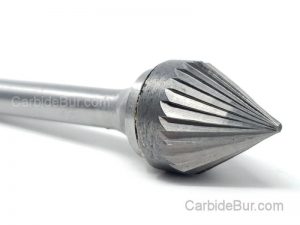
Which carbide bur tool shape do you use most?
Understanding Carbide Burrs
Carbide burrs are essential for any metalworking toolkit, providing precision and speed. Let’s explore what makes these tools so effective.
Types of Carbide Burrs
Carbide burrs come in various shapes and sizes, each designed for specific tasks. You might use cylindrical burrs for flat surfaces or ball-shaped burrs for rounded cuts. Each type offers unique advantages, allowing you to choose the right tool for each job. When you select the correct burr, you can achieve smoother cuts and more reliable results.
How Carbide Burrs Work
These tools work by rapidly rotating against the metal surface. As they spin, they efficiently remove material, carving out precise shapes and textures. The key is to maintain control over speed and pressure. With the right approach, you can avoid overheating and tool wear, ensuring longer-lasting performance.
Benefits of Using Carbide Burrs
Using carbide burrs can enhance your metalworking projects in several ways. They provide precise cuts that minimize waste and increase productivity. Additionally, these tools are durable, often outlasting other options. By investing in quality burrs, you’re saving time and reducing costs while achieving professional results.
The Carbide Burr Speed Chart
Understanding the correct speed for each metal type can transform your results. Let’s delve into the specifics.
Optimal RPM for Metals
The carbide burr speed chart is your guide to achieving the best performance. For instance, aluminum requires a different RPM than stainless steel. By adhering to recommended speeds, you increase efficiency and reduce the risk of damage. Check out this ultimate RPM guide for more insights.
Carbide Burrs for Aluminum
When working with aluminum, it’s crucial to adjust your RPM. Aluminum is softer, so running your burr too fast can lead to clogging. Keeping a moderate speed ensures smoother cuts and prolongs tool life. Always remember: slower speeds can often mean more control and precision.
Carbide Burrs for Stainless Steel
Stainless steel is tougher, requiring higher RPMs to cut effectively. With the right speed, you can achieve a clean finish without overheating the tool. Precision and patience are key here. By maintaining focus and using the right speed, you protect your burrs and enhance your work quality.
Metalworking Techniques
Once you master burr speeds, it’s time to refine your techniques. Here’s how to get started.

Cutting Speed for Carbide Burrs
The cutting speed for carbide burrs directly impacts your results. Faster speeds can often mean quicker jobs, but they may also lead to increased wear. Striking a balance between speed and control is essential. By adjusting your approach, you ensure quality without sacrificing efficiency.
Feed Rates and Technique Adjustments
Feed rate is the speed at which you move the burr across the metal. If it’s too slow, you risk burning. Too fast, and you might not achieve the desired cut. Adjusting your technique with each project helps you find the sweet spot, ensuring optimal results each time.
Burr Speed Recommendations
Burr speed recommendations are more than guidelines; they’re your path to excellence. By following expert advice, you can prevent mistakes and maximize tool life. Each project may require slight adjustments, so stay flexible and attentive.
Advanced Metalworking Tips
As you gain confidence, exploring advanced techniques can further improve your skills.
Carbide Burrs for Titanium
Titanium demands precision due to its strength. Using the correct burr and speed combination is crucial. A slower pace can prevent overheating, allowing you to maintain control. With the right settings, titanium becomes manageable, expanding your project possibilities.
Enhancing Cutting Efficiency
Efficiency isn’t just about speed. It’s about doing more with less effort. By optimizing your speed and technique, you increase productivity while maintaining quality. Simple adjustments can lead to significant improvements in your workflow.
Reducing Wear on Tools
Tool longevity is vital for cost savings. Proper maintenance and correct speed settings reduce wear. By caring for your burrs, you extend their lifespan. Regular inspections and cleaning also play a crucial role in preserving tool performance.
Making Informed Decisions
Your choices in tools and techniques define your outcomes. Here’s how to make the best ones.
Choosing the Right Burr
Selecting the appropriate burr is the first step to success. Consider the material, shape, and desired finish. The right choice empowers you to work faster and with more precision. Always evaluate your project needs before proceeding.
Importance of Proper Technique
Technique impacts every cut you make. Proper handling, speed, and feed rate are essential for achieving desired results. Investing time in mastering these skills pays off with smoother surfaces and fewer errors.
Empowering Your Metalworking Journey
Your journey in metalworking is about growth and mastery. By leveraging knowledge and tools correctly, you can achieve impressive results. Keep learning and adapting; the possibilities are endless. Explore further resources for continued improvement. For more information, visit this guide.
By following these guidelines and utilizing the resources provided, you’re well-equipped to excel in your metalworking projects.
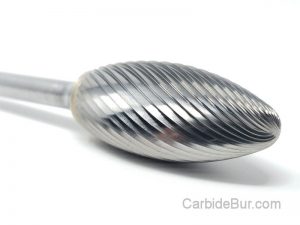
Looking for Carbide Bur Tools?
Check out our entire selection of USA made carbide bur die grinder tool bits
Follow us on Twitter

Return to CarbideBur.com
Carbide Burs – 1/4″ on 1/8″ Shanks – Accessories – Aluminum Cut – Bur Sets – End Mills – Long Shank – Solid Burs
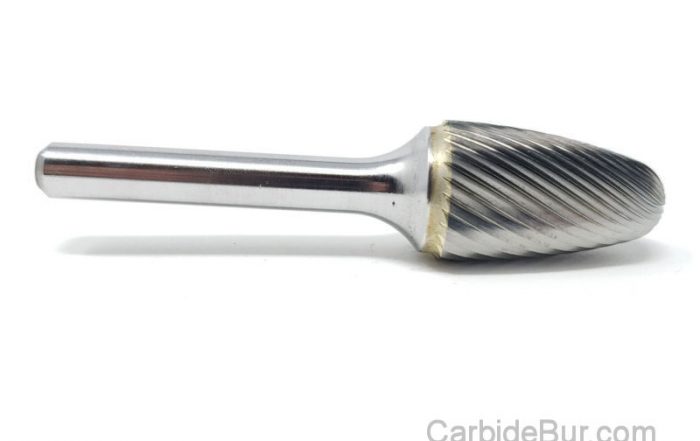
How to Grind a Groove in Metal With a Carbide Burr
How to Grind a Groove in Metal With a Carbide Burr Most metalworkers struggle to cut clean grooves without wasting time or ruining their workpiece. Many try different metalworking tools but end up with uneven [...]
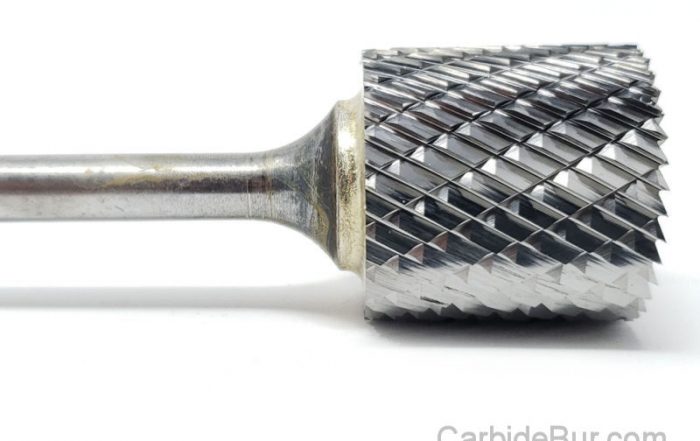
Can Carbide Burrs Cut Through Welds?
Can Carbide Burrs Cut Through Welds? Cutting through welds can feel like a battle, especially when you need clean results without harming the base metal. Carbide burrs offer a sharp edge in this fight, but [...]
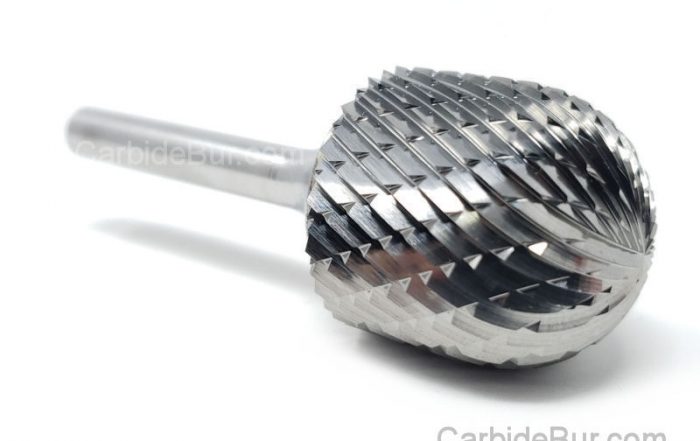
How to Use a Carbide Burr With a Die Grinder
How to Use a Carbide Burr With a Die Grinder Most people treat a carbide burr like just another tool, but using it with a die grinder takes skill. If you’ve struggled with burr installation [...]
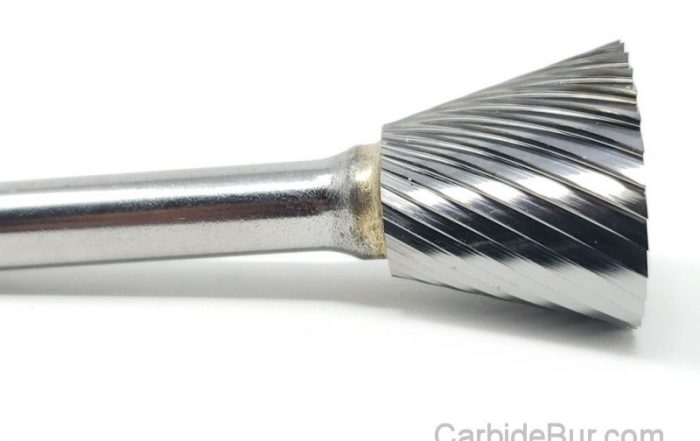
1/8 vs 1/4 Inch Carbide Burrs: What’s the Difference?
1/8 vs 1/4 Inch Carbide Burrs: What's the Difference? Choosing between a 1/8 inch carbide burr and a 1/4 inch carbide burr can change how your project turns out. Many machinists and hobbyists overlook how [...]
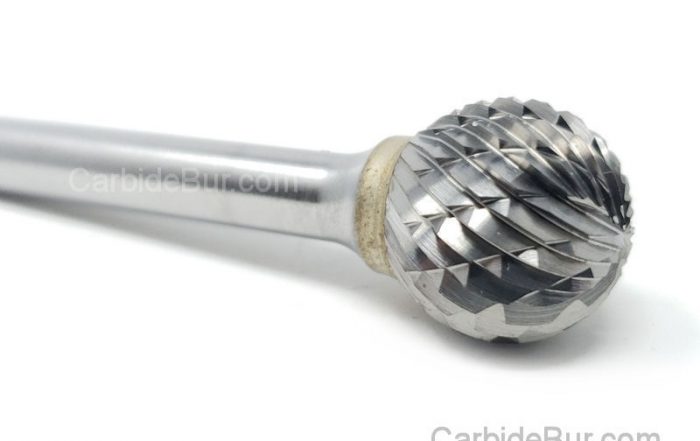
Best Carbide Burr for Removing Flash From Castings
Best Carbide Burr for Removing Flash From Castings Removing flash from castings is a task that can slow down your entire metalworking process if you don’t have the right tools. Picking the best carbide burr [...]
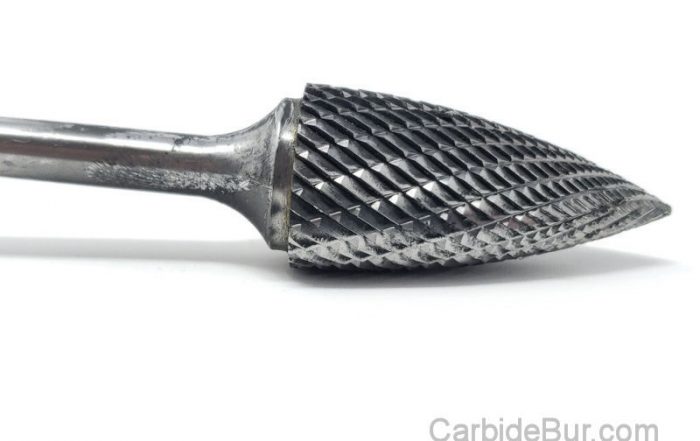
What RPM Should You Use for a 1/4 Inch Carbide Burr?
What RPM Should You Use for a 1/4 Inch Carbide Burr? Most machinists guess the right speed for a 1/4 inch carbide burr and hope for the best. Using the wrong carbide burr RPM can [...]
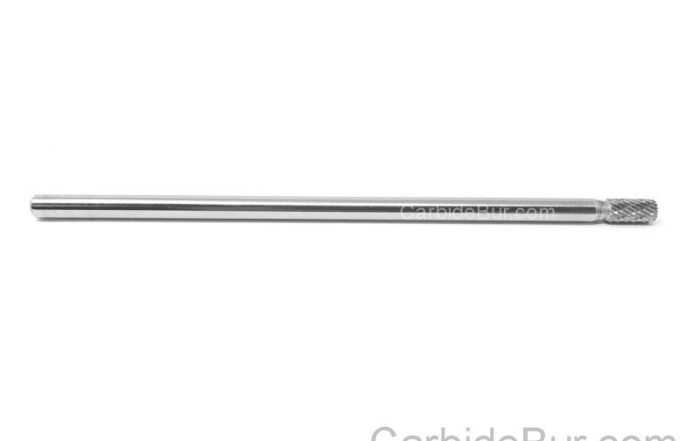
Long Shank Carbide Burrs: When Do You Need One?
Long Shank Carbide Burrs: When Do You Need One? Most machinists overlook the power of long shank carbide burrs until a project demands precision in tight spaces. When your usual tools can’t reach intricate contours, [...]
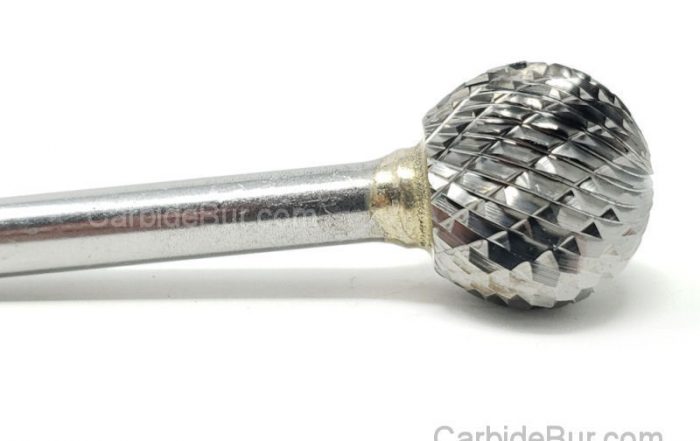
How Deep Can a Carbide Burr Cut Metal?
How Deep Can a Carbide Burr Cut Metal? Carbide burrs often get praised for their precision, but many users hit a wall wondering how deep they can actually cut metal. The truth is, cutting depth [...]
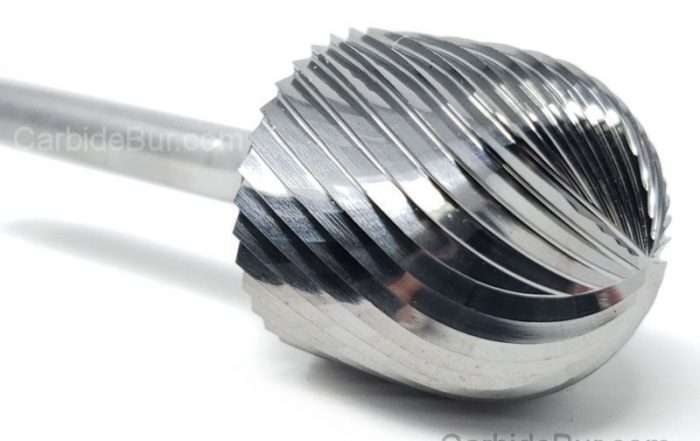
How to Use Carbide Burrs for Port Matching
How to Use Carbide Burrs for Port Matching Most engine builds hit a wall when airflow doesn’t flow smoothly between the ports and manifolds. If your engine isn’t breathing right, your performance stalls. Using the [...]
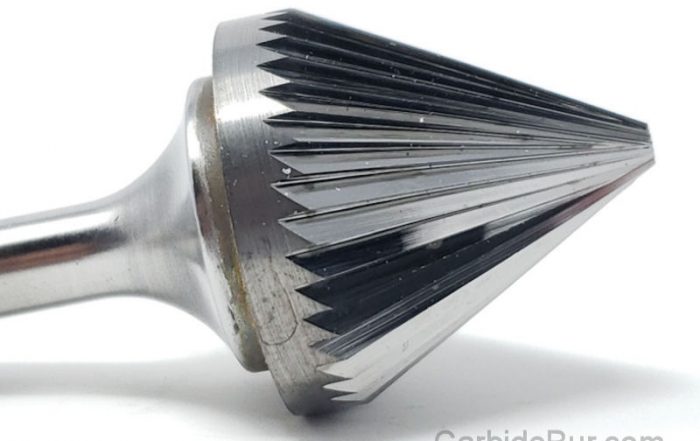
Best Carbide Burr for Porting Intake Manifolds
Best Carbide Burr for Porting Intake Manifolds Porting intake manifolds can make or break your engine’s airflow, yet many struggle with the right tools for the job. Choosing the best carbide burrs is key to [...]
Best Carbide Burr for Concave Surfaces
Best Carbide Burr for Concave Surfaces Concave surfaces can turn a straightforward project into a frustrating challenge if you don’t have the right tool. Carbide burrs designed for these tricky curves make all the difference [...]
How to Grind a Slot in Metal With a Carbide Burr
How to Grind a Slot in Metal With a Carbide Burr Grinding a precise slot in metal can feel like a tricky task, especially if you’re unsure which tools to trust. Carbide burr grinding offers [...]
