
Enhance Your Machining: Tips for Reducing Carbide Burr Vibration
Carbide burr vibration can wreck the smooth finish you’re aiming for and wear out your tools faster than expected. Many metalworkers face this frustration without knowing the root causes. From worn burrs to the wrong spindle speed, these factors sneak in and shake up your work. Keep reading to pinpoint what’s behind the vibration and learn how to keep your cuts steady and your tools lasting longer. For more insights, visit here.
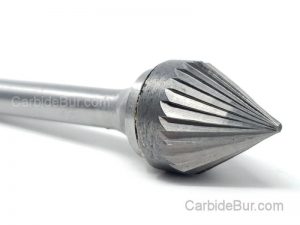
Which carbide bur tool shape do you use most?
Understanding Carbide Burr Vibration
Understanding the root causes of carbide burr vibration is crucial to maintaining the quality of your work. Let’s explore what makes your tools shake and how you can regain control in your machining process.
Common Vibration Causes
When you experience vibration, it often stems from a few hidden culprits. Imbalanced burrs contribute significantly to this problem. If the burr is not perfectly balanced, it wobbles as it spins, leading to unwanted vibration. This can prematurely wear out your tools and affect the precision of your cuts.
Another common cause is worn-out tools. As burrs wear down, they lose their original shape, leading to uneven cuts and increased vibration. Worn tools no longer make smooth contact with the material, causing instability and inefficiency.
Lastly, improper spindle speeds can wreak havoc. Each job requires a specific speed setting. If the speed is too high or too low, it can lead to excessive vibration. Fine-tuning your spindle speed for each task can minimize this issue.
Impact on Machining Precision
Vibration not only affects the lifespan of your tools but also compromises precision. When your tools shake, the cuts become jagged and inaccurate. This results in poor-quality finishes that might require additional work. By understanding and addressing the causes, you can maintain the precision required in metalworking.
Accurate machining means fewer errors and less material waste. It ensures that every cut you make meets the specifications, saving time and resources. When you strive for precision, your finished products speak for themselves.
Importance of Tool Longevity
Tool longevity is an essential aspect of efficient machining. Vibration can significantly shorten the life of your tools. When tools wear out quickly, the cost of replacements can add up. By addressing vibration, you not only save on expenses but also ensure consistent performance.
Long-lasting tools maintain their effectiveness, allowing you to produce high-quality work without interruptions. Investing time in understanding and mitigating vibration will pay off in extended tool life and improved productivity.
Identifying Causes of Burr Vibration
Pinpointing the exact causes of burr vibration is key. Let’s delve deeper into the specifics and see how you can identify and address these issues effectively.
Imbalanced Burrs
Imbalance in burrs is a primary cause of vibration. When a burr wobbles during operation, it creates an uneven finish. This wobbling is usually due to manufacturing defects or wear and tear over time.
To address this, regularly inspect your burrs for balance. You can use a simple balancing tool to check for discrepancies. If an imbalance is found, consider replacing the burr to ensure smooth operation.
Worn-out Tools
Tools naturally wear out over time. As they degrade, their shape changes, causing increased vibration. This wear can be due to prolonged use or improper maintenance.
Inspect your tools frequently. Look for signs of wear such as chipped edges or uneven surfaces. Replacing worn tools promptly can prevent additional issues and maintain your machining quality. For more tips on tool maintenance, check out this guide.
Inappropriate Spindle Speeds
The speed at which your spindle operates plays a vital role in vibration control. A mismatch between the spindle speed and the material or task can lead to excessive shaking.
Ensure you set the correct spindle speed for each specific task. Refer to the manufacturer’s guidelines or conduct test runs to find the optimal speed. This simple adjustment can significantly reduce vibration and enhance your tool’s performance.
Mitigating Vibration Issues
Now that you know the causes, let’s explore ways to keep vibration at bay. Here’s how you can maintain a steady hand in your work.
Proper Burr Maintenance
Keeping your burrs in top condition is essential. Regular cleaning to remove debris and lubrication can prevent wear. Checking for balance ensures smooth operation.
Develop a maintenance routine to prolong the life of your burrs. This proactive approach will keep your tools sharp and ready for any task. Explore more maintenance tips here.

Correct Spindle Speed Settings
Fine-tuning your spindle speed is crucial for reducing vibration. Each material requires a different approach.
Experiment with different speeds to find the one that works best. Adjust as necessary when switching between tasks or materials. This ensures you always have the optimal setup for precise cutting.
Secure Workpiece Handling
A stable workpiece is less likely to cause vibration. Ensuring your material is firmly clamped can make a big difference.
Invest in quality clamps and fixtures to hold your material securely. This minimizes movement and allows for more accurate cuts. The stability of your setup directly impacts the quality of your results.
Enhancing Machining Precision
Improving precision starts with minimizing vibration. Let’s see how you can achieve smoother cuts and extend your tool’s lifespan.
Achieving Smoother Cutting
Smoother cutting is within reach when you tackle vibration. By maintaining balanced burrs and optimal speeds, you achieve cleaner cuts.
Regularly check your setup and make adjustments as needed. This habit ensures every cut meets your standards, reducing the need for rework.
Extending Tool Lifespan
Reducing vibration directly contributes to longer tool life. When tools operate smoothly, they face less stress and wear.
Take the time to check and maintain your tools. This investment in upkeep pays off with tools that last longer and perform better.
Improving Overall Safety
Safety is paramount in metalworking. Vibration can lead to accidents if not addressed.
By reducing shaking, you create a safer work environment. Secure materials, balanced tools, and correct speeds minimize risks, ensuring a safer workspace for everyone involved.
Best Practices for Metalworking Professionals
To excel in your craft, adopt these best practices. They will guide you toward a more efficient and precise metalworking process.
Regular Equipment Checks
Frequent checks ensure everything is in working order. Identify issues early to prevent major problems.
Develop a routine for equipment inspections. This proactive step keeps your tools and machinery in top shape, reducing downtime and enhancing performance. Discover more strategies here.
Choosing the Right Tools
Selecting suitable tools for each task is critical. The right tool makes a significant difference in reducing vibration.
Consider your specific needs and research the best tools for each job. This thoughtful approach leads to smoother operations and better outcomes.
Continuous Skill Development
Staying informed and improving your skills is essential. The industry evolves, and so should you.
Seek learning opportunities, attend workshops, and stay updated with the latest trends. This commitment to growth ensures you remain at the forefront of your field, delivering exceptional results every time. For more insights, visit this article.
By understanding and addressing the causes of carbide burr vibration, you enhance your machining precision and extend your tool’s lifespan. These insights empower you to produce top-quality work while maintaining a safe and efficient workspace.
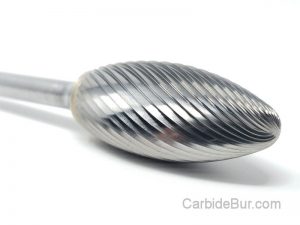
Looking for Carbide Bur Tools?
Check out our entire selection of USA made carbide bur die grinder tool bits
Follow us on Twitter

Return to CarbideBur.com
Carbide Burs – 1/4″ on 1/8″ Shanks – Accessories – Aluminum Cut – Bur Sets – End Mills – Long Shank – Solid Burs
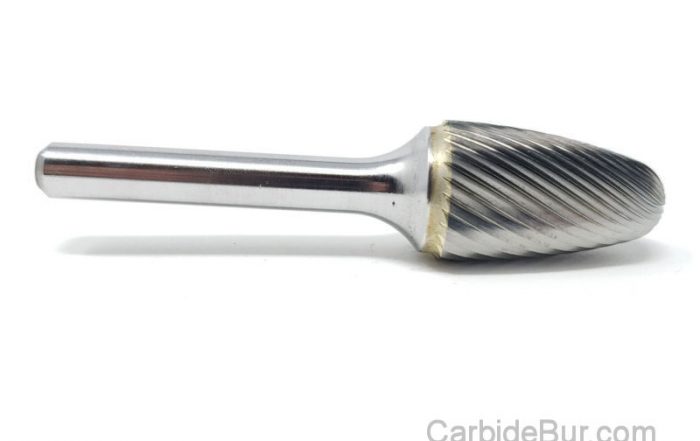
How to Grind a Groove in Metal With a Carbide Burr
How to Grind a Groove in Metal With a Carbide Burr Most metalworkers struggle to cut clean grooves without wasting time or ruining their workpiece. Many try different metalworking tools but end up with uneven [...]
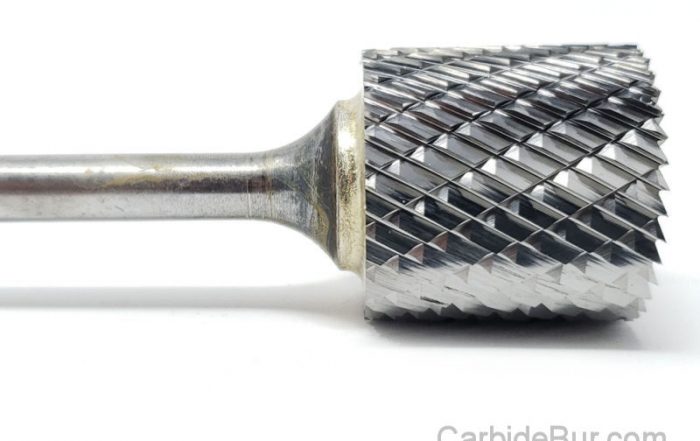
Can Carbide Burrs Cut Through Welds?
Can Carbide Burrs Cut Through Welds? Cutting through welds can feel like a battle, especially when you need clean results without harming the base metal. Carbide burrs offer a sharp edge in this fight, but [...]
How to Use a Carbide Burr With a Die Grinder
How to Use a Carbide Burr With a Die Grinder Most people treat a carbide burr like just another tool, but using it with a die grinder takes skill. If you’ve struggled with burr installation [...]
1/8 vs 1/4 Inch Carbide Burrs: What’s the Difference?
1/8 vs 1/4 Inch Carbide Burrs: What's the Difference? Choosing between a 1/8 inch carbide burr and a 1/4 inch carbide burr can change how your project turns out. Many machinists and hobbyists overlook how [...]
Best Carbide Burr for Removing Flash From Castings
Best Carbide Burr for Removing Flash From Castings Removing flash from castings is a task that can slow down your entire metalworking process if you don’t have the right tools. Picking the best carbide burr [...]
What RPM Should You Use for a 1/4 Inch Carbide Burr?
What RPM Should You Use for a 1/4 Inch Carbide Burr? Most machinists guess the right speed for a 1/4 inch carbide burr and hope for the best. Using the wrong carbide burr RPM can [...]
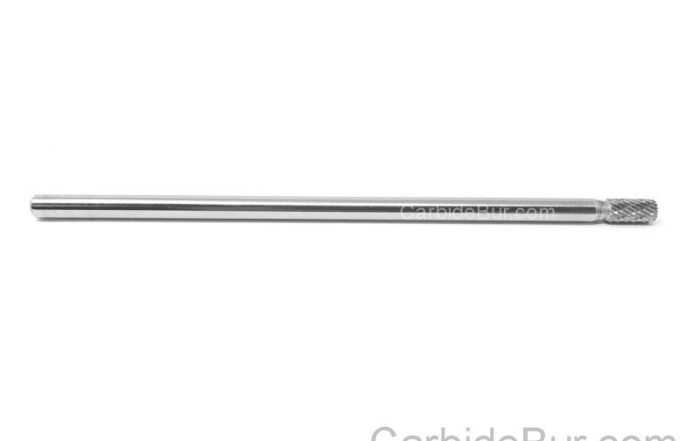
Long Shank Carbide Burrs: When Do You Need One?
Long Shank Carbide Burrs: When Do You Need One? Most machinists overlook the power of long shank carbide burrs until a project demands precision in tight spaces. When your usual tools can’t reach intricate contours, [...]
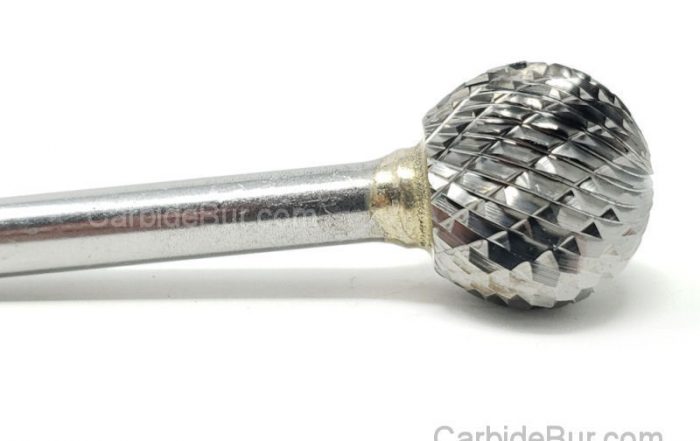
How Deep Can a Carbide Burr Cut Metal?
How Deep Can a Carbide Burr Cut Metal? Carbide burrs often get praised for their precision, but many users hit a wall wondering how deep they can actually cut metal. The truth is, cutting depth [...]
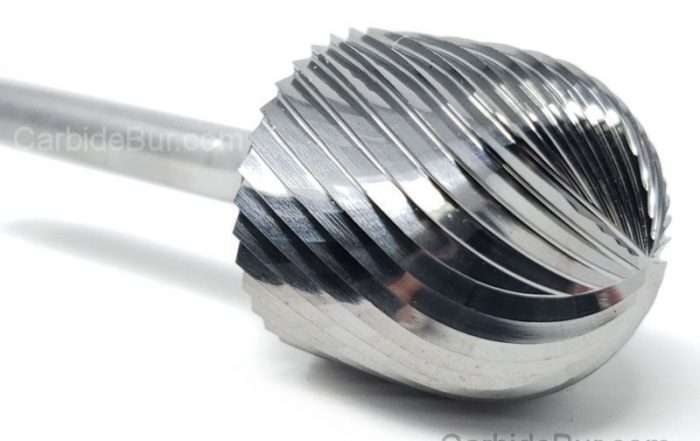
How to Use Carbide Burrs for Port Matching
How to Use Carbide Burrs for Port Matching Most engine builds hit a wall when airflow doesn’t flow smoothly between the ports and manifolds. If your engine isn’t breathing right, your performance stalls. Using the [...]
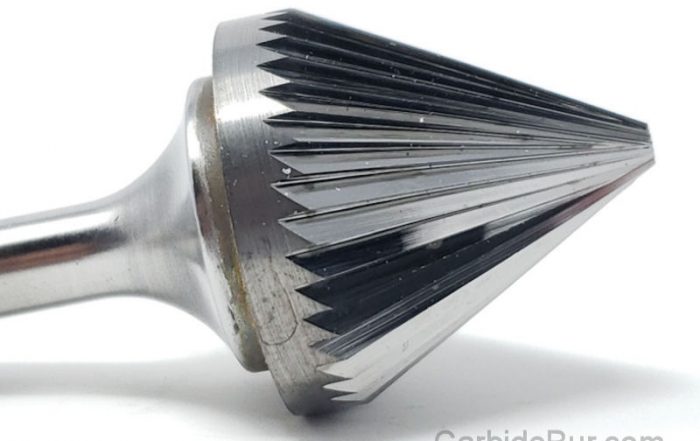
Best Carbide Burr for Porting Intake Manifolds
Best Carbide Burr for Porting Intake Manifolds Porting intake manifolds can make or break your engine’s airflow, yet many struggle with the right tools for the job. Choosing the best carbide burrs is key to [...]
Best Carbide Burr for Concave Surfaces
Best Carbide Burr for Concave Surfaces Concave surfaces can turn a straightforward project into a frustrating challenge if you don’t have the right tool. Carbide burrs designed for these tricky curves make all the difference [...]
How to Grind a Slot in Metal With a Carbide Burr
How to Grind a Slot in Metal With a Carbide Burr Grinding a precise slot in metal can feel like a tricky task, especially if you’re unsure which tools to trust. Carbide burr grinding offers [...]
