
Enhance Your Metalworking Skills: Selecting the Right Carbide Burr for Every Task
Picking the wrong carbide burr shape can waste hours and ruin your project’s finish. Many metalworkers struggle because they don’t know which tool fits each task best. This guide breaks down carbide burr shapes like cylindrical, ball, and flame burrs, showing you how to choose carbide burr tools that match your material and desired results. Keep reading to sharpen your skills and get the precision your work deserves.
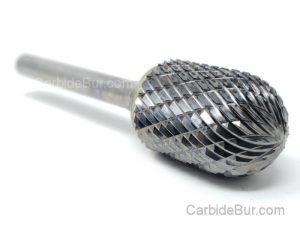
Have you tried our Carbide Burs for your job?
Understanding Carbide Burr Shapes
Grasping the variety of carbide burr shapes available can transform your work. Each shape serves a distinct purpose, making it crucial to know their specific uses.
Cylindrical Burr Uses
When it comes to cylindrical burrs, they excel in surface smoothing and precise cutting. Ideal for flat surfaces and right angles, these burrs are your go-to for maintaining straight edges. They’re perfect for removing sharp edges or smoothing out weld seams. Next time you’re faced with a project that demands straight and flat precision, reach for a cylindrical burr to achieve clean results. It’s a simple choice that makes a big difference.
Ball Burr Applications
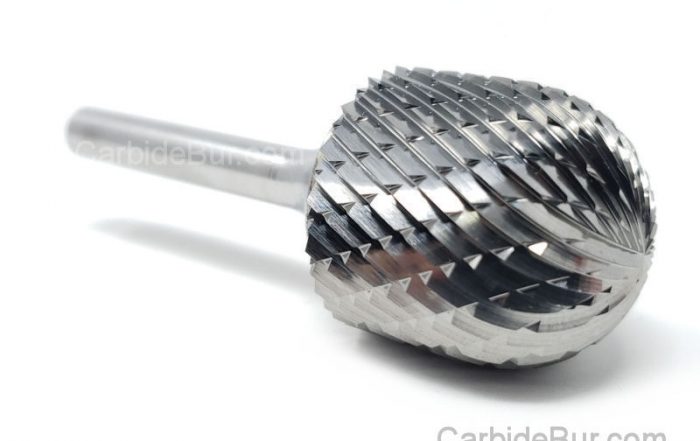
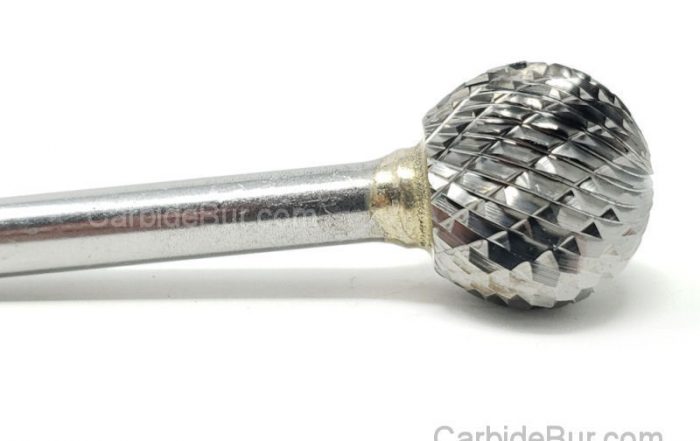
Ball burrs are versatile and adept at creating contours and curves. If you’re working on intricate details, these are the burrs you’ll want. They’re great for shaping surfaces that require gentle transitions. Whether you’re crafting detailed sculptures or smoothing out concave surfaces, a ball burr helps achieve the smoothness and accuracy you need. Don’t overlook their ability to handle those delicate curves with finesse.
Flame Burr Functions
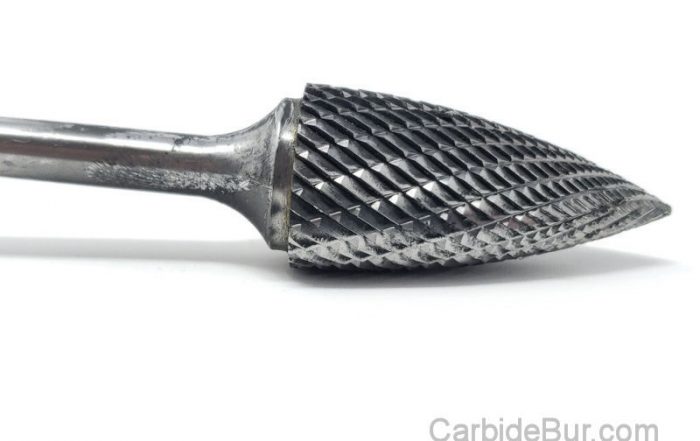
For tasks involving hard-to-reach areas, flame burrs are indispensable. They offer precision in tight corners and awkward spots. Think of them when working on complex shapes or when you need to carve intricate patterns. Flame burrs help you reach those tricky spots that other shapes can’t manage. They’re your best friend when detail and precision are required in challenging spots.
Selecting the Ideal Burr for Materials
Choosing the right burr requires considering the material you’re working with. Each material has different needs, and the right burr makes all the difference.
Metalworking Material Considerations
In metalworking, different metals demand specific burr shapes. Hard metals like steel call for robust burrs, while softer metals like aluminum might need a gentler touch. Consider the metal’s hardness and thickness when selecting your burr. It’s essential for maintaining tool longevity and ensuring effective cutting. For detailed guidance on selecting the perfect burr for each metal type, check this resource.
Woodworking Material Needs
Woodworking introduces its own challenges. The type of wood—hard or soft—dictates which burr shape will be most effective. For hardwoods, a sturdy burr is necessary to maintain control and avoid splintering. Softer woods benefit from a lighter touch to prevent gouging. Check out this guide for more information on using burrs in woodworking.
Achieving the Desired Finish
Once you’ve selected your burr, achieving the finish you want involves specific techniques and tools.
Precision Grinding Techniques
Precision is key in grinding. Using precision grinding tools can improve your results significantly. Start with a steady hand and follow a consistent path. Ensure your burr is sharp and well-maintained to prevent any mishaps. Consistency in technique leads to a smoother finish and precise results.

Enhancing Surface Quality
Improving surface quality involves patience and the right technique. As you work, check your progress frequently. Make small adjustments to your technique to perfect the finish. Understand that practice and persistence will lead to improvements in your surface quality.
Complexity of the Task at Hand
The complexity of your task plays a significant role in burr selection. Understanding these factors enhances your decision-making process.
Factors Influencing Burr Choice
Consider the intricacies of your project. A simple task may only need a basic burr, while a complex one might require multiple shapes and sizes. Think about the detail level and accessibility of the area you’re working on. The right burr can save time and improve results.
Matching Burrs to Task Complexity
Task complexity often dictates the number of burrs you’ll need. For detailed projects, it’s common to switch between burrs. Each burr serves a unique purpose, and knowing when to use each one is crucial. This strategic approach ensures precision and efficiency in your work.
Empowering Your Metalworking Skills
With the right knowledge, you can enhance your skills and make informed decisions.
Improving Workflow Efficiency
Efficiency is about using the right tool at the right time. By selecting the appropriate burr, you streamline your workflow. This reduces time spent on each task and improves overall productivity. Your metalworking process becomes smoother and more enjoyable.
Making Informed Tool Choices
Being informed is the first step toward success. Understanding how each burr works allows you to make smarter choices. Your projects will benefit from your expertise, leading to higher quality results and greater satisfaction. For more tips on optimizing your burr usage, explore this video.
By understanding the nuances of selecting the right carbide burr shape, you set the stage for success in your projects. Each choice you make impacts the outcome, so use this guide to navigate your options confidently.
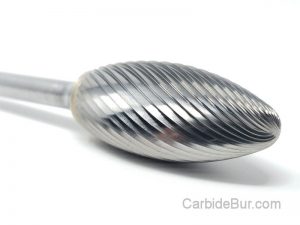
Looking for Carbide Bur Tools?
Check out our entire selection of USA made carbide bur die grinder tool bits
Follow us on Twitter

Return to CarbideBur.com
Carbide Burs – 1/4″ on 1/8″ Shanks – Accessories – Aluminum Cut – Bur Sets – End Mills – Long Shank – Solid Burs
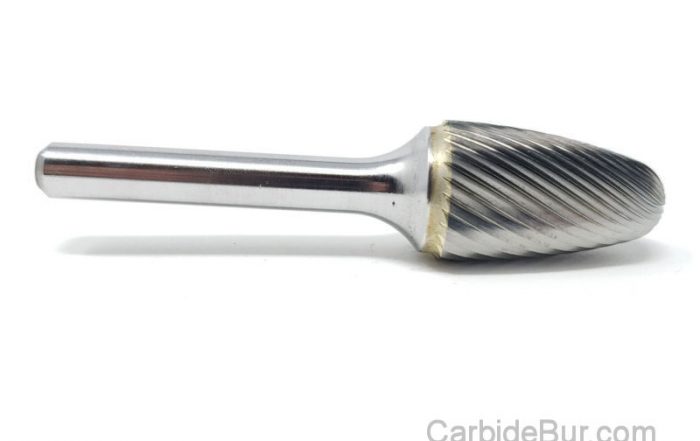
How to Grind a Groove in Metal With a Carbide Burr
How to Grind a Groove in Metal With a Carbide Burr Most metalworkers struggle to cut clean grooves without wasting time or ruining their workpiece. Many try different metalworking tools but end up with uneven [...]
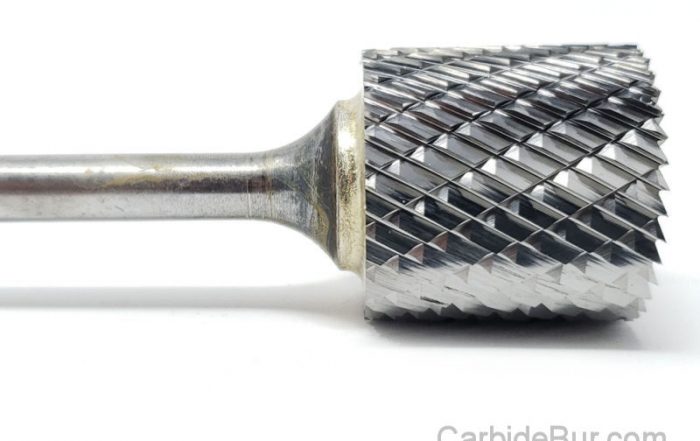
Can Carbide Burrs Cut Through Welds?
Can Carbide Burrs Cut Through Welds? Cutting through welds can feel like a battle, especially when you need clean results without harming the base metal. Carbide burrs offer a sharp edge in this fight, but [...]
How to Use a Carbide Burr With a Die Grinder
How to Use a Carbide Burr With a Die Grinder Most people treat a carbide burr like just another tool, but using it with a die grinder takes skill. If you’ve struggled with burr installation [...]
1/8 vs 1/4 Inch Carbide Burrs: What’s the Difference?
1/8 vs 1/4 Inch Carbide Burrs: What's the Difference? Choosing between a 1/8 inch carbide burr and a 1/4 inch carbide burr can change how your project turns out. Many machinists and hobbyists overlook how [...]

Best Carbide Burr for Removing Flash From Castings
Best Carbide Burr for Removing Flash From Castings Removing flash from castings is a task that can slow down your entire metalworking process if you don’t have the right tools. Picking the best carbide burr [...]
What RPM Should You Use for a 1/4 Inch Carbide Burr?
What RPM Should You Use for a 1/4 Inch Carbide Burr? Most machinists guess the right speed for a 1/4 inch carbide burr and hope for the best. Using the wrong carbide burr RPM can [...]
Long Shank Carbide Burrs: When Do You Need One?
Long Shank Carbide Burrs: When Do You Need One? Most machinists overlook the power of long shank carbide burrs until a project demands precision in tight spaces. When your usual tools can’t reach intricate contours, [...]
How Deep Can a Carbide Burr Cut Metal?
How Deep Can a Carbide Burr Cut Metal? Carbide burrs often get praised for their precision, but many users hit a wall wondering how deep they can actually cut metal. The truth is, cutting depth [...]
How to Use Carbide Burrs for Port Matching
How to Use Carbide Burrs for Port Matching Most engine builds hit a wall when airflow doesn’t flow smoothly between the ports and manifolds. If your engine isn’t breathing right, your performance stalls. Using the [...]
Best Carbide Burr for Porting Intake Manifolds
Best Carbide Burr for Porting Intake Manifolds Porting intake manifolds can make or break your engine’s airflow, yet many struggle with the right tools for the job. Choosing the best carbide burrs is key to [...]
Best Carbide Burr for Concave Surfaces
Best Carbide Burr for Concave Surfaces Concave surfaces can turn a straightforward project into a frustrating challenge if you don’t have the right tool. Carbide burrs designed for these tricky curves make all the difference [...]
How to Grind a Slot in Metal With a Carbide Burr
How to Grind a Slot in Metal With a Carbide Burr Grinding a precise slot in metal can feel like a tricky task, especially if you’re unsure which tools to trust. Carbide burr grinding offers [...]
