
Mastering Cutting Efficiency: Preventing Carbide Burr Loading
Carbide burr loading slows your work and wears down your tools faster than you realize. When debris clogs your burrs, cutting efficiency drops and your project quality suffers. You can prevent burr loading by choosing the right burr design, adjusting your feed rates, and using proper coolant methods. Keep reading to learn practical burr maintenance tips that will boost your tool performance and keep your woodworking or metalworking tasks running smooth. For more insights, visit this guide.
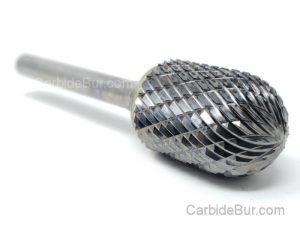
Have you tried our Carbide Burs for your job?
Understanding Carbide Burr Loading
When it comes to tool performance, knowing what causes burr loading can make all the difference. Let’s explore the reasons behind this common issue.
Causes of Burr Loading
One major cause of burr loading is the choice of tool design. Using the wrong burr shape or size can lead to fast accumulation of debris. Another factor is the speed of your work. Moving too quickly can cause chips to collect and stick. Lastly, the type of material you work with plays a role. Softer metals and woods tend to clog more easily.
Consider the materials you use often. Are you matching your burr design to them? For instance, aluminum is notorious for causing loading. Using a burr with fewer flutes can help prevent this. Also, think about your speed. Slower tends to be better for reducing buildup.
Impact on Tool Performance
Burr loading doesn’t just slow you down. It also reduces tool life. When burrs are clogged, they can’t cut as effectively. This means more strain on your tools, leading to faster wear and tear. Your project quality also suffers. Cuts become uneven, and surfaces rougher.
Imagine working on a detailed piece. Instead of smooth, clean lines, you get jagged edges. This isn’t just frustrating. It also means more time spent correcting errors.
Identifying Burr Loading Symptoms
How do you know when burr loading is affecting your tools? Look for specific signs. The first is a noticeable drop in cutting speed. If your tool is moving slower through the material, it may be clogged. Check for burned or darkened areas on the workpiece. This indicates heat buildup, a common result of loading.
Listen to your tools as well. A change in noise, like a higher pitch or grinding sound, can signal an issue. Regular checks can help you spot these symptoms early, saving you time and effort.
Strategies to Prevent Burr Loading
Now that you know what causes burr loading, let’s dive into strategies to prevent it. These tips will help you maintain cutting efficiency and tool performance.
Selecting the Right Burr Design
Choosing the right burr design is crucial. Match your burr to your material for best results. For softer metals, opt for a single-cut burr. This design reduces the chance of loading by cutting in one direction. For harder materials, double-cut burrs work well, providing a smoother finish.
Think about the shapes too. A cylindrical burr is great for flat surfaces, while a ball-shaped burr handles contours better. Evaluate your projects and select accordingly.
Adjusting Feed Rates for Success
Your feed rate plays a big role in preventing loading. Moving too fast can cause debris to stick, but moving too slow can overheat your tool. Aim for a balance. Start slow and increase speed gradually. Monitor your tool’s performance and adjust as needed.
Testing different rates on scrap material can help find the sweet spot. Also, keep in mind that thicker materials may require slower rates to avoid clogging.
Effective Material Removal Techniques
Effective material removal can prevent burr loading altogether. One method is to use a push-pull technique. This involves pushing the tool into the material, then pulling back slightly. It helps clear debris before it accumulates.
Another tip is to angle your tool slightly. This allows chips to escape more easily, reducing the chance of loading. Experiment with angles and techniques to see what works best for you.
Enhancing Cutting Efficiency
Improving cutting efficiency involves more than just preventing burr loading. Let’s look at some techniques that boost your overall performance.

Importance of Coolant Usage
Using coolant is key to maintaining tool performance. It helps reduce heat, which can cause burr loading. Apply coolant directly to the cutting area. This keeps the tool cool and prevents debris from sticking. You can use water-based coolants or oils depending on your material.
Don’t underestimate the power of proper coolant usage. It can extend your tool life and improve cut quality significantly. To learn more, explore these expert tips.
Woodworking Techniques for Burrs
Woodworking with burrs requires a few special techniques. First, always secure your material. Proper clamping prevents movement, which can lead to uneven cuts. Use slower speeds for hardwoods and faster for softwoods.
Another tip is to sand edges after cutting. This smooths out any rough spots and prevents splintering. Regularly check your tool for debris and clean it after each use for best results.
Metalworking Burrs Best Practices
In metalworking, burrs offer precision. Start with a clean surface. Remove any rust or paint before cutting. This ensures a smooth operation and reduces loading risk. Use cutting oil to lubricate and cool the tool.
Remember, different metals require different approaches. Aluminum needs light cuts, while steel can handle more force. Adjust your technique accordingly for optimal performance.
Essential Burr Maintenance Tips
Maintaining your burrs is essential for long-term performance. Here are some tips to keep them in top shape.
Regular Cleaning and Inspection
Regular cleaning prevents buildup. After each use, clean your burrs with a wire brush. This removes any stuck debris. Inspect for signs of wear, like dull edges or chips. Catching these early can save you money and time.
Routine inspections can help you spot issues before they become problems. This proactive approach extends the life of your tools.
Proper Storage for Longevity
How you store your tools matters. Keep them in a dry, clean place. Moisture can cause rust, affecting performance. Use protective cases to prevent damage. Avoid stacking burrs as this can dull the edges.
Organize your tools by size and type. This makes it easier to find what you need and protects them from unnecessary wear.
Troubleshooting Common Issues
Even with the best care, problems can arise. What do you do when burrs load up? First, check your speed and feed rate. Adjust if necessary. Next, ensure you’re using the correct burr for your material. If issues persist, consider switching to a different coolant.
By following these steps, you can troubleshoot effectively and keep your projects running smoothly.
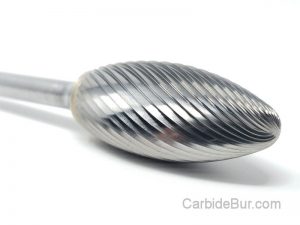
Looking for Carbide Bur Tools?
Check out our entire selection of USA made carbide bur die grinder tool bits
Follow us on Twitter

Return to CarbideBur.com
Carbide Burs – 1/4″ on 1/8″ Shanks – Accessories – Aluminum Cut – Bur Sets – End Mills – Long Shank – Solid Burs
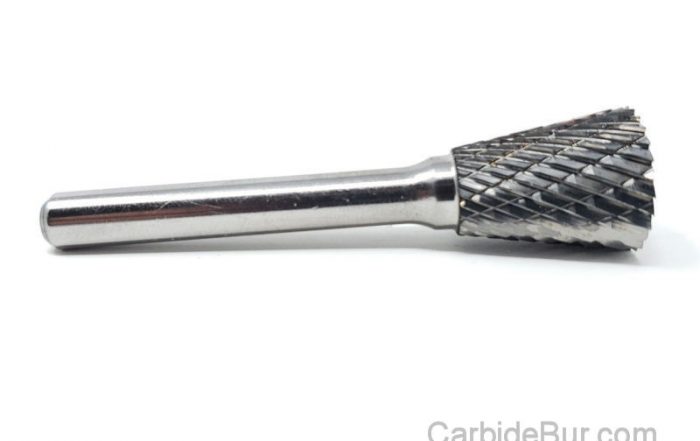
Carbide Burrs for Removing Rust: What Works Best?
Carbide Burrs for Removing Rust: What Works Best? Rust can turn your favorite tools into useless junk faster than you expect. Removing it without ruining the metal underneath takes more than just elbow grease—it demands [...]
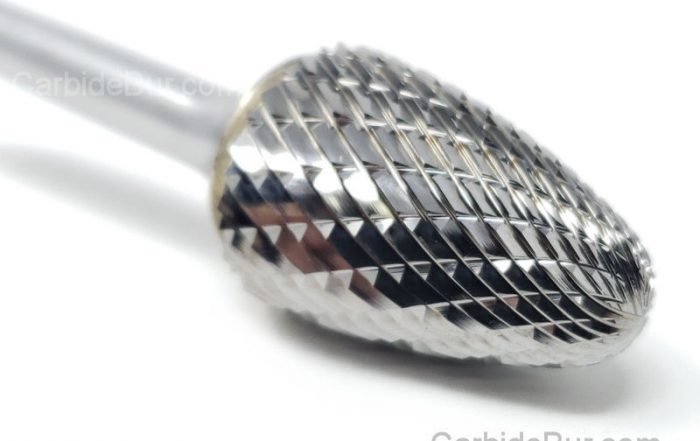
How Much Pressure Should You Use With a Carbide Burr?
How Much Pressure Should You Use With a Carbide Burr? Most people think pressing harder with a carbide burr speeds up the job. That’s not true—too much pressure wears out your tool and ruins the [...]
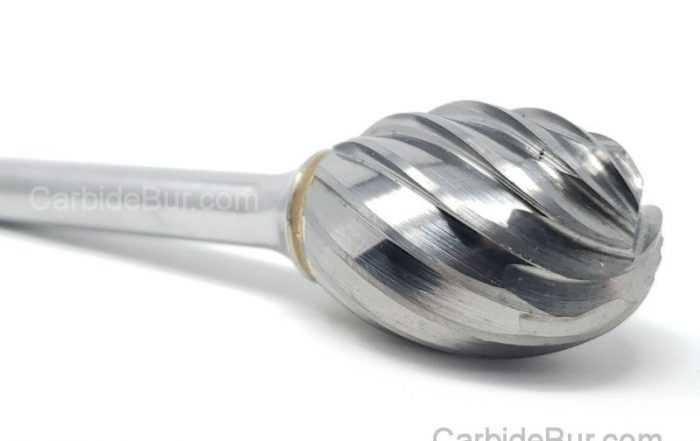
Can You Use Carbide Burrs With an Air Die Grinder?
Can You Use Carbide Burrs With an Air Die Grinder? Most people don’t realize how well carbide burrs work with air die grinders until they try them. If you’ve ever struggled with finding the right [...]
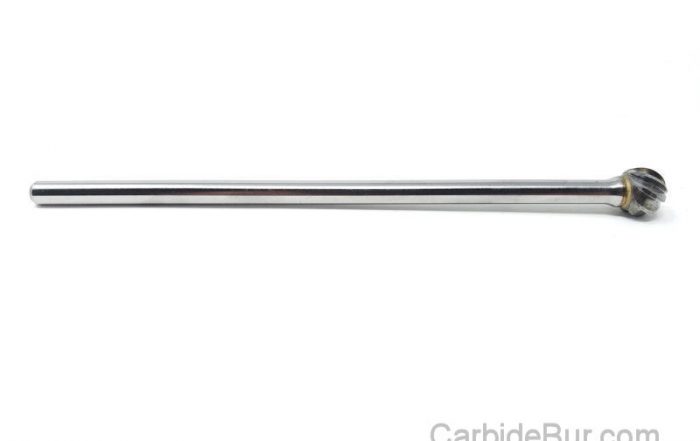
Best Long Reach Carbide Burr for Deep Metal Work
Best Long Reach Carbide Burr for Deep Metal Work Long reach carbide burrs often promise deep metal access, but many fall short where it counts most. You need a tool that cuts cleanly, lasts through [...]
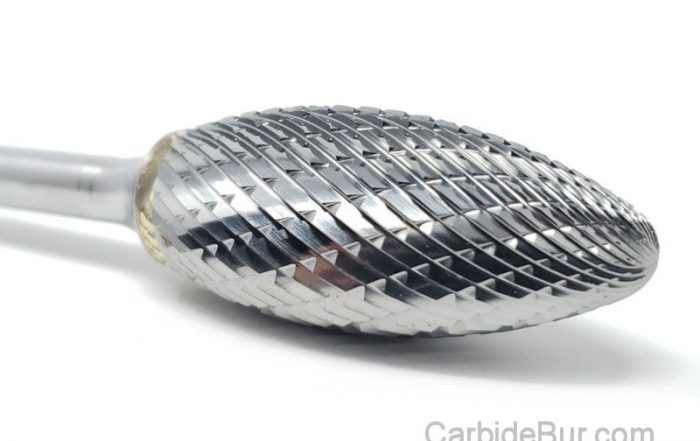
What RPM Should You Use for a 1/8 Inch Carbide Burr?
What RPM Should You Use for a 1/8 Inch Carbide Burr? Most people guess the right carbide burr RPM by feel—and waste hours redoing work. If you want cleaner cuts and longer tool life, your [...]
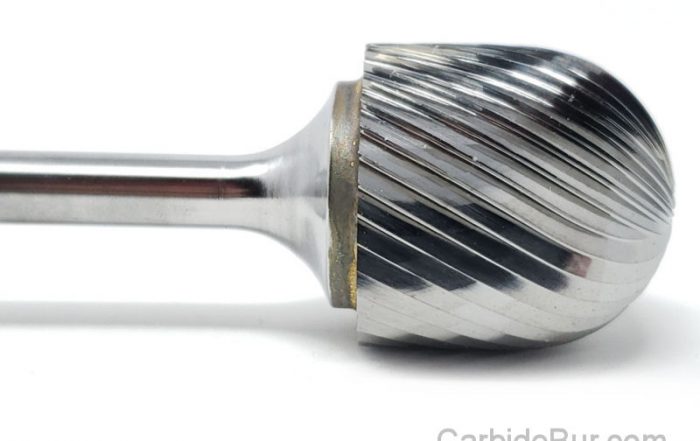
Carbide Burrs for Tight Spaces: Choosing the Right Shape
Carbide Burrs for Tight Spaces: Choosing the Right Shape Tackling tight spaces with the wrong carbide burrs wastes time and risks damaging your work. Choosing the right burr shape makes all the difference when working [...]
Can Carbide Burrs Remove Paint From Metal?
Can Carbide Burrs Remove Paint From Metal? Stripping paint from metal often feels like a tough chore that risks damaging the surface underneath. Many turn to carbide burrs hoping they can speed things up without [...]
How to Grind a Groove in Metal With a Carbide Burr
How to Grind a Groove in Metal With a Carbide Burr Most metalworkers struggle to cut clean grooves without wasting time or ruining their workpiece. Many try different metalworking tools but end up with uneven [...]
Can Carbide Burrs Cut Through Welds?
Can Carbide Burrs Cut Through Welds? Cutting through welds can feel like a battle, especially when you need clean results without harming the base metal. Carbide burrs offer a sharp edge in this fight, but [...]
How to Use a Carbide Burr With a Die Grinder
How to Use a Carbide Burr With a Die Grinder Most people treat a carbide burr like just another tool, but using it with a die grinder takes skill. If you’ve struggled with burr installation [...]
1/8 vs 1/4 Inch Carbide Burrs: What’s the Difference?
1/8 vs 1/4 Inch Carbide Burrs: What's the Difference? Choosing between a 1/8 inch carbide burr and a 1/4 inch carbide burr can change how your project turns out. Many machinists and hobbyists overlook how [...]
Best Carbide Burr for Removing Flash From Castings
Best Carbide Burr for Removing Flash From Castings Removing flash from castings is a task that can slow down your entire metalworking process if you don’t have the right tools. Picking the best carbide burr [...]
