
The Essential Toolkit for Perfect Weld Finish Quality
Most welders underestimate how much the right weld cleanup tools impact their final result. Skipping proper cleanup can leave your metalwork rough and weak, costing you time and pride. This guide breaks down the best tools for weld cleanup, from angle grinders to chemical solutions for rust removal, so you can nail weld finish quality every time. For more insights on welding tools, check out this link.
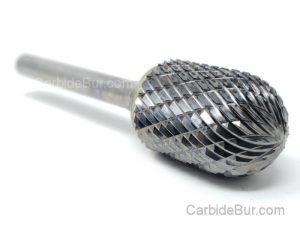
Have you tried our Carbide Burs for your job?
Introduction to Weld Cleanup Tools
Weld cleanup tools can transform your projects from amateur to professional. Whether you’re a seasoned welder or just starting, using the right tools ensures that your welds are both strong and visually appealing. Let’s dive into why the finish quality of your welds matters and explore the range of tools available.
Importance of Weld Finish Quality
When it comes to welding, the finish quality is crucial. A smooth, clean weld not only looks good but also ensures the piece’s strength and durability. Poor cleanup can lead to rust and weaken the joint, causing potential failures. By investing in proper weld cleanup tools, you’re safeguarding your work and saving valuable time in the long run. Most people think a quick brush is enough, but the right tools can make all the difference.
Overview of Mechanical and Chemical Options
You have two paths to explore: mechanical and chemical. Mechanical tools like angle grinders and wire brushes tackle the physical aspects, while chemical solutions target rust and residue. Both have their place in your toolkit. Understanding each option helps you choose the best tools for weld cleanup, optimizing results without unnecessary effort. Keep reading to find out which tools suit your needs best.
Mechanical Weld Cleaning Tools
Mechanical tools are your first line of defense in achieving a flawless weld. Each tool has its unique benefits, making them indispensable for different stages of your project. Here’s a closer look at some must-have mechanical tools.
Versatility of Angle Grinders
Angle grinders are a staple in any welder’s toolkit. They offer unparalleled versatility, making them perfect for cutting, grinding, and polishing. With the right disc, you can smooth out rough welds and prepare metal surfaces for further processing. These tools are fast and efficient, allowing you to complete tasks in record time. Don’t overlook their importance when considering the best tools for weld cleanup.
Efficiency of Wire Brushes
Wire brushes are excellent for removing slag and rust. They come in various shapes and sizes to fit different surfaces, ensuring you can clean even the most hard-to-reach areas. Using wire brushes, you can achieve a clean surface without damaging the underlying metal. They’re quick to use and make a big difference in preparing your welds for painting or plating.
Precision of Flap Discs
Flap discs offer precision in grinding and finishing. They are ideal for smoothing out welds without gouging the metal. These discs come in different grits, allowing you to choose the perfect level of abrasiveness for your project. With flap discs, you can ensure your welds are seamless and visually appealing. If you aim for a professional finish, flap discs should be a part of your toolkit.

Chemical Solutions for Rust Removal
For tackling rust and residue, chemical solutions are invaluable. These products offer a different approach, focusing on dissolving and cleaning rather than mechanical abrasion. Let’s explore how they can benefit your projects.
Types of Chemical Cleaners
Chemical cleaners come in various forms: sprays, gels, and concentrates. Each type has its unique application method and effectiveness. Some are designed for light rust, while others tackle heavy corrosion. Choosing the right one depends on your specific needs and the state of your materials. Remember, effective rust removal can save your metalwork from future damage.
Selecting the Right Solution
Not all chemical solutions are created equal. When selecting a cleaner, consider factors like material compatibility and environmental impact. Some chemicals might be too harsh for certain metals, leading to more harm than good. Check labels and reviews, and don’t hesitate to test on a small area first. This careful selection ensures your metal is preserved and looks its best.
Factors Influencing Tool Selection
Choosing the right tools involves more than just picking what’s available. Understanding the specific needs of your project and materials will guide you to the best choices.
Material Compatibility Considerations
Different metals require different approaches. While some tools and chemicals are universal, others are designed for specific materials. Knowing the composition of your workpiece helps you avoid costly mistakes. Always research or consult with experts if you’re unsure about compatibility.
Desired Finish Quality
Your end goal dictates your tool choice. If you seek a mirror finish, certain tools will serve you better. Conversely, a functional, industrial look might require less polish. Define your desired outcome before selecting tools to ensure your efforts align with your vision.
Expert Tips for Best Results
Using the right tools is just part of the equation. Following expert advice on safety and techniques can elevate your project to new heights.
Safety Precautions in Weld Cleanup
Safety should never be an afterthought. Always wear appropriate gear, like gloves and goggles, to protect against sparks and chemicals. Ensure proper ventilation when using chemical solutions, and never rush through tasks. A few extra minutes of precaution can prevent serious accidents.
Enhancing Your Welding Project Essentials
Your toolkit is the backbone of your project. Keeping your tools in top condition extends their life and ensures they function optimally. Regular maintenance and proper storage are key. By prioritizing your tools, you enhance your project quality and efficiency. Learn more about essential welding tools in this blog post.
By equipping yourself with the best tools for weld cleanup and following these guidelines, you’re setting yourself up for success. Your projects will not only meet but exceed expectations, showcasing your skills and dedication to quality.
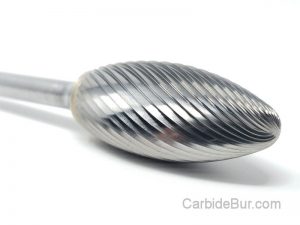
Looking for Carbide Bur Tools?
Check out our entire selection of USA made carbide bur die grinder tool bits
Follow us on Twitter

Return to CarbideBur.com
Carbide Burs – 1/4″ on 1/8″ Shanks – Accessories – Aluminum Cut – Bur Sets – End Mills – Long Shank – Solid Burs
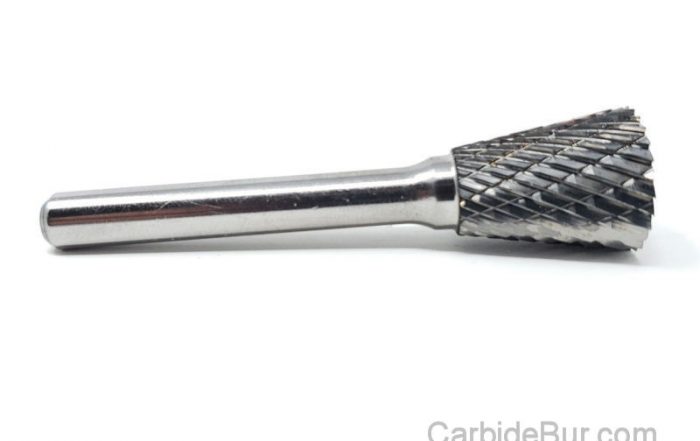
Carbide Burrs for Removing Rust: What Works Best?
Carbide Burrs for Removing Rust: What Works Best? Rust can turn your favorite tools into useless junk faster than you expect. Removing it without ruining the metal underneath takes more than just elbow grease—it demands [...]
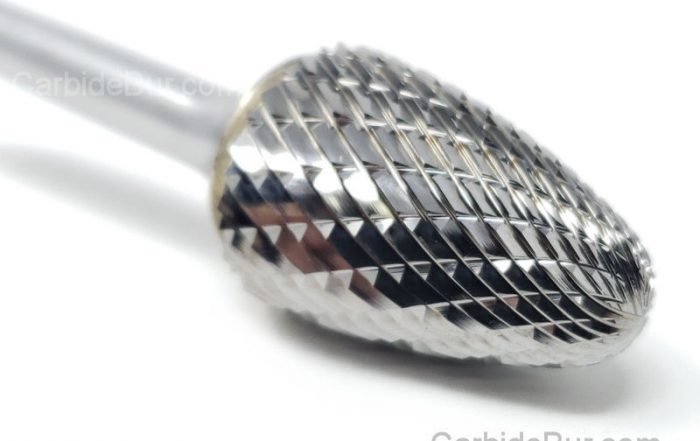
How Much Pressure Should You Use With a Carbide Burr?
How Much Pressure Should You Use With a Carbide Burr? Most people think pressing harder with a carbide burr speeds up the job. That’s not true—too much pressure wears out your tool and ruins the [...]
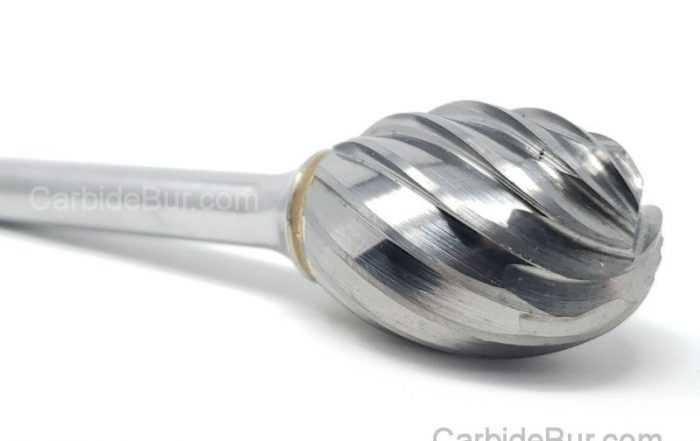
Can You Use Carbide Burrs With an Air Die Grinder?
Can You Use Carbide Burrs With an Air Die Grinder? Most people don’t realize how well carbide burrs work with air die grinders until they try them. If you’ve ever struggled with finding the right [...]
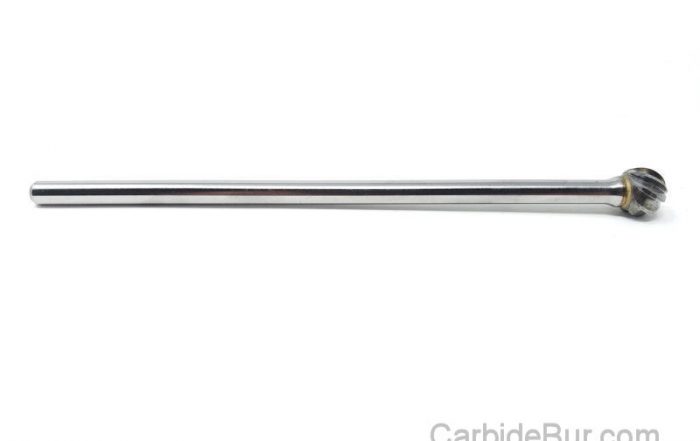
Best Long Reach Carbide Burr for Deep Metal Work
Best Long Reach Carbide Burr for Deep Metal Work Long reach carbide burrs often promise deep metal access, but many fall short where it counts most. You need a tool that cuts cleanly, lasts through [...]
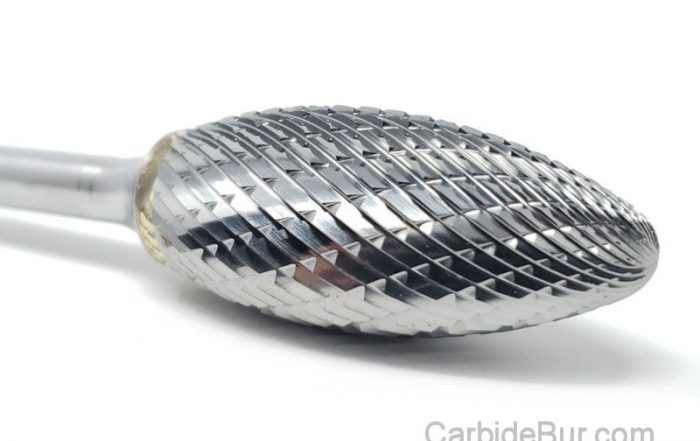
What RPM Should You Use for a 1/8 Inch Carbide Burr?
What RPM Should You Use for a 1/8 Inch Carbide Burr? Most people guess the right carbide burr RPM by feel—and waste hours redoing work. If you want cleaner cuts and longer tool life, your [...]
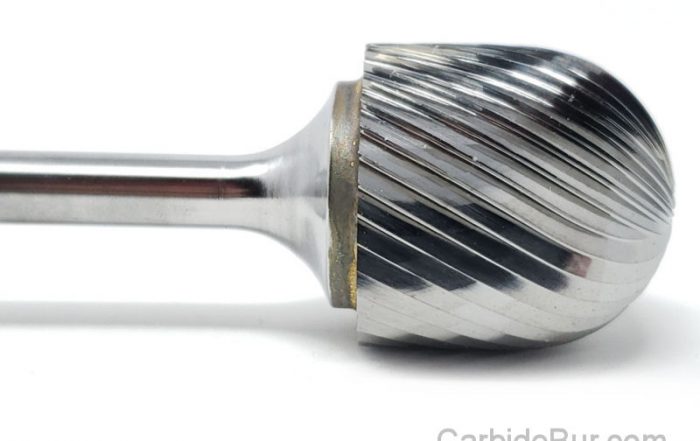
Carbide Burrs for Tight Spaces: Choosing the Right Shape
Carbide Burrs for Tight Spaces: Choosing the Right Shape Tackling tight spaces with the wrong carbide burrs wastes time and risks damaging your work. Choosing the right burr shape makes all the difference when working [...]
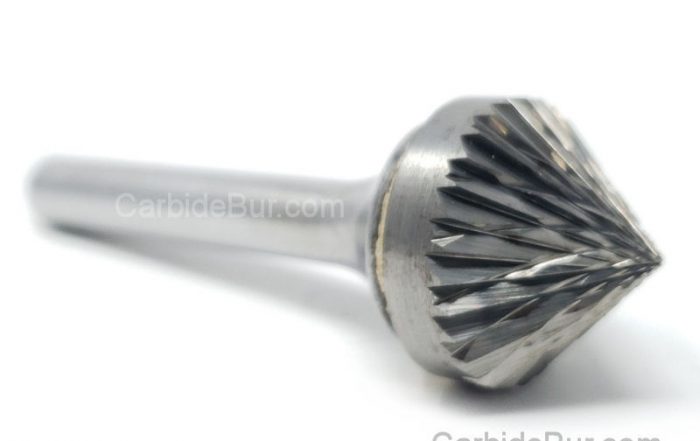
Can Carbide Burrs Remove Paint From Metal?
Can Carbide Burrs Remove Paint From Metal? Stripping paint from metal often feels like a tough chore that risks damaging the surface underneath. Many turn to carbide burrs hoping they can speed things up without [...]
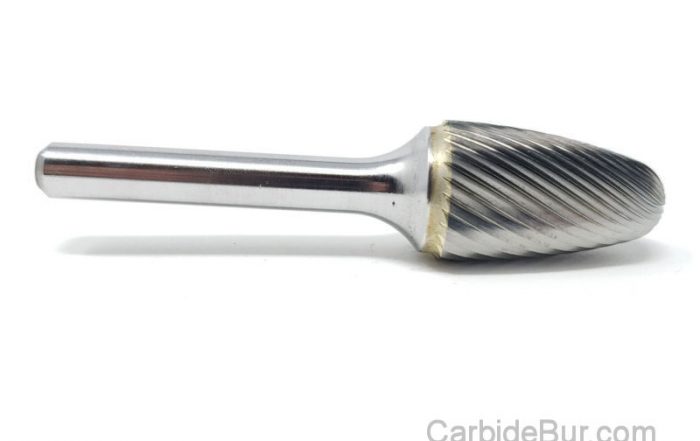
How to Grind a Groove in Metal With a Carbide Burr
How to Grind a Groove in Metal With a Carbide Burr Most metalworkers struggle to cut clean grooves without wasting time or ruining their workpiece. Many try different metalworking tools but end up with uneven [...]
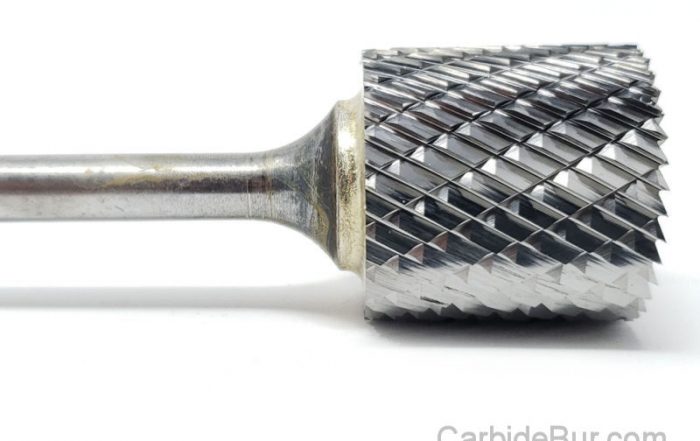
Can Carbide Burrs Cut Through Welds?
Can Carbide Burrs Cut Through Welds? Cutting through welds can feel like a battle, especially when you need clean results without harming the base metal. Carbide burrs offer a sharp edge in this fight, but [...]
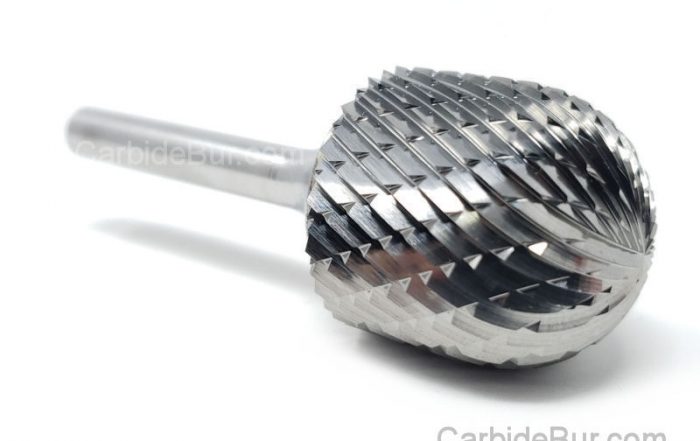
How to Use a Carbide Burr With a Die Grinder
How to Use a Carbide Burr With a Die Grinder Most people treat a carbide burr like just another tool, but using it with a die grinder takes skill. If you’ve struggled with burr installation [...]
1/8 vs 1/4 Inch Carbide Burrs: What’s the Difference?
1/8 vs 1/4 Inch Carbide Burrs: What's the Difference? Choosing between a 1/8 inch carbide burr and a 1/4 inch carbide burr can change how your project turns out. Many machinists and hobbyists overlook how [...]
Best Carbide Burr for Removing Flash From Castings
Best Carbide Burr for Removing Flash From Castings Removing flash from castings is a task that can slow down your entire metalworking process if you don’t have the right tools. Picking the best carbide burr [...]
