
The Ultimate Guide to Metalworking Safety: Tips to Prevent Overheating During Deburring
Overheating during deburring ruins more projects than you might realize. When your cutting tools get too hot, they lose sharpness fast and can warp the metal you’re working on. By mastering simple deburring techniques like applying steady pressure, keeping the bur moving, and using coolant properly, you’ll protect both your tools and your workpieces. Let’s break down the machining tips that keep heat in check and your metalworking safe. Check out more about high-quality deburring tools here.
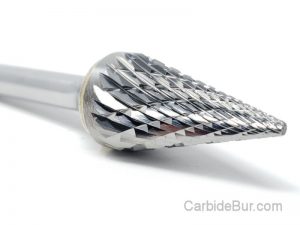
Click here to see our entire selection of USA made carbide bur tools
Essential Deburring Techniques
To keep your metalwork perfect, these deburring techniques are key. Start by applying steady pressure and don’t lose focus. You’ll maintain tool sharpness and prevent overheating.
Light and Consistent Pressure
Applying gentle but steady pressure is your first line of defense. Too much force can cause friction, which leads to heat. This heat can dull your cutting tools quickly. Try to let the tool do the work. By using just the right amount of pressure, you maintain control and precision. You’ll find that this approach minimizes the risk of overheating and keeps your workpiece intact. Give it a try, and see how it enhances your deburring process.
Continuous Movement Strategy
Keeping the tool moving is vital. When you dwell too long in one spot, heat builds up fast. This can warp your metal, causing imperfections. Instead, glide the tool smoothly over the surface. This not only prevents overheating but also ensures a consistent finish. You’ll notice an improvement in the quality of your work. Remember, practice makes perfect. With time, you’ll master this technique and see the results in your projects.
Selecting the Right Cut Type
Choosing between a double cut or single cut carbide burr affects your work. A double cut produces less friction. This means less heat, which is crucial for maintaining the sharpness of your tools. Double cuts are perfect for softer metals. On the other hand, single cuts are ideal for harder metals. They remove material quickly but require more control. Knowing which to use can save you time and effort. Explore the best options for you at Carbide Burr.
Cooling Strategies for Metalworking
Moving on, cooling strategies are your safety net. They ensure that your tools and workpiece stay in top condition. Implement these methods to enhance your deburring outcomes.
Effective Coolant Usage
Coolants play a critical role in metalworking. They reduce friction and absorb heat. Applying the right coolant can prolong tool life and prevent workpiece damage. Make sure to use enough to keep the surface wet. This method disperses heat efficiently and keeps your tools sharp. It’s a simple step, but one that yields significant benefits. For more insights, check out this detailed guide.
Compressed Air for Heat Dissipation
When coolant isn’t an option, compressed air can save the day. It quickly dissipates heat, keeping your tool and workpiece cool. This method is particularly useful for intricate designs where liquid coolants might cause issues. It also keeps the work area clean. Using compressed air is a quick and effective way to manage heat. Give it a shot and notice the difference in your work.
Choosing the Best Carbide Burrs
Selecting the right tools is the next step. Your choice of carbide burrs can make or break your project. Let’s look at how to choose the best set for your needs.
Double Cut vs Single Cut Carbide Burrs
The type of carbide burr you use dictates the finish and efficiency of your work. Double cuts create a smoother surface, ideal for softer metals. They generate less heat, preserving tool sharpness. Single cuts, meanwhile, excel at removing material from harder metals. They’re aggressive and efficient but require more finesse. Understanding these differences helps you select the right burr for the job, ensuring quality results. Dive into the advantages of American-made carbide tools here.
Ideal Carbide Burr Shapes for Deburring
Shape matters when it comes to deburring. The right shape ensures precision and control. Cylindrical burrs are great for flat surfaces, while ball-shaped burrs work best on curves. For tight spots, choose cone-shaped burrs. Each shape serves a purpose and can improve your workflow. Having a variety of shapes in your carbide burr set will equip you for any task. Consider investing in quality shapes for better performance in your projects.
By understanding these techniques and tools, you equip yourself for better results in metalworking. Each step you refine adds up to a significant improvement in the quality of your work.
Click here to see our entire selection of USA made carbide bur tools
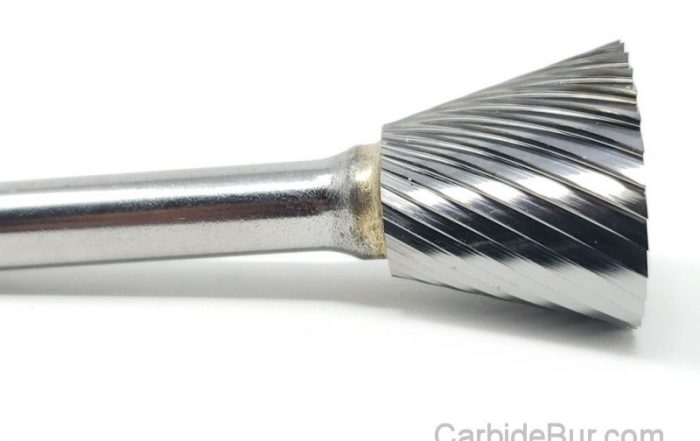
1/8 vs 1/4 Inch Carbide Burrs: What’s the Difference?
1/8 vs 1/4 Inch Carbide Burrs: What's the Difference? Choosing between a 1/8 inch carbide burr and a 1/4 inch carbide burr can change how your project turns out. Many machinists and hobbyists overlook how [...]
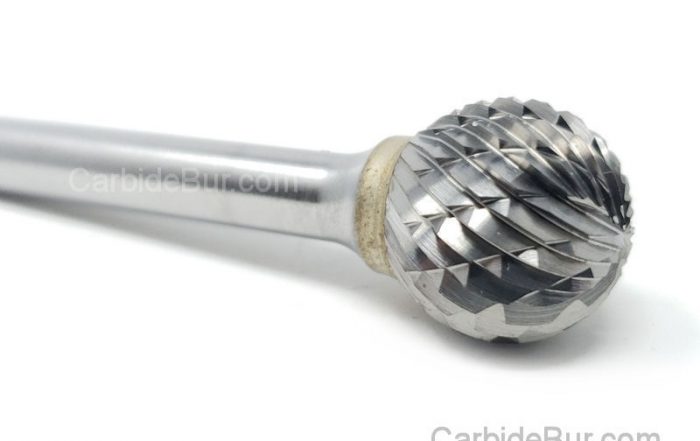
Best Carbide Burr for Removing Flash From Castings
Best Carbide Burr for Removing Flash From Castings Removing flash from castings is a task that can slow down your entire metalworking process if you don’t have the right tools. Picking the best carbide burr [...]
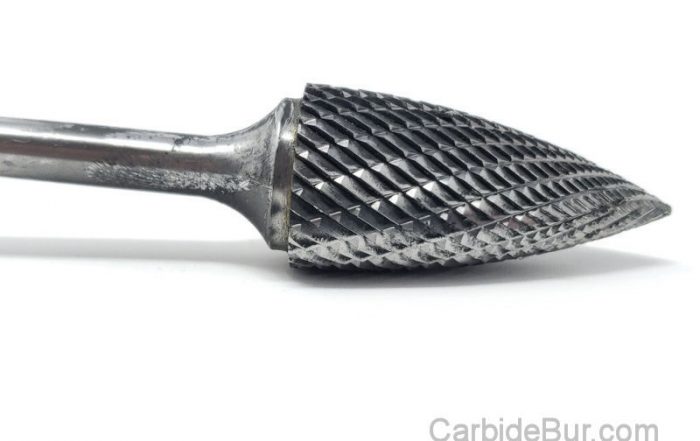
What RPM Should You Use for a 1/4 Inch Carbide Burr?
What RPM Should You Use for a 1/4 Inch Carbide Burr? Most machinists guess the right speed for a 1/4 inch carbide burr and hope for the best. Using the wrong carbide burr RPM can [...]
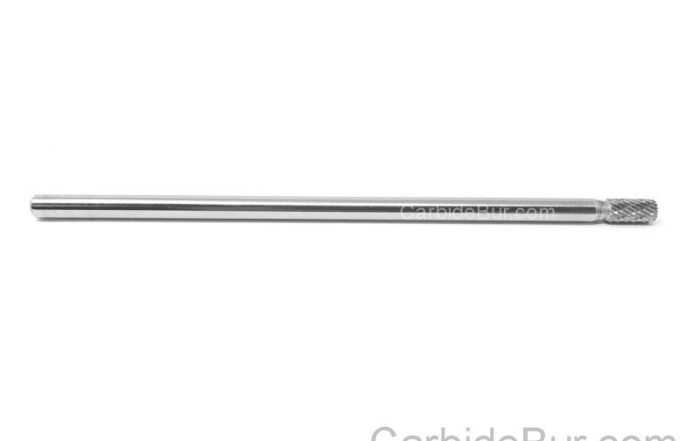
Long Shank Carbide Burrs: When Do You Need One?
Long Shank Carbide Burrs: When Do You Need One? Most machinists overlook the power of long shank carbide burrs until a project demands precision in tight spaces. When your usual tools can’t reach intricate contours, [...]
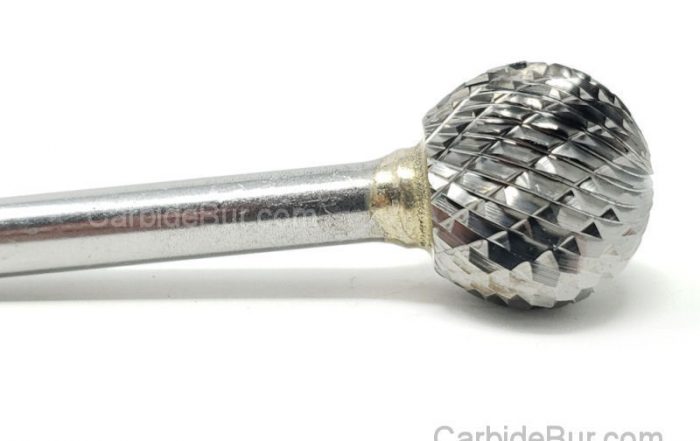
How Deep Can a Carbide Burr Cut Metal?
How Deep Can a Carbide Burr Cut Metal? Carbide burrs often get praised for their precision, but many users hit a wall wondering how deep they can actually cut metal. The truth is, cutting depth [...]
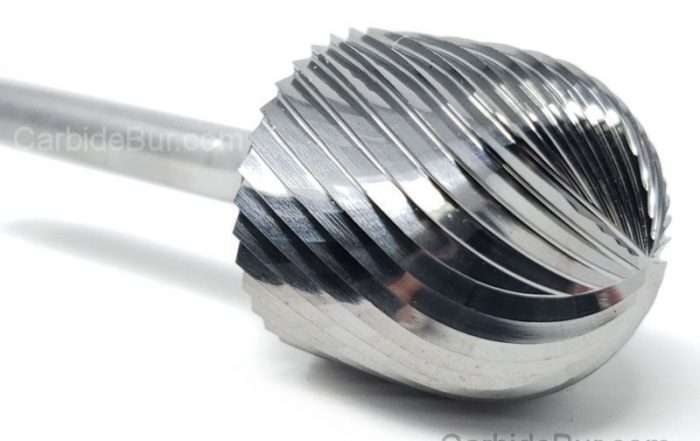
How to Use Carbide Burrs for Port Matching
How to Use Carbide Burrs for Port Matching Most engine builds hit a wall when airflow doesn’t flow smoothly between the ports and manifolds. If your engine isn’t breathing right, your performance stalls. Using the [...]
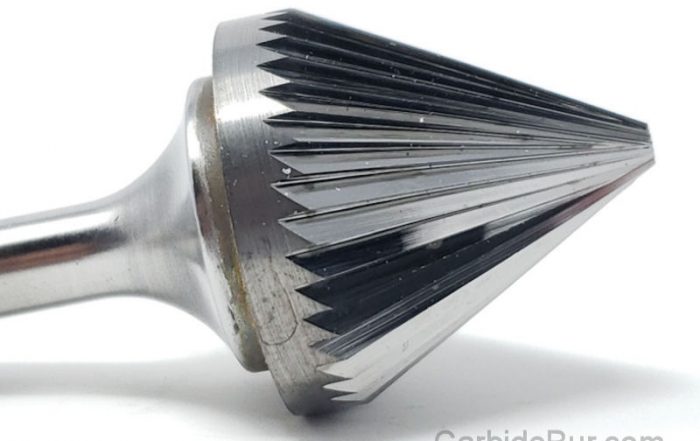
Best Carbide Burr for Porting Intake Manifolds
Best Carbide Burr for Porting Intake Manifolds Porting intake manifolds can make or break your engine’s airflow, yet many struggle with the right tools for the job. Choosing the best carbide burrs is key to [...]
Best Carbide Burr for Concave Surfaces
Best Carbide Burr for Concave Surfaces Concave surfaces can turn a straightforward project into a frustrating challenge if you don’t have the right tool. Carbide burrs designed for these tricky curves make all the difference [...]
How to Grind a Slot in Metal With a Carbide Burr
How to Grind a Slot in Metal With a Carbide Burr Grinding a precise slot in metal can feel like a tricky task, especially if you’re unsure which tools to trust. Carbide burr grinding offers [...]

Best Carbide Burr for Inside Corners
Best Carbide Burr for Inside Corners Working in tight inside corners can turn even simple projects into frustrating tasks. Many carbide burrs just don’t fit or cut cleanly where you need them most. The best [...]
What Size Carbide Burr Do I Need?
What Size Carbide Burr Do I Need? Picking the wrong carbide burr can turn a simple project into a frustrating mess. You might have the best machining tools but still miss the mark if your [...]
How to Smooth Sharp Metal Edges With a Carbide Burr
How to Smooth Sharp Metal Edges With a Carbide Burr Sharp metal edges can turn your project from professional to risky in seconds. If you’ve struggled with smoothing metal edges without scratching or weakening the [...]
