
From Shaping to Finishing: Carbide Burrs That Excel with Cast Iron
Machining cast iron can wear down your tools faster than you expect and create tough-to-handle dust. Finding the best carbide burr for cast iron isn’t just about grabbing any burr off the shelf—it’s about matching the right shape and coating to the job. In this post, you’ll get a clear look at which carbide burr types perform best for shaping, finishing, and deburring cast iron, so your projects come out cleaner and last longer. Ready to work smarter with cast iron burrs? Check out this guide to choosing the right carbide burs for deburring.
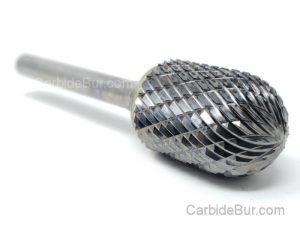
Have you tried our Carbide Burs for your job?
Understanding Carbide Burrs
When you venture into the world of machining, carbide burrs are your trusty sidekick. Knowing their basics will make your work with cast iron smoother.
Basics of Carbide Burrs
Carbide burrs are small, precision tools that help carve out details on hard materials like cast iron. They come in various shapes and sizes, each serving a unique purpose. You might find it handy to know that these tools are made from tungsten carbide, making them incredibly robust. Unlike regular steel, tungsten carbide can withstand high temperatures without losing its edge. This means you can work longer without stopping to cool down the tool.
Benefits of Using Carbide Burrs
Why choose carbide burrs? The answer is simple: they save you time and effort. These burrs cut through cast iron like a hot knife through butter. Because they are so sturdy, they last longer, saving you money on replacements. Plus, their precision makes them perfect for intricate designs. Imagine crafting a detailed pattern on a piece of cast iron without worrying about chips or breaks. With carbide burrs, this is possible.
Key Features to Look For
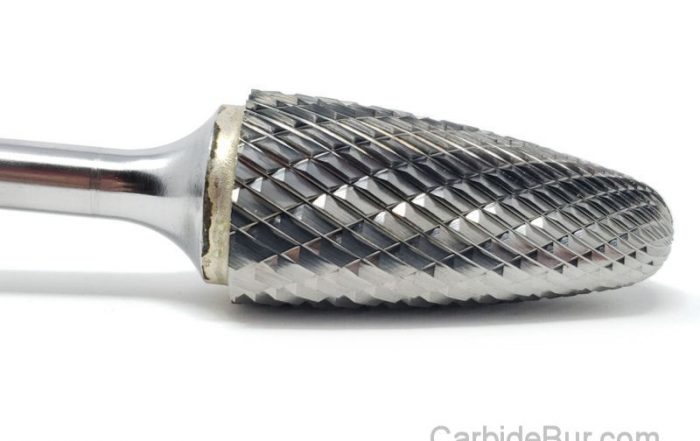
Selecting the right carbide burr involves looking at specific features. First, consider the shape. Different shapes work best for different tasks, such as rounding edges or creating grooves. Next, think about the coating. A good coating can extend the lifespan of your tool by protecting it from wear and tear. Lastly, don’t forget the grit level. A finer grit is ideal for detailed work, while a coarser grit is perfect for quickly removing material. For more detailed guidance, check out this comprehensive guide to carbide burr shapes and their uses.
Challenges of Machining Cast Iron
After learning about carbide burrs, it’s crucial to understand the challenges you face when machining cast iron. This knowledge will prepare you for any hiccups along the way.
Dealing with Brittleness
Cast iron is known for its brittleness. This means it can crack or shatter if not handled correctly. When you start working on a cast iron project, be gentle. Apply light pressure and let the tool do the work. It’s tempting to push harder for faster results, but this could damage your material. Remember, patience is key.
Managing Abrasive Dust
Another challenge is dealing with the dust created during machining. Cast iron produces a fine, abrasive dust that can be harmful if inhaled. Always wear a mask and work in a well-ventilated area. This keeps you safe and prevents dust from settling on your tools. Regular cleaning of your workspace also helps in avoiding dust buildup. For more tips, visit this tool guide.
Overcoming Heat Buildup
Heat buildup is a common issue when working with cast iron. As you machine, friction generates heat, which can damage both your tools and the material. To combat this, take regular breaks to allow both the tool and the material to cool down. Using a coolant can also help dissipate heat effectively.
Selecting the Right Carbide Burr
Armed with knowledge about challenges, let’s move on to picking the best carbide burr. This section will guide you in making smart choices for your projects.
Ideal Shapes for Cast Iron
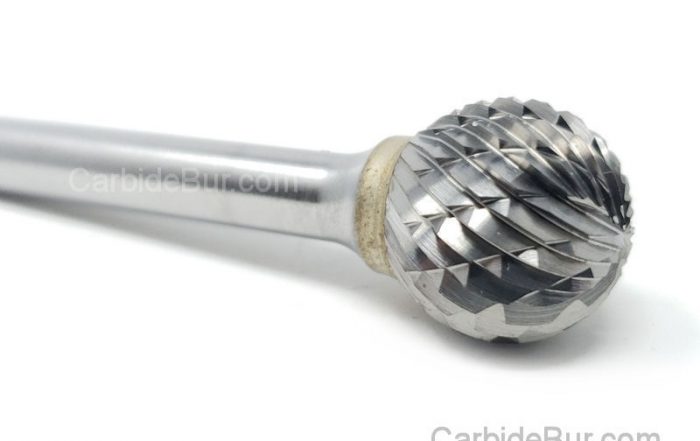
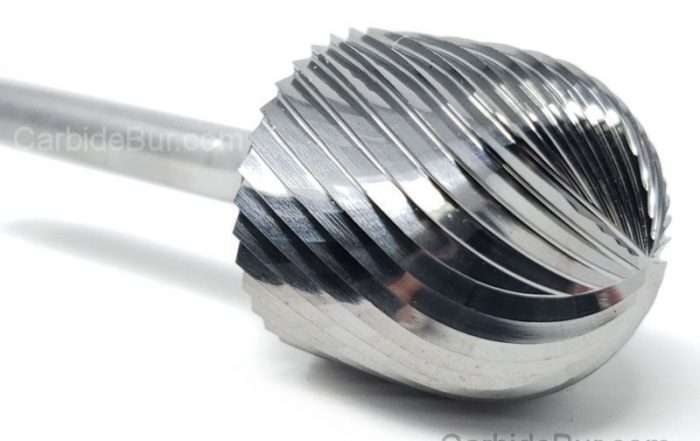
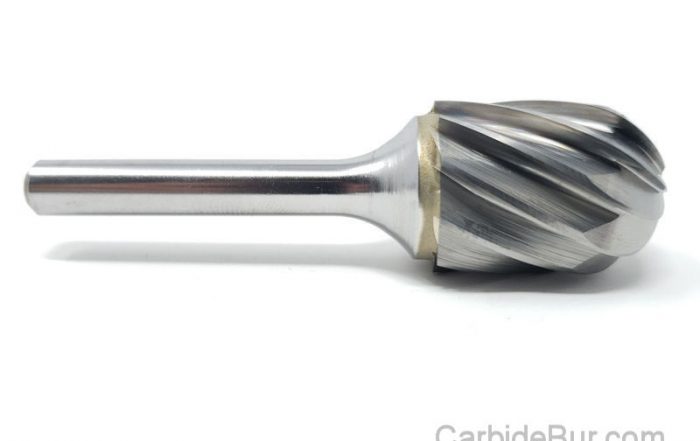
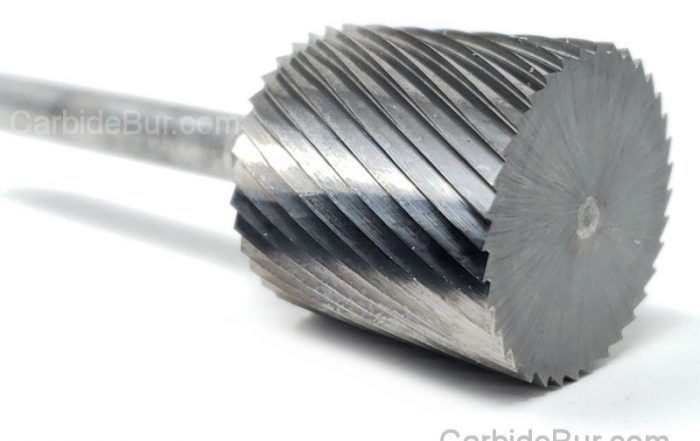
Choosing the right shape of a carbide burr is vital. For instance, cylindrical shapes are excellent for flat surfaces, while ball-shaped burrs work well for rounded edges and contours. If you’re dealing with tight corners, a pointed burr might be your best bet. You can find more about different shapes in this detailed article.
Coating Types for Longevity
Coatings play a significant role in extending the life of your carbide burr. Titanium nitride is a popular choice, providing a hard, wear-resistant surface. Another option is diamond coating, which offers superior durability. By selecting the right coating, you ensure your tools last longer and perform better.
Choosing the Right Grit Level
The grit level of your carbide burr affects both the finish and efficiency of your work. A coarse grit is excellent for removing large amounts of material quickly, while a fine grit is ideal for smooth finishes. Think about your project’s needs when choosing the grit level. This decision can dramatically impact your results.

Applications in Cast Iron Projects
Now that you’ve selected the right burr, it’s time to dive into specific techniques for working with cast iron. These tips ensure optimal results in your projects.
Efficient Shaping Techniques
Shaping cast iron requires precision and patience. Start by outlining your design with a pencil. Use a cylindrical burr for straight lines and a ball-shaped burr for curves. This approach helps you maintain control and accuracy. Remember, slow and steady wins the race.
Effective Finishing Tools for Cast Iron
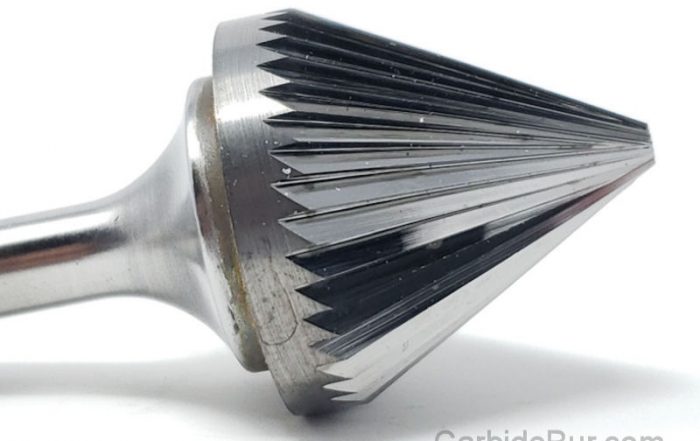
For finishing, a fine grit burr is your best friend. It smooths out rough edges and leaves a polished finish. Consider using a cone-shaped burr for detailed work. This tool helps you reach tight spots and achieve a flawless result.
Deburring Tools for Smooth Edges
Deburring is crucial for a clean, professional look. Use a cone or oval-shaped burr for deburring. These shapes are ideal for removing sharp edges and leaving a smooth finish. For more deburring tips, explore the different types of carbide burrs.
Tips for Optimal Performance
You’ve learned the techniques, now let’s focus on maintaining your tools and ensuring safety. These tips will keep your tools in top shape and you safe.
Maintaining Your Carbide Burrs
Regular maintenance of your carbide burrs is essential. Clean them after each use to remove debris and dust. Store them in a dry place to prevent rust. With proper care, your tools will last longer and perform better.
Safety Precautions to Consider
Safety should always be a priority. Wear safety goggles to protect your eyes from flying debris. Use gloves to shield your hands from sharp edges. Always maintain a firm grip on your tool to prevent accidents.
Enhancing Tool Lifespan
To extend the lifespan of your tools, avoid overheating them. Take breaks during use and apply coolant when necessary. Regularly inspect your tools for wear and replace them as needed to ensure optimal performance.
By understanding the basics and overcoming challenges, you’re now equipped to tackle any cast iron project with confidence. Keep these insights in mind, and you’ll be shaping, finishing, and deburring like a pro in no time.
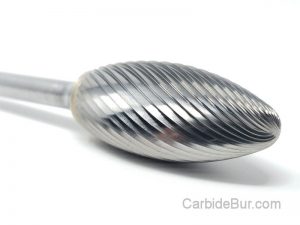
Looking for Carbide Bur Tools?
Check out our entire selection of USA made carbide bur die grinder tool bits
Follow us on Twitter

Return to CarbideBur.com
Carbide Burs – 1/4″ on 1/8″ Shanks – Accessories – Aluminum Cut – Bur Sets – End Mills – Long Shank – Solid Burs
How to Use a Carbide Burr With a Die Grinder
How to Use a Carbide Burr With a Die Grinder Most people treat a carbide burr like just another tool, but using it with a die grinder takes skill. If you’ve struggled with burr installation [...]
1/8 vs 1/4 Inch Carbide Burrs: What’s the Difference?
1/8 vs 1/4 Inch Carbide Burrs: What's the Difference? Choosing between a 1/8 inch carbide burr and a 1/4 inch carbide burr can change how your project turns out. Many machinists and hobbyists overlook how [...]
Best Carbide Burr for Removing Flash From Castings
Best Carbide Burr for Removing Flash From Castings Removing flash from castings is a task that can slow down your entire metalworking process if you don’t have the right tools. Picking the best carbide burr [...]
What RPM Should You Use for a 1/4 Inch Carbide Burr?
What RPM Should You Use for a 1/4 Inch Carbide Burr? Most machinists guess the right speed for a 1/4 inch carbide burr and hope for the best. Using the wrong carbide burr RPM can [...]
Long Shank Carbide Burrs: When Do You Need One?
Long Shank Carbide Burrs: When Do You Need One? Most machinists overlook the power of long shank carbide burrs until a project demands precision in tight spaces. When your usual tools can’t reach intricate contours, [...]
How Deep Can a Carbide Burr Cut Metal?
How Deep Can a Carbide Burr Cut Metal? Carbide burrs often get praised for their precision, but many users hit a wall wondering how deep they can actually cut metal. The truth is, cutting depth [...]
How to Use Carbide Burrs for Port Matching
How to Use Carbide Burrs for Port Matching Most engine builds hit a wall when airflow doesn’t flow smoothly between the ports and manifolds. If your engine isn’t breathing right, your performance stalls. Using the [...]
Best Carbide Burr for Porting Intake Manifolds
Best Carbide Burr for Porting Intake Manifolds Porting intake manifolds can make or break your engine’s airflow, yet many struggle with the right tools for the job. Choosing the best carbide burrs is key to [...]
Best Carbide Burr for Concave Surfaces
Best Carbide Burr for Concave Surfaces Concave surfaces can turn a straightforward project into a frustrating challenge if you don’t have the right tool. Carbide burrs designed for these tricky curves make all the difference [...]
How to Grind a Slot in Metal With a Carbide Burr
How to Grind a Slot in Metal With a Carbide Burr Grinding a precise slot in metal can feel like a tricky task, especially if you’re unsure which tools to trust. Carbide burr grinding offers [...]

Best Carbide Burr for Inside Corners
Best Carbide Burr for Inside Corners Working in tight inside corners can turn even simple projects into frustrating tasks. Many carbide burrs just don’t fit or cut cleanly where you need them most. The best [...]
What Size Carbide Burr Do I Need?
What Size Carbide Burr Do I Need? Picking the wrong carbide burr can turn a simple project into a frustrating mess. You might have the best machining tools but still miss the mark if your [...]
