
Choosing the Right Carbide Burs for Deburring: A Metalworker’s Guide
Picking the wrong carbide burs can turn a quick deburring job into a frustrating mess. If your edges still feel rough or your holes aren’t clean, the shape of your burr is likely the culprit. Knowing which carbide burr shapes for deburring suit flat surfaces, tight corners, or chamfered edges can save you time and improve your finish. Let’s break down the best options so your metalworking tools work as hard as you do. Check out more about choosing the right deburring tools here.
Click here to see our entire selection of USA made carbide bur tools
Essential Carbide Burs for Deburring
When tackling metalworking projects, choosing the right tool is crucial. Let’s explore how specific burr shapes can enhance your work.
Cylinder Burs for Flat Surfaces
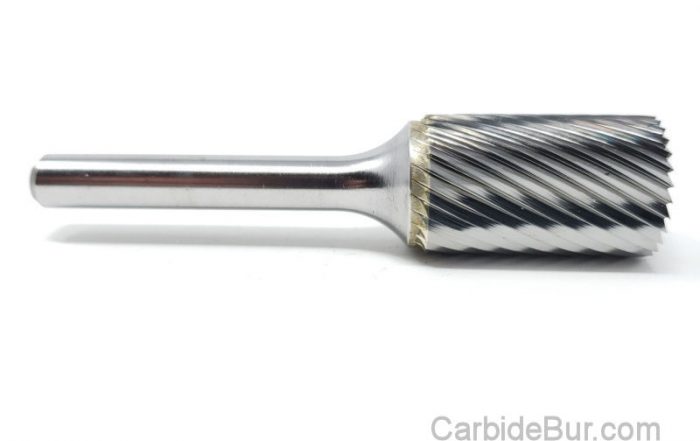
Cylinder burs excel on flat and straight surfaces. These are your go-to for smoothing out edges or flattening a surface. With cylinder burs, you can glide across metal effortlessly, ensuring a polished finish.
The long sides of the cylinder allow for even pressure distribution. This makes them ideal for jobs where uniformity is key. If you’re dealing with larger surface areas, these burs provide the coverage needed to speed up the process. For more on how these tools can enhance your efficiency, check out this guide.
Ball Burs for Concave Areas
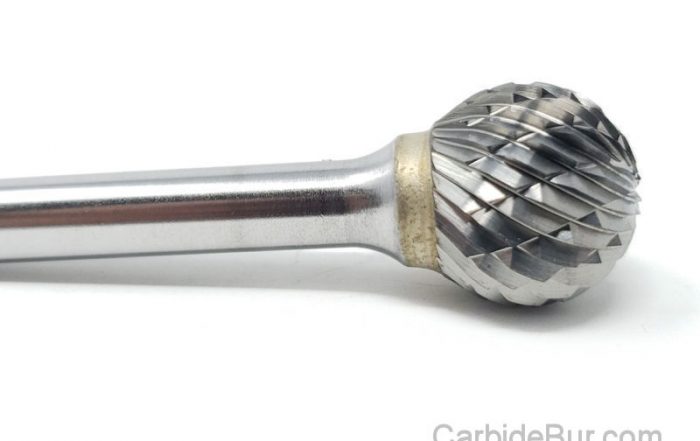
When working with curved surfaces, ball burs are essential. Their spherical shape fits snugly into concave spots, allowing for a smooth, consistent finish. This shape is especially useful for hole deburring, where precision is necessary.
Ball burs can navigate tight curves, ensuring no spot is left untouched. For machinists working with complex shapes, these are invaluable. Their versatility makes them a staple in any metalworking tools set. Most people assume they need specialized tools for every curve, but ball burs prove otherwise.
Tree Burs for Tight Corners
Navigating tight corners can be tricky, but tree burs make it manageable. Their pointed ends allow for precision in hard-to-reach spots. When internal corners need attention, tree burs shine.
These burs are perfect for intricate designs where detail matters. Their ability to reach into small spaces without compromising on finish is unmatched. With tree burs, you can maintain the integrity of your design while ensuring a smooth finish.
Choosing the Right Burr Shape
Selecting the perfect burr shape can drastically improve your workflow. Here’s how to make the right choice.
Cone Burs for Chamfering Edges
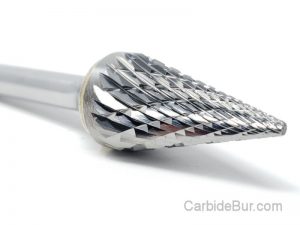
Chamfering requires precision, and cone burs deliver. Their tapered design allows for angled cuts, perfect for creating beveled edges. Cone burs ensure a clean, professional look every time.
With cone burs, you can achieve a consistent chamfer angle, which is crucial for component assembly. They provide the control needed for delicate operations, reducing the risk of overcutting.
Optimal Burr Shape Selection
Selecting the right burr shape can change the game. Consider the job at hand and the material you’re working with. Each shape offers unique benefits, so understanding their applications is key.
Whether you’re smoothing, shaping, or detailing, having the right carbide burr for deburring can save time and effort. Remember, the right tool not only enhances efficiency but also the quality of your work.
Matching Burrs to Workpiece Geometry
Matching your burr to the workpiece geometry is vital. Whether you’re working on aluminum or steel, the correct burr shape ensures precision. It’s not just about the shape but also the material compatibility.
Different metals require different approaches. By understanding your material and its properties, you can select the appropriate carbide burr shapes for deburring. This choice not only impacts the finish but also tool longevity. For insights on selecting the best burr for steel, visit this resource.
Practical Machining Tips
Master the art of machining with these practical tips. Each choice can enhance your results.
Double vs. Single Cut Burs
Understanding the difference between double and single cut burs can improve your results. Double cut carbide burrs offer a smoother finish and are perfect for harder materials. They reduce vibrations and provide better control.
In contrast, single cut carbide burrs are designed for softer metals. They remove material quickly, making them ideal for rapid stock removal. Knowing when to use each type can save you time and enhance your craftsmanship.
Selecting Burs for Different Metals
Each metal presents unique challenges. For example, using a carbide burr for aluminum deburring requires a different approach than steel. Aluminum demands a burr that prevents clogging, while steel needs one that maintains sharpness.
Selecting the right burr based on the metal ensures efficiency and a smooth finish. This selection not only enhances the quality but also extends tool life, reducing the need for frequent replacements. Discover more about the power of high-quality tools here.
Best Practices in Metalworking
Adopting best practices in metalworking can elevate your projects. Always ensure your tools are sharp and well-maintained. A dull tool not only affects the finish but also your efficiency.
Regular maintenance and understanding your tools’ capabilities can lead to superior results. It’s not just about having the right tools but using them effectively. Equip yourself with knowledge and the right tools to excel in every project.
In conclusion, the right carbide burs can transform your metalworking projects. By understanding and applying these insights, you ensure a seamless process and a polished finish every time.
Click here to see our entire selection of USA made carbide bur tools

Can You Use a Carbide Burr With an Electric Die Grinder?
Can You Use a Carbide Burr With an Electric Die Grinder? Most people don’t realize how much a carbide burr can change the way an electric die grinder works. Using the right burr type can [...]
How to Deburr Holes With a Carbide Burr
How to Deburr Holes With a Carbide Burr Most people think any tool will do for deburring holes. The truth is, using the right carbide burr with the correct size and shape changes everything. In [...]
How to Choose the Correct Carbide Burr Shank Size
How to Choose the Correct Carbide Burr Shank Size Many machinists lose hours troubleshooting tool issues caused by the wrong carbide burr shank size. Using a shank that doesn’t fit your grinder can lead to [...]
How to Remove Casting Flash With a Carbide Burr
How to Remove Casting Flash With a Carbide Burr Casting flash ruins the look and fit of your metal parts. You’ve tried sanding or grinding, but the results aren’t clean or fast enough. Learning how [...]
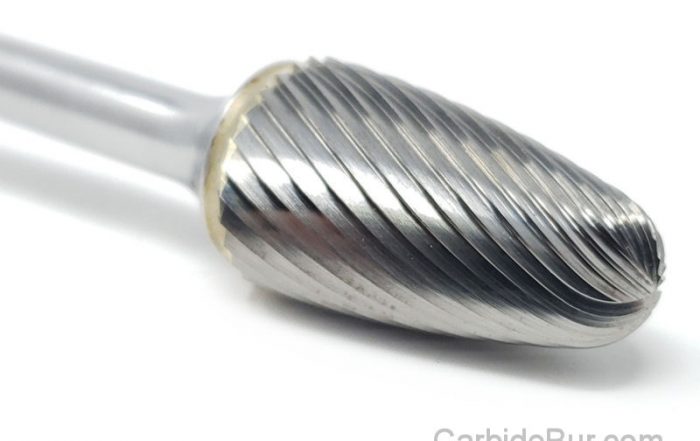
Best Carbide Burr for Enlarging a Hole in Metal
Best Carbide Burr for Enlarging a Hole in Metal When you need to enlarge a hole in metal, grabbing the wrong carbide burr can turn a simple task into a frustrating mess. Picking the best [...]
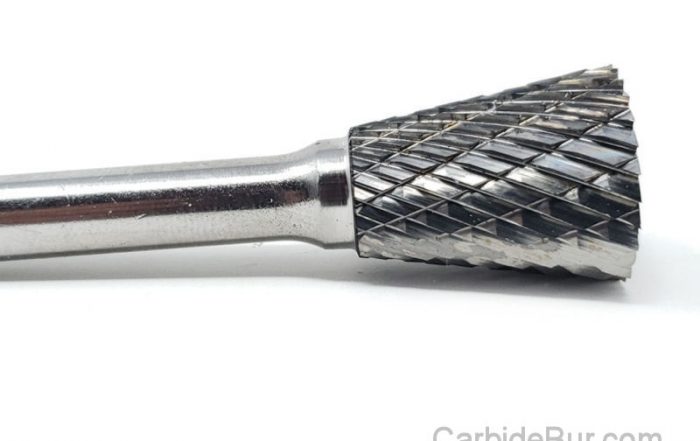
Carbide Burr Safety: 15 Mistakes That Can Cause Injury or Damage
Carbide Burr Safety: 15 Mistakes That Can Cause Injury or Damage Carbide burr safety is often overlooked until a costly mistake happens. Many metalworkers and DIYers make the same errors that lead to injuries or [...]
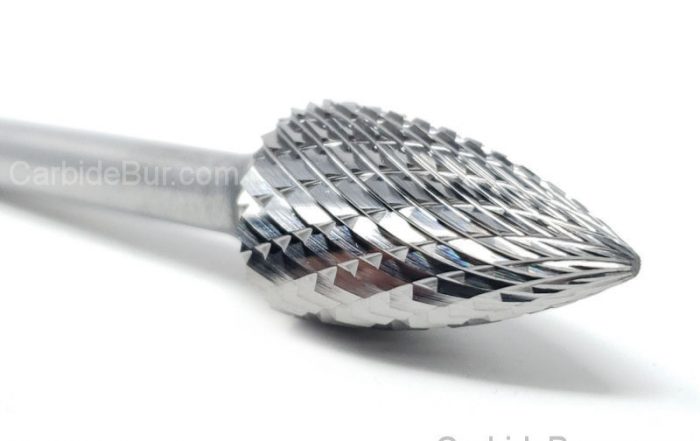
Can You Use a Carbide Burr in a Drill?
Can You Use a Carbide Burr in a Drill? Most people think a standard drill can’t handle a carbide burr, but that’s not true. Using carbide burr in the right drill can speed up your [...]
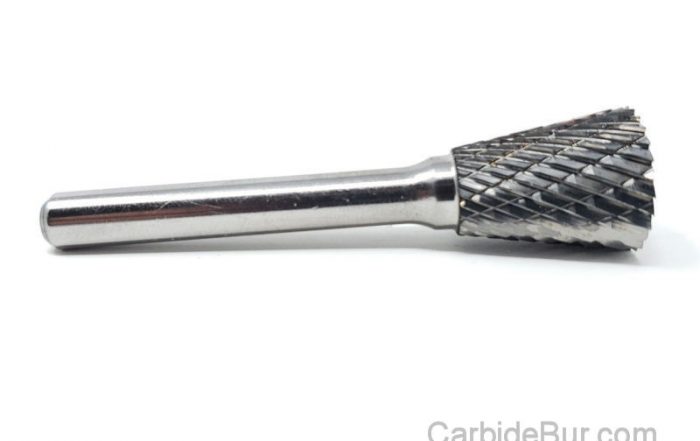
Carbide Burrs for Removing Rust: What Works Best?
Carbide Burrs for Removing Rust: What Works Best? Rust can turn your favorite tools into useless junk faster than you expect. Removing it without ruining the metal underneath takes more than just elbow grease—it demands [...]
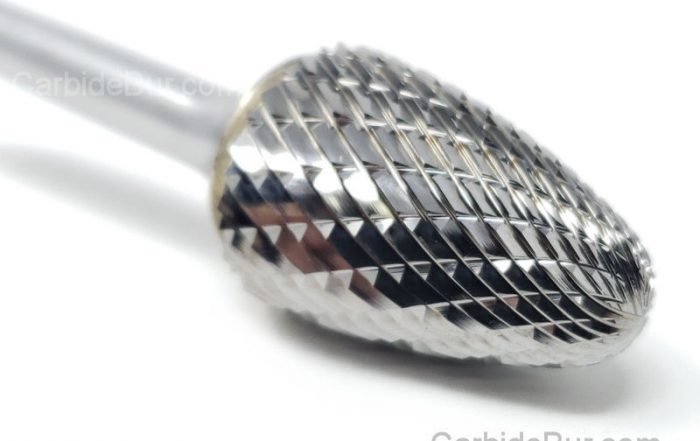
How Much Pressure Should You Use With a Carbide Burr?
How Much Pressure Should You Use With a Carbide Burr? Most people think pressing harder with a carbide burr speeds up the job. That’s not true—too much pressure wears out your tool and ruins the [...]
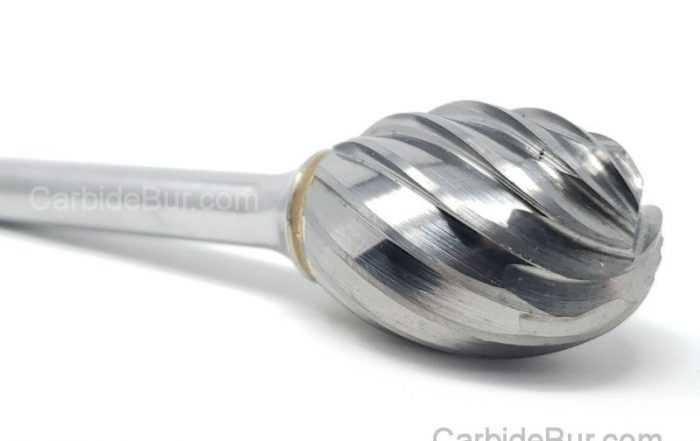
Can You Use Carbide Burrs With an Air Die Grinder?
Can You Use Carbide Burrs With an Air Die Grinder? Most people don’t realize how well carbide burrs work with air die grinders until they try them. If you’ve ever struggled with finding the right [...]
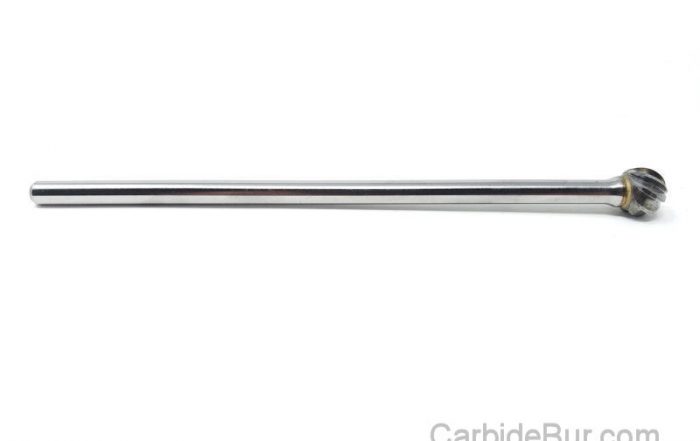
Best Long Reach Carbide Burr for Deep Metal Work
Best Long Reach Carbide Burr for Deep Metal Work Long reach carbide burrs often promise deep metal access, but many fall short where it counts most. You need a tool that cuts cleanly, lasts through [...]
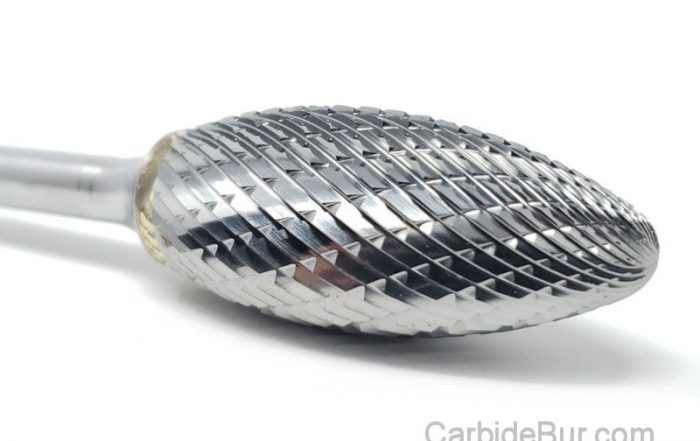
What RPM Should You Use for a 1/8 Inch Carbide Burr?
What RPM Should You Use for a 1/8 Inch Carbide Burr? Most people guess the right carbide burr RPM by feel—and waste hours redoing work. If you want cleaner cuts and longer tool life, your [...]
