
From Filing to Grinding: Choosing the Right Deburring Tools for Mild Steel
Deburring mild steel can feel like a guessing game when you’re not sure which tools to trust. Filing by hand might seem simple, but power tools offer speed with their own set of tricks. Knowing when to use manual deburring methods versus power tool deburring makes all the difference in achieving a smooth finish without damaging your metal. This guide breaks down each option so you can pick the right deburring tools for your mild steel fabrication and get your project looking sharp and safe. For more insights, visit this guide.
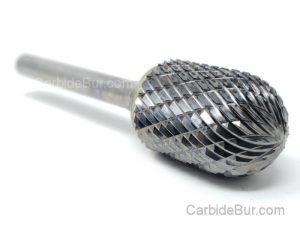
Have you tried our Carbide Burs for your job?
Understanding Deburring Techniques
Selecting the right deburring method is key to successful mild steel fabrication. Let’s explore manual and power tool options to help you make informed decisions.
Manual Deburring Methods
Filing by hand is a classic approach. It’s straightforward: you control each stroke, ensuring precision. This method is perfect for small projects or when working on intricate details. Using abrasive pads can also help, offering a gentle touch for delicate surfaces.
-
Precision Control: Perfect for detailed work.
-
Cost-Effective: Minimal tools required.
But manual methods can be time-consuming. If you’re working on larger pieces, manual methods may not be the most practical choice. This is where power tools come in handy.
Power Tool Deburring Options
Power tool deburring saves you time. Rotary burrs, for example, can quickly smooth large areas. Grinders bring speed to the table, ideal for handling hefty projects. They require skill to avoid over-deburring, but their efficiency can’t be overlooked.
-
Speed: Complete projects faster.
-
Efficiency: Ideal for large surfaces.
Though powerful, these tools require care to maintain the metal’s integrity. Proper training ensures safety and precision.
Tools for Mild Steel Fabrication
With a grasp of techniques, let’s dive into the tools essential for mild steel fabrication.
Essential Deburring Tools
Every metalworker’s toolkit should include a variety of deburring tools. Files and abrasive pads handle small imperfections, while rotary burrs tackle tougher jobs. A well-stocked toolbox means you’re prepared for any project.
-
Files and Pads: Handle fine details.
-
Rotary Burrs: Tackle tougher jobs.
Your choice of tools impacts your results. Investing in quality tools pays off in the long run.
Choosing the Right Grinder
Grinders are a staple in metalworking. But not all grinders are created equal. Consider the size and power of the grinder concerning your project size. A small bench grinder might suit minor tasks, while larger projects demand a more robust machine.
-
Size Matters: Match your grinder to your project.
-
Power and Precision: Balance speed with control.
Selecting the right grinder ensures you achieve a smooth finish without sacrificing control.
Achieving a Smooth Finish
Now that you have the right tools, let’s focus on techniques for achieving a smooth finish.
Tips for Metal Surface Finishing
Smooth finishes require the right touch. Start with coarse abrasives and gradually move to finer ones. This step-by-step approach prevents scratches and ensures a polished look.
-
Gradual Approach: Move from coarse to fine.
-
Avoid Scratches: Gentle pressure is key.
Mastering this technique elevates your project’s quality, making it stand out.

Maintaining Steel Integrity
Preserving the integrity of mild steel is crucial. Excessive force or incorrect tool use can damage the metal. Always keep your tools sharp and clean for the best results.
-
Tool Maintenance: Sharp tools work best.
-
Gentle Techniques: Protect the metal’s surface.
By maintaining your tools and using gentle techniques, you ensure your mild steel remains strong and durable.
Safety and Efficiency in Metalworking
Safety is paramount. Protecting your workspace and streamlining your process ensures a safe and efficient environment for your metalworking techniques.
Protecting Your Workspace
A tidy workspace is a safe workspace. Keep tools organized and floors clear of debris. Use protective gear like gloves and goggles to safeguard yourself from potential hazards.
-
Organization: Keep your workspace tidy.
-
Protective Gear: Safety goggles and gloves are a must.
Creating a safe workspace allows you to focus on the task without distractions.
Streamlining Your Process
Efficiency is key to productivity. Arrange your tools for easy access, and set up your workspace to minimize unnecessary movements. This setup saves time and boosts your workflow.
-
Tool Arrangement: Easy access boosts efficiency.
-
Workspace Setup: Minimize unnecessary movements.
An efficient setup means your projects move forward smoothly, without unnecessary delays.
Enhancing Metalworking Projects
Improving the quality of your projects through deburring can be a game-changer. Let’s focus on how to elevate your work and prioritize safety.
Improving Quality with Deburring
Deburring is more than just smoothing edges. It enhances the overall quality of your project, making it more professional. Clients and peers will notice the difference.
-
Professional Finish: Deburring elevates quality.
-
Client Impressions: A smooth finish speaks volumes.
By prioritizing deburring, you ensure your work stands out in a competitive market.
Safety Considerations in Fabrication
Safety is an ongoing commitment. Regularly inspect your tools and replace any that are worn out. Stay updated with safety protocols and never compromise on protective gear.
-
Tool Inspection: Regular checks prevent accidents.
-
Stay Updated: Keep abreast of safety protocols.
By maintaining a focus on safety, you protect both yourself and your projects, ensuring long-term success in your metalworking endeavors.
This comprehensive guide has equipped you with the skills needed to tackle mild steel deburring confidently. The right tools and techniques ensure your projects are not only smooth but also professional and safe. Remember, the longer you wait to refine your skills, the more challenging projects may become. Dive in today for better results tomorrow.
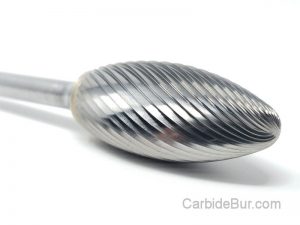
Looking for Carbide Bur Tools?
Check out our entire selection of USA made carbide bur die grinder tool bits
Follow us on Twitter

Return to CarbideBur.com
Carbide Burs – 1/4″ on 1/8″ Shanks – Accessories – Aluminum Cut – Bur Sets – End Mills – Long Shank – Solid Burs
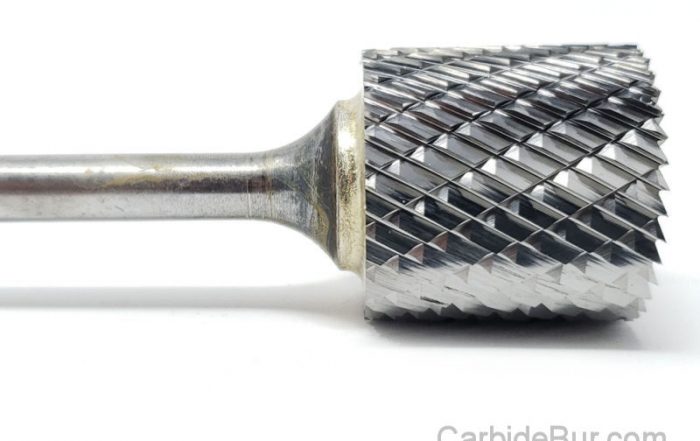
Can Carbide Burrs Cut Through Welds?
Can Carbide Burrs Cut Through Welds? Cutting through welds can feel like a battle, especially when you need clean results without harming the base metal. Carbide burrs offer a sharp edge in this fight, but [...]
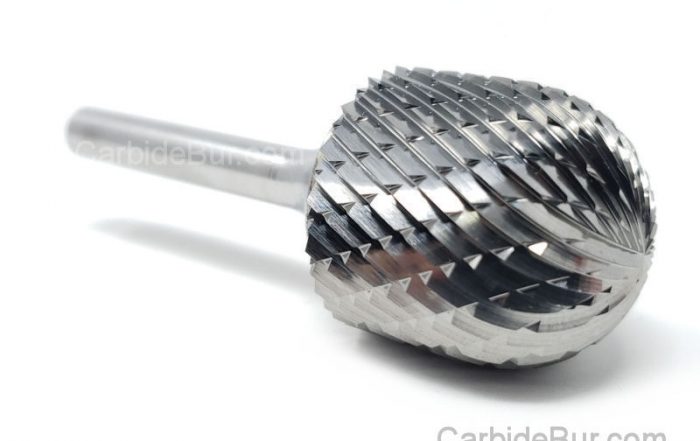
How to Use a Carbide Burr With a Die Grinder
How to Use a Carbide Burr With a Die Grinder Most people treat a carbide burr like just another tool, but using it with a die grinder takes skill. If you’ve struggled with burr installation [...]
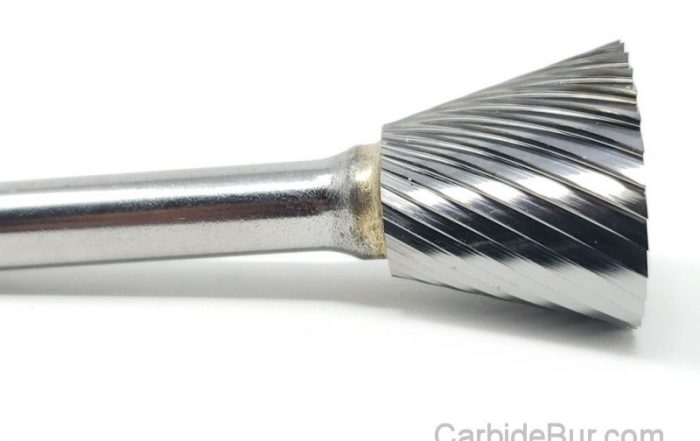
1/8 vs 1/4 Inch Carbide Burrs: What’s the Difference?
1/8 vs 1/4 Inch Carbide Burrs: What's the Difference? Choosing between a 1/8 inch carbide burr and a 1/4 inch carbide burr can change how your project turns out. Many machinists and hobbyists overlook how [...]
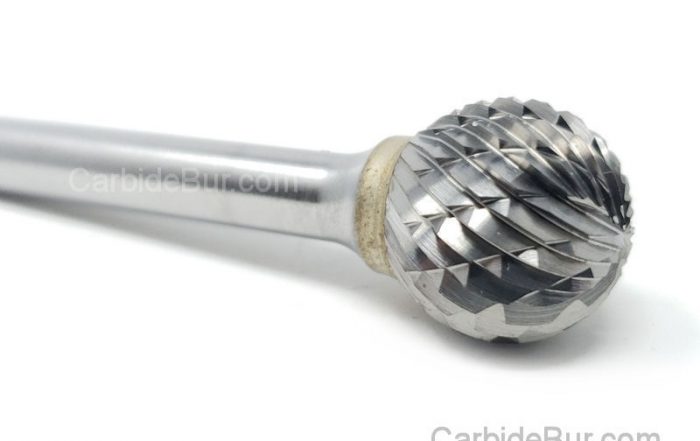
Best Carbide Burr for Removing Flash From Castings
Best Carbide Burr for Removing Flash From Castings Removing flash from castings is a task that can slow down your entire metalworking process if you don’t have the right tools. Picking the best carbide burr [...]
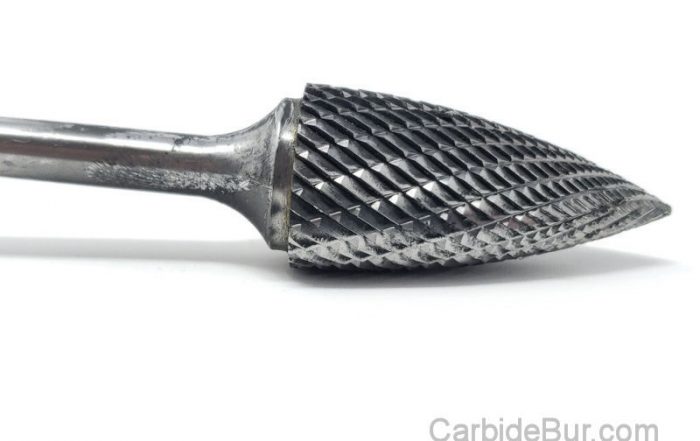
What RPM Should You Use for a 1/4 Inch Carbide Burr?
What RPM Should You Use for a 1/4 Inch Carbide Burr? Most machinists guess the right speed for a 1/4 inch carbide burr and hope for the best. Using the wrong carbide burr RPM can [...]
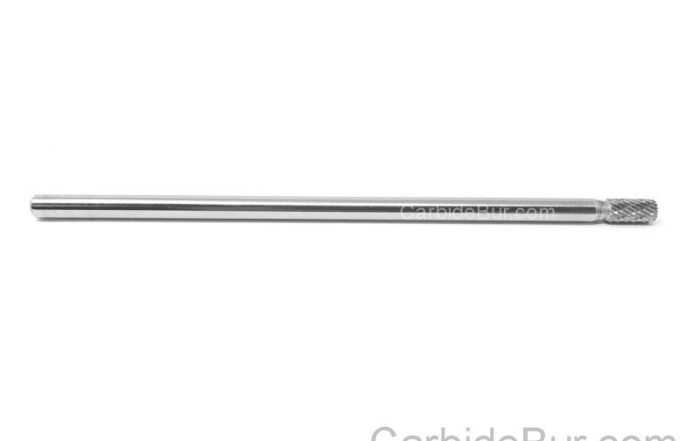
Long Shank Carbide Burrs: When Do You Need One?
Long Shank Carbide Burrs: When Do You Need One? Most machinists overlook the power of long shank carbide burrs until a project demands precision in tight spaces. When your usual tools can’t reach intricate contours, [...]
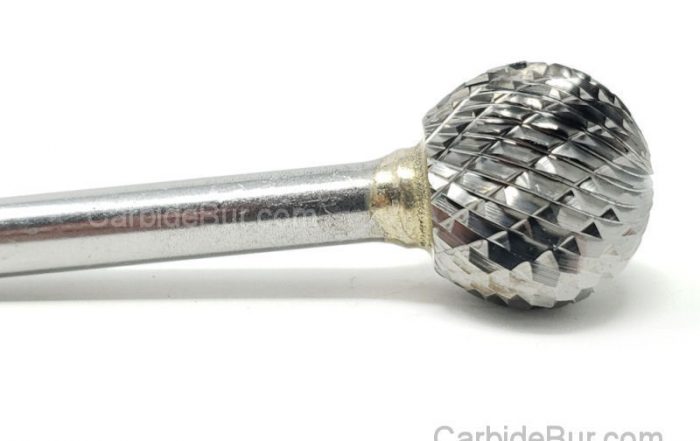
How Deep Can a Carbide Burr Cut Metal?
How Deep Can a Carbide Burr Cut Metal? Carbide burrs often get praised for their precision, but many users hit a wall wondering how deep they can actually cut metal. The truth is, cutting depth [...]
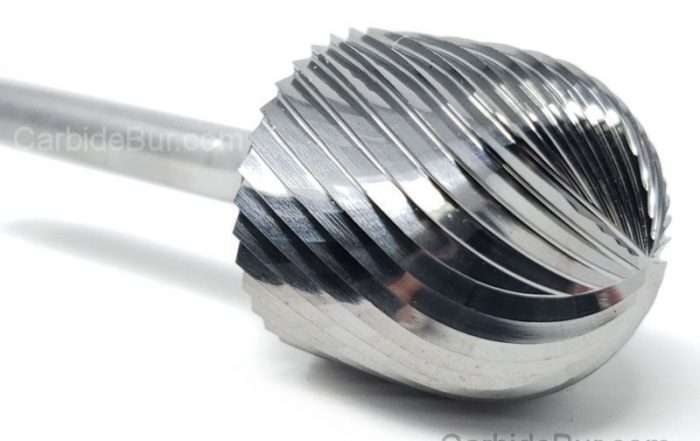
How to Use Carbide Burrs for Port Matching
How to Use Carbide Burrs for Port Matching Most engine builds hit a wall when airflow doesn’t flow smoothly between the ports and manifolds. If your engine isn’t breathing right, your performance stalls. Using the [...]
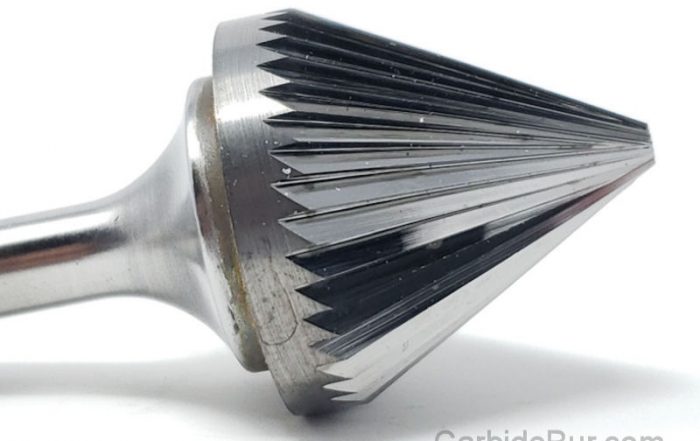
Best Carbide Burr for Porting Intake Manifolds
Best Carbide Burr for Porting Intake Manifolds Porting intake manifolds can make or break your engine’s airflow, yet many struggle with the right tools for the job. Choosing the best carbide burrs is key to [...]
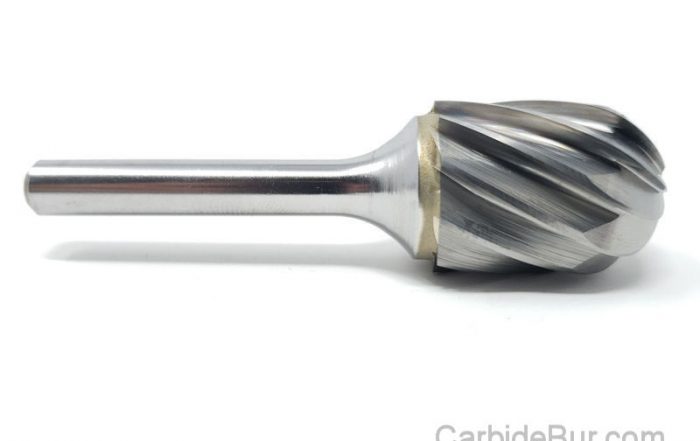
Best Carbide Burr for Concave Surfaces
Best Carbide Burr for Concave Surfaces Concave surfaces can turn a straightforward project into a frustrating challenge if you don’t have the right tool. Carbide burrs designed for these tricky curves make all the difference [...]
How to Grind a Slot in Metal With a Carbide Burr
How to Grind a Slot in Metal With a Carbide Burr Grinding a precise slot in metal can feel like a tricky task, especially if you’re unsure which tools to trust. Carbide burr grinding offers [...]

Best Carbide Burr for Inside Corners
Best Carbide Burr for Inside Corners Working in tight inside corners can turn even simple projects into frustrating tasks. Many carbide burrs just don’t fit or cut cleanly where you need them most. The best [...]
