
Enhance Your Engine’s Airflow: A Deep Dive into Burr Types for Cylinder Head Porting
Most people think all carbide burrs work the same for porting cylinder heads. The truth is, choosing the right burr shapes and sizes changes how your engine breathes and performs. In this post, you’ll learn which burr types for engines deliver precise material removal and boost airflow, helping you get the most from your cylinder head optimization efforts. For more insights, visit this guide.
Have you tried our Carbide Burs for your job?
Understanding Cylinder Head Porting
Cylinder head porting is more than just technical jargon; it’s a game changer for engine enthusiasts. By refining how air flows through your engine, you can unlock new levels of power and efficiency.
Importance of Airflow Optimization
Improving airflow is crucial for engine efficiency. More airflow means better combustion, leading to increased power output. When you optimize airflow, your engine performs at its best, giving you that thrilling edge you’re after. Picture air moving smoothly through a streamlined tunnel, maximizing speed with minimal resistance.
Impact on Engine Performance
The impact on your engine’s performance is significant. A well-ported cylinder head increases horsepower, allowing your vehicle to run more smoothly. With optimized airflow, your engine responds better to acceleration, giving you a more dynamic driving experience. This is not just about speed; it’s about precision and reliability. For a comprehensive discussion on this topic, check out this forum.
Exploring Carbide Burr Types
Choosing the right burr is a critical step in porting. With different shapes and sizes available, each burr offers unique benefits for specific tasks. Let’s explore how each type can enhance your porting project.
Flame, Tapered, and Ball Burrs
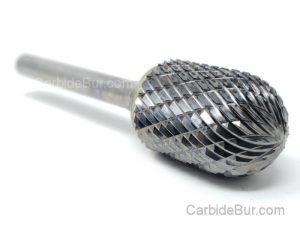
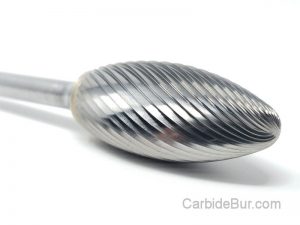
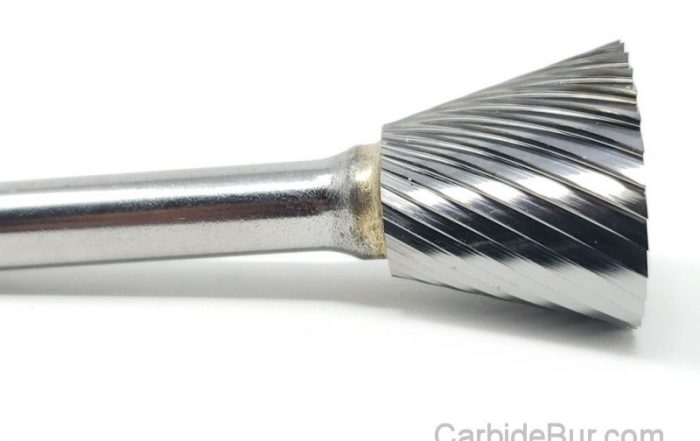
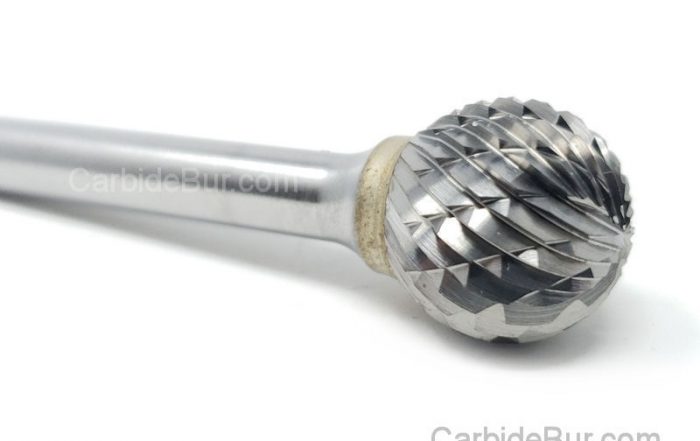
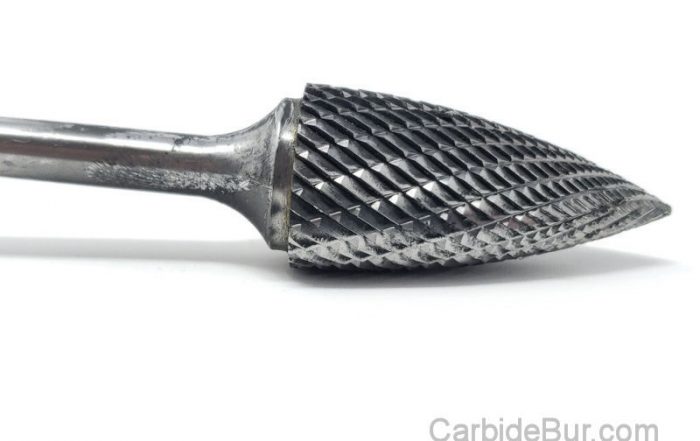
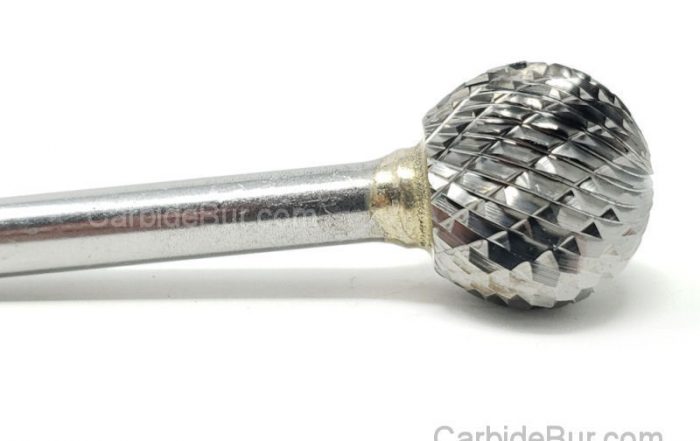
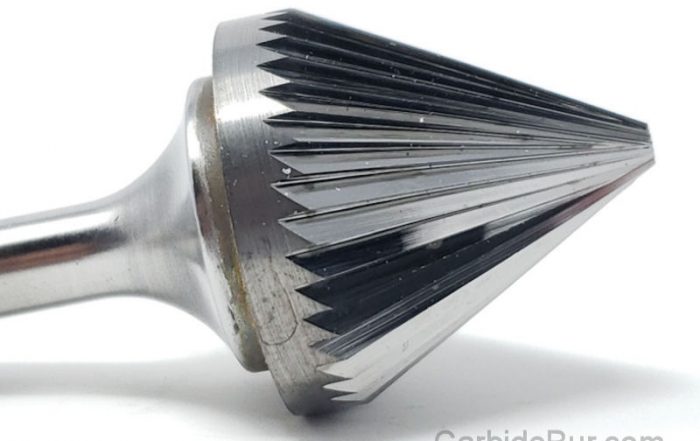
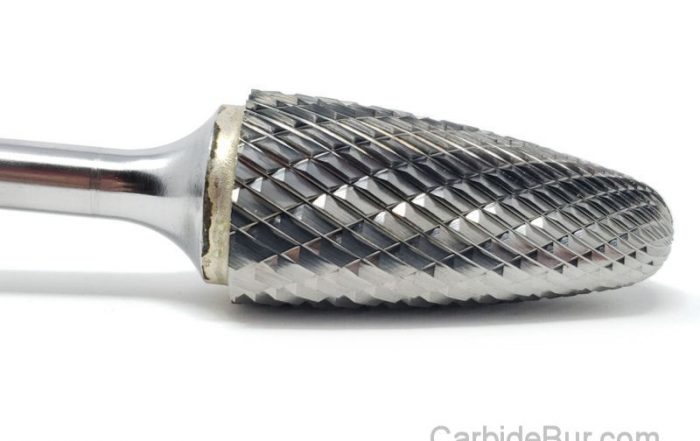
Flame burrs are excellent for creating smooth curves. They help in achieving a refined finish, especially in tight spots. Tapered burrs are perfect for enlarging ports with precision, providing control over depth and angle. Ball burrs are versatile, ideal for tackling broader areas and smoothing out surfaces. Each shape serves a purpose, and knowing which one to use can significantly impact your results. For specific burr types, see this product.
Choosing the Right Shape
Selecting the right shape depends on your specific needs. Consider the areas you need to modify: tight corners, broad surfaces, or intricate curves. Each shape is designed to handle different challenges. For advice on choosing the right burr, refer to this discussion.
Selecting the Best Burrs for Porting
Now that you understand the types, let’s consider other factors to ensure you select the best burrs for your project.
Consider Material Hardness
Material hardness is a key factor in selecting burrs. Harder materials require burrs made from stronger compounds to maintain efficiency and longevity. Your choice can affect the quality of your porting and the lifespan of your tools. Make sure your burrs are up to the task by considering the material’s toughness.
Aligning with Porting Goals
Your porting goals dictate the type of burrs you should use. Are you aiming for smoother airflow or increasing port size? Each objective requires different tools. Define your goals clearly to choose the burrs that align with your desired outcomes. This planning stage is crucial for achieving optimal results.

Effective Material Removal Techniques
Having the right burrs is just the start. Effective techniques ensure your porting efforts deliver the best engine performance.
Enhancing Cylinder Head Optimization
To enhance cylinder head optimization, use steady, controlled movements. This approach prevents over-removal of material and helps you maintain precision. A consistent technique leads to smoother airflow and better engine efficiency. Remember, patience is key here for achieving a clean finish.
Improving Power and Output
The goal is not just to remove material but to improve power and output. By carefully shaping the cylinder head with the right burrs, you enhance combustion efficiency, resulting in greater horsepower. This direct connection between burr use and engine performance makes mastering your technique vital.
Tips for DIY Enthusiasts
For those who love getting hands-on, these tips will set you on the path to successful porting.
Tools for Successful Porting
Invest in quality tools to ensure success. A reliable die grinder and a set of varied burrs are essential. These tools give you the precision and versatility needed for effective porting. A well-equipped toolkit is your best ally. For a deeper dive into tool selection, visit this forum.
Safety Precautions and Practices
Safety should never be an afterthought. Wear protective gear, such as goggles and gloves, and work in a well-ventilated area. These practices protect you from debris and fumes, ensuring a safe working environment. Prioritizing safety allows you to focus on achieving the best results without unnecessary risks.
Understanding the nuances of burr selection and material removal can transform your engine’s performance. With the right knowledge and tools, you’re well-equipped to enhance your engine’s efficiency and power.
Looking for Carbide Bur Tools?
Check out our entire selection of USA made carbide bur die grinder tool bits
Follow us on Twitter

Return to CarbideBur.com
Carbide Burs – 1/4″ on 1/8″ Shanks – Accessories – Aluminum Cut – Bur Sets – End Mills – Long Shank – Solid Burs
Can Carbide Burrs Cut Through Welds?
Can Carbide Burrs Cut Through Welds? Cutting through welds can feel like a battle, especially when you need clean results without harming the base metal. Carbide burrs offer a sharp edge in this fight, but [...]
How to Use a Carbide Burr With a Die Grinder
How to Use a Carbide Burr With a Die Grinder Most people treat a carbide burr like just another tool, but using it with a die grinder takes skill. If you’ve struggled with burr installation [...]
1/8 vs 1/4 Inch Carbide Burrs: What’s the Difference?
1/8 vs 1/4 Inch Carbide Burrs: What's the Difference? Choosing between a 1/8 inch carbide burr and a 1/4 inch carbide burr can change how your project turns out. Many machinists and hobbyists overlook how [...]
Best Carbide Burr for Removing Flash From Castings
Best Carbide Burr for Removing Flash From Castings Removing flash from castings is a task that can slow down your entire metalworking process if you don’t have the right tools. Picking the best carbide burr [...]
What RPM Should You Use for a 1/4 Inch Carbide Burr?
What RPM Should You Use for a 1/4 Inch Carbide Burr? Most machinists guess the right speed for a 1/4 inch carbide burr and hope for the best. Using the wrong carbide burr RPM can [...]
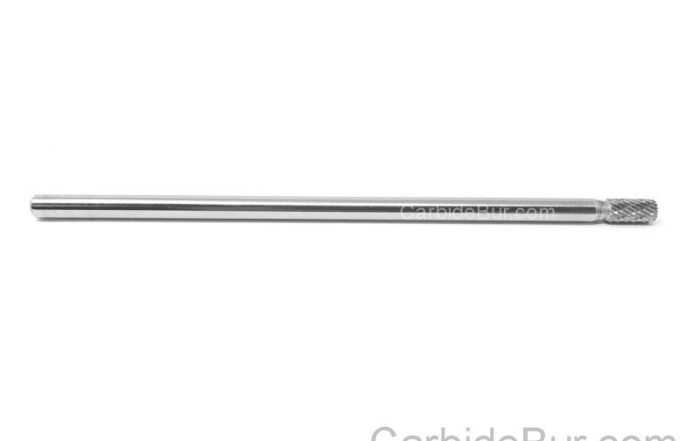
Long Shank Carbide Burrs: When Do You Need One?
Long Shank Carbide Burrs: When Do You Need One? Most machinists overlook the power of long shank carbide burrs until a project demands precision in tight spaces. When your usual tools can’t reach intricate contours, [...]
How Deep Can a Carbide Burr Cut Metal?
How Deep Can a Carbide Burr Cut Metal? Carbide burrs often get praised for their precision, but many users hit a wall wondering how deep they can actually cut metal. The truth is, cutting depth [...]
How to Use Carbide Burrs for Port Matching
How to Use Carbide Burrs for Port Matching Most engine builds hit a wall when airflow doesn’t flow smoothly between the ports and manifolds. If your engine isn’t breathing right, your performance stalls. Using the [...]
Best Carbide Burr for Porting Intake Manifolds
Best Carbide Burr for Porting Intake Manifolds Porting intake manifolds can make or break your engine’s airflow, yet many struggle with the right tools for the job. Choosing the best carbide burrs is key to [...]
Best Carbide Burr for Concave Surfaces
Best Carbide Burr for Concave Surfaces Concave surfaces can turn a straightforward project into a frustrating challenge if you don’t have the right tool. Carbide burrs designed for these tricky curves make all the difference [...]
How to Grind a Slot in Metal With a Carbide Burr
How to Grind a Slot in Metal With a Carbide Burr Grinding a precise slot in metal can feel like a tricky task, especially if you’re unsure which tools to trust. Carbide burr grinding offers [...]

Best Carbide Burr for Inside Corners
Best Carbide Burr for Inside Corners Working in tight inside corners can turn even simple projects into frustrating tasks. Many carbide burrs just don’t fit or cut cleanly where you need them most. The best [...]
