
Step-by-Step Guide to Perfect Exhaust Pipe Cleaning and Maintenance
Welding exhaust pipes can leave behind rough, uneven welds that hurt both looks and performance. If you’re tired of struggling with messy welds that don’t sit right, you’re not alone. This guide breaks down how to clean welds using simple exhaust welding techniques and the right tools like a carbide burr, so your pipes look sharp and work smoothly. Let’s get into the weld finish tips that will change your automotive maintenance game. Check out this helpful guide for more information on using carbide burs effectively.
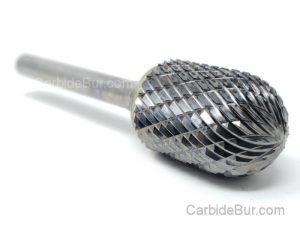
Have you tried our Carbide Burs for your job?
Understanding Exhaust Pipe Cleaning
Exhaust pipe cleaning is crucial for maintaining both the appearance and performance of your vehicle. By understanding the basics of this process, you can ensure your exhaust system remains in top condition.
Importance of Regular Maintenance
Regular maintenance of your exhaust system can prevent serious issues and extend the life of your vehicle. Over time, grime and dirt build up, which can lead to corrosion and reduced efficiency. By cleaning your exhaust pipes routinely, you maintain optimal performance and avoid expensive repairs. Imagine noticing a drop in your car’s performance only to find out a simple cleaning could have prevented it. Don’t fall into that trap.
Tools Needed for the Job
Having the right tools makes cleaning your exhaust pipes easier and more effective. Key tools include a wire brush, a carbide burr, and cleaning agents like degreasers. The carbide burr is especially useful for smoothing welds and removing tough residue. A wire brush helps scrub away surface dirt, while degreasers tackle oily deposits. With these tools, you’re well-equipped for a thorough cleaning.
Safety Precautions
Safety should always be your priority when working on your vehicle. Ensure you wear gloves, goggles, and a mask to protect against debris and fumes. Work in a well-ventilated area to avoid inhaling harmful substances. By taking these precautions, you safeguard your health while performing maintenance tasks. Remember: a clean exhaust is useless if you’re not safe.
Preparing for Cleaning
Preparation is key to successful exhaust pipe cleaning. By inspecting your system and setting up your workspace, you lay the groundwork for an efficient process.
Inspecting the Exhaust System
Before you start cleaning, inspect your exhaust system for any visible damage or leaks. Look for cracks, rust, and loose connections that need addressing. A quick inspection helps you identify problem areas and ensures that cleaning efforts aren’t wasted on parts that need repair. This step can save you time and money by catching issues early.
Gathering Essential Supplies
Gather all necessary supplies before you begin cleaning. This includes your wire brush, carbide burr, degreaser, and safety gear. Having everything on hand prevents interruptions and keeps you focused on the task. Ensure your supplies are in good condition, as worn-out tools can lead to ineffective cleaning.
Setting Up a Safe Workspace
A well-organized workspace enhances your efficiency and safety. Clear the area of clutter and ensure good lighting. Keep your tools within easy reach to minimize movement and distractions. A safe workspace not only protects you but also ensures a smoother workflow. Remember, organization is half the battle.
Step-by-Step Cleaning Process
Now that you’re prepared, it’s time to dive into the cleaning process. Following these steps will help you achieve a spotless exhaust system.

Removing Surface Dirt and Grime
Start by removing surface dirt and grime from your exhaust pipes. Use a wire brush to scrub away loose particles and debris. This initial step clears the way for more detailed cleaning and allows you to focus on stubborn residue later. By tackling surface grime first, you make the rest of the process more manageable.
Cleaning Welds for a Smooth Finish
For a smooth finish, focus on cleaning the welds. Use a carbide burr to remove any rough edges and leftover welding residue. This tool is effective at smoothing out imperfections and enhancing the overall look. For a visual guide, check out this helpful video on using a carbide burr for weld cleaning. Achieving a smooth finish not only improves aesthetics but also performance.
Final Touches and Weld Finish Tips
After cleaning the welds, apply final touches to ensure your exhaust system looks and works great. Use a degreaser to remove any remaining residue and polish the pipes for a clean finish. This step enhances the overall appearance and helps prevent future buildup. For more tips, watch this short video for final touch ideas.
Maintenance and Care Tips
Keeping your exhaust system in top condition requires ongoing maintenance and care. These tips will help you maintain a clean and efficient exhaust system.
Regular Checks and Inspections
Perform regular checks and inspections to spot issues early. Look for signs of wear, rust, or damage and address them promptly. Regular inspections help prevent minor problems from becoming major repairs. By staying proactive, you ensure your vehicle remains in peak condition.
Using the Right Products
Using the right cleaning products can make a significant difference. Choose products specifically designed for automotive maintenance to ensure effectiveness. These products are formulated to tackle tough grime while protecting your vehicle’s components. Investing in quality products pays off in the long run.
Long-term Care Strategies
Develop long-term care strategies to maintain your exhaust system. Schedule regular cleanings and inspections, and replace worn parts as needed. By implementing these strategies, you extend the life of your exhaust system and enjoy better performance. Consistent care is key to avoiding costly repairs.
Troubleshooting Common Issues
Even with regular maintenance, issues can arise. Knowing how to troubleshoot common problems can save you time and frustration.
Identifying Problems Early
Identifying problems early is critical for effective troubleshooting. Listen for unusual noises and check for visible signs of wear. Early detection allows for quick fixes, preventing more severe issues. Don’t ignore small problems; they can escalate if left unaddressed.
Solutions for Stubborn Grime
Stubborn grime can be challenging to remove. Use specialized cleaning products and tools to tackle tough spots. Applying a bit more elbow grease with the right tools often does the trick. If grime persists, consider seeking advice from online forums where fellow enthusiasts share tips and experiences.
When to Seek Professional Help
Sometimes, seeking professional help is the best option. If you’re unable to resolve an issue or suspect a significant problem, consult a professional mechanic. They have the expertise and equipment to handle complex repairs. Don’t hesitate to seek help when needed; it ensures your vehicle’s safety and performance.
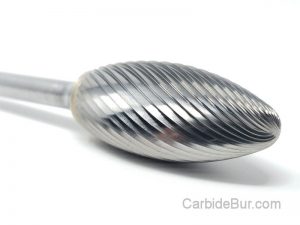
Looking for Carbide Bur Tools?
Check out our entire selection of USA made carbide bur die grinder tool bits
Follow us on Twitter

Return to CarbideBur.com
Carbide Burs – 1/4″ on 1/8″ Shanks – Accessories – Aluminum Cut – Bur Sets – End Mills – Long Shank – Solid Burs
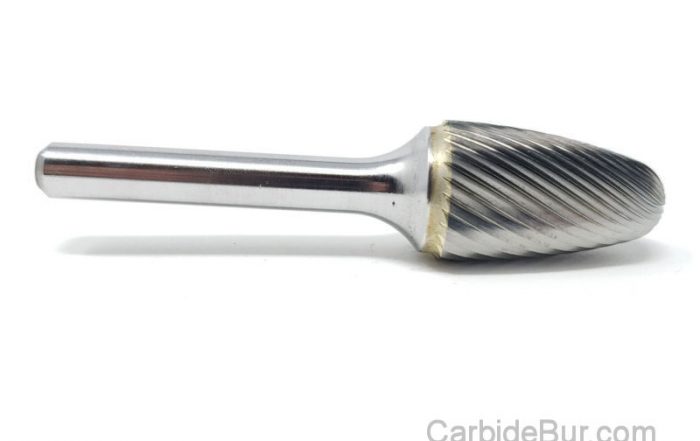
How to Grind a Groove in Metal With a Carbide Burr
How to Grind a Groove in Metal With a Carbide Burr Most metalworkers struggle to cut clean grooves without wasting time or ruining their workpiece. Many try different metalworking tools but end up with uneven [...]
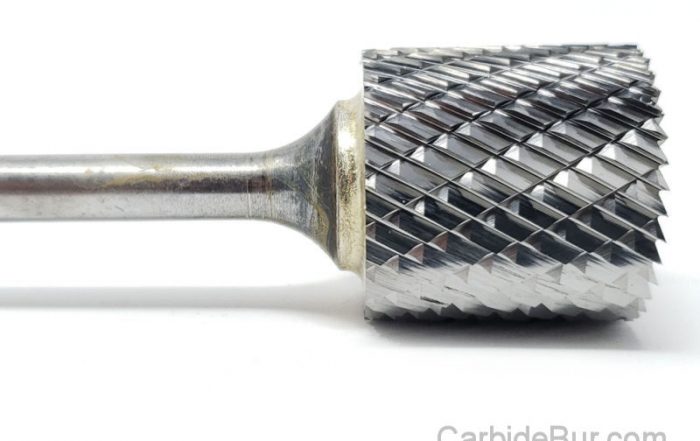
Can Carbide Burrs Cut Through Welds?
Can Carbide Burrs Cut Through Welds? Cutting through welds can feel like a battle, especially when you need clean results without harming the base metal. Carbide burrs offer a sharp edge in this fight, but [...]
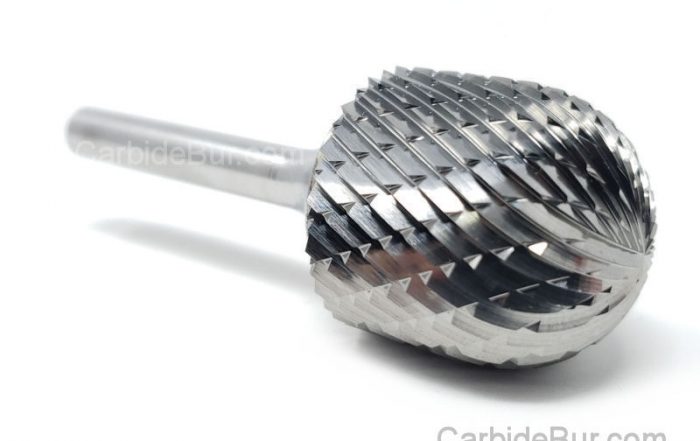
How to Use a Carbide Burr With a Die Grinder
How to Use a Carbide Burr With a Die Grinder Most people treat a carbide burr like just another tool, but using it with a die grinder takes skill. If you’ve struggled with burr installation [...]
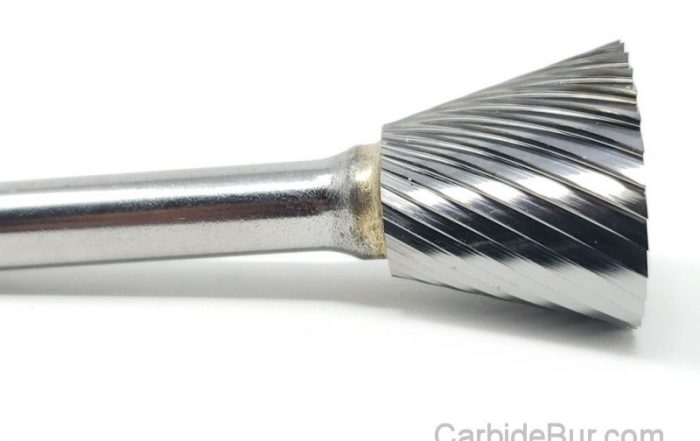
1/8 vs 1/4 Inch Carbide Burrs: What’s the Difference?
1/8 vs 1/4 Inch Carbide Burrs: What's the Difference? Choosing between a 1/8 inch carbide burr and a 1/4 inch carbide burr can change how your project turns out. Many machinists and hobbyists overlook how [...]
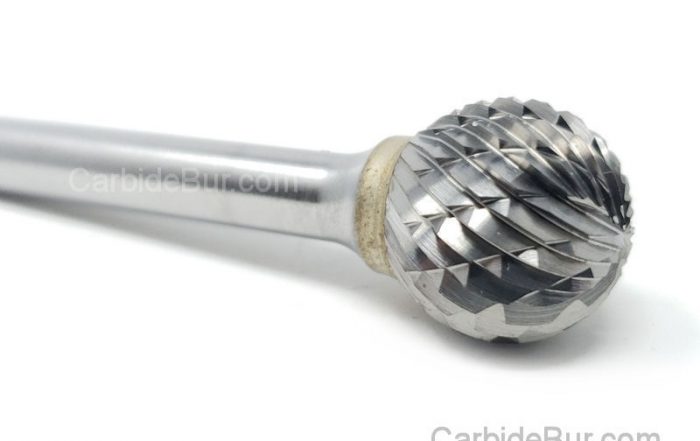
Best Carbide Burr for Removing Flash From Castings
Best Carbide Burr for Removing Flash From Castings Removing flash from castings is a task that can slow down your entire metalworking process if you don’t have the right tools. Picking the best carbide burr [...]
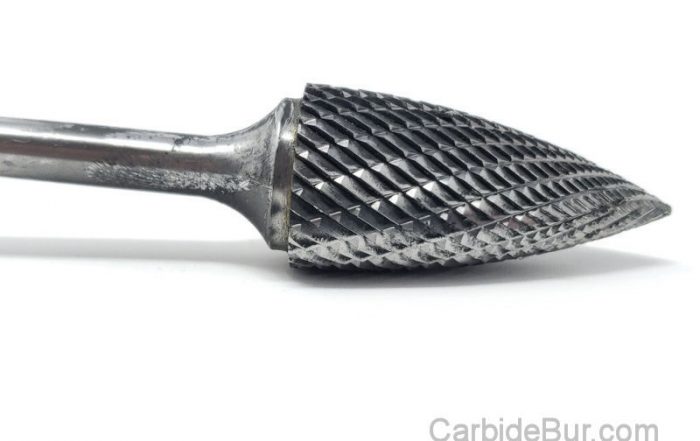
What RPM Should You Use for a 1/4 Inch Carbide Burr?
What RPM Should You Use for a 1/4 Inch Carbide Burr? Most machinists guess the right speed for a 1/4 inch carbide burr and hope for the best. Using the wrong carbide burr RPM can [...]
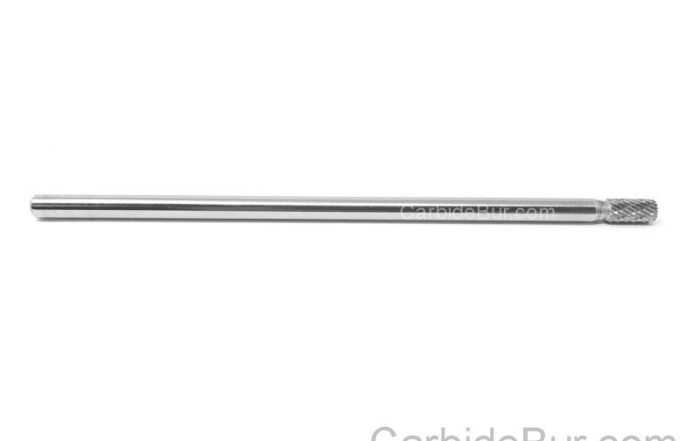
Long Shank Carbide Burrs: When Do You Need One?
Long Shank Carbide Burrs: When Do You Need One? Most machinists overlook the power of long shank carbide burrs until a project demands precision in tight spaces. When your usual tools can’t reach intricate contours, [...]
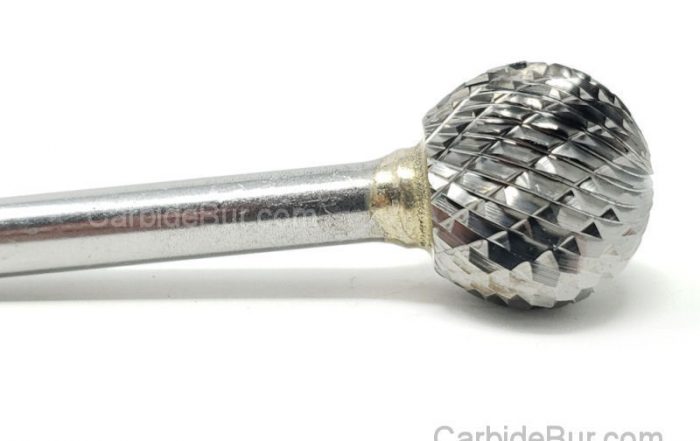
How Deep Can a Carbide Burr Cut Metal?
How Deep Can a Carbide Burr Cut Metal? Carbide burrs often get praised for their precision, but many users hit a wall wondering how deep they can actually cut metal. The truth is, cutting depth [...]
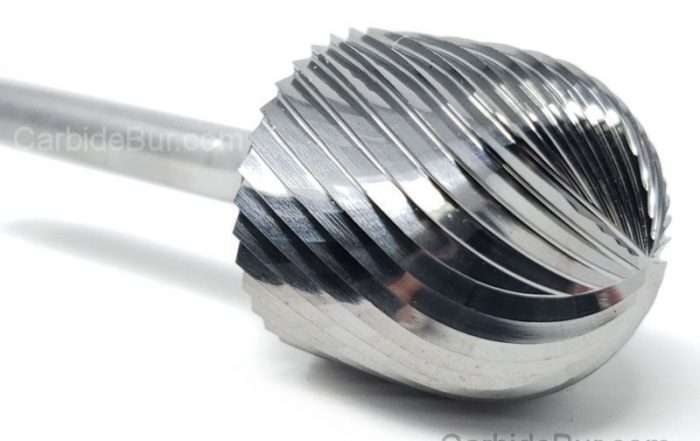
How to Use Carbide Burrs for Port Matching
How to Use Carbide Burrs for Port Matching Most engine builds hit a wall when airflow doesn’t flow smoothly between the ports and manifolds. If your engine isn’t breathing right, your performance stalls. Using the [...]
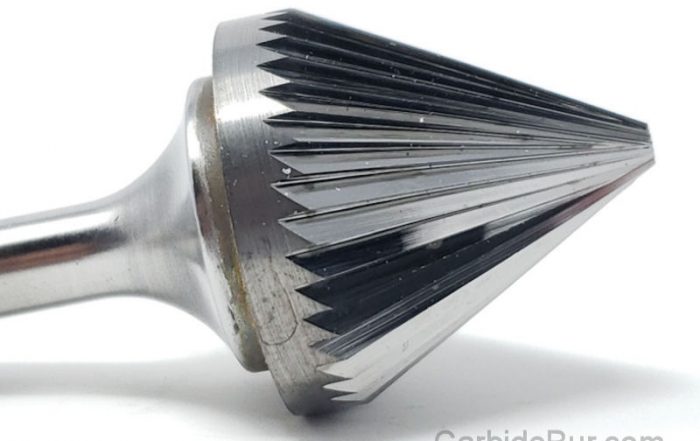
Best Carbide Burr for Porting Intake Manifolds
Best Carbide Burr for Porting Intake Manifolds Porting intake manifolds can make or break your engine’s airflow, yet many struggle with the right tools for the job. Choosing the best carbide burrs is key to [...]
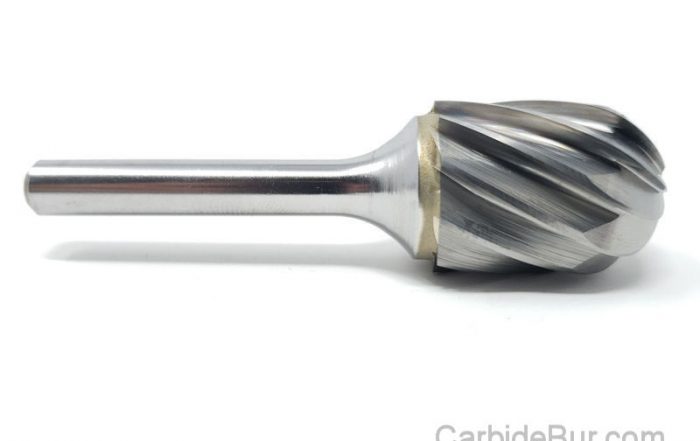
Best Carbide Burr for Concave Surfaces
Best Carbide Burr for Concave Surfaces Concave surfaces can turn a straightforward project into a frustrating challenge if you don’t have the right tool. Carbide burrs designed for these tricky curves make all the difference [...]
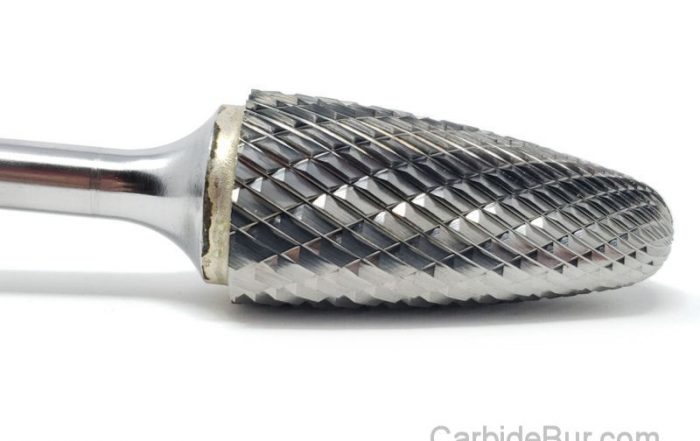
How to Grind a Slot in Metal With a Carbide Burr
How to Grind a Slot in Metal With a Carbide Burr Grinding a precise slot in metal can feel like a tricky task, especially if you’re unsure which tools to trust. Carbide burr grinding offers [...]
