
How To Use Carbide Burs For Smoother Welds – A Welder’s Guide
There’s a powerful tool at your disposal that can significantly improve the quality of your welds — carbide burs. These specialized bits not only help in shaping and refining your work but also ensure that your welds are smooth and professional-looking. In this guide, you will learn how to effectively use carbide burs to enhance your welding process, from selecting the right size to mastering your techniques. With the right approach, you can elevate your skills and produce flawless welds that stand the test of time.
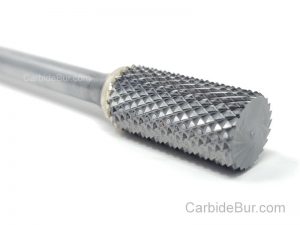
Find more carbide bur die grinder tool bits here
Selecting the Right Carbide Bur for Optimal Results
Choosing the appropriate carbide bur is imperative for achieving smooth welds and enhancing your overall welding efficiency. Various factors, including material type, bur shape, and cutting action, should influence your selection. This ensures that you are not only effective in your process but also prolong the life of your tools, ultimately saving time and money in the long run.
Understanding Bur Shapes and Their Applications
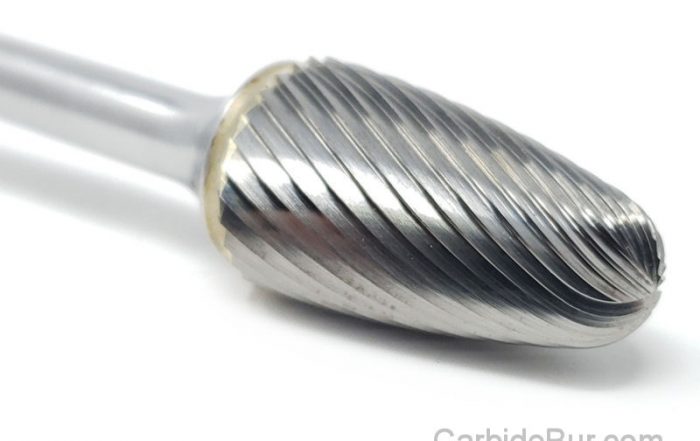
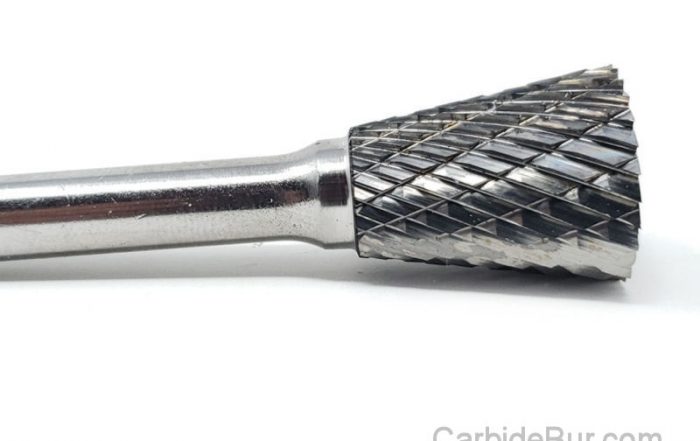
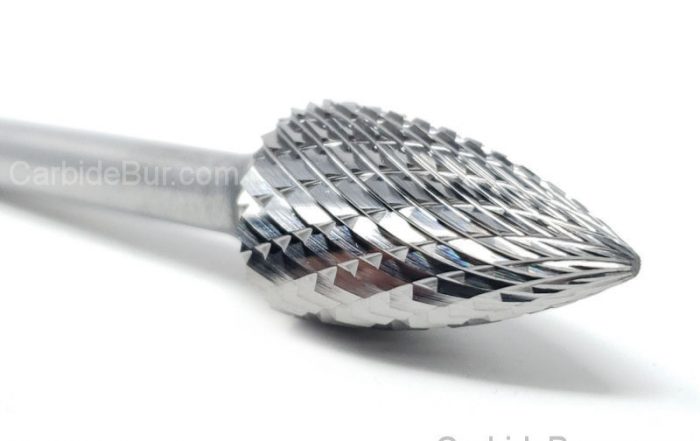
The shape of the bur can significantly impact its effectiveness and suitability for specific tasks. For instance, cylindrical burs are ideal for removing weld and smoothing out curved surfaces, while flame-shaped burs are better for achieving detailed work on irregular edges. Selecting the right shape based on your project requirements will facilitate more precise results and prevent excess material removal.
Matching RPM and Material for Efficiency
Optimal results are achieved by matching the RPM of your tool with the material being worked on. Each type of carbide bur operates best at a specific speed that corresponds to the density and hardness of the material. For example, working with aluminum typically requires lower RPMs than hardened steel, which benefits from higher speeds. Adjusting these parameters accordingly can enhance the cutting performance and extend the lifespan of your burs.
Utilizing the correct RPM relevant to your material not only improves efficiency but also aids in cooling during operations. When excessive heat is produced, it can lead to premature wear of both the bur and the workpiece. For instance, aluminum works optimally at about 18,000 RPM, while mild steel might require around 12,000 RPM. Regularly checking RPM settings and adjusting them based on your current project ensures consistent results and minimized tool degradation.
Mastering Technique: How to Use Carbide Burs Effectively
To achieve optimum results with carbide burs, mastering your technique is imperative. Start by ensuring your grip on the bur is firm but controlled, which allows you to maneuver precisely over the welds without risking damage. Remember to keep the tool at the right angle relative to the work surface; your approach will significantly impact the efficiency of the bur and the quality of the finish. Practicing consistently will drastically improve your skill level and help you achieve the smoothest, most professional results in your welding projects.
Proper Grip and Tool Control for Precision
A firm yet relaxed grip on the carbide bur facilitates better control and precision. Adjust your hand’s position on the handle to improve visibility and access to hard-to-reach areas. Position your fingers to guide rather than grip tightly, allowing for smoother movements. Consistent practice in controlling the bur while applying even pressure will enhance your ability to create uniform surfaces, effectively blending welds without excessive material removal.
Techniques for Different Weld Positions and Angles
Adapting your technique based on the weld position—flat, horizontal, vertical, or overhead—ensures you maintain control and achieve smooth finishes regardless of the situation. For example, when working on vertical or overhead welds, angle the bur slightly to avoid slipping and ensure your strokes follow the weld’s contour. Using a slower feed rate in these positions allows for better precision and reduces the risk of digging into the base material.
For vertical welds, apply the bur in a downward motion to take advantage of gravity, which helps stabilize the tool’s path. On horizontal welds, maintain a consistent angle while moving the bur side to side, keeping an eye on even material removal. Overhead work requires the most attention—ensure you brace your hand against the work surface for stability and select a bur with controlled depth to avoid excessive wear on the tool. Practicing in these various positions will prepare you for diverse welding scenarios and significantly contribute to your overall skill set.
Troubleshooting Common Issues with Carbide Burs
Even experienced welders can encounter issues when using carbide burs. Understanding these common challenges and their solutions can greatly enhance your results. Whether it’s burn marks from excessive heat or inconsistent finishes, knowing how to troubleshoot will save you time and improve your craft. Let’s examine some specific issues and their fixes to keep your welding process smooth and efficient.
Identifying and Fixing Burn Marks and Discoloration
Burn marks and discoloration often result from excessive heat generated during welding or improper use of your carbide bur. To fix this issue, assess your speed and pressure on the bur, ensuring you are using even, light pressure without lingering in one spot. If burn marks persist, consider adjusting your welding technique or switching to a cooler setting to minimize heat exposure.
Overcoming Inconsistent Finishes
Inconsistent finishes can stem from several factors, including variations in speed of movement or pressure applied while using the carbide bur. To improve consistency, maintain a steady hand and uniform approach while working. Regularly practice with different burs and techniques to develop a feel for the right balance between speed and pressure for even finishes.
Focus on body positioning and angle while using the carbide bur, as even slight adjustments can lead to significant differences in finish quality. Make a point to use consistent speed and pressure throughout the process to avoid creating uneven surfaces. Consider using a hand-held guide or jig to help maintain a controllable path if you’re struggling with freehand work. Frequent practice combined with these techniques will help you achieve the desired smoothness in your welding projects.
Enhancing Durability: Care and Maintenance of Carbide Burs
Proper care and maintenance of your carbide burs will extend their lifespan and improve performance. Regular attention ensures that you can achieve optimal results with minimal downtime. By adopting best practices in cleaning, storage, and inspection, you will protect your investment and enhance the quality of your work.
Cleaning Procedures to Extend Lifespan
Cleaning carbide burs after each use is vital for preventing clogs and maintaining cutting efficiency. Use a wire brush or an ultrasonic cleaner to remove debris and contaminants. Additionally, a blast of compressed air can help clear any trapped particles, ensuring your burs remain sharp and effective for future use.
Signs of Wear: When to Replace Your Burs
Monitoring the condition of your carbide burs is important for maintaining high-quality welds. Signs of wear include visible dullness, chipped edges, or a reduced cutting action. If you notice that the bur is not effectively removing material or requires excessive pressure, it’s time to replace it to avoid compromising your work quality.
Watch for reduced performance as a key indicator of wear on your carbide burs. Dull burs can lead to increased heat generation, causing potential distortion in your workpieces. If you have to apply more pressure than usual for cutting, check for chipping or abnormal wear patterns. Regularly replacing worn burs not only ensures efficiency but also prevents damage to your welds and costly rework down the line. Be proactive in assessing the condition of your burs to maintain the integrity of your welding projects.
The Hidden Benefits of Smoother Welds on Your Projects
Smoother welds not only improve the visual quality of your work, but they also contribute significantly to the performance and longevity of your projects. When welds are finished properly, they create stronger and more durable joints, reducing the likelihood of stress fractures and enhancing overall structural integrity. You may notice that clients are more inclined to appreciate and trust your craftsmanship, especially in noticeable aspects like aesthetics and functionality.
Aesthetic Advantages and Customer Perception
Visual appeal plays a massive role in customer satisfaction. Smooth, clean welds provide a polished look that can elevate the perceived value of your work. Clients often associate quality aesthetics with superior craftsmanship, meaning that a smoother weld can enhance your reputation and lead to more referrals or repeat business.
Reducing Post-Weld Processing Time
Time efficiency is maximized when you utilize carbide burs for smoother welds. By starting with a well-finished weld, you significantly reduce the amount of grinding, sanding, or additional finishing work needed post-weld. This not only saves you valuable time on each project but also reduces labor costs, leading to greater overall profitability. With a focus on achieving smooth welds from the get-go, your workflow becomes streamlined, allowing you to take on more projects in less time.
For example, consider a project that typically requires two hours of post-weld processing. By investing in the initial smoothness of your welds with carbide burs, you could cut that time down to just 30 minutes or less. This puts extra money in your pocket while allowing you to maintain a high standard of work. The efficiency gains also help prevent bottlenecks in your schedule, meaning deadlines are more easily met, and you gain the flexibility to tackle a diverse range of projects without overwhelming yourself.
To wrap up
On the whole, employing carbide burs in your welding process can significantly enhance the quality of your welds by enabling you to achieve a smoother finish. By following the guidelines provided in this guide, you can effectively incorporate these tools into your workflow. With practice, your skills will improve, leading to more polished results and increased efficiency in your projects. Embrace the versatility of carbide burs to elevate your welding craftsmanship and achieve superior outcomes in your work.
Find more carbide bur die grinder tool bits here

Can You Use a Carbide Burr With an Electric Die Grinder?
Can You Use a Carbide Burr With an Electric Die Grinder? Most people don’t realize how much a carbide burr can change the way an electric die grinder works. Using the right burr type can [...]
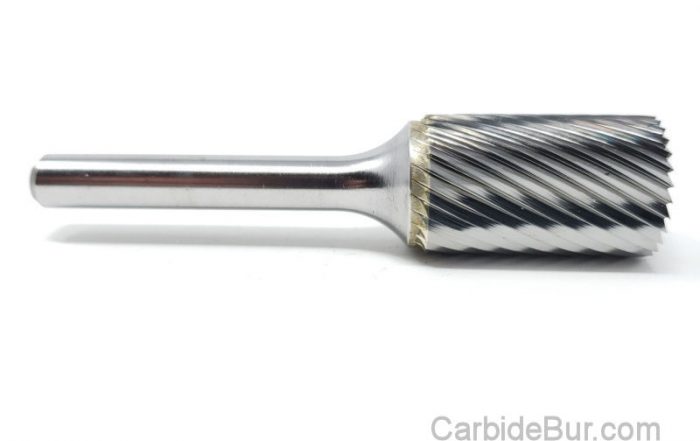
How to Deburr Holes With a Carbide Burr
How to Deburr Holes With a Carbide Burr Most people think any tool will do for deburring holes. The truth is, using the right carbide burr with the correct size and shape changes everything. In [...]
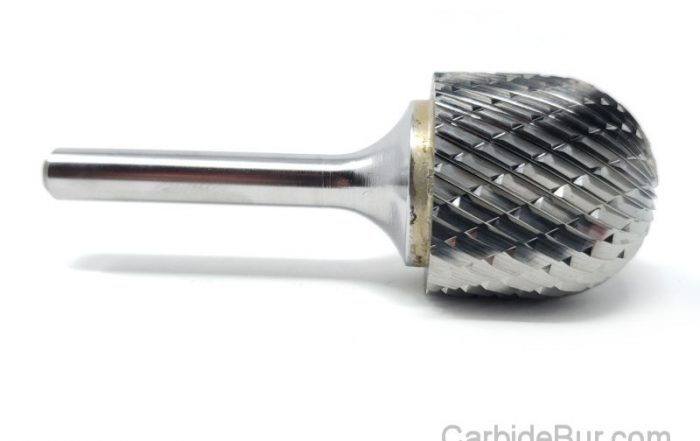
How to Choose the Correct Carbide Burr Shank Size
How to Choose the Correct Carbide Burr Shank Size Many machinists lose hours troubleshooting tool issues caused by the wrong carbide burr shank size. Using a shank that doesn’t fit your grinder can lead to [...]
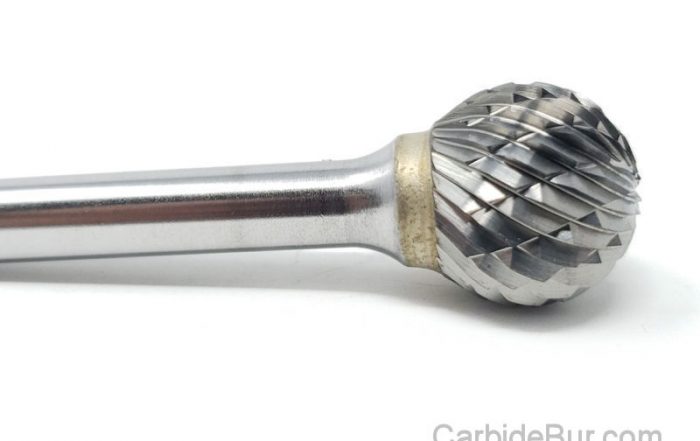
How to Remove Casting Flash With a Carbide Burr
How to Remove Casting Flash With a Carbide Burr Casting flash ruins the look and fit of your metal parts. You’ve tried sanding or grinding, but the results aren’t clean or fast enough. Learning how [...]
Best Carbide Burr for Enlarging a Hole in Metal
Best Carbide Burr for Enlarging a Hole in Metal When you need to enlarge a hole in metal, grabbing the wrong carbide burr can turn a simple task into a frustrating mess. Picking the best [...]
Carbide Burr Safety: 15 Mistakes That Can Cause Injury or Damage
Carbide Burr Safety: 15 Mistakes That Can Cause Injury or Damage Carbide burr safety is often overlooked until a costly mistake happens. Many metalworkers and DIYers make the same errors that lead to injuries or [...]
Can You Use a Carbide Burr in a Drill?
Can You Use a Carbide Burr in a Drill? Most people think a standard drill can’t handle a carbide burr, but that’s not true. Using carbide burr in the right drill can speed up your [...]
Carbide Burrs for Removing Rust: What Works Best?
Carbide Burrs for Removing Rust: What Works Best? Rust can turn your favorite tools into useless junk faster than you expect. Removing it without ruining the metal underneath takes more than just elbow grease—it demands [...]
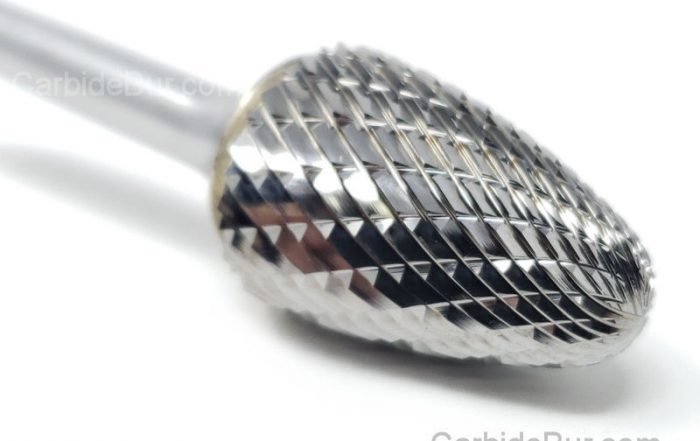
How Much Pressure Should You Use With a Carbide Burr?
How Much Pressure Should You Use With a Carbide Burr? Most people think pressing harder with a carbide burr speeds up the job. That’s not true—too much pressure wears out your tool and ruins the [...]
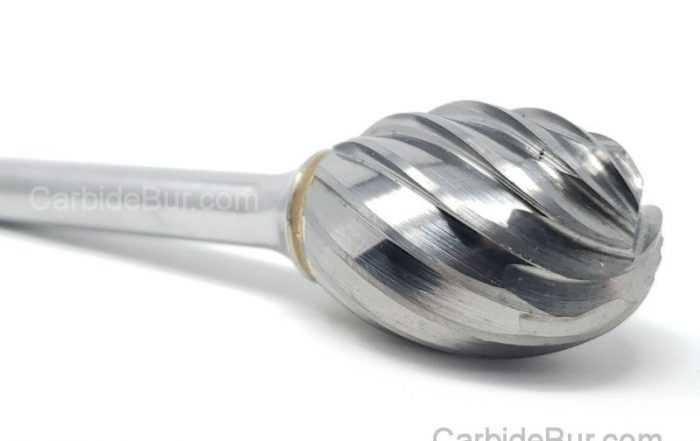
Can You Use Carbide Burrs With an Air Die Grinder?
Can You Use Carbide Burrs With an Air Die Grinder? Most people don’t realize how well carbide burrs work with air die grinders until they try them. If you’ve ever struggled with finding the right [...]
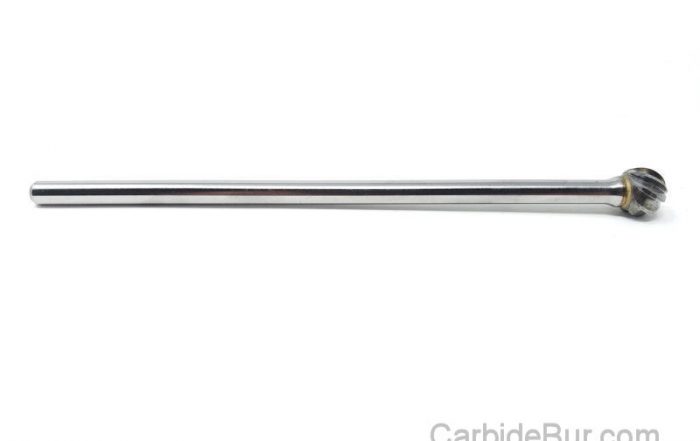
Best Long Reach Carbide Burr for Deep Metal Work
Best Long Reach Carbide Burr for Deep Metal Work Long reach carbide burrs often promise deep metal access, but many fall short where it counts most. You need a tool that cuts cleanly, lasts through [...]
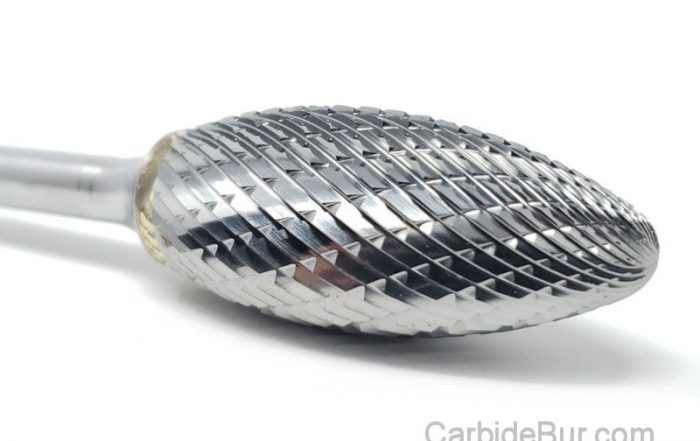
What RPM Should You Use for a 1/8 Inch Carbide Burr?
What RPM Should You Use for a 1/8 Inch Carbide Burr? Most people guess the right carbide burr RPM by feel—and waste hours redoing work. If you want cleaner cuts and longer tool life, your [...]
