
Top Die Grinder Attachments and Burrs: Enhance Your Cutting and Grinding Precision
Most mechanics struggle with picking the right die grinder setup that fits their specific needs. Using the wrong tools or attachments can slow down your work and leave your cuts less precise. This post breaks down the best die grinder setup, from choosing between a pneumatic or electric die grinder to selecting the perfect carbide burrs and attachments for every job. You’ll also get tips on safety gear and maintenance that keep your tools sharp and ready for any automotive fabrication task. For more information on selecting the right tools, check out this resource.
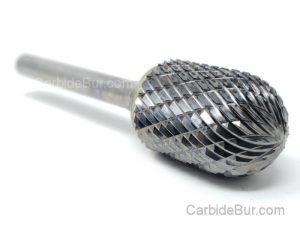
Have you tried our Carbide Burs for your job?
Choosing the Right Die Grinder
Getting the right die grinder is crucial for improving your work. The choice between pneumatic and electric models can make all the difference in your projects.
Pneumatic vs. Electric
If you’re considering a pneumatic die grinder, you’re looking at a tool that offers more power and speed. Pneumatic models are great if you have access to a strong air compressor. They are lighter, allowing you to work longer without fatigue. However, keep in mind that they require an air supply, which can limit mobility.
On the other hand, an electric die grinder provides portability and convenience. You can use it anywhere without needing an air compressor. It’s perfect for tasks that require less power but more precision. Electric models might be heavier, which could affect your control over extended periods. Weigh these factors to find the best fit for your workshop needs.
Factors for Mechanics
When selecting a die grinder, several factors should influence your decision. First, consider the power source. If you often work in different locations, an electric grinder might be more suitable. For tasks demanding high speed and torque, pneumatic could be better.
Next, think about the size and weight of the tool. A lightweight grinder can reduce fatigue during long projects. Also, check the speed settings. A variable speed option allows for greater control over delicate jobs. Finally, take into account your budget. High-quality die grinders may cost more but can save money in the long run by lasting longer and performing better.
Essential Die Grinder Attachments
Choosing the right attachments is just as important as selecting the right grinder. The right tools can transform your die grinder into a versatile machine for any job.
Cutting and Grinding Tools
Start with the basics: cutting wheels and grinding discs. Cutting wheels are used for making precise cuts in metal. They come in various sizes, so choose based on the thickness of the material. For grinding, you’ll need discs that match the material, whether it’s metal, wood, or plastic. Always keep a few different types on hand for various tasks.
Rotary files, also known as burrs, are another essential. These are used for shaping, deburring, and enlarging holes. Choosing the right burr shape can help you achieve the finish you need. For instance, pointed burrs are ideal for intricate details, while cylindrical ones work well for flat surfaces.
Recommended Carbide Burrs
Carbide burrs are a must-have for any mechanic. They are designed to cut hard materials like steel and are highly durable. When selecting burrs, look for those made from tungsten carbide for the best results. They stay sharp longer and resist wear.
Consider the flute design. Single-fluted burrs remove material quickly, while double-cut burrs provide a smoother finish. For more insights on selecting carbide burrs, visit this guide.
Techniques for Precision Work
Mastering techniques with your die grinder leads to superior work quality. Let’s explore how to refine your skills for precision tasks.

Die Grinder Techniques
Precision in your work begins with understanding your tool. Start by practicing your grip. Holding the grinder too tightly can lead to fatigue and errors. Maintain a steady yet relaxed grip for better control.
Learn to use the grinder’s speed settings effectively. Higher speeds are good for quick material removal, while slower speeds suit delicate work. Always test on scrap material to ensure the right speed and technique. Remember, practice helps you achieve the smoothest finishes.
Automotive Fabrication Tips
When tackling automotive fabrication, focus on thorough planning. Sketch designs and measure twice to ensure accuracy. Use scribe lines to guide your cuts, reducing mistakes.
For welding prep, clean the metal thoroughly before starting. Remove any rust or paint to ensure a strong weld. Utilize your die grinder to achieve clean edges and surfaces. This step is crucial for professional results.
Ensuring Safety and Maintenance
Safety and maintenance are non-negotiable in tool handling. Ensuring these can prevent accidents and prolong tool life.
Safety Gear for Mechanics
Safety should always be your top priority. Start with eye protection like safety goggles to shield against flying debris. Ear protection is also essential, especially with loud pneumatic tools.
Wear protective gloves to prevent cuts and bruises. A dust mask can protect you from inhaling harmful particles. Remember, safety gear is not optional. It’s an essential part of your toolkit.
Die Grinder Maintenance Tips
Proper maintenance keeps your tools in prime condition. Begin with regular cleaning. Wipe down your die grinder after every use to remove dust and debris. This simple act can prevent many issues.
Lubricate moving parts regularly to avoid wear and ensure smooth operation. Check for any loose parts or damage. Replace worn-out components promptly. For more detailed tips on maintaining your tools, you can check out this resource.
By following these guidelines, you can assemble the best die grinder setup. With the right tools, techniques, and precautions, you’ll tackle any project with confidence and precision.
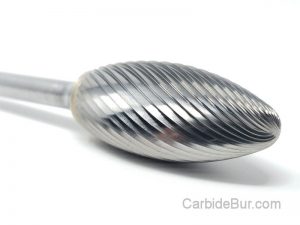
Looking for Carbide Bur Tools?
Check out our entire selection of USA made carbide bur die grinder tool bits
Follow us on Twitter

Return to CarbideBur.com
Carbide Burs – 1/4″ on 1/8″ Shanks – Accessories – Aluminum Cut – Bur Sets – End Mills – Long Shank – Solid Burs
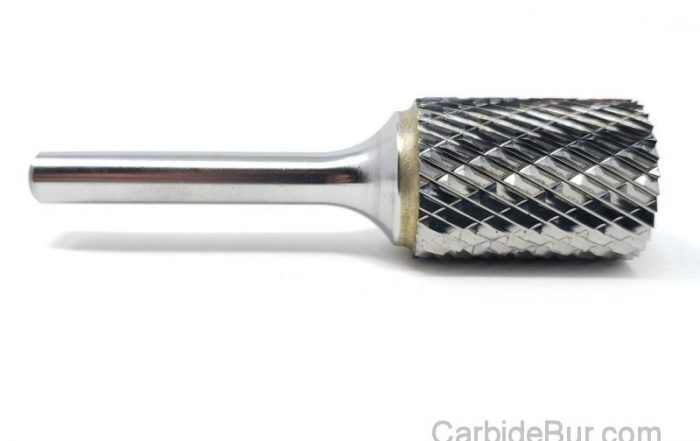
Carbide Burrs for Cylinder Head Porting: Shapes, Cuts and Tips
Carbide Burrs for Cylinder Head Porting: Shapes, Cuts and Tips Cylinder head porting can make or break your engine’s airflow and performance. Choosing the right carbide burrs for cylinder head porting is often the difference [...]
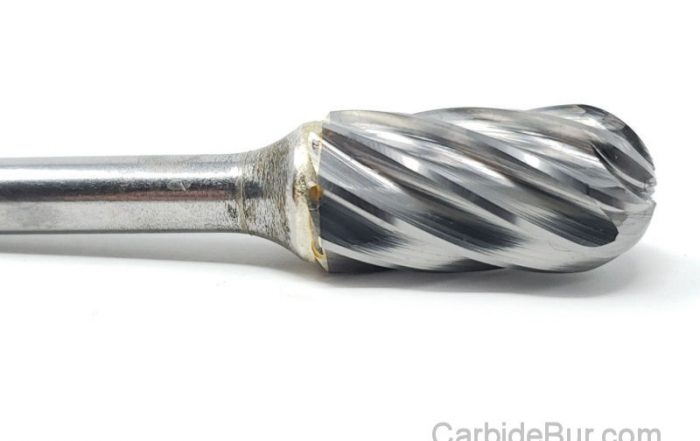
How to Use a Carbide Burr on Aluminum
How to Use a Carbide Burr on Aluminum Using carbide burrs on aluminum isn’t as simple as grabbing the closest tool and starting to cut. Many metalworkers and DIYers waste time and wear out their [...]
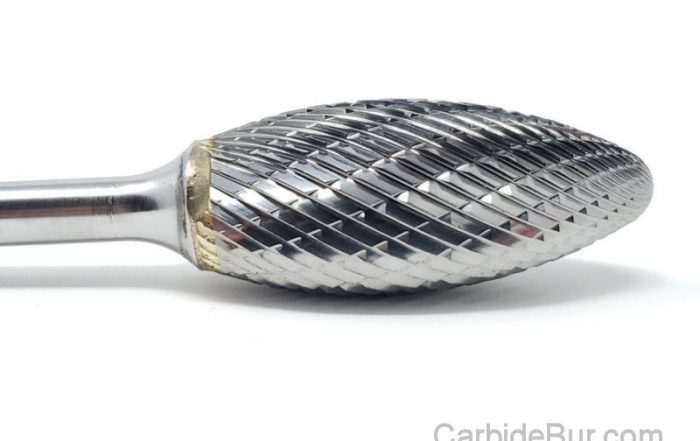
What Is a Flame Carbide Burr Used For?
What Is a Flame Carbide Burr Used For? Most metalworking tools struggle with tight corners and delicate shaping. That’s where a flame carbide burr steps in, cutting through material with precision in places other tools [...]
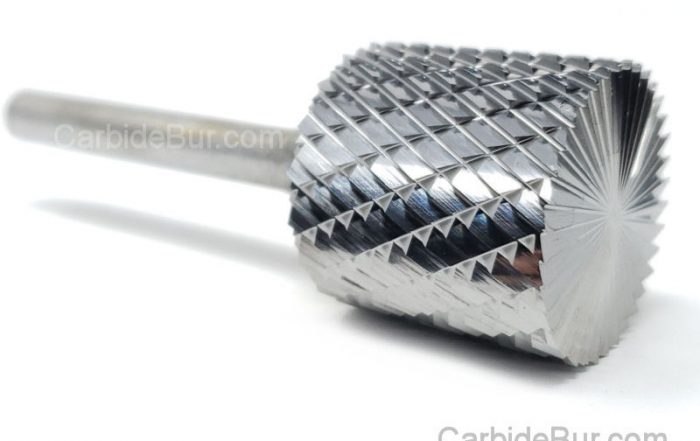
How to Remove a Weld Without Damaging the Metal
How to Remove a Weld Without Damaging the Metal Removing a weld without harming the metal beneath is a challenge many welders face daily. Using the wrong tools or techniques can leave marks that weaken [...]
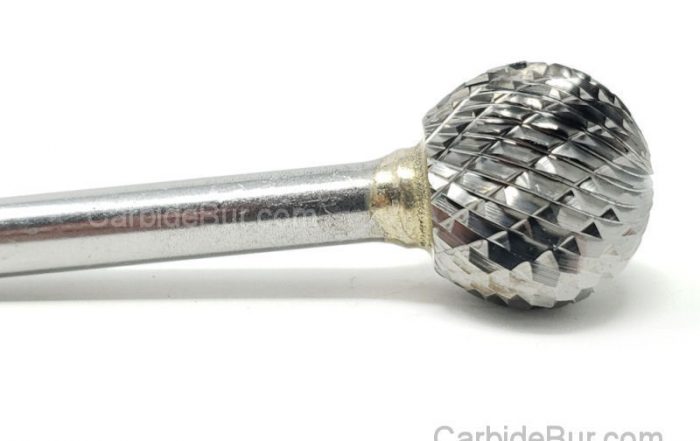
Cylinder Carbide Burr vs. Ball Burr: When to Use Each
Cylinder Carbide Burr vs. Ball Burr: When to Use Each Choosing between a cylinder carbide burr and a ball carbide burr can feel tricky when your project demands precision. Using the wrong burr often means [...]
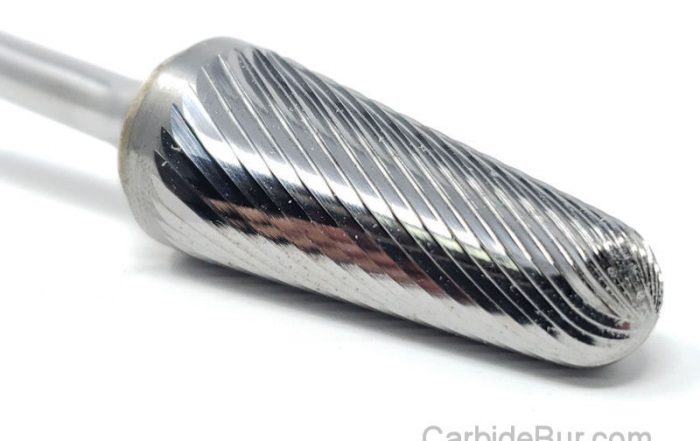
Die Grinder vs. Dremel for Carbide Burrs: Which Tool Should You Use?
Die Grinder vs. Dremel for Carbide Burrs: Which Tool Should You Use? Choosing the right tool for carbide burrs can make or break your project. You might be stuck deciding between a die grinder and [...]
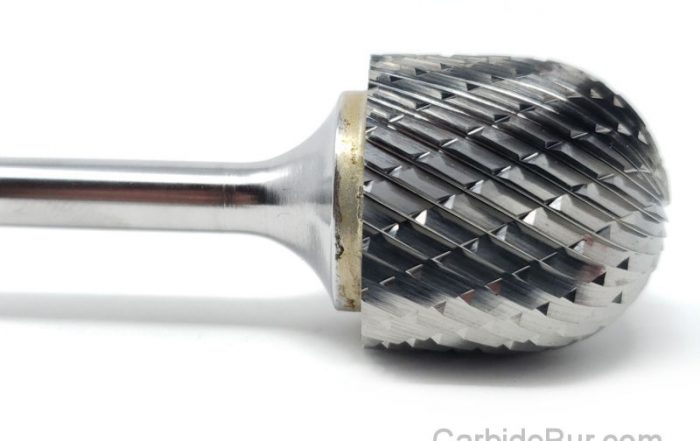
How to Use Carbide Burrs for Weld Removal
How to Use Carbide Burrs for Weld Removal Weld removal can slow down any metalworking project when you’re stuck with the wrong tools or techniques. Using carbide burrs the right way cuts your cleanup time [...]
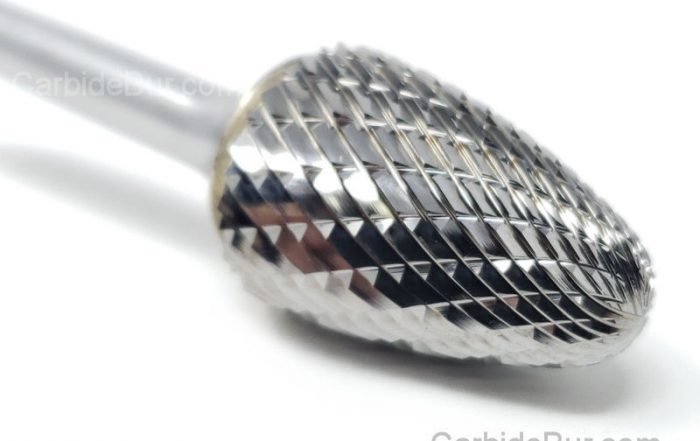
Carbide Burr RPM Guide: How Fast Should You Run a Carbide Burr?
Carbide Burr RPM Guide: How Fast Should You Run a Carbide Burr? Most people run their carbide burrs too fast or too slow without realizing it. Using the wrong speed wears out your tools faster [...]
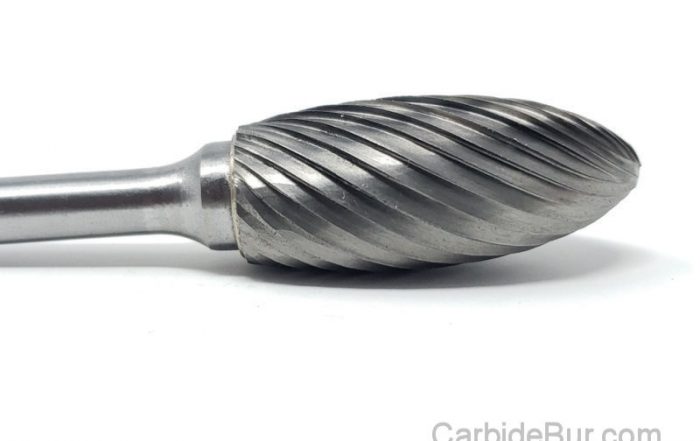
Flame Carbide Burr vs. Tree Carbide Burr: Which Should You Use?
Flame Carbide Burr vs. Tree Carbide Burr: Which Should You Use? You’ve got the right tools, but choosing between a flame carbide burr and a tree carbide burr can still slow down your project. Picking [...]
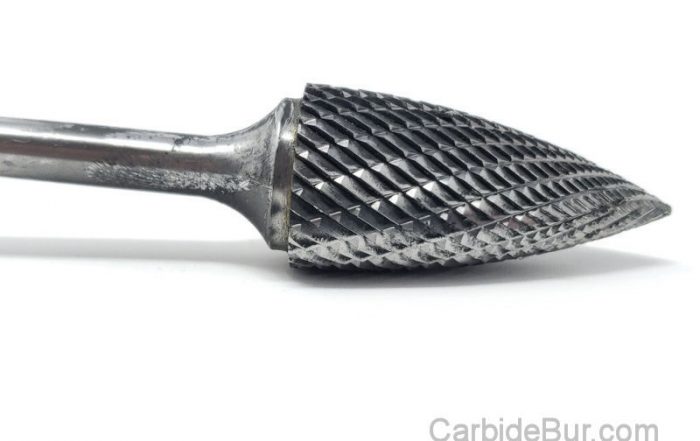
Why Does My Carbide Burr Break? 10 Common Causes
Why Does My Carbide Burr Break? 10 Common Causes Carbide burrs breaking in the middle of a project can bring everything to a halt and drain your budget fast. You’ve probably wondered why your tools [...]
Best Carbide Burr for Aluminum Without Clogging
Best Carbide Burr for Aluminum Without Clogging Clogging ruins more than just your workflow when machining aluminum—it wastes your time and wears out your tools. If you’ve struggled to find a carbide burr that keeps [...]
Can You Use Carbide Burrs on Brass and Copper?
Can You Use Carbide Burrs on Brass and Copper? Most machinists hesitate when it comes to using carbide burrs on soft metals like brass and copper. The challenge is real: these metals tend to clog [...]
