
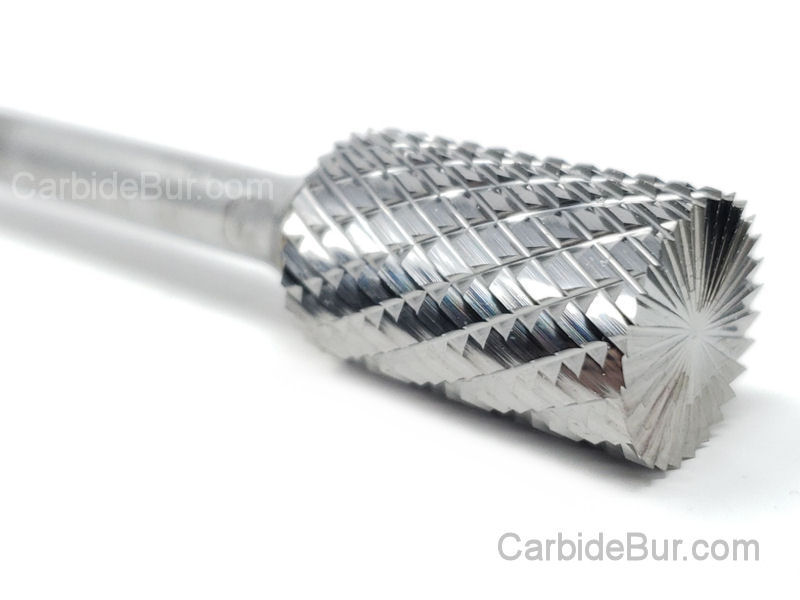
The Best Die Grinder Burr Bits for Metal
When it comes to achieving precision and efficiency in metalworking, the right tools can make all the difference. Die grinder burr bits are essential components in the arsenal of any metalworker, offering versatility and effectiveness across a variety of applications. From intricate detailing to aggressive material removal, understanding the different burr bit shapes and materials is key to choosing die grinder bits that suit specific metal types and tasks. In this post, we’ll delve into the best die grinder burr bits available, providing insights into how to enhance machining efficiency and achieve precise results. Additionally, we’ll share valuable burr maintenance tips to help prolong the life of your tools, ensuring they remain reliable and effective for all your metalworking projects. For more detailed information on the types of burrs and their applications, visit this link.
Die Grinder Burr Bits for Metal
Top Die Grinder Burr Bits
Selecting the best die grinder burr bits for metalworking involves understanding the various options available. Each burr bit offers unique advantages for different applications, from general use to precision tasks. This section will guide you through the top die grinder burr bits, focusing on those best suited for metalwork and precision grinding.
Best Die Grinder Bits for Metal
When selecting die grinder bits for metal, it’s essential to consider the material and application. Tungsten carbide burrs are popular due to their durability and ability to handle tough metals. They provide smooth cuts and are available in various shapes and sizes. For an in-depth look at tungsten carbide options, visit Ezarctools.
High-speed steel (HSS) burrs are another option, offering flexibility and the ability to withstand high temperatures. However, they may wear faster when used on harder metals.
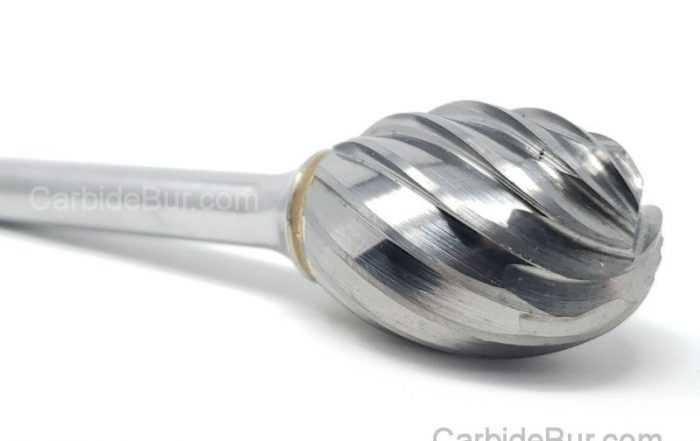
For softer metals like aluminum, consider using a burr with a single-cut pattern to prevent clogging.
The choice between carbide and HSS often depends on the metal type and the desired finish.
Precision Grinding with Burr Bits
Precision grinding requires burr bits that can achieve fine detail without sacrificing efficiency. Double cut carbide burrs are ideal for precision work due to their ability to produce finer finishes and reduce vibration. More information on these bits can be found at CarbideBurr.
Precision grinding is crucial in applications like mold making and tool sharpening, where detail accuracy is paramount.
Using the right burr ensures that each cut is smooth and precise, minimizing the need for additional finishing work.
Selecting the correct speed and pressure is also important in achieving precision with die grinder burr bits.
Choosing Die Grinder Bits
Choosing the right die grinder bits involves considering several factors, including the material of the workpiece and the desired outcome. Start by identifying the metal type and matching it with the appropriate burr material.
Consider the shape of the burr needed for your application. For instance, flame-shaped burrs are ideal for achieving concave cuts, while cylindrical burrs are better for flat surfaces.
Look into the various finishes each burr type offers. Some provide a rougher finish for quick material removal, while others are designed for smooth, detailed work.
To assist in making an informed decision, explore options at KoneTool.
Burr Bit Shapes and Sizes
The shape and size of burr bits affect their functionality and the results they produce. Different shapes cater to specific tasks, while sizes determine the burr’s ability to fit into tight spaces or perform broader cuts. Understanding these aspects is crucial for optimal metalworking.
Common Burr Bit Shapes
Understanding common burr bit shapes helps in selecting the right tool for the task. Cylindrical burrs are excellent for flat surfaces and straight edges, while ball-shaped burrs are perfect for concave cuts.
Tree-shaped burrs are great for rounding off edges and creating grooves. These shapes provide versatility in applications like deburring and chamfering.
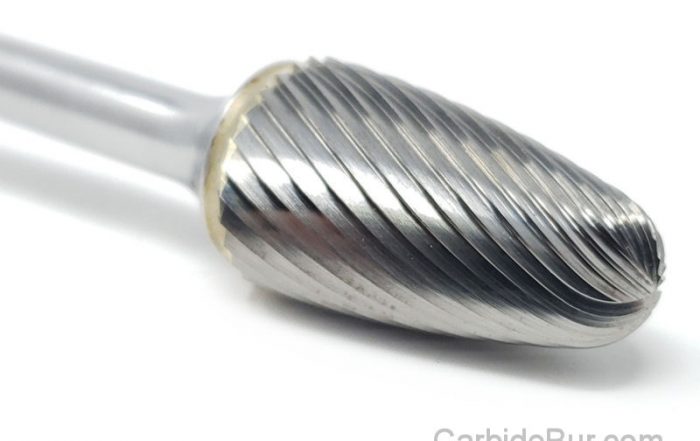
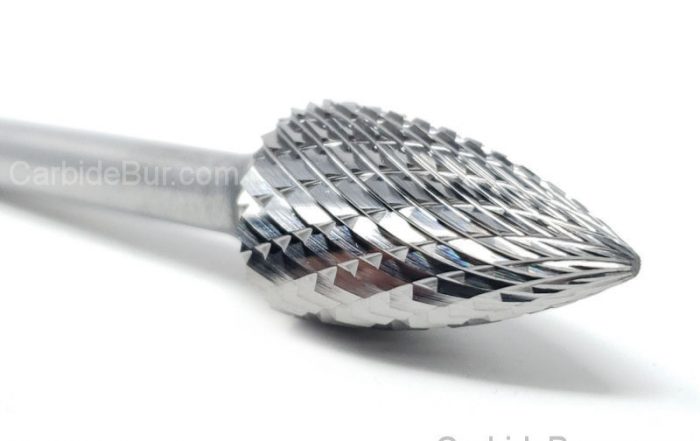
The flame shape allows for precise cutting in intricate areas, commonly used in detailed carvings and mold making.
For more on different burr shapes, visit CarbideBurr.
Optimal Burr Sizes for Metalwork
Choosing the right size of burr bits can significantly affect the outcome of your metalworking project. Larger burrs are ideal for removing excess material quickly, while smaller burrs are suited for precision tasks.
When dealing with tight spaces or intricate designs, opt for smaller burr sizes, which offer greater control.
Conversely, larger burrs are beneficial for broad strokes and rough work, speeding up the process.
Explore different burr sizes and their applications at Ezarctools.
Specialized Burrs for Unique Applications
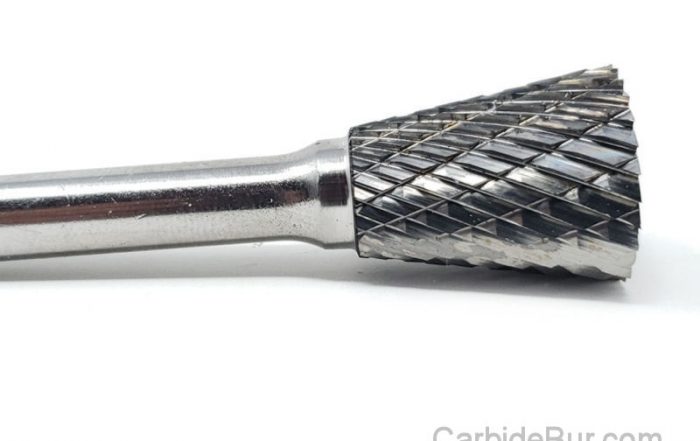
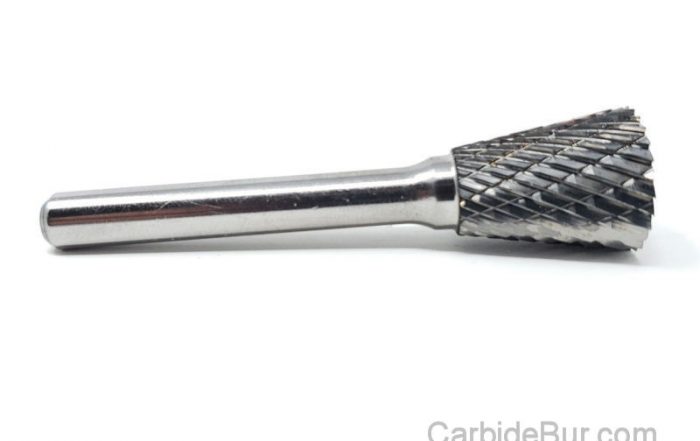
Specialized burrs cater to unique metalworking applications, offering features designed for specific needs. For instance, inverted cone burrs help in creating inverted profiles and back-cutting, often used in jewelry making.
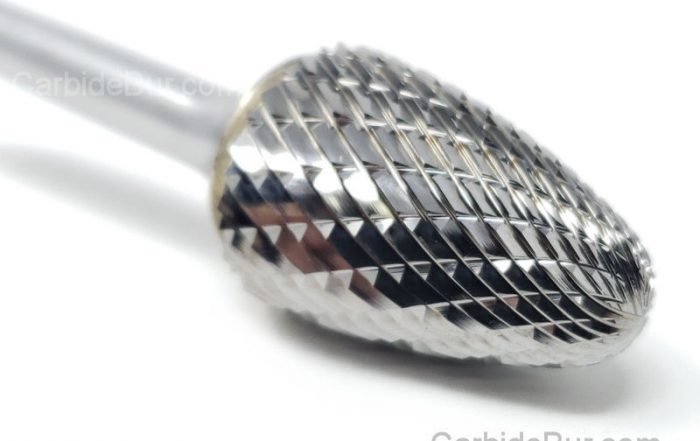
Cross-cut burrs provide a balanced approach, combining the benefits of single and double cuts, which is ideal for deburring and surface finishing.
For tasks requiring specific angles or depths, consider tapered burrs, which provide control over angle cuts.
To explore these specialized options, visit KoneTool.
Materials for Die Grinder Bits
The material of die grinder bits plays a crucial role in their performance and durability. Different materials offer various advantages, influencing their suitability for specific metal types and applications.
High-Speed Steel vs. Carbide
When comparing high-speed steel (HSS) and carbide, it’s vital to consider the specific requirements of your project. HSS is cost-effective and provides flexibility, making it suitable for softer metals.
However, carbide bits are renowned for their durability and ability to maintain sharpness longer, ideal for harder metals. They resist wear and can operate at higher speeds without losing efficiency.
Choosing between these materials often comes down to balancing initial cost with long-term performance and durability.
To learn more about these materials, check out CarbideBurr.
Best Materials for Metal Types
Different metals require specific burr materials to achieve the best results. Aluminum works well with single-cut carbide burrs due to their anti-clogging properties.
For steel and iron, double-cut carbide burrs offer the durability and sharpness needed for efficient cutting.
In applications involving more exotic metals like titanium, specialized carbide burrs provide the strength and precision necessary.
Understanding the compatibility of burr materials with metal types ensures optimal efficiency and longevity.
Die Grinder Burr Bits for Metal
Durability and Performance Factors
The durability and performance of die grinder bits are influenced by their construction material and design. Carbide burrs are highly durable, capable of withstanding high temperatures and stress.
Regular maintenance, such as proper cleaning and storage, enhances their lifespan. Consider using lubricants during operation to reduce friction and heat build-up.
For maximum performance, ensure the burr bit is compatible with the metal type and application.
For insights on maintaining durability, visit Ezarctools.
Choosing the Right Burr Bits
Selecting the appropriate burr bits involves understanding the compatibility with metal types, machining efficiency, and intended die grinder applications. This section will provide insights into making informed choices.
Metal Types and Bit Compatibility
Identifying the metal type you are working with is crucial in selecting compatible burr bits. For example, softer metals like aluminum require different burr properties compared to harder metals like stainless steel.
Single-cut burrs are often preferred for softer metals, while double-cut burrs perform better on harder materials, providing a smoother finish.
Ensure that the burr bit material complements the metal’s characteristics to avoid unnecessary wear or damage.
For detailed compatibility information, refer to KoneTool.
Machining Efficiency Considerations
Machining efficiency is about optimizing time and resources without compromising quality. Double-cut burrs are efficient for removing material quickly, reducing operation time.
Consider the burr bit’s size and shape for specific tasks to maximize efficiency. For example, larger burrs remove more material faster, while smaller ones are better for detailed work.
Optimize the die grinder’s speed and pressure settings to match the burr bit’s specifications and the material being worked on.
To improve efficiency, explore options at CarbideBurr.
Die Grinder Applications and Uses
Die grinders are versatile tools used in various applications, from deburring and polishing to engraving and shaping. The choice of burr bit significantly impacts the tool’s effectiveness in these tasks.
For deburring, use burr bits designed for smooth finishes and easy material removal.
In polishing applications, select burr bits that allow for finer detail and precision.
For more information on die grinder applications, visit Ezarctools.
Maintenance and Longevity Tips
Proper maintenance of die grinder burr bits ensures their longevity and performance, reducing costs and downtime. This section covers essential maintenance practices to keep your tools in top condition.
Burr Maintenance Tips for Longevity
Regular maintenance of burr bits prolongs their lifespan and maintains their effectiveness. Inspect burr bits regularly for wear and damage, replacing any that show significant wear.
Clean burr bits after each use to prevent material build-up, which can hinder performance.
Use protective cases for storage to prevent damage from moisture or impact.
For more detailed maintenance tips, refer to KoneTool.
Cleaning and Storing Burr Bits
Proper cleaning and storage are pivotal in maintaining burr bits. Use a soft brush to remove debris after each use and a mild solvent for deeper cleaning.
Store burr bits in a dry, organized manner, preferably in a dedicated tool case to prevent accidental damage.
Avoid storing burr bits in damp environments to prevent corrosion.
For more cleaning tips, visit CarbideBurr.
Enhancing Performance Through Care
Enhancing the performance of burr bits involves more than just regular cleaning. Lubricate the burr bits during use to reduce friction and heat build-up.
Ensure that the die grinder is calibrated correctly for the burr bit and material being worked on.
Following these practices not only extends the life of the burr bits but also ensures consistent and high-quality results in all metalworking projects.
For more advice on enhancing burr bit performance, explore Ezarctools.
Best Carbide Burr for Enlarging a Hole in Metal
Best Carbide Burr for Enlarging a Hole in Metal When you need to enlarge a hole in metal, grabbing the wrong carbide burr can turn a simple task into a frustrating mess. Picking the best [...]
Carbide Burr Safety: 15 Mistakes That Can Cause Injury or Damage
Carbide Burr Safety: 15 Mistakes That Can Cause Injury or Damage Carbide burr safety is often overlooked until a costly mistake happens. Many metalworkers and DIYers make the same errors that lead to injuries or [...]
Can You Use a Carbide Burr in a Drill?
Can You Use a Carbide Burr in a Drill? Most people think a standard drill can’t handle a carbide burr, but that’s not true. Using carbide burr in the right drill can speed up your [...]
Carbide Burrs for Removing Rust: What Works Best?
Carbide Burrs for Removing Rust: What Works Best? Rust can turn your favorite tools into useless junk faster than you expect. Removing it without ruining the metal underneath takes more than just elbow grease—it demands [...]
How Much Pressure Should You Use With a Carbide Burr?
How Much Pressure Should You Use With a Carbide Burr? Most people think pressing harder with a carbide burr speeds up the job. That’s not true—too much pressure wears out your tool and ruins the [...]
Can You Use Carbide Burrs With an Air Die Grinder?
Can You Use Carbide Burrs With an Air Die Grinder? Most people don’t realize how well carbide burrs work with air die grinders until they try them. If you’ve ever struggled with finding the right [...]
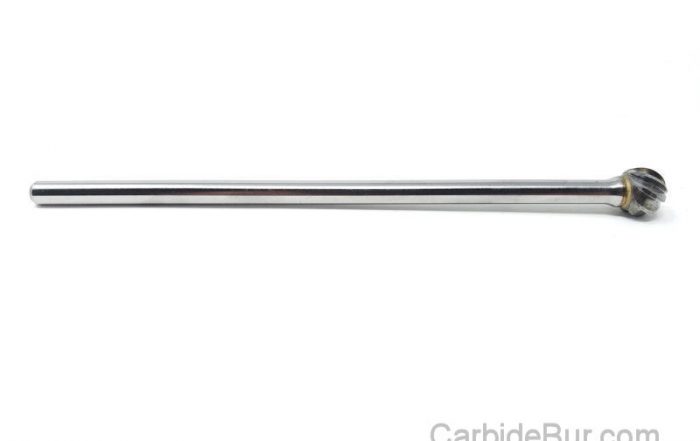
Best Long Reach Carbide Burr for Deep Metal Work
Best Long Reach Carbide Burr for Deep Metal Work Long reach carbide burrs often promise deep metal access, but many fall short where it counts most. You need a tool that cuts cleanly, lasts through [...]
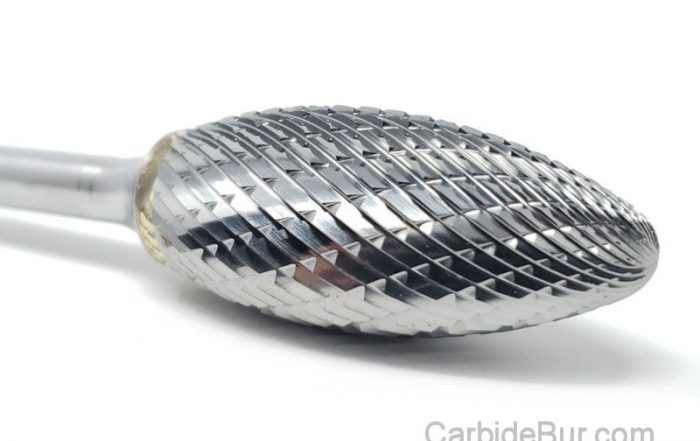
What RPM Should You Use for a 1/8 Inch Carbide Burr?
What RPM Should You Use for a 1/8 Inch Carbide Burr? Most people guess the right carbide burr RPM by feel—and waste hours redoing work. If you want cleaner cuts and longer tool life, your [...]
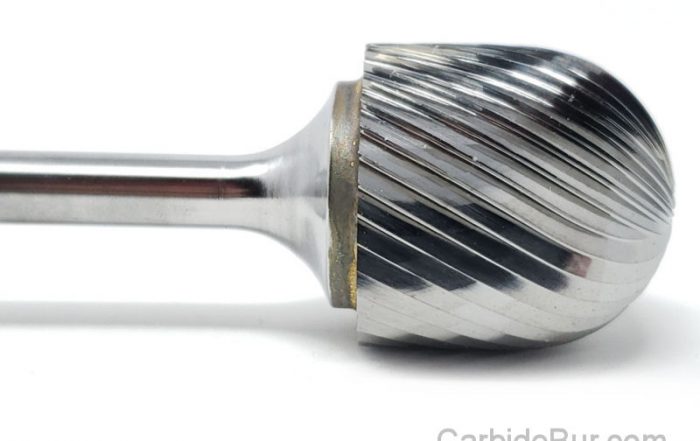
Carbide Burrs for Tight Spaces: Choosing the Right Shape
Carbide Burrs for Tight Spaces: Choosing the Right Shape Tackling tight spaces with the wrong carbide burrs wastes time and risks damaging your work. Choosing the right burr shape makes all the difference when working [...]
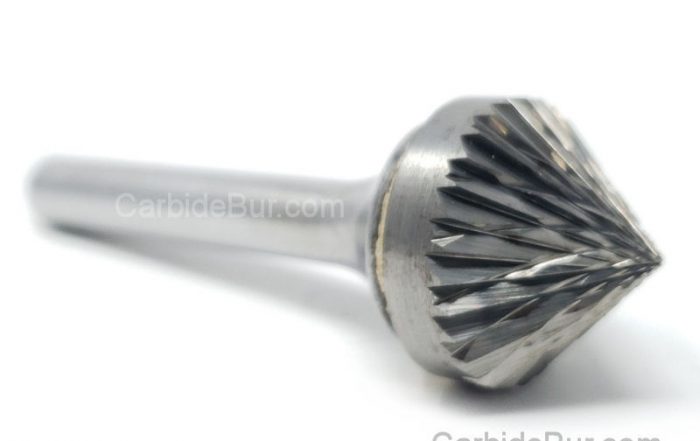
Can Carbide Burrs Remove Paint From Metal?
Can Carbide Burrs Remove Paint From Metal? Stripping paint from metal often feels like a tough chore that risks damaging the surface underneath. Many turn to carbide burrs hoping they can speed things up without [...]
How to Grind a Groove in Metal With a Carbide Burr
How to Grind a Groove in Metal With a Carbide Burr Most metalworkers struggle to cut clean grooves without wasting time or ruining their workpiece. Many try different metalworking tools but end up with uneven [...]
Can Carbide Burrs Cut Through Welds?
Can Carbide Burrs Cut Through Welds? Cutting through welds can feel like a battle, especially when you need clean results without harming the base metal. Carbide burrs offer a sharp edge in this fight, but [...]
