
Essential Automotive Repair Tips: Safely Remove and Prevent Seized Bolts
Seized exhaust bolts can turn a simple repair into a frustrating ordeal that eats up your time and tests your patience. If you’ve struggled with stuck bolts that refuse to budge, you’re not alone. This guide shares practical automotive repair tips on how to remove seized exhaust bolts using proven penetrating oil techniques, heat application for bolts, and the right tools—all while keeping safety front and center. Stick around to learn how to tackle these stubborn bolts and prevent the problem from coming back. For additional insights, check out this resource on removing stuck exhaust bolts.
Have you tried our Carbide Burs for your job?
Understanding Seized Bolts
Getting stuck with seized bolts can be more than just a minor inconvenience. Let’s dive into the reasons why these bolts become such a headache and the risks they pose when ignored.
Common Causes of Seizing
Seized bolts often result from exposure to moisture and rust. When metal interacts with water over time, it can corrode and weld parts together. Another common cause is over-tightening during installation. This can happen if the bolts are forced beyond their capacity, leading to deformation and sticking.
Temperature changes also play a role. Heat can expand metals, while cold makes them contract. This constant shifting can cause bolts to seize, especially in exhaust systems. Understanding these causes will help you tackle the issue better.
Risks of Ignoring Seized Bolts
Ignoring seized bolts can escalate into bigger problems. Stuck bolts can compromise the integrity of your exhaust system. This could lead to exhaust leaks, which aren’t just noisy but also harmful. The longer you ignore these, the more difficult they become to remove.
If left unchecked, seized bolts can also affect vehicle performance. The engine might work harder, leading to inefficiencies and increased fuel consumption. Addressing the issue early can save you from more extensive and costly repairs down the line.
Importance of Early Intervention
Getting ahead of the problem is key. By addressing seized bolts early, you prevent potential damage to your vehicle. You also avoid the frustration of dealing with a more complicated repair. Early intervention not only saves time but also preserves the functionality of your vehicle.
Acting quickly helps in maintaining the overall health of your car. It ensures that you don’t need to replace entire components due to the cascading effects of neglect. The sooner you tackle seized bolts, the easier the solution becomes.
Techniques to Remove Seized Exhaust Bolts
Now that you understand the challenges of seized bolts, let’s explore some effective techniques to remove them. This section covers practical methods to reclaim your time and sanity when dealing with stuck bolts.
Penetrating Oil Techniques
Penetrating oil is a go-to solution for many. It’s designed to seep into the small spaces between threads and break down rust. To use it effectively, apply a generous amount to the seized bolt. Let it sit for a few hours or overnight. This allows the oil to penetrate and work its magic.
After soaking, try loosening the bolt again. If it’s still stuck, reapply the oil and give it more time. This method is often effective for lightly seized bolts. More tips and discussions can be found on MechanicAdvice on Reddit.
Heat Application for Bolts
Heat is another powerful ally. Applying heat causes metal to expand, which can help free stuck bolts. Use a propane torch and carefully heat the area around the bolt. Be sure to move the flame around to avoid damaging any components.
Once the area is adequately heated, attempt to loosen the bolt. Heat can be especially effective on heavily rusted bolts. Just be cautious of surrounding materials that might be sensitive to high temperatures. Check out this guide on heat application techniques for more detailed instructions.
Using Extracting Tools
When oils and heat fail, it’s time to bring out the heavy hitters. Extracting tools, such as bolt extractors, can give you the leverage needed to remove stubborn bolts. These tools grip the bolt tightly, allowing you to turn it out without stripping.
Choose the right size extractor for the bolt you’re dealing with. Secure it firmly before attempting to remove the bolt. Extracting tools are often the fail-safe when other methods prove ineffective. Visit Fel-Pro’s blog on removing broken exhaust flange bolts for more on this technique.
Safety in Automotive Repairs
Safety should never take a backseat in automotive repairs. Let’s discuss the essential precautions you should consider when tackling seized bolts to ensure a safe and effective repair process.
Essential Safety Precautions
Always wear protective gear, such as gloves and safety glasses. This protects you from sharp edges and debris. Make sure the vehicle is securely lifted before starting any work. This prevents accidents and injuries.
Work in a well-ventilated area to avoid inhaling harmful fumes from penetrating oils or heat applications. Safety should be your top priority every step of the way.

Proper Tool Handling
Improper use of tools can lead to accidents. Always read the instructions that come with your tools. Ensure that you’re using the right tool for the job to avoid slipping or damaging components.
Take your time to understand the mechanics of each tool. Rushed jobs often lead to mishaps. Handling your tools properly ensures a smooth and safe repair process.
Avoiding Bolt Breakage
Breaking a bolt can complicate your repair job. To avoid this, don’t force a stubborn bolt beyond its capacity. Instead, use the techniques mentioned earlier to encourage movement.
If you feel the bolt isn’t budging, step back and reassess your approach. This careful handling can prevent additional headaches and keep your repair moving forward.
Preventing Seized Bolts in the Future
With seized bolts removed, let’s focus on prevention. Implementing a few simple practices can keep your bolts from seizing again, ensuring smoother repairs in the future.
Regular Maintenance Practices
Routine checks can help you spot potential problems before they arise. Inspect your exhaust system regularly for signs of wear or rust. Early detection allows for timely intervention, avoiding larger issues later.
Regular maintenance keeps your vehicle in top shape. It’s a proactive approach that saves you from dealing with seized bolts again.
Choosing the Right Lubricants
The right lubricant can make all the difference. Use anti-seize compounds on bolts during installation. These compounds form a protective barrier against moisture and rust.
Selecting high-quality, heat-resistant lubricants is crucial. They ensure longevity and prevent future seizures. The investment in good lubricants pays off in the long run.
Proper Installation Techniques
Proper installation is key to preventing seized bolts. Avoid over-tightening during assembly. This reduces the chances of deformation and sticking.
Follow torque specifications and use the right tools for the job. Proper installation ensures that your bolts remain functional and easy to remove when necessary.
Maintaining Your Exhaust System
Keeping your exhaust system in good condition is vital. Let’s explore some tips to ensure your system remains efficient and durable over time.
Tips for Long-lasting Exhaust Systems
To extend the life of your exhaust system, avoid short trips that don’t allow the system to reach full operating temperature. This reduces moisture buildup, which can lead to rust. Regularly clean the underside of your vehicle to remove salt and debris.
These simple habits go a long way in preserving your exhaust system. They ensure that you get the most out of your vehicle.
Routine Inspections
Regular inspections are crucial. Check for signs of rust or damage during your routine maintenance. Early detection enables you to address issues before they escalate.
Incorporating inspections into your schedule keeps your exhaust system running smoothly. It’s a proactive measure that pays dividends in reliability.
Troubleshooting Common Issues
When problems arise, address them promptly. Listen for unusual noises or changes in performance. These could indicate underlying issues with your exhaust system.
Being attentive helps you catch problems early. It ensures that your vehicle remains safe and efficient on the road. For more community tips, visit this Facebook group discussion.
With these insights and strategies, you’re equipped to handle seized bolts and maintain your exhaust system effectively. Prioritizing prevention and safety ensures that your repairs are successful and your vehicle remains in excellent condition.
Looking for Carbide Bur Tools?
Check out our entire selection of USA made carbide bur die grinder tool bits
Follow us on Twitter

Return to CarbideBur.com
Carbide Burs – 1/4″ on 1/8″ Shanks – Accessories – Aluminum Cut – Bur Sets – End Mills – Long Shank – Solid Burs
How to Use a Carbide Burr With a Die Grinder
How to Use a Carbide Burr With a Die Grinder Most people treat a carbide burr like just another tool, but using it with a die grinder takes skill. If you’ve struggled with burr installation [...]
1/8 vs 1/4 Inch Carbide Burrs: What’s the Difference?
1/8 vs 1/4 Inch Carbide Burrs: What's the Difference? Choosing between a 1/8 inch carbide burr and a 1/4 inch carbide burr can change how your project turns out. Many machinists and hobbyists overlook how [...]
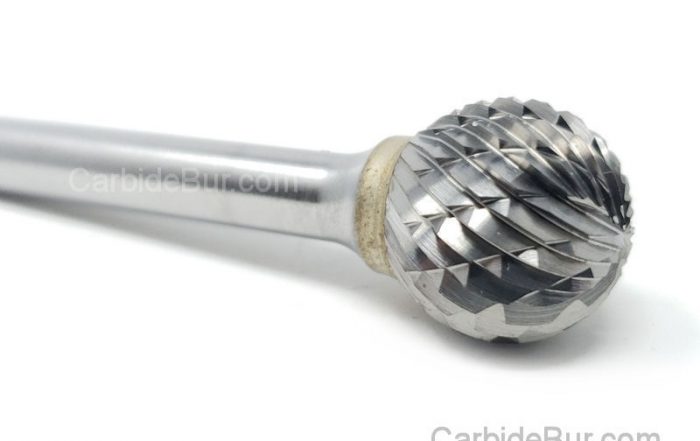
Best Carbide Burr for Removing Flash From Castings
Best Carbide Burr for Removing Flash From Castings Removing flash from castings is a task that can slow down your entire metalworking process if you don’t have the right tools. Picking the best carbide burr [...]
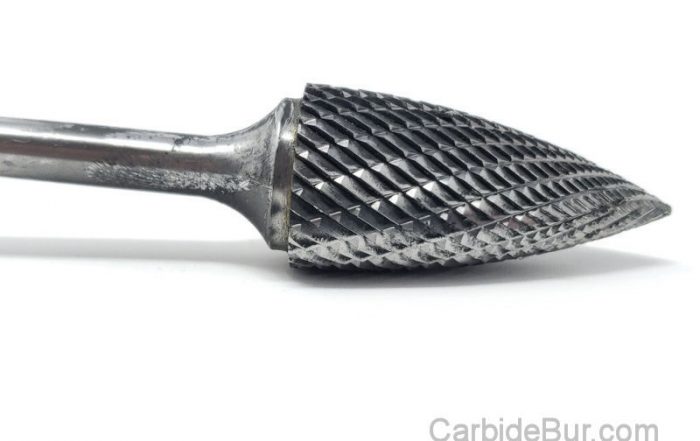
What RPM Should You Use for a 1/4 Inch Carbide Burr?
What RPM Should You Use for a 1/4 Inch Carbide Burr? Most machinists guess the right speed for a 1/4 inch carbide burr and hope for the best. Using the wrong carbide burr RPM can [...]
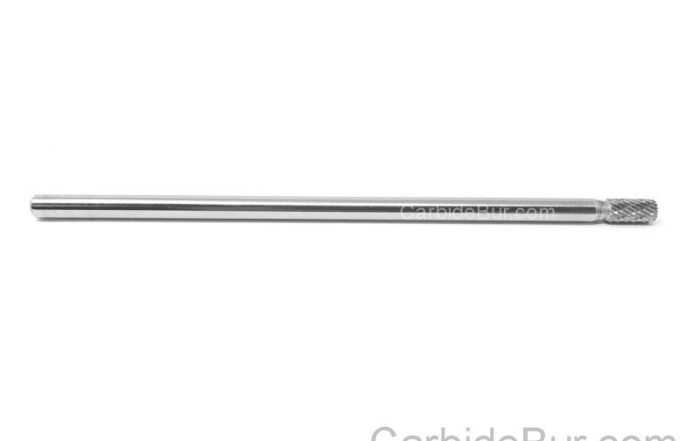
Long Shank Carbide Burrs: When Do You Need One?
Long Shank Carbide Burrs: When Do You Need One? Most machinists overlook the power of long shank carbide burrs until a project demands precision in tight spaces. When your usual tools can’t reach intricate contours, [...]
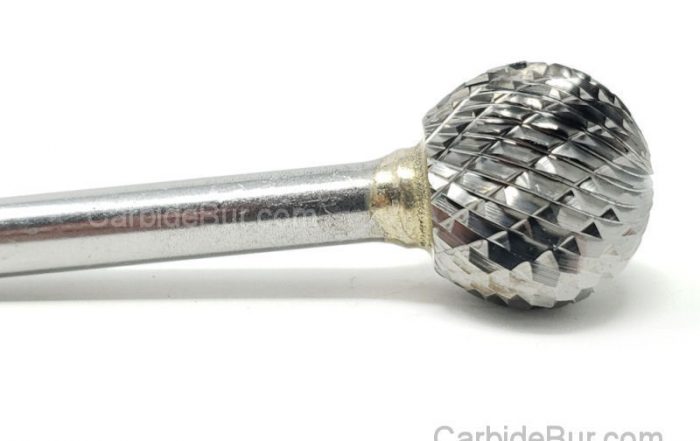
How Deep Can a Carbide Burr Cut Metal?
How Deep Can a Carbide Burr Cut Metal? Carbide burrs often get praised for their precision, but many users hit a wall wondering how deep they can actually cut metal. The truth is, cutting depth [...]
How to Use Carbide Burrs for Port Matching
How to Use Carbide Burrs for Port Matching Most engine builds hit a wall when airflow doesn’t flow smoothly between the ports and manifolds. If your engine isn’t breathing right, your performance stalls. Using the [...]
Best Carbide Burr for Porting Intake Manifolds
Best Carbide Burr for Porting Intake Manifolds Porting intake manifolds can make or break your engine’s airflow, yet many struggle with the right tools for the job. Choosing the best carbide burrs is key to [...]
Best Carbide Burr for Concave Surfaces
Best Carbide Burr for Concave Surfaces Concave surfaces can turn a straightforward project into a frustrating challenge if you don’t have the right tool. Carbide burrs designed for these tricky curves make all the difference [...]
How to Grind a Slot in Metal With a Carbide Burr
How to Grind a Slot in Metal With a Carbide Burr Grinding a precise slot in metal can feel like a tricky task, especially if you’re unsure which tools to trust. Carbide burr grinding offers [...]

Best Carbide Burr for Inside Corners
Best Carbide Burr for Inside Corners Working in tight inside corners can turn even simple projects into frustrating tasks. Many carbide burrs just don’t fit or cut cleanly where you need them most. The best [...]
What Size Carbide Burr Do I Need?
What Size Carbide Burr Do I Need? Picking the wrong carbide burr can turn a simple project into a frustrating mess. You might have the best machining tools but still miss the mark if your [...]
