
From Blades to Torches: The Best Tools for Cutting Hardened Steel
Cutting hardened steel isn’t just tough—it demands the right tools and techniques to get the job done without wearing you down. You’ve probably faced blades that dull too fast or torches that don’t quite deliver the clean cuts you need. This guide breaks down the best tools for cutting steel, from specialized blades to carbide burrs, so you can handle even the hardest jobs with confidence and precision. Explore more about cutting techniques here.
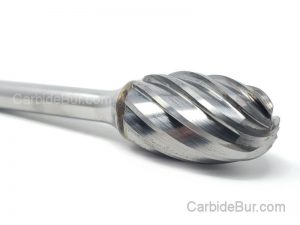
Which carbide bur tool works best for your job?
Understanding Hardened Steel
When it comes to metalworking, understanding the material is key. Hardened steel is one such material that presents both opportunities and challenges. Let’s dive into what makes hardened steel unique and why it can be tricky to cut.
Characteristics of Hardened Steel
Hardened steel is known for its exceptional strength and durability. This makes it a favorite for applications where wear and tear are concerns. It’s created by heating carbon steel and then quenching it, which increases its hardness significantly. This process also makes it resistant to abrasion and deformation. But with great strength comes the challenge of cutting it effectively.
Challenges in Cutting Hardened Steel
The hardness that makes this steel valuable also makes it tough to cut. Standard tools often wear out or break under the pressure. You need the right equipment and techniques to get clean cuts without damaging your tools. This is why specialized tools and methods are necessary. If you’re curious about different tools, check out this Reddit discussion.
Essential Cutting Tools
Having the right tools at your disposal is essential when dealing with hardened steel. Let’s explore some of the key tools that can make your job easier and more precise.
Specialized Blades for Steel
Using the right blade can make all the difference. Bi-metal blades are a good choice as they combine the flexibility of spring steel with the cutting power of high-speed steel teeth. This combination allows for durability and precision, even with tough materials. Also, carbide-tipped blades are popular for their longevity and effectiveness in cutting through hardened steel.
Industrial Cutting Torches
For thicker pieces of steel, industrial cutting torches are your go-to option. They use a mix of gases to generate a high-temperature flame that can slice through steel effortlessly. Plasma cutters are particularly effective, providing fast and clean cuts. They are ideal when precision is crucial. The longer you wait to upgrade your tools, the more challenging your projects become.
Grinding Techniques for Precision
Grinding is a technique that allows for precision. Angle grinders are useful here, though they require care and skill to use effectively. With the right grinding wheel, you can achieve smooth edges and precise cuts. It’s about maintaining control and consistency throughout the process.
Selecting the Right Equipment
Choosing the right equipment is crucial for successful steel cutting. Here’s how you can ensure you have what you need to succeed.
Choosing the Best Tools for Cutting Steel
Consider the thickness and type of steel when selecting tools. For thinner steel, a high-quality saw with specialized blades might be sufficient. For thicker pieces, you might need more robust tools like plasma cutters. The right choice minimizes effort and maximizes results.
Evaluating Equipment for Metal Cutting Techniques
Evaluate your equipment based on power, durability, and precision. High-powered tools can cut faster, but they must also be manageable and safe to operate. Look for equipment that offers a balance of power and control.
Top Picks for Hardened Steel Cutting Methods
For most jobs, a combination of a plasma cutter and carbide-tipped blades works well. These tools provide both speed and accuracy, making them top picks for professionals. For more tips, explore this expert guide.

Mastering Cutting Techniques
Now that you’ve got the right tools, it’s time to master the techniques required for precision cutting.
Precision Metal Cutting Tips
Keep your tools sharp and well-maintained for the best results. Measure twice, cut once: this old adage holds particularly true with hardened steel. Patience and precision are your friends here.
Using Carbide Bur for Efficiency
Carbide burs are excellent for detailed work. These small tools can handle tough jobs and provide smooth finishes. They are ideal for intricate cuts and require minimal pressure to achieve excellent results.
Safety Precautions and Best Practices
Safety should always be your top priority. Wear protective gear, including gloves and goggles, to protect against flying debris. Ensure your work area is well-ventilated and free of obstacles.
Professional Tips and Advice
Avoid common pitfalls and learn from the experts to enhance your cutting projects.
Common Mistakes to Avoid
Avoid using dull tools—they increase the risk of accidents. Also, don’t rush the process: haste can lead to errors and mishaps. Take your time to ensure precision and safety.
Expert Recommendations for Success
Experts suggest regular maintenance of your tools to keep them in top condition. Consistent practice of your cutting techniques also improves your results over time. For more expert advice, check out these lathe tips.
Maintenance of Cutting Tools
Regular cleaning and sharpening of your tools extend their lifespan. Keep a maintenance schedule to ensure that your equipment is always ready for the next project. It’s a small investment of time for significant long-term benefits.
By mastering these strategies, you’ll tackle even the toughest cutting tasks with confidence and precision, ensuring successful outcomes in your projects.
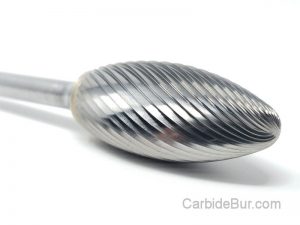
Looking for Carbide Bur Tools?
Check out our entire selection of USA made carbide bur die grinder tool bits
Follow us on Twitter

Return to CarbideBur.com
Carbide Burs – 1/4″ on 1/8″ Shanks – Accessories – Aluminum Cut – Bur Sets – End Mills – Long Shank – Solid Burs
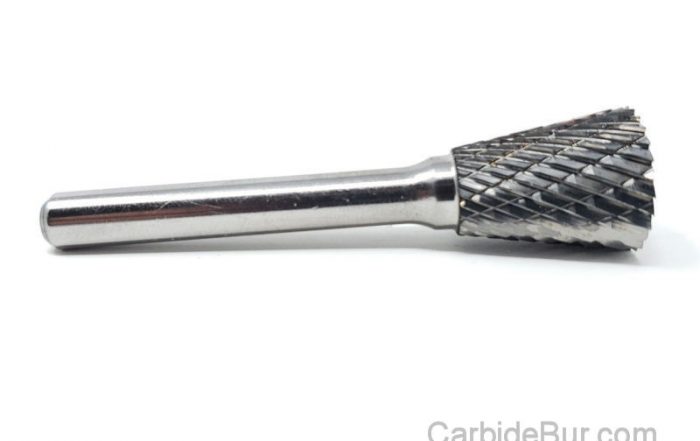
Carbide Burrs for Removing Rust: What Works Best?
Carbide Burrs for Removing Rust: What Works Best? Rust can turn your favorite tools into useless junk faster than you expect. Removing it without ruining the metal underneath takes more than just elbow grease—it demands [...]
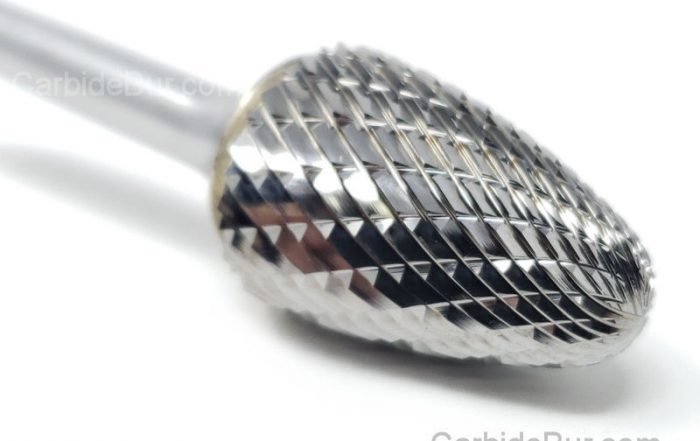
How Much Pressure Should You Use With a Carbide Burr?
How Much Pressure Should You Use With a Carbide Burr? Most people think pressing harder with a carbide burr speeds up the job. That’s not true—too much pressure wears out your tool and ruins the [...]
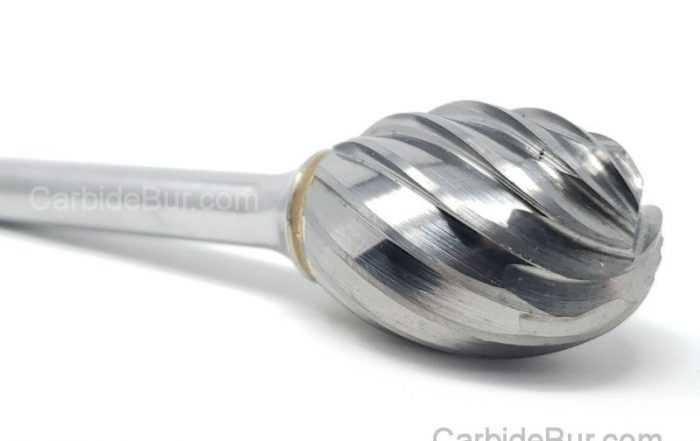
Can You Use Carbide Burrs With an Air Die Grinder?
Can You Use Carbide Burrs With an Air Die Grinder? Most people don’t realize how well carbide burrs work with air die grinders until they try them. If you’ve ever struggled with finding the right [...]
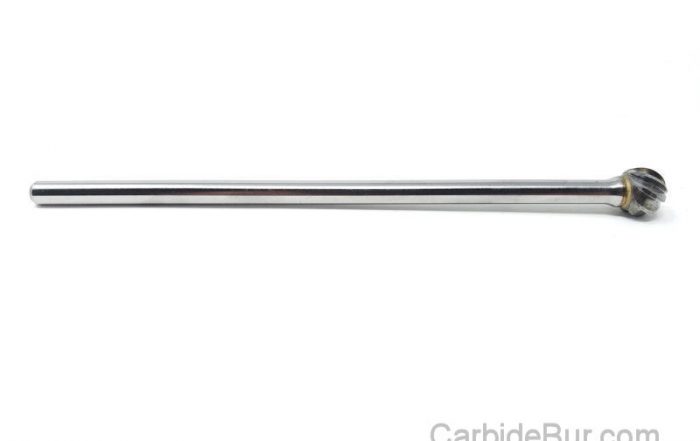
Best Long Reach Carbide Burr for Deep Metal Work
Best Long Reach Carbide Burr for Deep Metal Work Long reach carbide burrs often promise deep metal access, but many fall short where it counts most. You need a tool that cuts cleanly, lasts through [...]
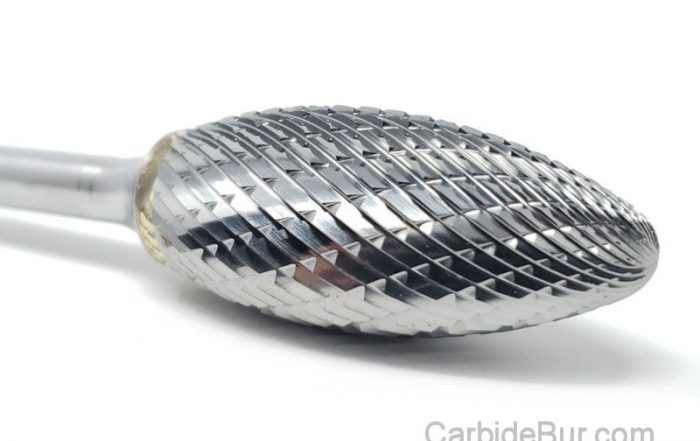
What RPM Should You Use for a 1/8 Inch Carbide Burr?
What RPM Should You Use for a 1/8 Inch Carbide Burr? Most people guess the right carbide burr RPM by feel—and waste hours redoing work. If you want cleaner cuts and longer tool life, your [...]
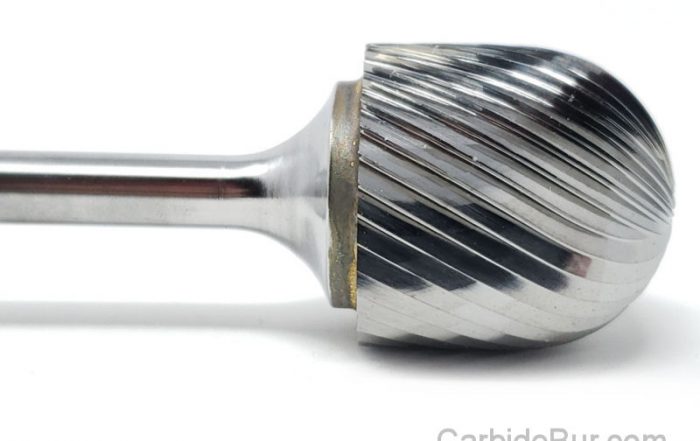
Carbide Burrs for Tight Spaces: Choosing the Right Shape
Carbide Burrs for Tight Spaces: Choosing the Right Shape Tackling tight spaces with the wrong carbide burrs wastes time and risks damaging your work. Choosing the right burr shape makes all the difference when working [...]
Can Carbide Burrs Remove Paint From Metal?
Can Carbide Burrs Remove Paint From Metal? Stripping paint from metal often feels like a tough chore that risks damaging the surface underneath. Many turn to carbide burrs hoping they can speed things up without [...]
How to Grind a Groove in Metal With a Carbide Burr
How to Grind a Groove in Metal With a Carbide Burr Most metalworkers struggle to cut clean grooves without wasting time or ruining their workpiece. Many try different metalworking tools but end up with uneven [...]
Can Carbide Burrs Cut Through Welds?
Can Carbide Burrs Cut Through Welds? Cutting through welds can feel like a battle, especially when you need clean results without harming the base metal. Carbide burrs offer a sharp edge in this fight, but [...]
How to Use a Carbide Burr With a Die Grinder
How to Use a Carbide Burr With a Die Grinder Most people treat a carbide burr like just another tool, but using it with a die grinder takes skill. If you’ve struggled with burr installation [...]
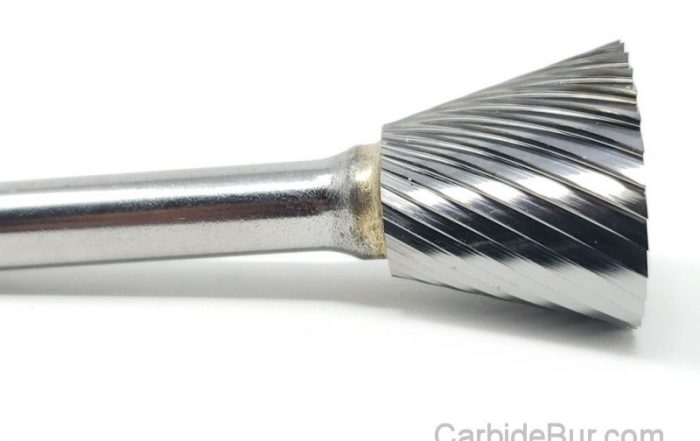
1/8 vs 1/4 Inch Carbide Burrs: What’s the Difference?
1/8 vs 1/4 Inch Carbide Burrs: What's the Difference? Choosing between a 1/8 inch carbide burr and a 1/4 inch carbide burr can change how your project turns out. Many machinists and hobbyists overlook how [...]
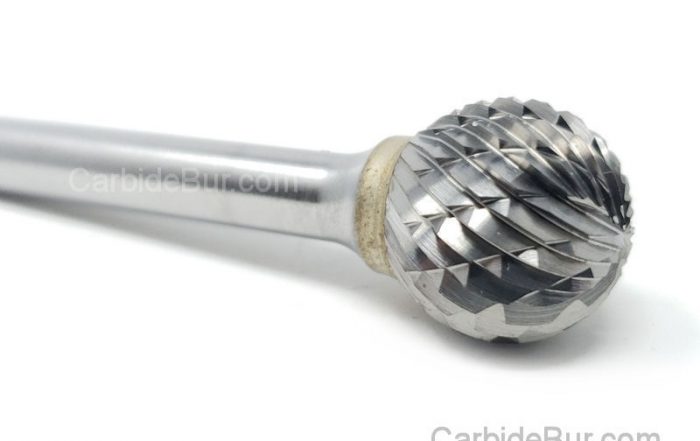
Best Carbide Burr for Removing Flash From Castings
Best Carbide Burr for Removing Flash From Castings Removing flash from castings is a task that can slow down your entire metalworking process if you don’t have the right tools. Picking the best carbide burr [...]
