
How to Choose the Best Rotary Burr for Your Stainless Steel Exhaust Work
Most rotary burrs burn out fast when handling stainless steel exhausts. You need a burr that cuts tough metal without losing its edge. This guide breaks down the best rotary burrs designed for shaping and smoothing stainless steel exhausts, so you get clean, precise cuts that last through every project. Learn more about selecting the right tool here.
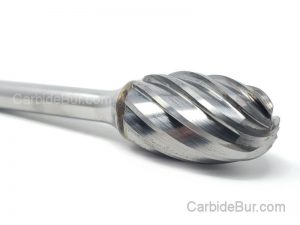
Which carbide bur tool works best for your job?
Understanding Rotary Burrs
When tackling stainless steel exhausts, understanding rotary burrs is crucial. Let’s explore different types and why they’re key in your automotive projects.
Types of Rotary Burrs
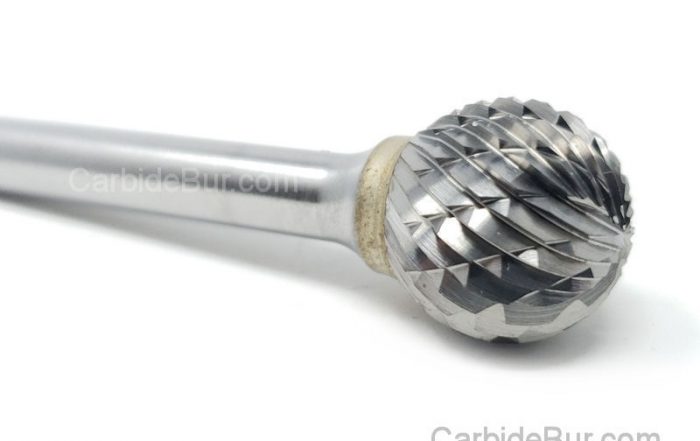
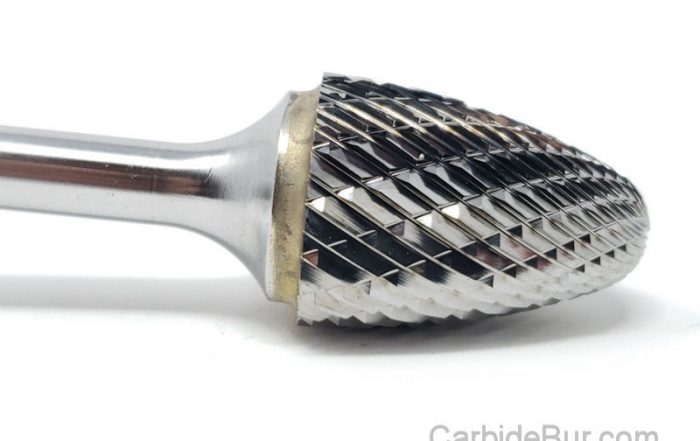
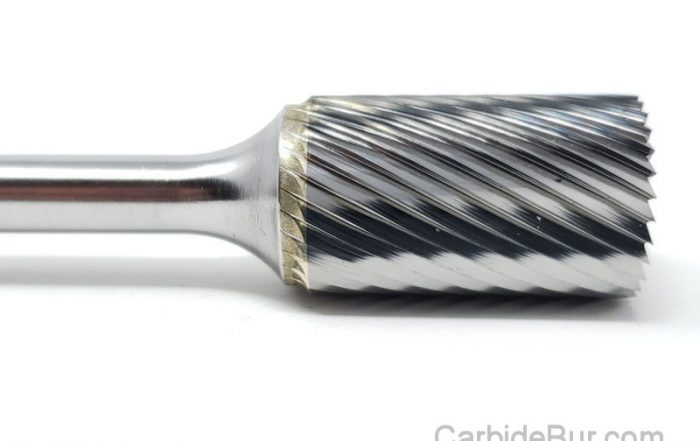
Rotary burrs come in various shapes and materials, each suited for specific tasks. Common types include cylindrical, spherical, and pointed burrs. Cylindrical burrs are perfect for flat surfaces, while spherical ones handle curves well. Pointed burrs reach tight spots. Choosing the right shape depends on your project needs. Material matters too. Carbide burrs are popular due to their heat resistance and durability, especially on tough metals. Discover more about carbide burrs here.
Importance of Cutting Efficiency
Cutting efficiency is the game-changer in exhaust work. You want a burr that bites through stainless steel smoothly. Efficient cutting means reduced stress on both the tool and the metal. This leads to cleaner cuts and longer tool life. An efficient burr saves time and effort, enhancing your work quality. For deeper insights into selecting efficient tools, check this guide.
Durability in Automotive Tools
Durability is essential in automotive tools. A durable burr withstands the demanding environment of exhaust work. It resists wear and tear, maintaining its shape and sharpness. This not only assures consistent performance but also reduces the need for frequent replacements, saving you money in the long run. Dive into durable options in this resource.
Choosing the Right Burr
Selecting the right burr for stainless steel exhausts involves considering specific factors. The right choice ensures precision and efficiency in your projects.
Factors for Stainless Steel Exhaust
When working on stainless steel exhausts, consider the burr’s size, material, and shape. A larger burr covers more area but might lack precision. Smaller burrs provide detail but need more time. The material should handle stainless steel’s toughness without dulling quickly. Carbide is often recommended. Also, pick a shape that matches the exhaust surface. Learn more on these factors here.
Selecting for Specific Projects
Each project demands a tailored approach. For intricate designs, opt for small, pointed burrs. For broad surfaces, cylindrical burrs are better. Understand the project’s scope and choose accordingly. This tailored approach ensures efficiency and precision. Most professionals prefer carbide for these tasks due to its reliability.
Comparing Carbide and Steel Burrs
Carbide and steel burrs serve different purposes. Carbide burrs are known for their strength and longevity, ideal for tough metals like stainless steel. Steel burrs might be cheaper, but they dull faster, especially on harder surfaces. In many cases, carbide wins for its durability and performance. Check out a detailed comparison here.
Top Burrs for Exhaust Work
Now that you know what to look for, let’s explore some top rotary burr options for exhaust work. These tools are your best allies in achieving quality results.
Best Rotary Burr Options
The market offers a variety of burrs specifically designed for stainless steel exhaust work. Some top options include those with high-grade carbide construction. These burrs provide excellent heat resistance and maintain sharpness longer. Brands like SAIT and Norton are renowned for their quality burrs. Look for burrs with spiral flute designs for smoother cuts.

Shaping Stainless Steel Burrs
Shaping burrs are crafted for precision. Their pointed tips allow you to carve intricate designs or reach tight spots on exhausts. These burrs come in various sizes, catering to different project needs. When shaping stainless steel, choose burrs with high rotational speeds for better control and precision. These are especially useful for custom exhaust designs.
Grinding and Smoothing Burrs
Grinding and smoothing burrs are vital for finishing jobs. They help remove imperfections and polish surfaces. Burrs with larger heads work well for broad areas, while smaller ones provide detail work. For a polished finish, opt for burrs with a fine grit. This ensures your exhaust looks professional and functions optimally.
Tips for Effective Use
Using your rotary burrs effectively can make a significant difference in your work. Here’s how to achieve the best results with your tools.
Ensuring Clean Cuts
Clean cuts start with the right speed and pressure. Too much pressure can dull the burr or damage the exhaust. Let the burr do the work with minimal force. Choose the correct speed setting on your tool, as high speeds can cause overheating. Always practice on a scrap piece to perfect your technique.
Maintaining Your Burrs
Maintenance is key to extending the life of your burrs. Clean them regularly to remove metal shavings that can cause wear. Store them properly, avoiding contact with other tools that could damage the cutting edges. A well-maintained burr not only lasts longer but performs better, ensuring consistent results.
Safety in Metalworking Burrs
Safety should always be a priority. Wear protective gear, such as goggles and gloves, to shield yourself from metal shards. Ensure your work area is well-ventilated to avoid inhaling metal dust. Always secure your workpiece firmly to prevent it from moving during cutting. Safety ensures a smooth and trouble-free workflow.
Enhancing Your Automotive Experience
With the right tools and techniques, you can enhance your automotive projects, achieving precision and longevity in your work.
Achieving Precision and Longevity
Precision in exhaust work comes from using the right burrs alongside practiced techniques. This not only improves the quality of your work but also ensures the exhaust’s longevity. Properly cut and shaped stainless steel exhausts perform better and last longer, offering you peace of mind.
The Role of Cutting Tools for Steel
Cutting tools are the backbone of any metalworking project. They define the quality and efficiency of your work. Having the right tools ensures you can handle any challenge your project presents. Investing in high-quality cutting tools is a step towards success.
Building Confidence in Exhaust System Tools
Confidence in your tools translates to confidence in your work. Knowing your burrs are up to the task allows you to focus on creativity and precision. With the right tools, you’ll tackle stainless steel exhausts with ease, achieving professional-grade results every time.
With these insights, you’re equipped to choose and use the best rotary burrs for your stainless steel exhaust projects, ensuring excellence in every cut.
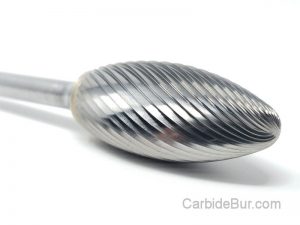
Looking for Carbide Bur Tools?
Check out our entire selection of USA made carbide bur die grinder tool bits
Follow us on Twitter

Return to CarbideBur.com
Carbide Burs – 1/4″ on 1/8″ Shanks – Accessories – Aluminum Cut – Bur Sets – End Mills – Long Shank – Solid Burs
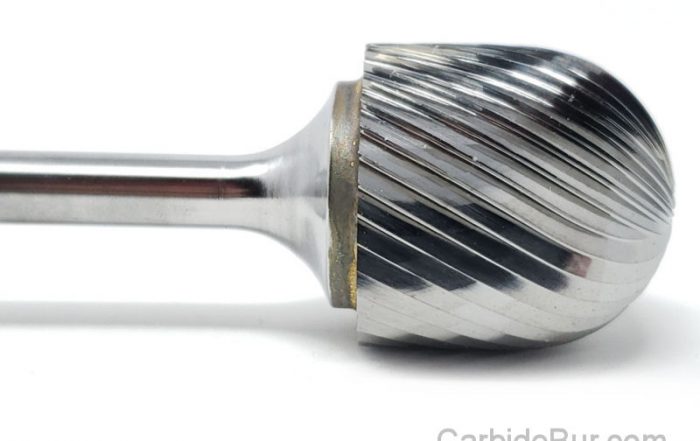
How to Get More Life from Your Carbide Burrs
How to Get More Life from Your Carbide Burrs Carbide burrs are valuable tools for welders, fabricators, machinists, automotive enthusiasts, and anyone who regularly works with metal. They can remove material, shape edges, clean up [...]
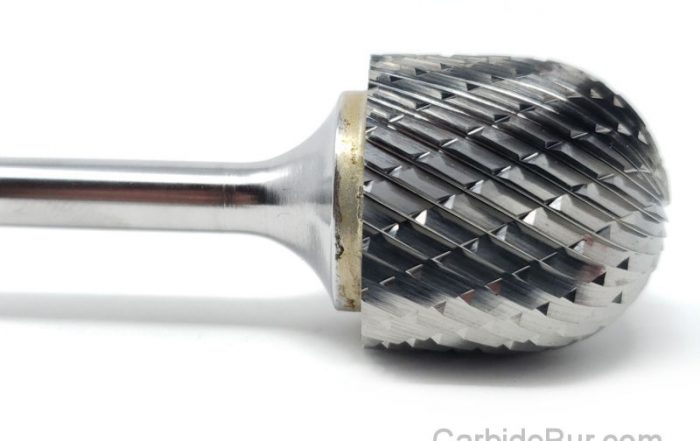
Are Expensive Carbide Burrs Worth It? Comparing Price and Performance
Are Expensive Carbide Burrs Worth It? Comparing Price and Performance When shopping for carbide burrs, it's easy to assume that the cheapest option saves money. But if you use rotary cutting tools regularly for welding, [...]
Carbide Burr vs. Grinding Stone: Which Is Better for Metal Removal?
Carbide Burr vs. Grinding Stone: Which Is Better for Metal Removal? When you need to remove metal, smooth a rough edge, or shape a metal component, two common options are carbide burrs and grinding stones. [...]
Carbide Burr Safety: RPM, Eye Protection, and Common Mistakes
Carbide Burr Safety: RPM, Eye Protection, and Common Mistakes Carbide burrs are versatile cutting tools used for metal fabrication, welding cleanup, engine porting, deburring, and general material removal. When used correctly, they can help remove [...]
How to Stop Aluminum from Clogging Your Carbide Burr
How to Stop Aluminum from Clogging Your Carbide Burr Aluminum is widely used in automotive work, welding, metal fabrication, aerospace components, and general machining. It is lightweight, relatively easy to machine, and versatile across many [...]
Carbide Burrs for Intake Manifolds: Shaping, Cleanup, and Fitment
Carbide Burrs for Intake Manifolds: Shaping, Cleanup, and Fitment Intake manifold work often involves more than simply bolting a component onto an engine. Depending on the application, metal intake components may have casting irregularities, rough [...]
Why Long-Shank Carbide Burrs Are Useful for Hard-to-Reach Areas
Why Long-Shank Carbide Burrs Are Useful for Hard-to-Reach Areas When working on metal parts, the area that needs grinding or shaping is not always easy to reach. Recessed openings, deep cavities, interior surfaces, and complicated [...]
Choosing Carbide Burrs for Stainless Steel Fabrication
Choosing Carbide Burrs for Stainless Steel Fabrication Stainless steel is widely used in fabrication because of its corrosion resistance, strength, and durability. However, those same properties can make it challenging to machine and finish. Removing [...]
Can You Use Carbide Burrs in a Dremel? Shank Sizes Explained
Can You Use Carbide Burrs in a Dremel? Shank Sizes Explained If you use a Dremel or another rotary tool for detail work, metal shaping, or small fabrication projects, you may wonder whether you can [...]
How to Choose the Best Carbide Burr for Welding and Metal Fabrication
How to Choose the Best Carbide Burr for Welding and Metal Fabrication Welding and metal fabrication often require more than joining two pieces of metal together. Once the welding is finished, fabricators frequently need to [...]
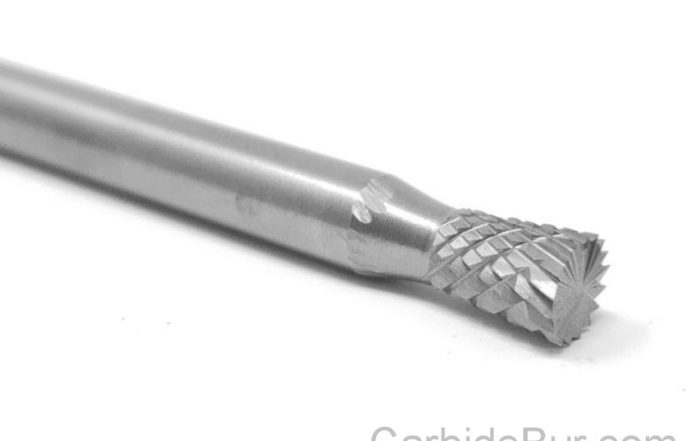
Carbide Burrs for Cylinder Heads: What Automotive Enthusiasts Need to Know
Carbide Burrs for Cylinder Heads: What Automotive Enthusiasts Need to Know Cylinder head work is an important part of engine building, restoration, and performance machining. Whether you are cleaning up casting imperfections, refining port surfaces, [...]
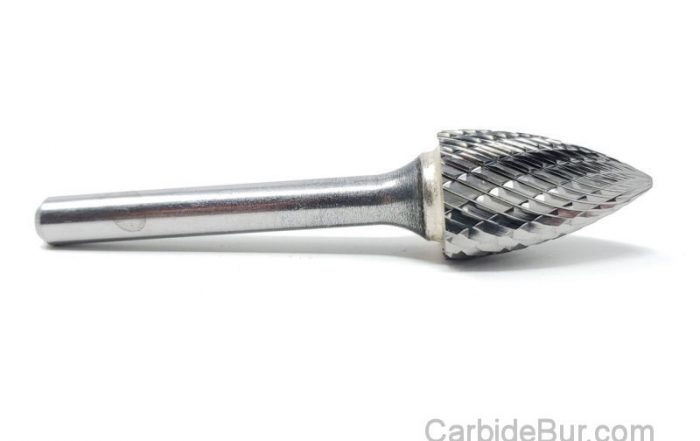
Engine Porting 101: How Carbide Burrs Help Shape Cylinder Head Ports
Engine Porting 101: How Carbide Burrs Help Shape Cylinder Head Ports Engine performance enthusiasts, automotive machinists, and engine builders often look for ways to improve airflow through an engine's cylinder heads. One technique used in [...]
