
Woodworking & Metalworking Tools: The Secret to Success with Carbide Burrs
Working in tight spaces often means settling for tools that just barely fit—until now. The best carbide burr for tight spaces lets you handle detailed metalworking and woodworking tasks with unmatched control and precision. You’ll learn which burr shapes work best in cramped spots and how to maneuver them for clean, accurate results every time. For more information, check out this comprehensive guide on carbide burrs.
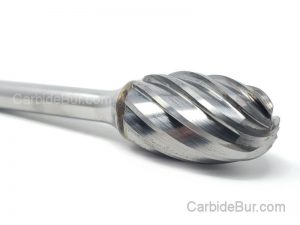
Which carbide bur tool works best for your job?
Understanding Carbide Burrs
Carbide burrs are the unsung heroes in the world of precision tools. They offer unmatched control in tight spaces, making them a go-to choice for detailed work.
What Are Carbide Burrs?
Carbide burrs are small cutting tools used in rotary tools. They’re crafted from tungsten carbide, which is twice as hard as steel. This makes them ideal for shaping, grinding, and removing material. You might wonder what sets them apart from other tools. It’s their precision and durability. They maintain their sharpness longer and can handle tough materials like metal and wood.
Importance of Precision Tools
Precision tools, like carbide burrs, are essential for detailed work. They allow you to make intricate cuts that would be impossible with larger tools. Think of them as the scalpel in your toolbox. Having the right tools ensures you get the job done right the first time. It’s not just about making the cut, but making it perfectly.
Choosing the Right Burr Shape
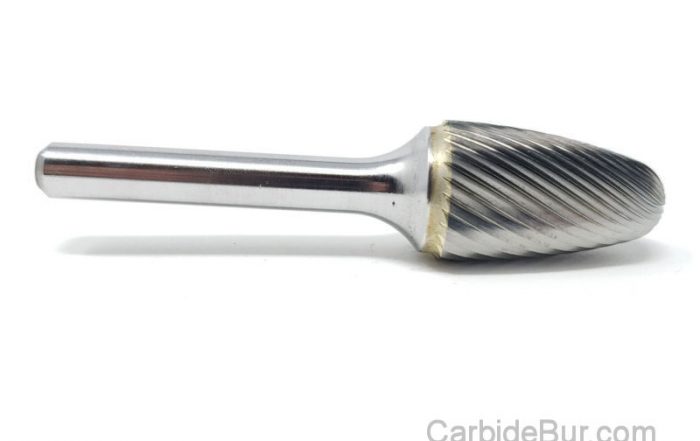
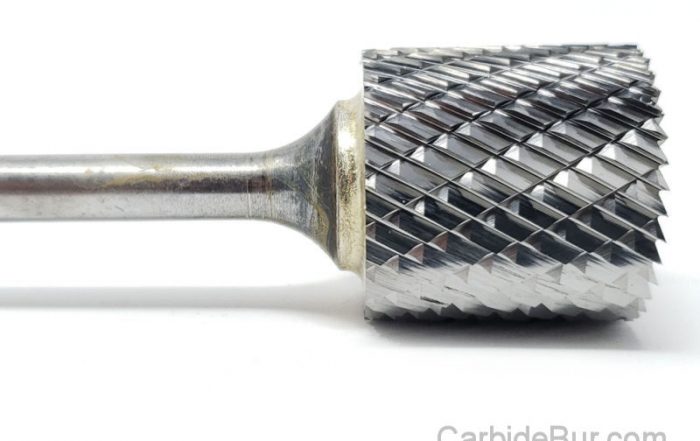
Selecting the right burr shape is crucial. The shape determines how well you can work in confined spaces. For instance, a cylinder burr is great for flat surfaces, while a cone burr excels in tight corners. Each shape has its specific uses, so knowing which one to pick can make all the difference.
Best Carbide Burrs for Tight Spaces
Now that you know the basics, let’s delve into the best carbide burrs suited for tight spaces. This is where the real magic happens.
Top Burr Shapes for Confined Areas
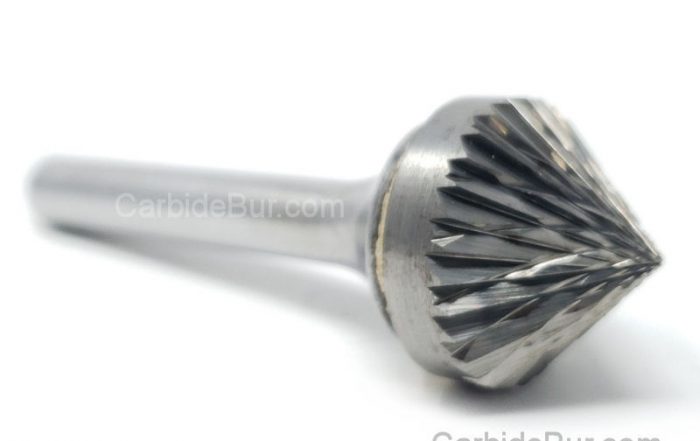
In tight spaces, certain burr shapes excel. Cone-shaped burrs, for example, are perfect for reaching into corners. They’re tapered, allowing for precise control. Similarly, point-shaped burrs work wonders in narrow grooves. These shapes give you the flexibility to maneuver with ease.
Ideal Burr Sizes for Precision Tasks
Size matters when working in confined areas. Smaller burrs offer more control, especially in delicate tasks. Opting for a size that fits the task is essential. A 1/4 inch burr is versatile and works well for most applications, offering precision without sacrificing efficiency.
Materials and Their Specific Burr Applications
Different materials require different burrs. For metal, a double-cut burr provides a smoother finish. In wood, single-cut burrs are preferred for fast material removal. Understanding the material you’re working with helps in selecting the right burr. This ensures optimal performance and a flawless finish.
Enhancing Efficiency with Carbide Burrs
Efficiency is key in any project. With the right techniques, you can maximize the benefits of carbide burrs.
Maneuvering in Tight Spaces
Navigating tight spaces with burrs requires skill. The key is slow, steady movements. This approach minimizes mistakes and ensures a clean cut. Practicing these techniques enhances your control, allowing you to work more confidently.

Techniques for Optimal Results
For the best results, consider these techniques:
-
Use light pressure to avoid overcutting.
-
Keep the burr moving to prevent heat buildup.
-
Use the correct speed for the material.
These tips help achieve a professional finish every time.
Safety Tips for Burr Usage
Safety is paramount when using carbide burrs. Always wear protective gear, like goggles and gloves. Ensure your workspace is well-lit and free of clutter. Following safety protocols protects you and prolongs the life of your tools.
Carbide Burrs in Woodworking and Metalworking
Carbide burrs shine in both woodworking and metalworking. They bridge the gap between these crafts, offering versatility and precision.
Applications in Woodworking Projects
In woodworking, carbide burrs are invaluable. They’re used for carving intricate designs and smoothing rough edges. Their precision allows you to create detailed patterns with ease. This makes them a favorite among woodworkers.
Metalworking Tasks Made Easier
Metalworking tasks become simpler with carbide burrs. They’re ideal for deburring, shaping, and finishing metal pieces. Their durability ensures they withstand the demands of metalwork, providing a smooth, polished finish.
Bridging the Gap Between Crafts
Carbide burrs seamlessly transition between woodworking and metalworking. This versatility makes them a must-have in any craftsman’s toolbox. Whether you’re shaping wood or refining metal, these burrs deliver consistent results.
Tips for Selecting and Maintaining Burrs
Selecting and maintaining your burrs is crucial for longevity and performance. Here’s what you need to know.
How to Choose the Best Carbide Burr
Choosing the right burr involves considering the task at hand, the material, and the desired finish. Research and compare different types to find the best fit for your needs.
Maintaining Your Burrs for Longevity
Proper maintenance extends the life of your burrs. Clean them after each use to remove debris. Store them in a dry place to prevent rust. Regular maintenance ensures they remain sharp and effective.
Common Mistakes to Avoid
Avoid using the wrong burr for the material, as this can damage both the tool and the workpiece. Always match the burr to the task, and don’t rush the process. Patience and attention to detail are key to success.
With these insights, you’re now better prepared to tackle your projects with confidence. Take the time to choose the right burr, and watch your work transform into masterpieces. For more detailed information on selecting and using carbide burrs, visit Empire Abrasives’ guide.
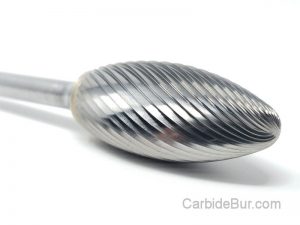
Looking for Carbide Bur Tools?
Check out our entire selection of USA made carbide bur die grinder tool bits
Follow us on Twitter

Return to CarbideBur.com
Carbide Burs – 1/4″ on 1/8″ Shanks – Accessories – Aluminum Cut – Bur Sets – End Mills – Long Shank – Solid Burs
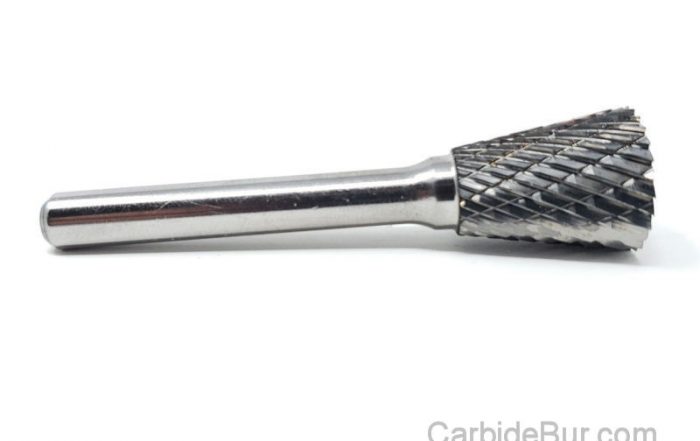
Carbide Burrs for Removing Rust: What Works Best?
Carbide Burrs for Removing Rust: What Works Best? Rust can turn your favorite tools into useless junk faster than you expect. Removing it without ruining the metal underneath takes more than just elbow grease—it demands [...]
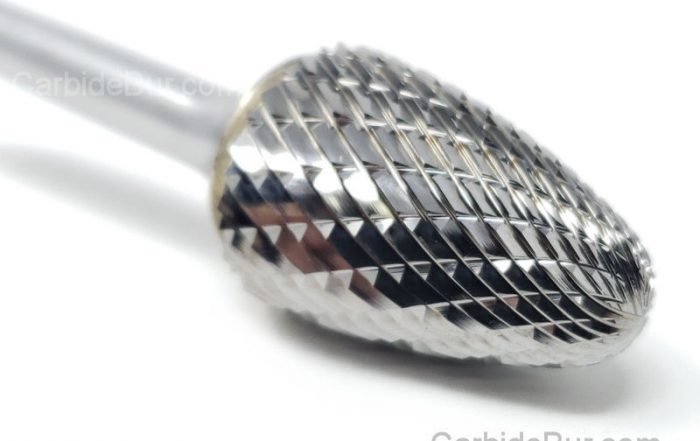
How Much Pressure Should You Use With a Carbide Burr?
How Much Pressure Should You Use With a Carbide Burr? Most people think pressing harder with a carbide burr speeds up the job. That’s not true—too much pressure wears out your tool and ruins the [...]
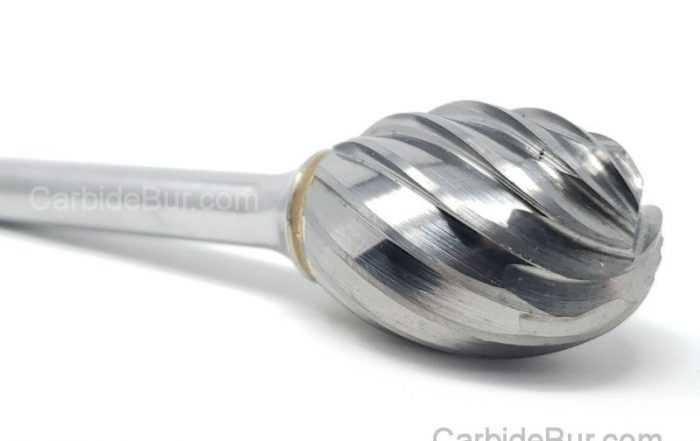
Can You Use Carbide Burrs With an Air Die Grinder?
Can You Use Carbide Burrs With an Air Die Grinder? Most people don’t realize how well carbide burrs work with air die grinders until they try them. If you’ve ever struggled with finding the right [...]
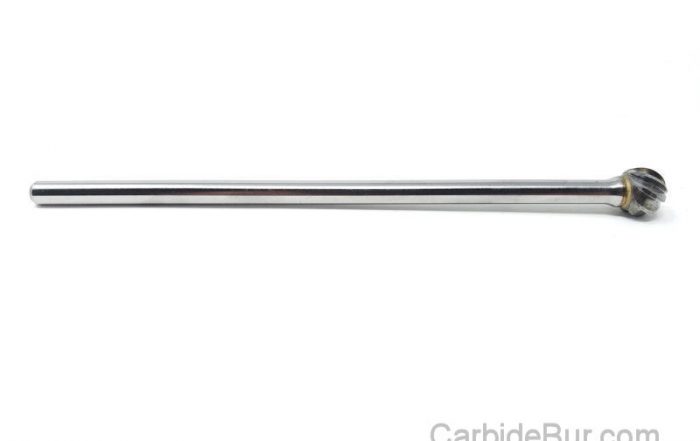
Best Long Reach Carbide Burr for Deep Metal Work
Best Long Reach Carbide Burr for Deep Metal Work Long reach carbide burrs often promise deep metal access, but many fall short where it counts most. You need a tool that cuts cleanly, lasts through [...]
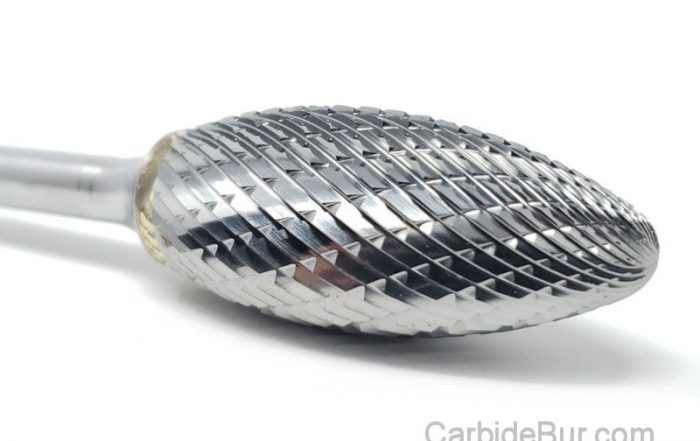
What RPM Should You Use for a 1/8 Inch Carbide Burr?
What RPM Should You Use for a 1/8 Inch Carbide Burr? Most people guess the right carbide burr RPM by feel—and waste hours redoing work. If you want cleaner cuts and longer tool life, your [...]
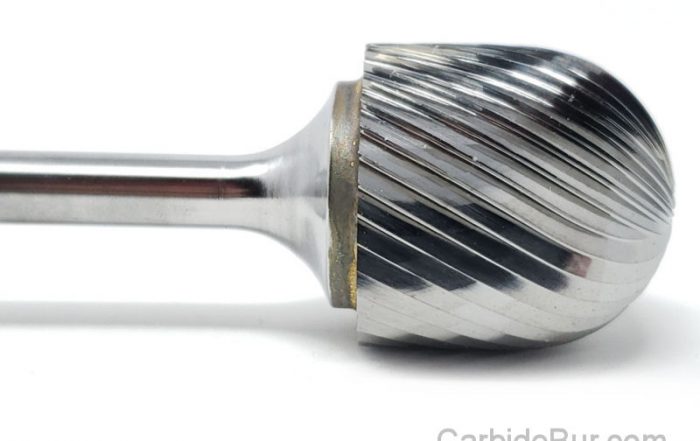
Carbide Burrs for Tight Spaces: Choosing the Right Shape
Carbide Burrs for Tight Spaces: Choosing the Right Shape Tackling tight spaces with the wrong carbide burrs wastes time and risks damaging your work. Choosing the right burr shape makes all the difference when working [...]
Can Carbide Burrs Remove Paint From Metal?
Can Carbide Burrs Remove Paint From Metal? Stripping paint from metal often feels like a tough chore that risks damaging the surface underneath. Many turn to carbide burrs hoping they can speed things up without [...]
How to Grind a Groove in Metal With a Carbide Burr
How to Grind a Groove in Metal With a Carbide Burr Most metalworkers struggle to cut clean grooves without wasting time or ruining their workpiece. Many try different metalworking tools but end up with uneven [...]
Can Carbide Burrs Cut Through Welds?
Can Carbide Burrs Cut Through Welds? Cutting through welds can feel like a battle, especially when you need clean results without harming the base metal. Carbide burrs offer a sharp edge in this fight, but [...]
How to Use a Carbide Burr With a Die Grinder
How to Use a Carbide Burr With a Die Grinder Most people treat a carbide burr like just another tool, but using it with a die grinder takes skill. If you’ve struggled with burr installation [...]
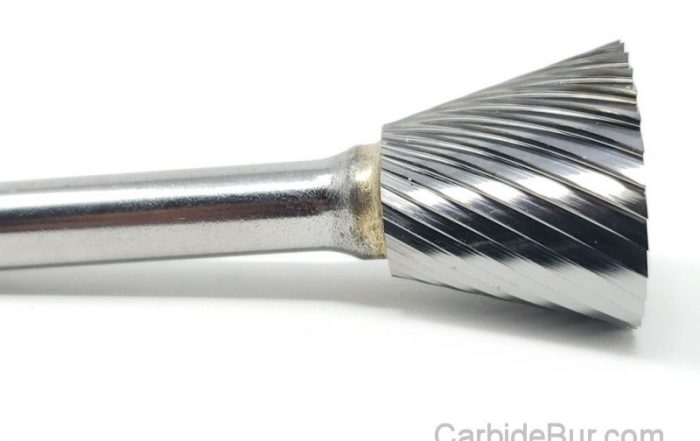
1/8 vs 1/4 Inch Carbide Burrs: What’s the Difference?
1/8 vs 1/4 Inch Carbide Burrs: What's the Difference? Choosing between a 1/8 inch carbide burr and a 1/4 inch carbide burr can change how your project turns out. Many machinists and hobbyists overlook how [...]
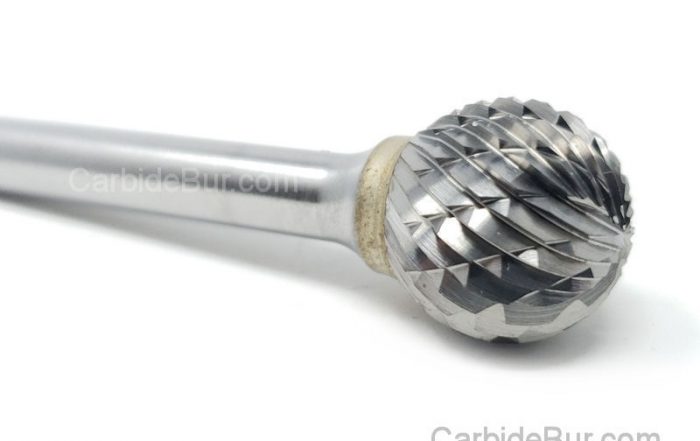
Best Carbide Burr for Removing Flash From Castings
Best Carbide Burr for Removing Flash From Castings Removing flash from castings is a task that can slow down your entire metalworking process if you don’t have the right tools. Picking the best carbide burr [...]
