
The Vibrant Truth: Exploring Common Vibration Causes in Carbide Burrs
Vibration in your carbide burr can throw off your work and damage materials faster than you think. Many machinists overlook how improper mounting or unbalanced burrs quietly sabotage burr operation efficiency. Feed rates and the type of material being processed add more complexity you might not expect. Keep reading to pinpoint these vibration causes and keep your carbide burr running smooth and precise. For more insights into why carbide burrs vibrate and chatter, check out this guide.
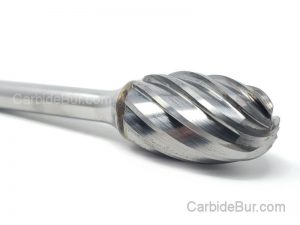
Which carbide bur tool works best for your job?
Understanding Carbide Burr Vibration
Understanding the reasons behind carbide burr vibration is the first step toward achieving smoother operations. By identifying these issues, you can significantly improve your outcomes and prevent unnecessary wear and tear.
Impact of Improper Mounting
Improper mounting is a major culprit behind unwanted vibrations. When you mount a burr incorrectly, you risk creating an imbalance that translates into vibrations. A good mount ensures that the burr is aligned correctly with the tool. If it’s off even a little, you will notice a marked difference in stability.
To avoid this, make sure to check the alignment carefully. Use tools to measure and adjust before starting your work. Secure the burr tightly without over-tensioning, which could also lead to issues. Proper mounting is a simple but effective way to minimize vibration.
Effects of Unbalanced Burrs
Unbalanced burrs are another common reason for vibrations. When the weight distribution on the burr isn’t even, it causes the burr to wobble during operation. This not only affects the quality of your work but can also damage your tool over time.
Regularly check your burrs for signs of wear or unevenness. Balancing the burr helps maintain stability during use. A balanced burr leads to a smoother operation, reducing the risk of errors in your projects.
Influence of Feed Rates
Feed rates play a crucial role in controlling vibrations. Adjusting them appropriately can make a big difference in your work’s precision and quality.
Consistent vs. Varying Speeds
Consistent feed rates help maintain a steady operation. When you maintain a steady speed, you give yourself a better chance to create uniform cuts. On the other hand, varying speeds can introduce inconsistencies. They often lead to uneven cuts and unexpected vibrations.
To achieve this, keep your speed constant unless the material requires a change. Consider using a speed controller for better management. This approach will help you achieve more accurate results.
Optimal Feed Rates for Smooth Operation
Finding the right feed rate is key to reducing vibrations. Consider the type of material and the burr you’re using. Different materials and burr types may need different speeds for optimal results.
Experiment with different rates to find what works best for your setup. Keep in mind that slower is not always better. Sometimes, a slightly faster rate can result in a cleaner cut. Balance is essential for effective operation.
Material Processing Challenges
The type of material you’re working with can also influence burr vibration. Understanding these challenges can help you adapt your techniques.
Processing Hard vs. Soft Materials
Hard materials often require different approaches compared to soft ones. Hard materials can cause more vibrations due to their resistance. Soft materials, while easier to cut, can still present challenges if not handled correctly.
Hard materials may require slower feed rates to reduce vibration. Soft materials might need precise control to prevent tearing or overcutting. Adjust your approach depending on the material for better outcomes.

Adapting Techniques for Different Materials
Every material requires a unique approach. Knowing how to adjust your technique can help you minimize vibration. For instance, softer materials might benefit from sharper burrs and faster speeds.
Experiment with different techniques to see what works. Don’t be afraid to change your method based on the material’s characteristics. This adaptability will enhance your workflow.
Enhancing Burr Operation Efficiency
Improving burr operation efficiency involves identifying and mitigating vibration causes. This can lead to better results and extended tool life.
Identifying and Mitigating Vibration Causes
Identifying the root causes of vibration is vital. Once you know what’s causing the problem, you can take steps to fix it. Check for issues like improper mounting, unbalanced burrs, and incorrect feed rates. Address these to enhance efficiency.
Regular maintenance checks can help you spot problems early. This proactive approach prevents bigger issues down the road, ensuring smoother operations.
Best Practices for Effective Burr Use
Adopting best practices can greatly improve your burr operations. This includes regular maintenance, proper mounting, and correct speed settings. Emphasizing these practices will result in more accurate and reliable results.
Additionally, invest in quality tools and accessories. They might cost more upfront but will save you on repairs and replacements in the long run.
Achieving Precision and Accuracy
Precision and accuracy are critical for high-quality results. By focusing on these areas, you can significantly improve your work.
Techniques for Accurate Material Removal
To achieve accurate material removal, focus on your technique. Ensure that you’re applying even pressure and maintaining a steady pace. This minimizes errors and produces cleaner cuts.
Consider using guides or jigs for more precise work. These tools help maintain accuracy, especially on intricate projects.
Tips for Reducing Material Damage
Reducing material damage involves careful technique and proper tool use. Avoid excessive force, as it can lead to chipping or breaking. Instead, let the tool do the work. This approach helps preserve the material’s integrity.
Regularly inspect your burrs for wear. A well-maintained tool is less likely to cause damage. Keeping your burrs in good condition ensures better results and longer tool life.
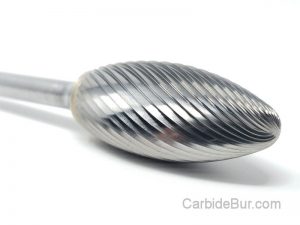
Looking for Carbide Bur Tools?
Check out our entire selection of USA made carbide bur die grinder tool bits
Follow us on Twitter

Return to CarbideBur.com
Carbide Burs – 1/4″ on 1/8″ Shanks – Accessories – Aluminum Cut – Bur Sets – End Mills – Long Shank – Solid Burs
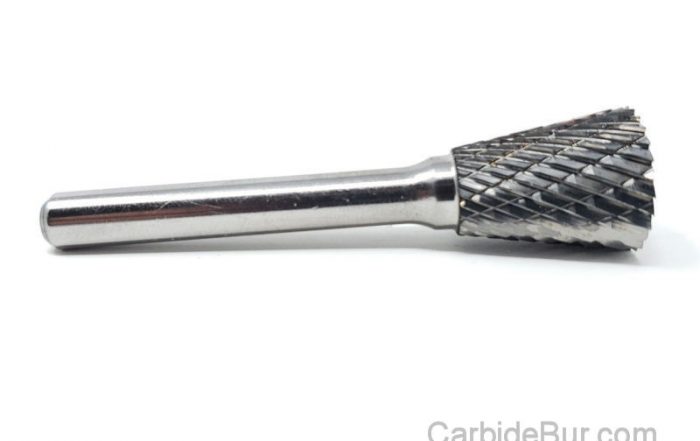
Carbide Burrs for Removing Rust: What Works Best?
Carbide Burrs for Removing Rust: What Works Best? Rust can turn your favorite tools into useless junk faster than you expect. Removing it without ruining the metal underneath takes more than just elbow grease—it demands [...]
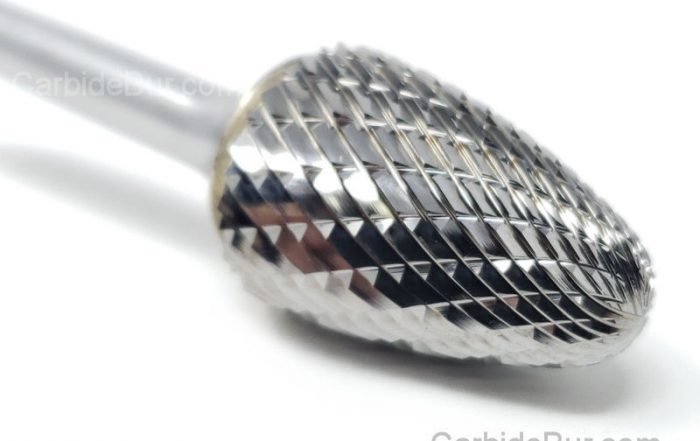
How Much Pressure Should You Use With a Carbide Burr?
How Much Pressure Should You Use With a Carbide Burr? Most people think pressing harder with a carbide burr speeds up the job. That’s not true—too much pressure wears out your tool and ruins the [...]
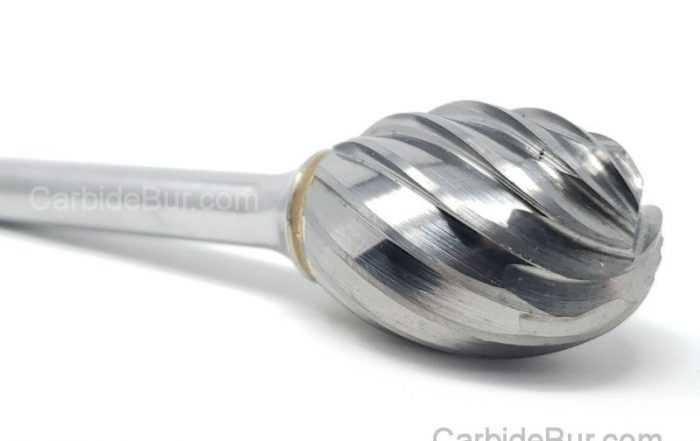
Can You Use Carbide Burrs With an Air Die Grinder?
Can You Use Carbide Burrs With an Air Die Grinder? Most people don’t realize how well carbide burrs work with air die grinders until they try them. If you’ve ever struggled with finding the right [...]
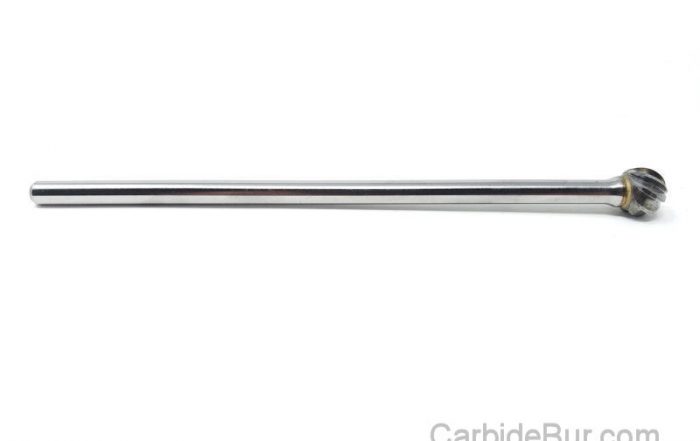
Best Long Reach Carbide Burr for Deep Metal Work
Best Long Reach Carbide Burr for Deep Metal Work Long reach carbide burrs often promise deep metal access, but many fall short where it counts most. You need a tool that cuts cleanly, lasts through [...]
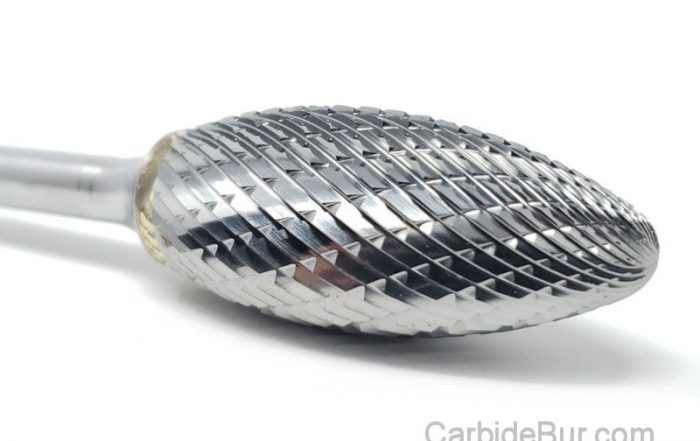
What RPM Should You Use for a 1/8 Inch Carbide Burr?
What RPM Should You Use for a 1/8 Inch Carbide Burr? Most people guess the right carbide burr RPM by feel—and waste hours redoing work. If you want cleaner cuts and longer tool life, your [...]
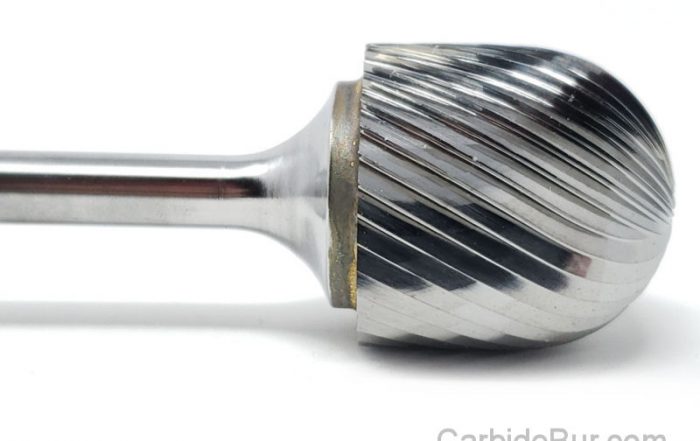
Carbide Burrs for Tight Spaces: Choosing the Right Shape
Carbide Burrs for Tight Spaces: Choosing the Right Shape Tackling tight spaces with the wrong carbide burrs wastes time and risks damaging your work. Choosing the right burr shape makes all the difference when working [...]
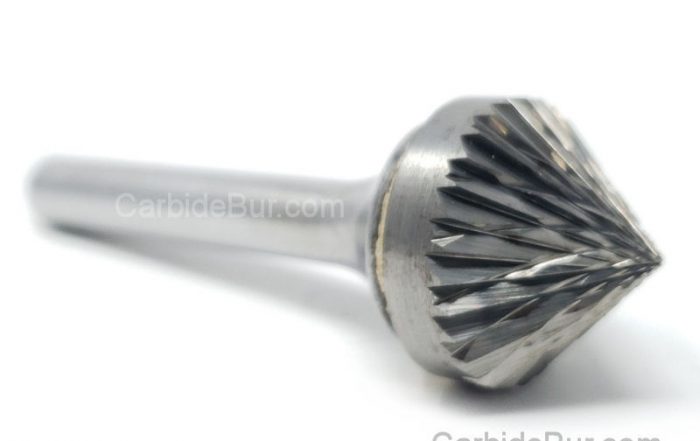
Can Carbide Burrs Remove Paint From Metal?
Can Carbide Burrs Remove Paint From Metal? Stripping paint from metal often feels like a tough chore that risks damaging the surface underneath. Many turn to carbide burrs hoping they can speed things up without [...]
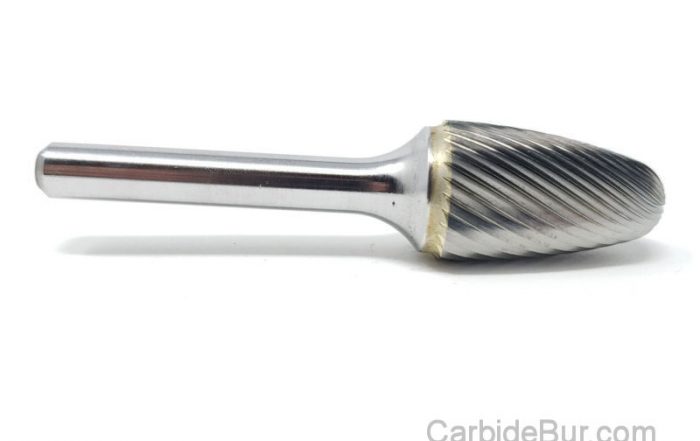
How to Grind a Groove in Metal With a Carbide Burr
How to Grind a Groove in Metal With a Carbide Burr Most metalworkers struggle to cut clean grooves without wasting time or ruining their workpiece. Many try different metalworking tools but end up with uneven [...]
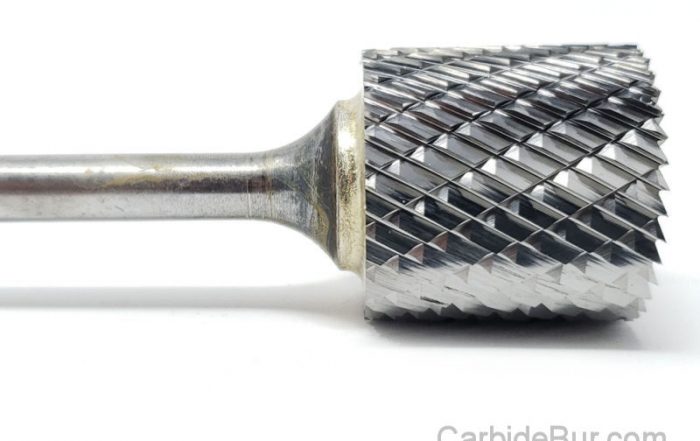
Can Carbide Burrs Cut Through Welds?
Can Carbide Burrs Cut Through Welds? Cutting through welds can feel like a battle, especially when you need clean results without harming the base metal. Carbide burrs offer a sharp edge in this fight, but [...]
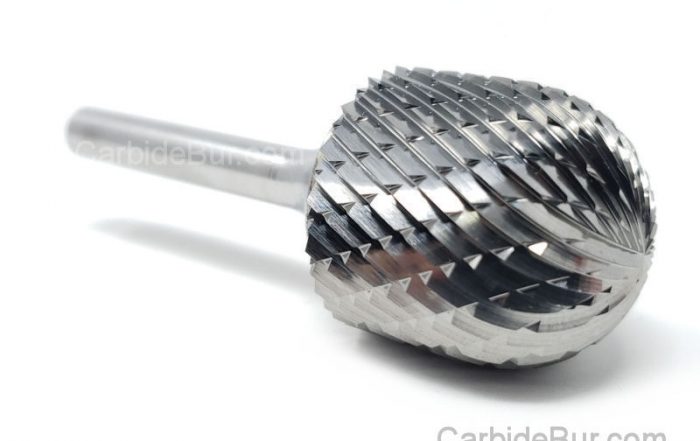
How to Use a Carbide Burr With a Die Grinder
How to Use a Carbide Burr With a Die Grinder Most people treat a carbide burr like just another tool, but using it with a die grinder takes skill. If you’ve struggled with burr installation [...]
1/8 vs 1/4 Inch Carbide Burrs: What’s the Difference?
1/8 vs 1/4 Inch Carbide Burrs: What's the Difference? Choosing between a 1/8 inch carbide burr and a 1/4 inch carbide burr can change how your project turns out. Many machinists and hobbyists overlook how [...]
Best Carbide Burr for Removing Flash From Castings
Best Carbide Burr for Removing Flash From Castings Removing flash from castings is a task that can slow down your entire metalworking process if you don’t have the right tools. Picking the best carbide burr [...]
