
Surface Finishing Made Easy: A Guide to Carbide Burrs and Grinding Stones
Most machinists face the same dilemma: should you reach for a carbide burr or a grinding stone when working on your material removal tasks? Each tool has its own strengths, from the durability of carbide burrs to the cutting ability of grinding stones. This guide breaks down their differences, helping you pick the right surface finishing tool for your machining projects and get the job done right every time. For more details, you can check out this resource.
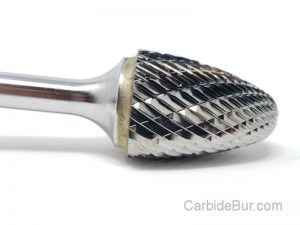
Check out this selection of USA made carbide burs
Understanding Carbide Burrs
Carbide burrs are a go-to tool in many machining tasks. Their precision and durability make them a staple in workshops around the world. Let’s dive into their features.
What Are Carbide Burrs?
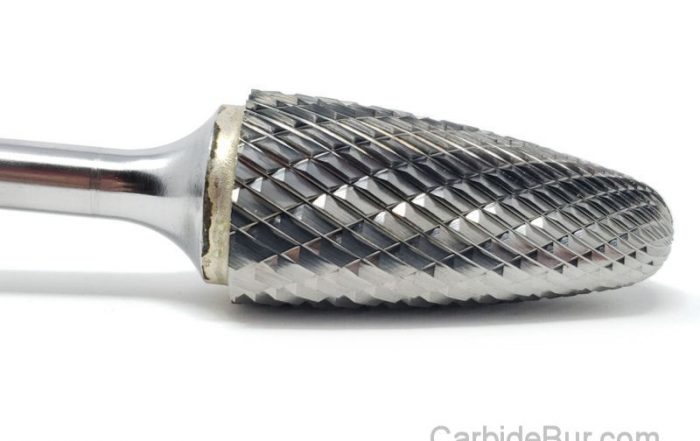
Carbide burrs are small, rotary tools that are used for shaping, cutting, and grinding. They’re made from tungsten carbide, which is one of the hardest materials available. This makes them incredibly tough and able to handle various materials, including metals and wood. They come in different shapes and sizes, each suited for specific tasks. For instance, a cylindrical burr is great for surface smoothening, while a conical burr can handle intricate details. You can learn more about their versatility from this Reddit discussion.
Durability of Carbide Burrs
The durability of carbide burrs is one of their standout features. Made from tungsten carbide, these burrs resist wear and tear far better than other tools. This means they last longer and maintain their sharpness, even after repeated use. Carbide burrs can withstand high temperatures, making them ideal for heavy-duty tasks. They don’t dull easily, saving you time and money in the long run. This durability is a significant advantage, especially when working on tough materials.
Applications for Carbide Burrs
Carbide burrs are versatile and can be used in various applications. They’re perfect for deburring, shaping, and cleaning. You can use them on metals like steel and aluminum, as well as on wood and plastics. Their precision makes them ideal for detailed work. Whether you’re a machinist or a hobbyist, these burrs can help you achieve a high-quality finish on your projects. For more insights on their applications, check out this YouTube video.
Exploring Grinding Stones
Now that we’ve covered carbide burrs, let’s turn our attention to grinding stones. These tools have been used for centuries, offering a different approach to material removal.

Need a longer reach for your die grinder?
Basics of Grinding Stones
Grinding stones are made from a variety of abrasive materials. They’re used to shape and finish surfaces by removing small amounts of material. These stones come in different grits and sizes, allowing you to choose the right one for your project. They’re often used for smoothing surfaces, sharpening tools, and even carving. Grinding stones are a staple in many workshops, offering a reliable way to achieve a smooth finish.
Efficiency of Grinding Stones
Grinding stones are known for their efficiency in material removal. They can quickly smooth out rough surfaces, making them ideal for projects where speed is crucial. Efficiency of grinding stones is often compared to that of carbide burrs, and while they may not last as long, their ability to handle large areas is unmatched. Their abrasive nature allows them to cut through materials like metal and stone with ease, making them a popular choice for many machinists.
Material Suitability for Grinding Stones
When it comes to material suitability, grinding stones excel in working with hard surfaces. They’re perfect for metals like steel and iron, as well as for stone and ceramics. These stones can handle tough materials that might wear down other tools. If you’re working on a project that involves hard surfaces, grinding stones might be the right choice for you. For a detailed comparison between stone and carbide burrs, visit this forum.
Comparing Material Removal Tools
With a clear understanding of carbide burrs and grinding stones, let’s compare them directly to see which might best suit your needs.
Tool Comparison: Features and Benefits
When comparing material removal tools, it’s important to look at their features and benefits. Carbide burrs offer precision and durability, making them ideal for detailed work. Grinding stones, on the other hand, provide quick material removal and are great for larger projects. Both tools have their place in a workshop, and knowing their strengths can help you choose the right one for your tasks.
Surface Finishing Tools in Action
Seeing these tools in action can provide valuable insights. Carbide burrs are often used for intricate designs and detailed work, while grinding stones are used for larger surfaces. Depending on your project, one tool may have a clear advantage. Watching professionals use these tools can be a great way to learn and see their benefits firsthand.
Choosing the Right Tool for Machining
Choosing the right tool for machining depends on your specific needs. If precision is key, carbide burrs are likely your best bet. For larger, rougher surfaces, grinding stones might be more effective. Consider the material you’re working with and the finish you desire. This will guide you in selecting the appropriate tool for your project.
Advantages and Disadvantages
No tool is perfect, and both carbide burrs and grinding stones have their pros and cons. Understanding these can help make an informed choice.
Pros and Cons of Carbide Burrs
Carbide burrs offer precision and long-lasting performance. They’re great for detailed work and can handle a variety of materials. However, they can be more expensive upfront. Their durability, though, often offsets the cost over time.
Pros and Cons of Grinding Stones
Grinding stones are efficient and cost-effective. They’re excellent for larger projects and can smooth out rough surfaces quickly. Their downside is that they may wear down faster than carbide burrs, especially when used on very hard materials.
Achieving Optimal Results
To get the best results from your tools, it’s important to follow some best practices. Here are some tips to ensure your projects meet your expectations.
Tips for Effective Surface Finishing
Effective surface finishing requires the right techniques and tools. Always select the correct grit or size for your task. Use steady, even pressure to avoid damaging the material. Keep your tools clean and well-maintained to ensure they perform optimally. These small steps can make a big difference in the quality of your work.
Selecting Tools Based on Project Needs
Select tools based on the specific needs of your project. Consider the material, the detail required, and the desired finish. This will help you choose between carbide burrs and grinding stones. With the right tool, you can achieve the results you’re looking for and complete your projects with confidence.
By understanding the differences and applications of carbide burrs and grinding stones, you can make informed decisions for your machining projects. Whether you’re a professional or a hobbyist, these insights can help you achieve the best outcomes in your work.
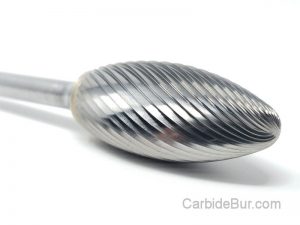
Looking for Carbide Bur Tools?
Check out our entire selection of USA made carbide bur die grinder tool bits
Follow us on Twitter

Return to CarbideBur.com
Carbide Burs – 1/4″ on 1/8″ Shanks – Accessories – Aluminum Cut – Bur Sets – End Mills – Long Shank – Solid Burs
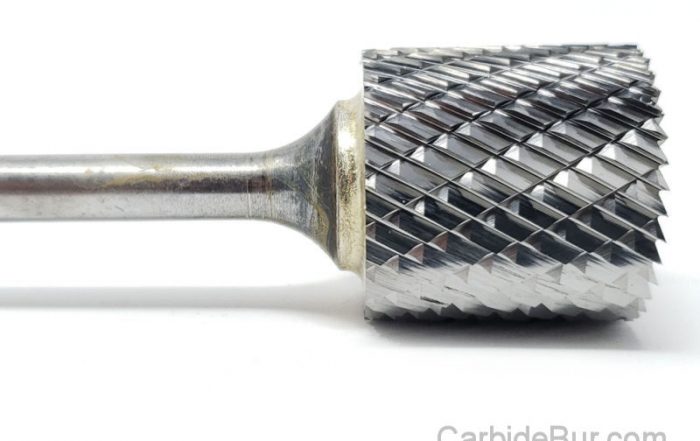
Can Carbide Burrs Cut Through Welds?
Can Carbide Burrs Cut Through Welds? Cutting through welds can feel like a battle, especially when you need clean results without harming the base metal. Carbide burrs offer a sharp edge in this fight, but [...]
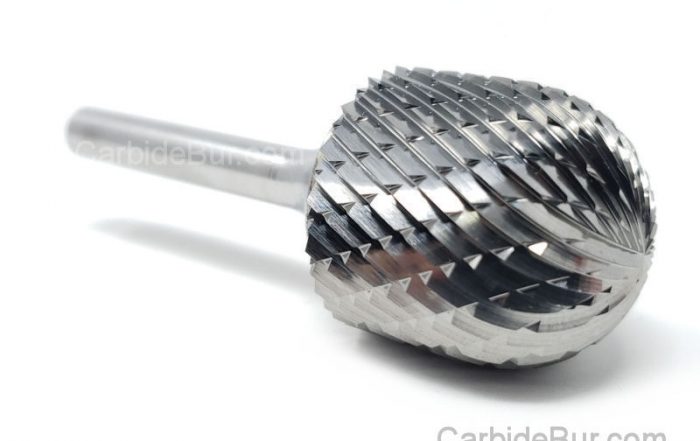
How to Use a Carbide Burr With a Die Grinder
How to Use a Carbide Burr With a Die Grinder Most people treat a carbide burr like just another tool, but using it with a die grinder takes skill. If you’ve struggled with burr installation [...]
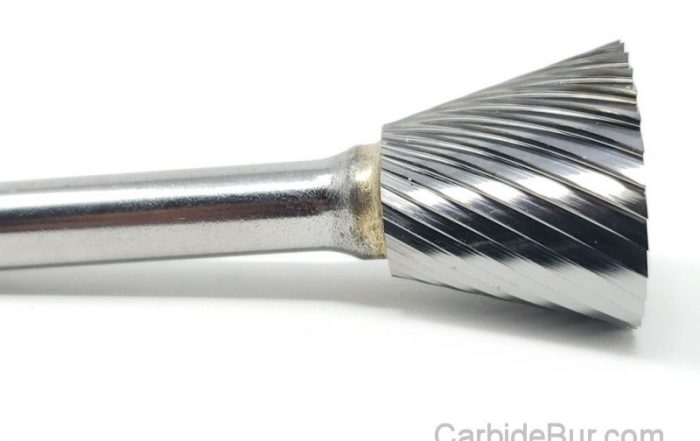
1/8 vs 1/4 Inch Carbide Burrs: What’s the Difference?
1/8 vs 1/4 Inch Carbide Burrs: What's the Difference? Choosing between a 1/8 inch carbide burr and a 1/4 inch carbide burr can change how your project turns out. Many machinists and hobbyists overlook how [...]
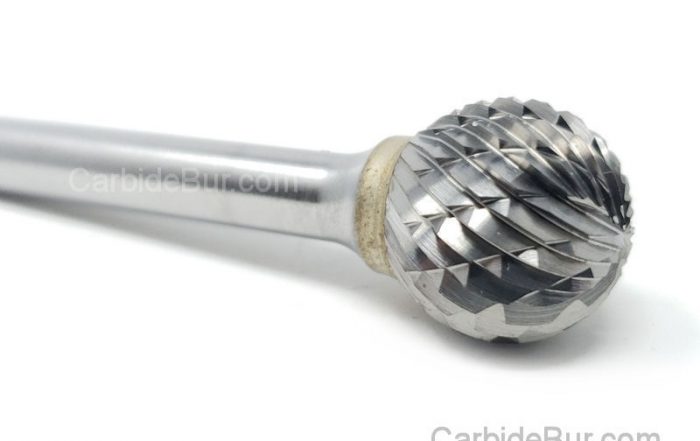
Best Carbide Burr for Removing Flash From Castings
Best Carbide Burr for Removing Flash From Castings Removing flash from castings is a task that can slow down your entire metalworking process if you don’t have the right tools. Picking the best carbide burr [...]
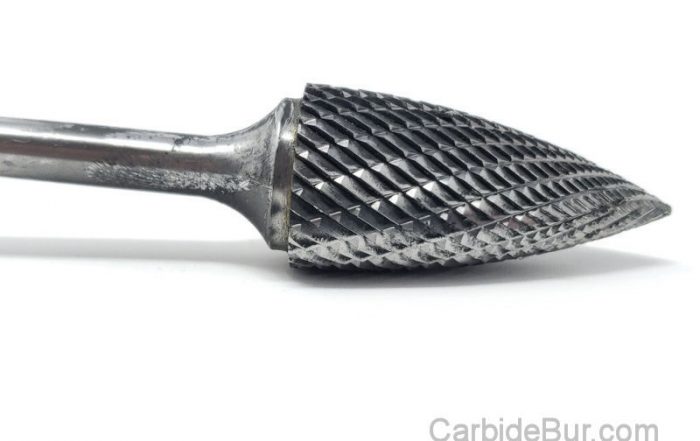
What RPM Should You Use for a 1/4 Inch Carbide Burr?
What RPM Should You Use for a 1/4 Inch Carbide Burr? Most machinists guess the right speed for a 1/4 inch carbide burr and hope for the best. Using the wrong carbide burr RPM can [...]
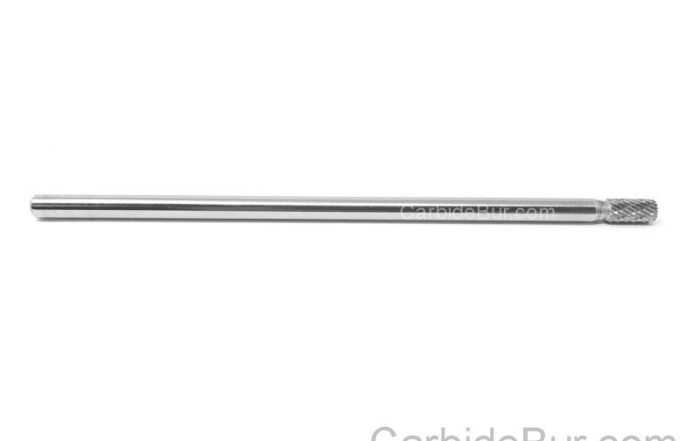
Long Shank Carbide Burrs: When Do You Need One?
Long Shank Carbide Burrs: When Do You Need One? Most machinists overlook the power of long shank carbide burrs until a project demands precision in tight spaces. When your usual tools can’t reach intricate contours, [...]
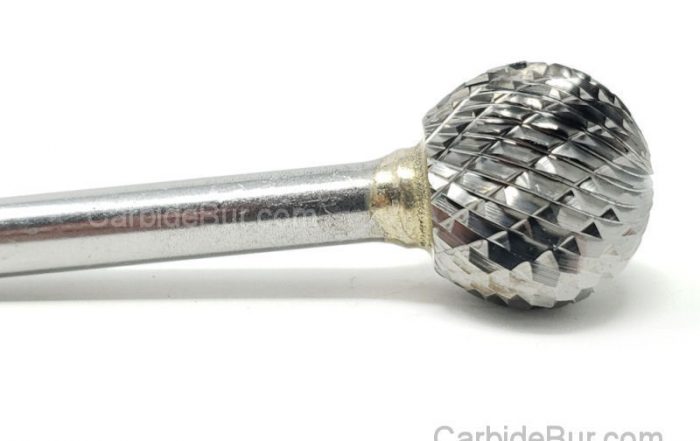
How Deep Can a Carbide Burr Cut Metal?
How Deep Can a Carbide Burr Cut Metal? Carbide burrs often get praised for their precision, but many users hit a wall wondering how deep they can actually cut metal. The truth is, cutting depth [...]
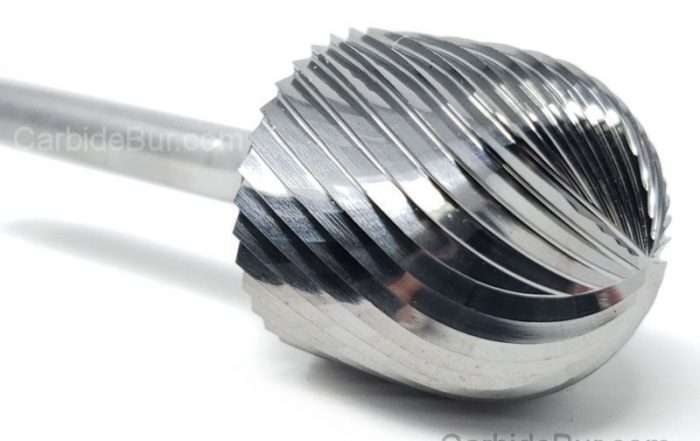
How to Use Carbide Burrs for Port Matching
How to Use Carbide Burrs for Port Matching Most engine builds hit a wall when airflow doesn’t flow smoothly between the ports and manifolds. If your engine isn’t breathing right, your performance stalls. Using the [...]
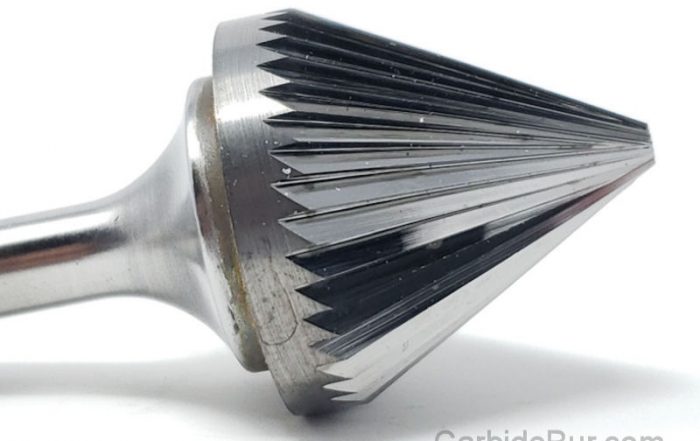
Best Carbide Burr for Porting Intake Manifolds
Best Carbide Burr for Porting Intake Manifolds Porting intake manifolds can make or break your engine’s airflow, yet many struggle with the right tools for the job. Choosing the best carbide burrs is key to [...]
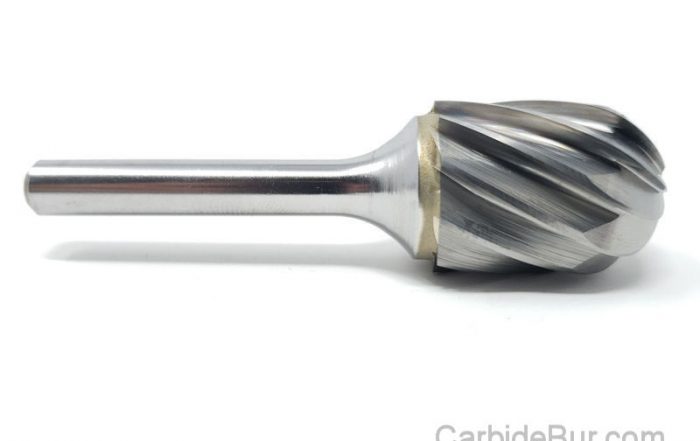
Best Carbide Burr for Concave Surfaces
Best Carbide Burr for Concave Surfaces Concave surfaces can turn a straightforward project into a frustrating challenge if you don’t have the right tool. Carbide burrs designed for these tricky curves make all the difference [...]
How to Grind a Slot in Metal With a Carbide Burr
How to Grind a Slot in Metal With a Carbide Burr Grinding a precise slot in metal can feel like a tricky task, especially if you’re unsure which tools to trust. Carbide burr grinding offers [...]

Best Carbide Burr for Inside Corners
Best Carbide Burr for Inside Corners Working in tight inside corners can turn even simple projects into frustrating tasks. Many carbide burrs just don’t fit or cut cleanly where you need them most. The best [...]
