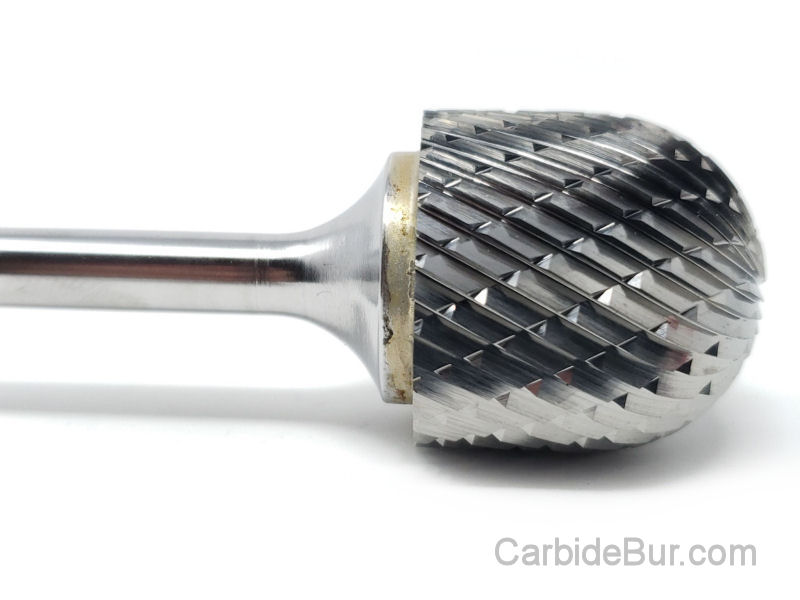
How to Use Carbide Burrs for Weld Removal
Weld removal can slow down any metalworking project when you’re stuck with the wrong tools or techniques. Using carbide burrs the right way cuts your cleanup time and keeps your work looking sharp. In this post, you’ll get clear tips on choosing the right carbide burr for weld removal, along with advice on cutting speeds, pressure, and safety to help you finish jobs faster and cleaner. For more on choosing the best tools, check out this guide on carbide burrs.
Introduction to Carbide Burrs
Carbide burrs are essential in metalworking, providing precision and efficiency. They are vital tools for weld removal, offering the ability to clean and shape metal surfaces with ease. Understanding how to use them effectively can make a significant difference in your work quality.
Importance in Metalworking
Carbide burrs play a crucial role in various metalworking tasks, especially when it comes to weld removal. They allow you to trim, shape, and finish metal surfaces with great precision. This makes them indispensable for anyone looking to achieve professional results in their metalwork projects.
Overview of Weld Removal
Removing welds can be a challenging task if you don’t have the right tools. Carbide burrs make this process easier by allowing for precise metal trimming and shaping. They are designed to handle various materials and can even work in tight spots where larger tools might not fit.
Selecting the Right Carbide Burr
Choosing the right carbide burr is crucial for effective weld removal. The choice depends on the shape and size of the burr, as well as the material you’re working with. Let’s explore how to make the best selection for your needs.
Burr Shapes and Sizes
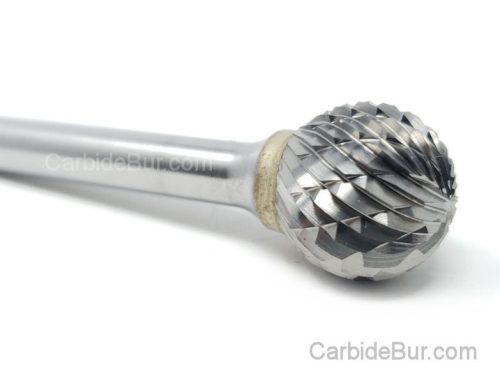
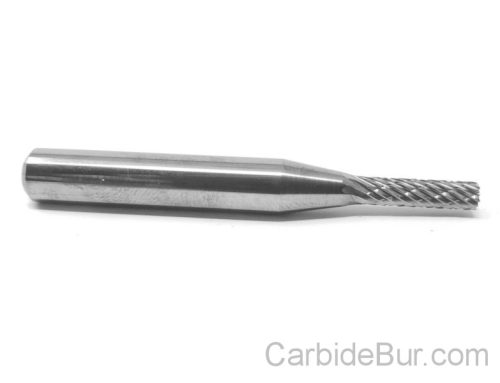
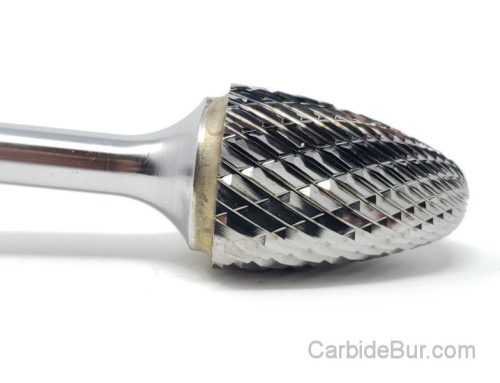
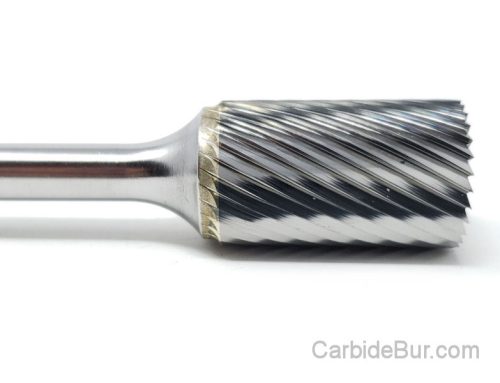
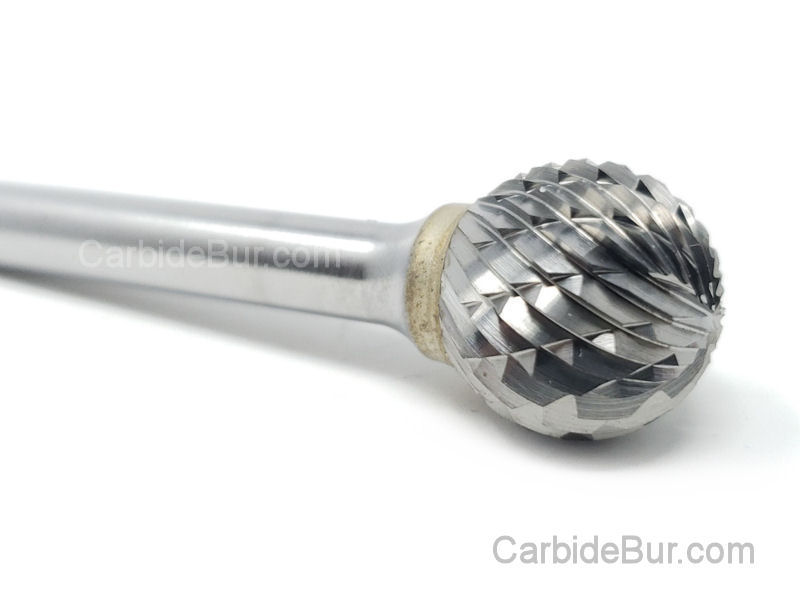
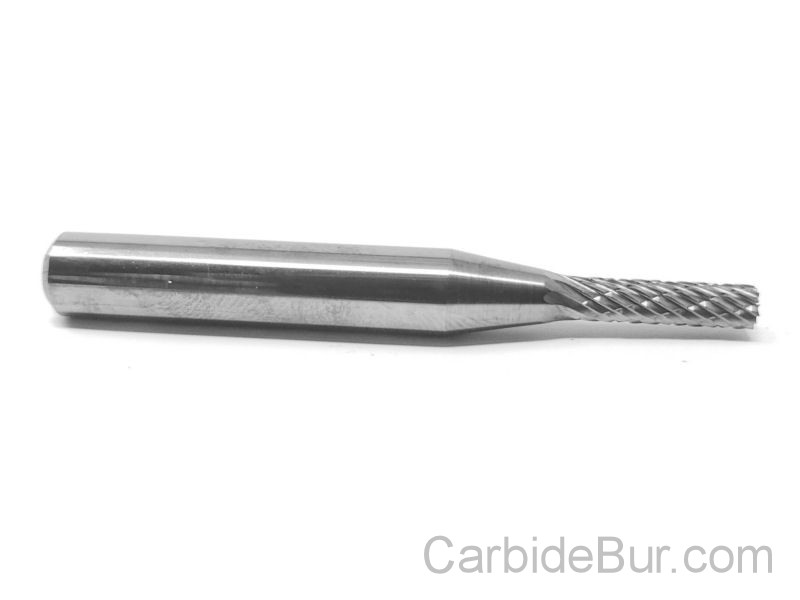
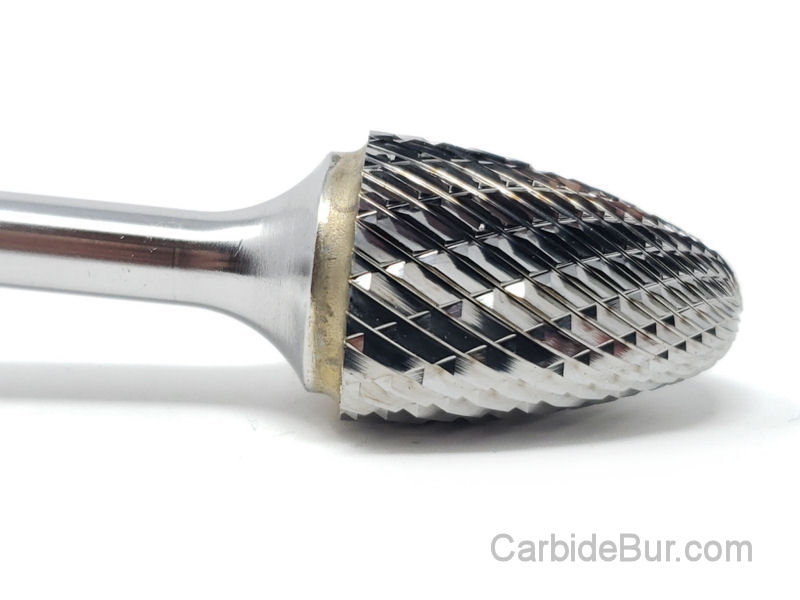
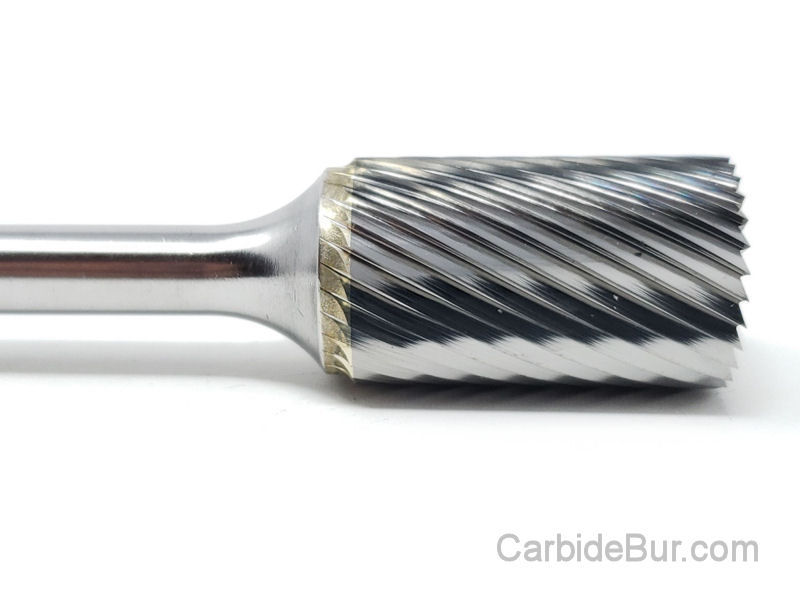
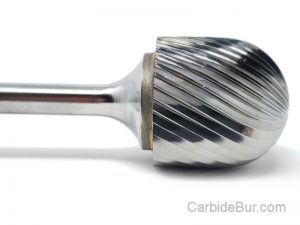
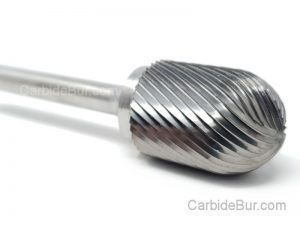
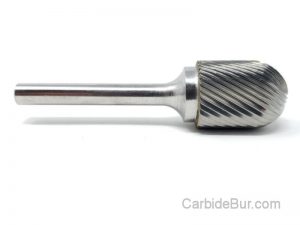
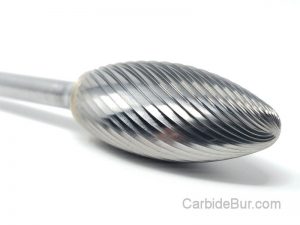
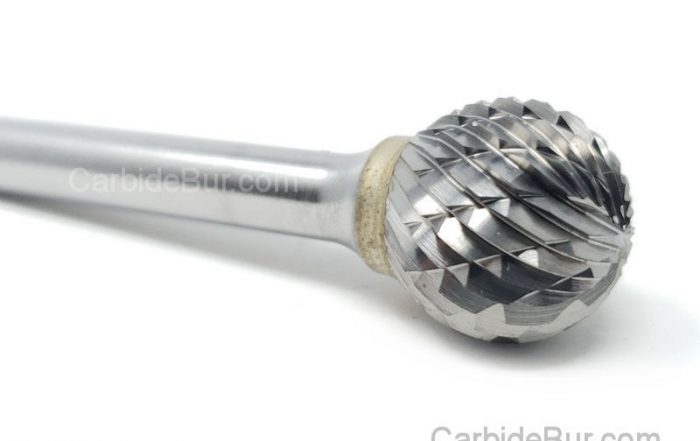
Carbide burrs come in different shapes and sizes, each suited for specific tasks. For instance, cylindrical burrs are perfect for surface work, while tapered burrs are ideal for reaching into tight spaces. Selecting the right shape helps you achieve cleaner and more precise results.
Matching Burr to Material
It’s important to choose a burr that matches the material you’re working on. For softer metals like aluminum, use burrs designed specifically for that material to avoid any damage. Reading this article can offer more insights into selecting the best burr for aluminum.
Techniques for Effective Weld Removal
Using carbide burrs effectively requires understanding the right techniques. From cutting speeds to pressure application, these tips can streamline your weld removal process.
Optimal Cutting Speeds
Cutting speed is a critical factor in weld removal. Too fast, and you risk damaging the metal. Too slow, and the process becomes inefficient. Aim for a moderate speed, adjusting as needed based on the material and burr shape. This balance helps achieve a smooth finish without overheating the tool.
Pressure Application Tips
Applying the right amount of pressure when using carbide burrs is essential. Light pressure ensures better control and reduces the risk of damaging the metal. Over time, you’ll develop a feel for the right pressure, but start with a gentle touch to maintain control.
Achieving a Clean Finish
The goal of weld removal is to achieve a clean finish without damaging the surrounding metal. Here’s how to do it effectively.
Minimizing Metal Damage
To minimize damage, always keep the burr moving and avoid dwelling on one spot for too long. This prevents heat buildup and reduces the chance of gouging the metal. Consistent movement will help you maintain a smooth and even surface.
Best Practices for Weld Cleanup
Clean your work area regularly to prevent metal shavings from interfering with your work. Use a brush or vacuum to keep the area tidy. This not only ensures a clean finish but also extends the life of your tools. For more tips, see this guide.
Safety and Maintenance
Safety and maintenance should never be overlooked when working with carbide burrs. Proper precautions and care extend the life of your tools and keep you safe.
Essential Safety Precautions
Always wear safety gear, including goggles and gloves, when using carbide burrs. Ensure your work area is well-lit and free from obstructions. Following these safety measures protects you from potential hazards while working on metal projects.
Tool Maintenance Tips
Regular maintenance of your carbide burrs is crucial for their longevity. Clean them after each use to remove metal particles and check for wear. Proper storage in a dry, safe place prevents rust and damage. Good maintenance practices ensure that your tools remain effective over time.
Frequently Asked Questions
What are the best carbide burr shapes for weld removal?
For weld removal, cylindrical and oval-shaped burrs are often recommended. These shapes provide excellent control and precision, allowing you to remove welds cleanly without damaging the surrounding metal.
How do I choose the right carbide burr for aluminum?
When working with aluminum, select burrs specifically designed for softer metals. They typically have a single cut design that prevents clogging and ensures a smooth finish. You can find more information about this in this comprehensive guide.
What is the best way to maintain carbide burrs?
Maintain your carbide burrs by cleaning them after each use to remove metal shavings. Store them in a dry place to prevent rust, and inspect them regularly for signs of wear. This routine keeps your tools in top condition and extends their lifespan.
How can I achieve a smooth finish after weld removal?
To achieve a smooth finish, use light pressure and keep the burr moving across the metal surface. Avoid staying in one spot for too long to prevent overheating and potential damage. Consistent movement and moderate speeds contribute to a clean result.
What safety gear is necessary when using carbide burrs?
Safety goggles, gloves, and ear protection are essential when using carbide burrs. They protect you from flying debris and noise, ensuring a safe working environment. Always ensure your workspace is well-organized to minimize risks.
Looking for Carbide Bur Tools?
Check out our entire selection of USA made carbide bur die grinder tool bits
Follow us on Twitter

Return to CarbideBur.com
Carbide Burs – 1/4″ on 1/8″ Shanks – Accessories – Aluminum Cut – Bur Sets – End Mills – Long Shank – Solid Burs
Carbide Burr vs. Grinding Stone: Which Is Better for Metal Removal?
Carbide Burr vs. Grinding Stone: Which Is Better for Metal Removal? When you need to remove metal, smooth a rough edge, or shape a metal component, two common options are carbide burrs and grinding stones. [...]
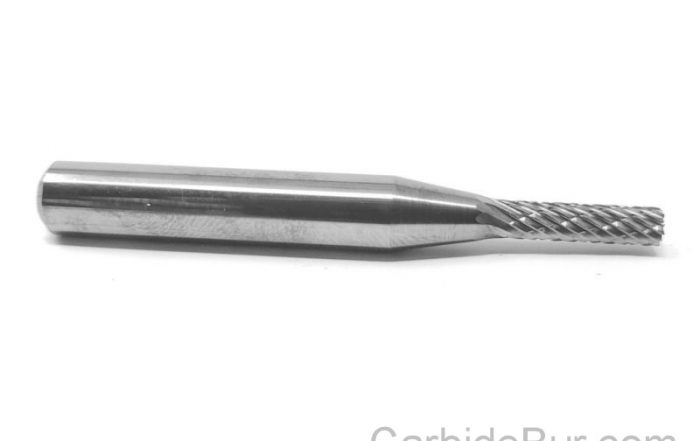
Carbide Burr Safety: RPM, Eye Protection, and Common Mistakes
Carbide Burr Safety: RPM, Eye Protection, and Common Mistakes Carbide burrs are versatile cutting tools used for metal fabrication, welding cleanup, engine porting, deburring, and general material removal. When used correctly, they can help remove [...]
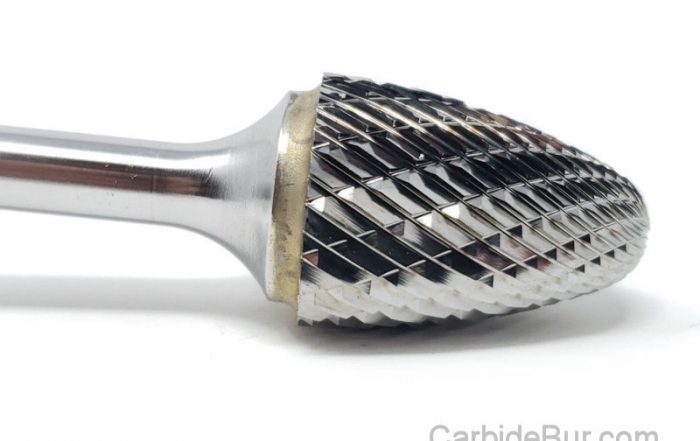
How to Stop Aluminum from Clogging Your Carbide Burr
How to Stop Aluminum from Clogging Your Carbide Burr Aluminum is widely used in automotive work, welding, metal fabrication, aerospace components, and general machining. It is lightweight, relatively easy to machine, and versatile across many [...]
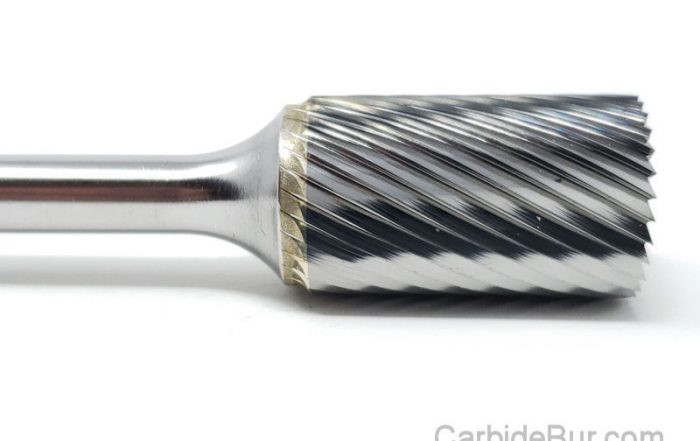
Carbide Burrs for Intake Manifolds: Shaping, Cleanup, and Fitment
Carbide Burrs for Intake Manifolds: Shaping, Cleanup, and Fitment Intake manifold work often involves more than simply bolting a component onto an engine. Depending on the application, metal intake components may have casting irregularities, rough [...]
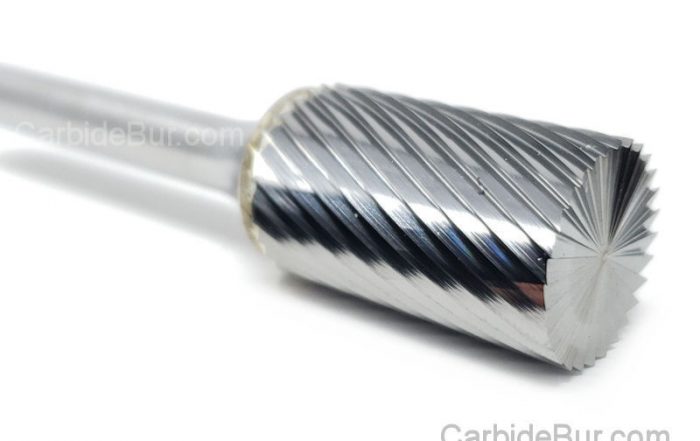
Why Long-Shank Carbide Burrs Are Useful for Hard-to-Reach Areas
Why Long-Shank Carbide Burrs Are Useful for Hard-to-Reach Areas When working on metal parts, the area that needs grinding or shaping is not always easy to reach. Recessed openings, deep cavities, interior surfaces, and complicated [...]
Choosing Carbide Burrs for Stainless Steel Fabrication
Choosing Carbide Burrs for Stainless Steel Fabrication Stainless steel is widely used in fabrication because of its corrosion resistance, strength, and durability. However, those same properties can make it challenging to machine and finish. Removing [...]
Can You Use Carbide Burrs in a Dremel? Shank Sizes Explained
Can You Use Carbide Burrs in a Dremel? Shank Sizes Explained If you use a Dremel or another rotary tool for detail work, metal shaping, or small fabrication projects, you may wonder whether you can [...]
How to Choose the Best Carbide Burr for Welding and Metal Fabrication
How to Choose the Best Carbide Burr for Welding and Metal Fabrication Welding and metal fabrication often require more than joining two pieces of metal together. Once the welding is finished, fabricators frequently need to [...]
Carbide Burrs for Cylinder Heads: What Automotive Enthusiasts Need to Know
Carbide Burrs for Cylinder Heads: What Automotive Enthusiasts Need to Know Cylinder head work is an important part of engine building, restoration, and performance machining. Whether you are cleaning up casting imperfections, refining port surfaces, [...]
Engine Porting 101: How Carbide Burrs Help Shape Cylinder Head Ports
Engine Porting 101: How Carbide Burrs Help Shape Cylinder Head Ports Engine performance enthusiasts, automotive machinists, and engine builders often look for ways to improve airflow through an engine's cylinder heads. One technique used in [...]
When to Use a 4-Inch or 9-Inch Die Grinder Extension
When to Use a 4-Inch or 9-Inch Die Grinder Extension Metal fabrication, welding, automotive repair, and engine building often require working in places where a standard die grinder and carbide burr cannot easily reach. Recessed [...]
Why Buy USA-Made Carbide Burr Tools? What Buyers Should Compare
Why Buy USA-Made Carbide Burr Tools? What Buyers Should Compare When shopping for carbide burr tools, it's tempting to compare products based on price alone. However, professionals who use rotary cutting tools for welding, metal [...]