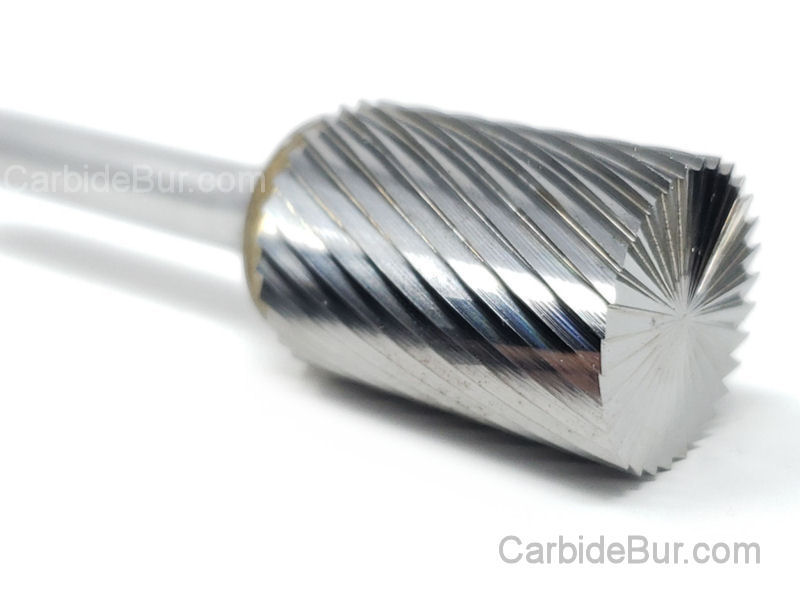
How to Clean and Maintain Carbide Burrs
Carbide burrs can lose their edge fast if you don’t clean them right. You might be wasting time and money by letting debris build up and dull your tools. This guide on how to clean carbide burrs breaks down simple steps to keep your machining tools and woodworking tools sharp and ready. Follow these tool care tips to spot wear early and get more precise results every time. For more tips, check out this guide on cleaning, sharpening, and tool longevity.
Importance of Carbide Burr Maintenance
Keeping your carbide burrs in top condition isn’t just helpful; it’s crucial. Regular maintenance ensures that these tools perform their best every time you use them.
Ensuring Optimal Performance
Carbide burrs are essential for precise work in machining and woodworking. To make sure they function efficiently, consistent care is vital. Clean tools operate smoothly, allowing you to achieve the clean cuts and finishes you need. With regular upkeep, you notice fewer errors and achieve the desired results more quickly. Remember, the sharper your tools, the better your work.
Preventing Tool Degradation
Neglecting your burrs can lead to deterioration. Over time, debris and grime accumulate, causing the burrs to lose their sharpness. This not only affects performance but also shortens the tool’s lifespan. By keeping them clean, you prevent unnecessary wear and tear. It’s about protecting your investment and ensuring you can rely on your tools for years to come.
Key Benefits of Regular Care
Taking the time to maintain your burrs offers several benefits. Firstly, it extends the life of your tools, saving you money in the long run. Secondly, it enhances precision in your projects, allowing for smoother operations. Finally, regular maintenance supports a safer working environment by preventing unexpected tool failures.
Step-by-Step Cleaning Methods
Now that you understand the importance of maintenance, let’s dive into the methods you can use to clean your carbide burrs effectively.
Essential Cleaning Techniques
Start by gathering the right tools. A soft brush and a cleaning solution specifically formulated for carbide tools work best. Gently scrub the burr, focusing on areas with visible buildup. Avoid using abrasive materials that could damage the tool. After scrubbing, rinse the burr thoroughly with water to remove any remaining solution.
Effective Debris Removal
For stubborn debris, soaking the burrs in a cleaning solution may be necessary. Let them sit for a few minutes before scrubbing again. This softens the buildup, making it easier to remove. Always dry the burrs completely after cleaning to prevent rust or other damage.
Recommended Cleaning Products
Using the right products can make a significant difference in your cleaning process. Look for solutions designed specifically for carbide tools, as they are often gentler yet effective. These products not only clean but also help protect the burrs from future buildup.
Proper Storage Practices
Once your burrs are clean, proper storage is the next step in maintaining their condition.
Storing Carbide Burrs Safely
Keeping your burrs in a dry, organized space prevents unnecessary wear. Use cases or padded compartments to protect them from physical damage. This simple step avoids inadvertent nicks or scratches that could compromise their effectiveness.
Organizing Your Tool Space
A well-organized tool space makes it easier to access your burrs and reduces the risk of damage. Use labeled compartments or drawers to keep your tools sorted and easy to find. This organization prevents misplacement and keeps your workspace tidy.
Protecting Burrs from Damage
Aside from being organized, ensure your storage space is away from direct sunlight or moisture. These elements can deteriorate the material over time. A controlled environment protects your burrs and prolongs their usability.
Routine Inspection Practices
Regular inspections help catch potential problems before they become serious issues.
Identifying Wear Early
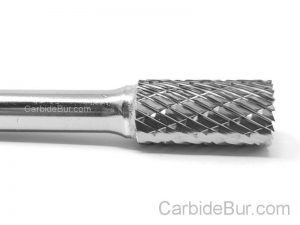
Frequent checks of your burrs allow you to spot signs of wear promptly. Look for dull edges, chips, or any irregularities that could affect performance. Early detection means you can address issues before they impact your work.
Signs of Tool Deterioration
If you notice your burrs struggling to perform tasks they’ve handled easily before, it might be time for maintenance or replacement. Deterioration often shows as poor performance, uneven cuts, or excessive vibrations during use. Addressing these signs early keeps your projects on track.
Maintaining Precision in Projects
Precision is key in machining and woodworking. By regularly inspecting and maintaining your burrs, you ensure they deliver the accuracy you need. Consistent performance means more reliable results and less waste.
Maximizing Burr Longevity
Finally, let’s explore ways to ensure your burrs last as long as possible.
Tips to Lengthen Burr Life
Follow a routine that includes cleaning, proper storage, and regular inspections. Avoid overheating the burrs during use, as this can cause damage. Consistently caring for your tools maximizes their lifespan and keeps them performing well.
Integrating Routine Maintenance
Make maintenance a part of your regular workflow. Set reminders to clean and inspect your burrs after specific use intervals. This proactive approach prevents minor issues from becoming major problems.
Achieving Consistent Results
By maintaining your burrs consistently, you ensure reliable outcomes in every project. Clean, sharp tools are essential for achieving the precision and quality your work demands.
Frequently Asked Questions
How often should I clean my carbide burrs?
It’s best to clean your carbide burrs after every use. This prevents debris buildup and ensures optimal performance.
What should I use to clean my burrs?
Use a soft brush and a cleaner specifically designed for carbide tools. Avoid harsh chemicals and abrasive materials that could damage the tools.
How can I tell if my burrs are worn out?
Signs of wear include dull edges, uneven cuts, and excessive vibrations during use. Regular inspections help identify these issues early.
What’s the best way to store carbide burrs?
Store them in a dry, organized space with padded compartments to avoid physical damage. Protect them from moisture and direct sunlight.
Can I use any cleaning solution on my burrs?
No, use solutions specifically formulated for carbide tools. These products clean effectively without causing harm to the tool.
Looking for Carbide Bur Tools?
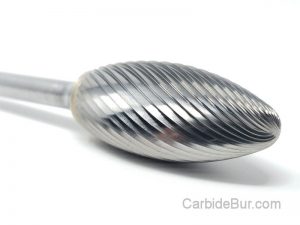
Check out our entire selection of USA made carbide bur die grinder tool bits
Follow us on Twitter

Return to CarbideBur.com
Carbide Burs – 1/4″ on 1/8″ Shanks – Accessories – Aluminum Cut – Bur Sets – End Mills – Long Shank – Solid Burs
Carbide Burr vs. Grinding Stone: Which Is Better for Metal Removal?
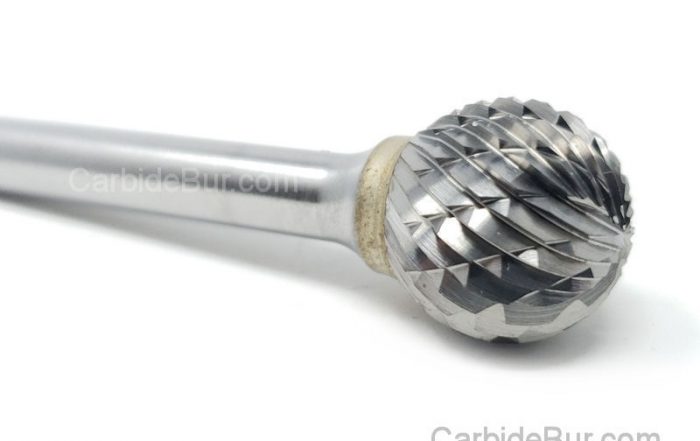
Carbide Burr vs. Grinding Stone: Which Is Better for Metal Removal? When you need to remove metal, smooth a rough edge, or shape a metal component, two common options are carbide burrs and grinding stones. [...]
Carbide Burr Safety: RPM, Eye Protection, and Common Mistakes
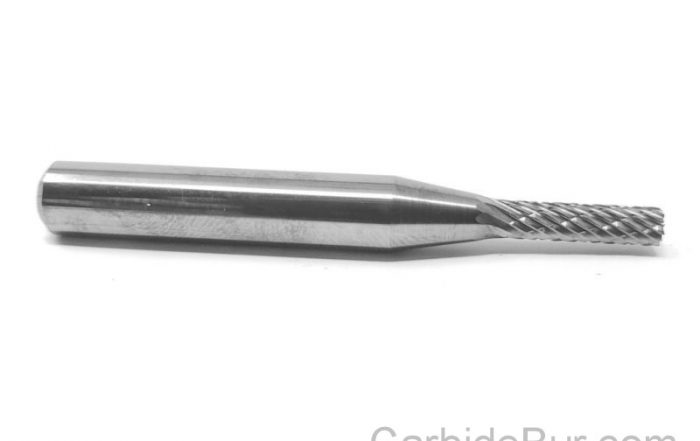
Carbide Burr Safety: RPM, Eye Protection, and Common Mistakes Carbide burrs are versatile cutting tools used for metal fabrication, welding cleanup, engine porting, deburring, and general material removal. When used correctly, they can help remove [...]
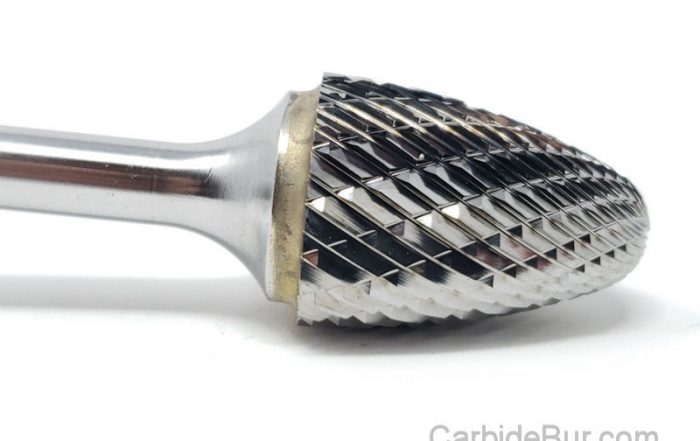
How to Stop Aluminum from Clogging Your Carbide Burr
How to Stop Aluminum from Clogging Your Carbide Burr Aluminum is widely used in automotive work, welding, metal fabrication, aerospace components, and general machining. It is lightweight, relatively easy to machine, and versatile across many [...]
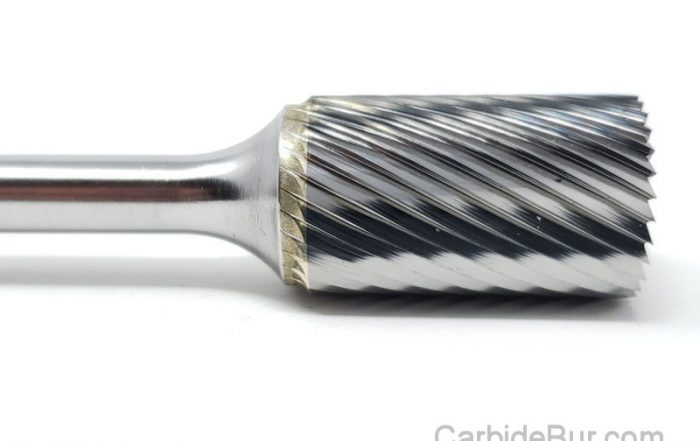
Carbide Burrs for Intake Manifolds: Shaping, Cleanup, and Fitment
Carbide Burrs for Intake Manifolds: Shaping, Cleanup, and Fitment Intake manifold work often involves more than simply bolting a component onto an engine. Depending on the application, metal intake components may have casting irregularities, rough [...]
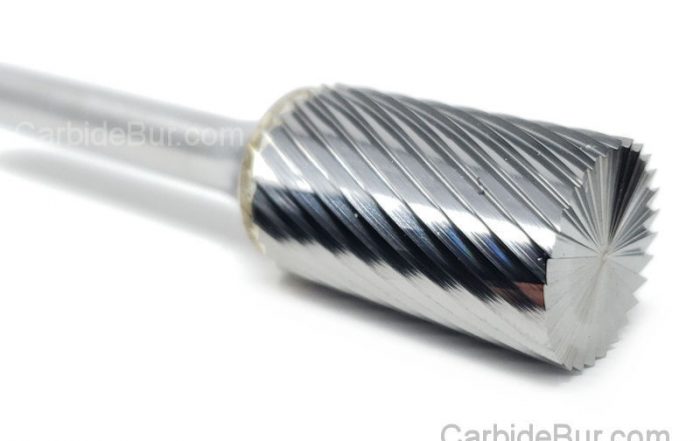
Why Long-Shank Carbide Burrs Are Useful for Hard-to-Reach Areas
Why Long-Shank Carbide Burrs Are Useful for Hard-to-Reach Areas When working on metal parts, the area that needs grinding or shaping is not always easy to reach. Recessed openings, deep cavities, interior surfaces, and complicated [...]
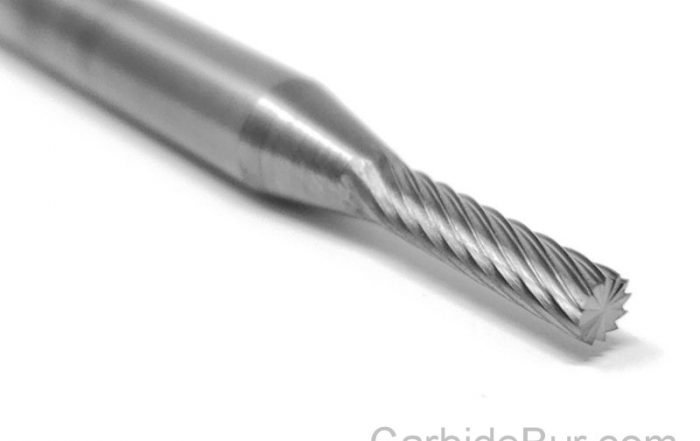
Choosing Carbide Burrs for Stainless Steel Fabrication
Choosing Carbide Burrs for Stainless Steel Fabrication Stainless steel is widely used in fabrication because of its corrosion resistance, strength, and durability. However, those same properties can make it challenging to machine and finish. Removing [...]
Can You Use Carbide Burrs in a Dremel? Shank Sizes Explained
Can You Use Carbide Burrs in a Dremel? Shank Sizes Explained If you use a Dremel or another rotary tool for detail work, metal shaping, or small fabrication projects, you may wonder whether you can [...]
How to Choose the Best Carbide Burr for Welding and Metal Fabrication
How to Choose the Best Carbide Burr for Welding and Metal Fabrication Welding and metal fabrication often require more than joining two pieces of metal together. Once the welding is finished, fabricators frequently need to [...]
Carbide Burrs for Cylinder Heads: What Automotive Enthusiasts Need to Know
Carbide Burrs for Cylinder Heads: What Automotive Enthusiasts Need to Know Cylinder head work is an important part of engine building, restoration, and performance machining. Whether you are cleaning up casting imperfections, refining port surfaces, [...]
Engine Porting 101: How Carbide Burrs Help Shape Cylinder Head Ports
Engine Porting 101: How Carbide Burrs Help Shape Cylinder Head Ports Engine performance enthusiasts, automotive machinists, and engine builders often look for ways to improve airflow through an engine's cylinder heads. One technique used in [...]
When to Use a 4-Inch or 9-Inch Die Grinder Extension
When to Use a 4-Inch or 9-Inch Die Grinder Extension Metal fabrication, welding, automotive repair, and engine building often require working in places where a standard die grinder and carbide burr cannot easily reach. Recessed [...]
Why Buy USA-Made Carbide Burr Tools? What Buyers Should Compare
Why Buy USA-Made Carbide Burr Tools? What Buyers Should Compare When shopping for carbide burr tools, it's tempting to compare products based on price alone. However, professionals who use rotary cutting tools for welding, metal [...]